Information About America's Beautiful National Parks
This list includes all current national parks in the United States, each offering unique natural wonders and recreational opportunities. The parks are managed by the National Park Service to preserve their natural and cultural resources for future generations.
The United States currently has 63 National Parks, each protected for its natural beauty, unique geological features, and ecosystems.
Here is a list of all 63 parks, including a brief description and the link to the official National Park Service (NPS) homepage for more information.
🏞️ The 63 U.S. National Parks (In Alphabetical Order)
| National Park | State(s) | Key Features & Descriptions | Official NPS Website |
| Acadia | Maine | The "Crown Jewel of the North Atlantic Coast," protecting a rugged, granite coastline, forests, and islands, including Cadillac Mountain, the tallest mountain on the Atlantic coast. | https://www.nps.gov/acad/ |
| American Samoa | American Samoa | The southernmost National Park, protecting tropical rainforests, coral reefs, volcanic mountains, and white sand beaches across three islands in the South Pacific. | https://www.nps.gov/npsa/ |
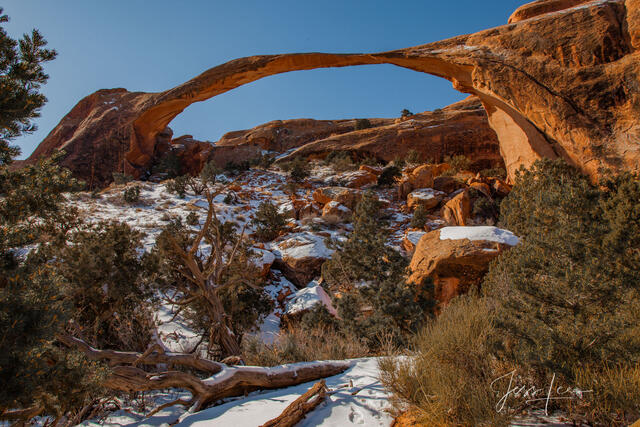
| Arches | Utah | Features the highest concentration of natural sandstone arches in the world (over 2,000), including the iconic Delicate Arch and Landscape Arch, carved by millions of years of erosion. | https://www.nps.gov/arch/ |
| Badlands | South Dakota | A stark, almost alien landscape characterized by deeply eroded buttes, pinnacles, spires, and a large mixed-grass prairie, containing a rich Oligocene mammal fossil record. | https://www.nps.gov/badl/ |
| Big Bend | Texas | Encompasses the largest protected area of the Chihuahuan Desert in the U.S., featuring the entire Chisos Mountain Range, deep canyons along the Rio Grande, and ancient geological strata. | https://www.nps.gov/bibe/ |
| Biscayne | Florida | A predominantly underwater park (95% water) protecting the northernmost part of the Florida Keys, mangrove forests, offshore coral reefs, and critical marine habitat. | https://www.nps.gov/bisc/ |
| Black Canyon of the Gunnison | Colorado | Named for the parts of the gorge that receive very little sunlight, this park protects a deep, narrow canyon with some of the steepest cliffs and oldest exposed rock in North America. | https://www.nps.gov/blca/ |
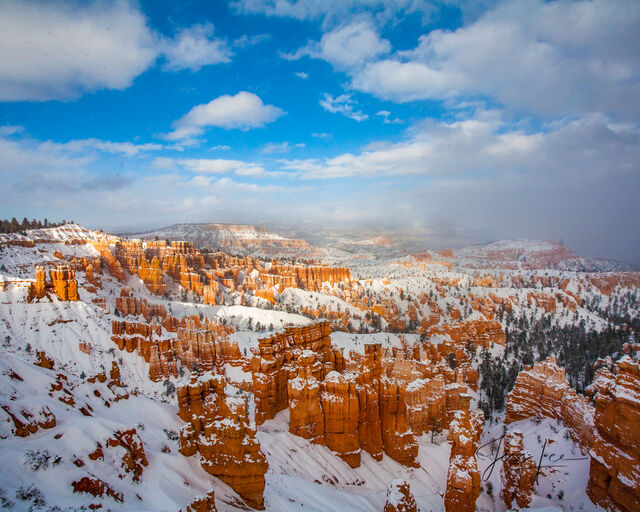
| Bryce Canyon | Utah | A series of giant natural amphitheaters along the eastern side of the Paunsaugunt Plateau, famous for hundreds of colorful, spire-shaped rock formations called hoodoos. | https://www.nps.gov/brca/ |
| Canyonlands | Utah | A wilderness of countless canyons, mesas, and buttes, dramatically carved by the confluence of the Colorado River and Green River, dividing the park into three distinct districts. | https://www.nps.gov/cany/ |
| Capitol Reef | Utah | Protects a 100-mile-long geological monocline called the Waterpocket Fold, featuring massive cliffs, sandstone domes resembling the U.S. Capitol, and historic orchards. | https://www.nps.gov/care/ |
| Carlsbad Caverns | New Mexico | Preserves over 119 known caves, including the massive Big Room, formed by dissolving limestone, known for its stunning stalactites, stalagmites, and large bat populations. | https://www.nps.gov/cave/ |
| Channel Islands | California | Five remote, rugged islands off the coast of Southern California, known as the "Galapagos of North America" for their unique endemic plant and animal species and large sea caves. | https://www.nps.gov/chis/ |
| Congaree | South Carolina | Protects the largest remaining tract of old-growth bottomland hardwood forest in the United States, featuring enormous champion trees and a unique floodplain ecosystem. | https://www.nps.gov/cong/ |
| Crater Lake | Oregon | Contains the deepest lake in the United States, formed in the caldera of the collapsed volcano Mount Mazama, famous for the deep blue color and the iconic Wizard Island. | https://www.nps.gov/crla/ |
| Cuyahoga Valley | Ohio | A narrow, winding park protecting the course of the Cuyahoga River between Akron and Cleveland, featuring forests, farmlands, scenic railway, and waterfalls like Brandywine Falls. | https://www.nps.gov/cuva/ |
| Death Valley | California, Nevada | Renowned as the hottest, driest, and lowest National Park in North America. Features vast salt flats (Badwater Basin), colorful badlands, and unique desert flora. | https://www.nps.gov/deva/ |
| Denali | Alaska | Home to Denali (formerly Mount McKinley), the tallest peak in North America. Protects six million acres of subarctic wilderness teeming with grizzly bears, wolves, and caribou. | https://www.nps.gov/dena/ |
| Dry Tortugas | Florida | A small cluster of seven islands located 70 miles west of Key West, famous for the historic Fort Jefferson, vibrant coral reefs, and nesting sea turtles. Accessible primarily by boat or seaplane. | https://www.nps.gov/drto/ |
| Everglades | Florida | The largest tropical wilderness in the U.S., a vast, slow-moving "river of grass" that is a critical habitat for threatened species like the Florida panther and American crocodile. | https://www.nps.gov/ever/ |
| Gates of the Arctic | Alaska | The northernmost and one of the most remote parks, lying entirely within the Arctic Circle. It is entirely roadless and offers a vast, untamed wilderness experience. | https://www.nps.gov/gaar/ |
| Gateway Arch | Missouri | Commemorates the Louisiana Purchase and westward expansion, featuring the iconic 630-foot stainless steel Gateway Arch on the Mississippi River waterfront in St. Louis. | https://www.nps.gov/jeff/ |
| Glacier | Montana | Known as the "Crown of the Continent," famous for its rugged, glacier-carved peaks, alpine meadows, and the historic Going-to-the-Sun Road. It shares a border with Canada's Waterton Lakes National Park. | https://www.nps.gov/glac/ |
| Glacier Bay | Alaska | Protects massive tidewater glaciers (that calve into the sea), snow-capped mountains, and a protected marine wilderness teeming with whales and seals. | https://www.nps.gov/glba/ |
| Grand Canyon | Arizona | The world-famous mile-deep, 18-mile-wide canyon carved by the Colorado River, exposing nearly two billion years of geological history. | https://www.nps.gov/grca/ |
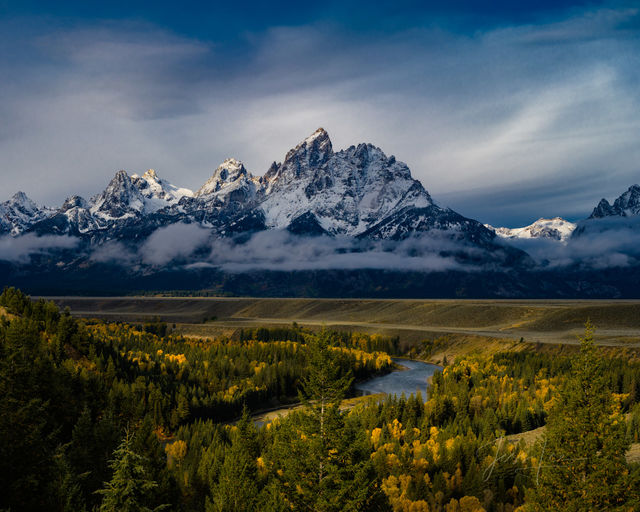
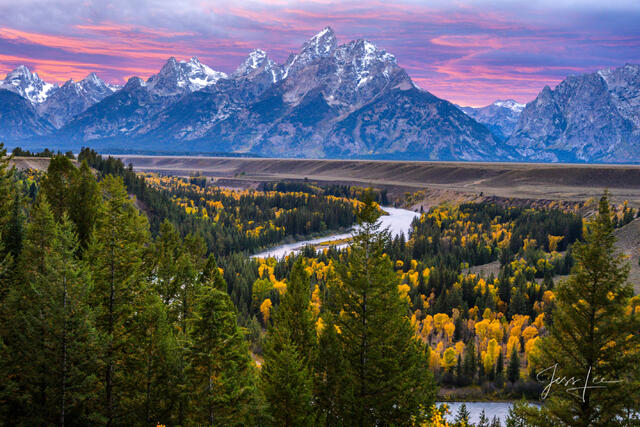
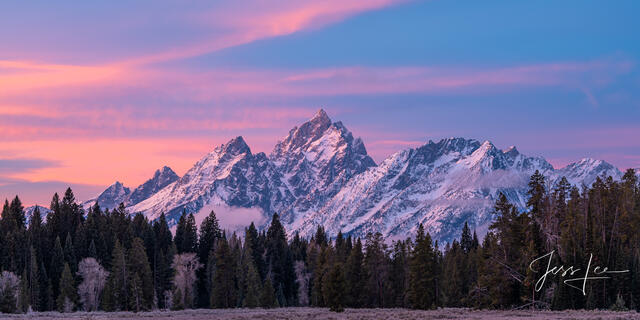
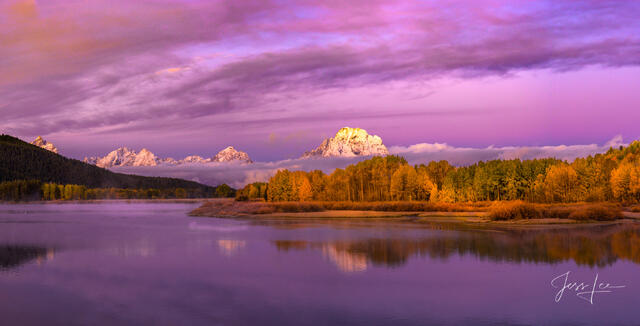
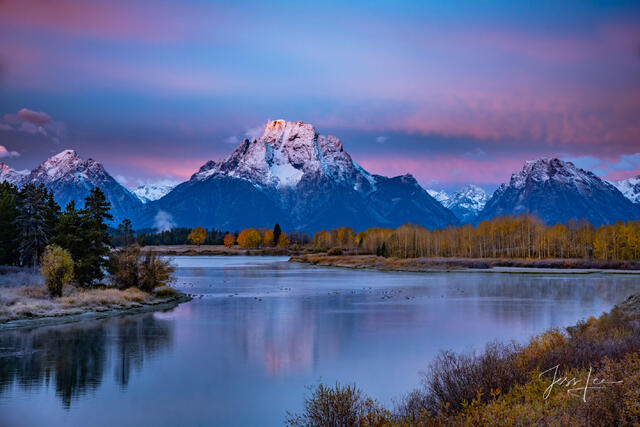
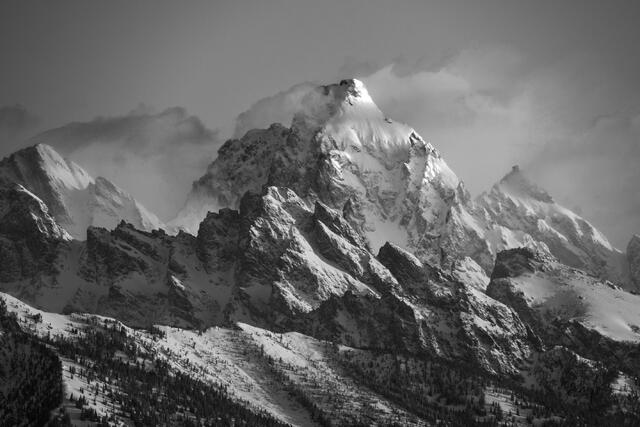
| Grand Teton | Wyoming | Features the dramatic, jagged peaks of the Teton Range, glacial lakes, and the scenic Snake Rivervalley, which is rich with wildlife. | https://www.nps.gov/grte/ |
| Great Basin | Nevada | Protects the unique basin-and-range landscape, featuring high mountain peaks like Wheeler Peak, ancient bristlecone pine forests, and the beautiful Lehman Caves. | https://www.nps.gov/grba/ |
| Great Sand Dunes | Colorado | Home to the tallest sand dunes in North America, set against the backdrop of the Sangre de Cristo Mountains, featuring a surprising diversity of ecosystems and a seasonal stream, Medano Creek. | https://www.nps.gov/grsa/ |
| Great Smoky Mountains | North Carolina, Tennessee | The most visited National Park in the U.S., known for its dense, misty forests, diverse plant and animal life, and the highest peaks in the Appalachian Mountains. | https://www.nps.gov/grsm/ |
| Guadalupe Mountains | Texas | Protects the world's most extensive Permian-era fossil reef, featuring the four highest peaks in Texas, including Guadalupe Peak. | https://www.nps.gov/gumo/ |
| Haleakalā | Hawaii | Protects the dormant Haleakalā volcano on Maui, known for its massive summit crater, unique high-altitude landscapes, and endangered native species. | https://www.nps.gov/hale/ |
| Hawaiʻi Volcanoes | Hawaii | Encompasses two of the world's most active volcanoes, Kīlauea and Mauna Loa, offering views of dramatic lava flows, steaming vents, and newly formed land. | https://www.nps.gov/havo/ |
| Hot Springs | Arkansas | Known as the "Spa of the South," this park is centered around the naturally flowing thermal spring waters that gave the city its name, with historic bathhouses. | https://www.nps.gov/hosp/ |
| Indiana Dunes | Indiana | Protects a large area of dunes, wetlands, and forests along the southern shore of Lake Michigan, featuring a rich diversity of plant life. | https://www.nps.gov/indu/ |
| Isle Royale | Michigan | A remote, isolated island archipelago in Lake Superior, known primarily for its unique study of the predator-prey relationship between wolves and moose. | https://www.nps.gov/isro/ |
| Joshua Tree | California | A desert landscape where the Mojave and Coloradodesert ecosystems meet, famed for the distinctive, unique Joshua trees and rugged rock formations. | https://www.nps.gov/jotr/ |
| Katmai | Alaska | Famous for the Valley of Ten Thousand Smokes(remnant of a 1912 volcanic eruption) and its large population of Alaskan brown bears fishing for salmon at Brooks Falls. | https://www.nps.gov/katm/ |
| Kenai Fjords | Alaska | Protects the vast Harding Icefield (one of the largest icefields in the U.S.), numerous tidewater glaciers, and a rugged, fjord-slashed coastline teeming with marine wildlife. | https://www.nps.gov/kefj/ |
| Kings Canyon | California | Shares a border with Sequoia and is known for massive Giant Sequoia trees and the steep, glacial canyons of the Kings River. | https://www.nps.gov/seki/ |
| Kobuk Valley | Alaska | Protects the Kobuk River and the Great Kobuk Sand Dunes, the largest active dune field in the Arctic, lying entirely above the Arctic Circle. | https://www.nps.gov/kova/ |
| Lake Clark | Alaska | A wild mosaic of ecosystems, from coastal rainforest to tundra, featuring active volcanoes, turquoise lakes, and critical salmon runs. | https://www.nps.gov/lacl/ |
| Lassen Volcanic | California | Features all four types of volcanoes found in the world: plug dome, shield, cinder cone, and stratovolcano (Lassen Peak). Known for its hydrothermal areas. | https://www.nps.gov/lavo/ |
| Mammoth Cave | Kentucky | Home to the longest known cave system in the world, with over 400 miles explored, featuring massive chambers and unique cave life. | https://www.nps.gov/maca/ |
| Mesa Verde | Colorado | Preserves the rich archaeological heritage of the Ancestral Puebloan people, featuring spectacular cliff dwellings built into the canyon walls. | https://www.nps.gov/meve/ |
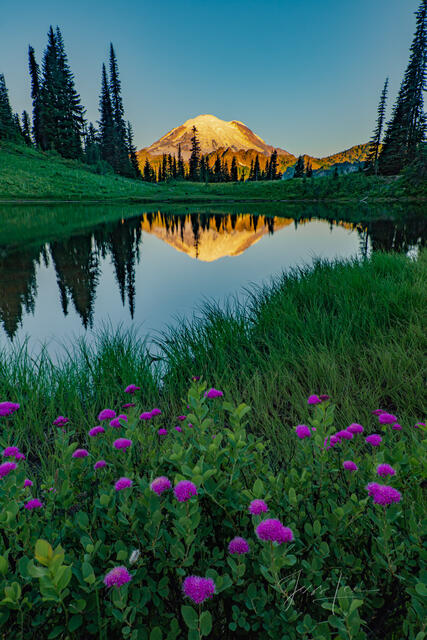
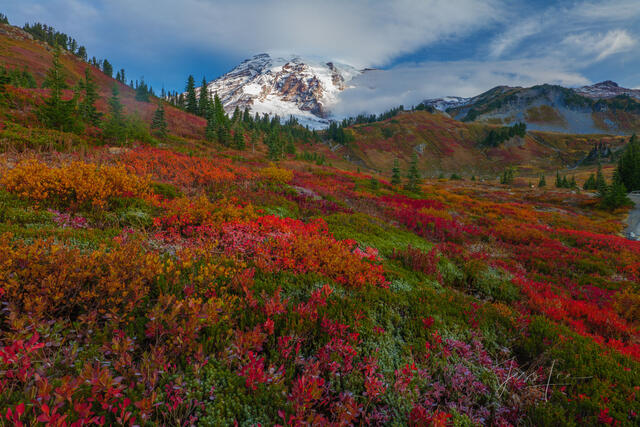
| Mount Rainier | Washington | An iconic, active volcano dominating the Pacific Northwest skyline, surrounded by vast glacial systems and spectacular subalpine wildflower meadows. | https://www.nps.gov/mora/ |
| New River Gorge | West Virginia | The newest National Park (2020), protecting a deep canyon carved by the New River, famous for whitewater rafting, hiking, and the spectacular New River Gorge Bridge. | https://www.nps.gov/neri/ |
| North Cascades | Washington | A rugged, mountainous wilderness with deep valleys, numerous jagged peaks, and the largest glacial system in the contiguous United States. | https://www.nps.gov/noca/ |
| Olympic | Washington | A massive park protecting three distinct, contrasting ecosystems: the wild Pacific coastline, glacier-capped Olympic Mountains, and expansive temperate rainforests (like the Hoh). | https://www.nps.gov/olym/ |
| Petrified Forest | Arizona | Known for its globally significant deposits of petrified wood (ancient fossilized trees) and the colorful, eroded badlands of the Painted Desert. | https://www.nps.gov/pefo/ |
| Pinnacles | California | Features steep, rocky spires and peaks formed by volcanoes that erupted 23 million years ago, known for its talus caves and as a release site for the endangered California Condor. | https://www.nps.gov/pinn/ |
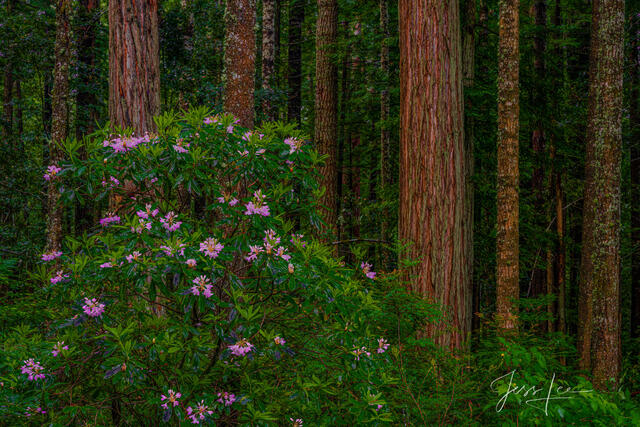
| Redwood | California | Protects nearly half of the world's remaining old-growth redwood forests, which are the tallest trees on Earth, along with a beautiful wild coastline. | https://www.nps.gov/redw/ |
| Rocky Mountain | Colorado | Defined by high mountain peaks, alpine tundra, forests, and lakes. Features the Trail Ridge Road, the highest continuous paved road in the U.S. | https://www.nps.gov/romo/ |
| Saguaro | Arizona | Protects the magnificent Saguaro cactus, the largest cactus in the U.S. and a symbol of the American Southwest, across two districts bordering Tucson. | https://www.nps.gov/sagu/ |
| Sequoia | California | Home to the largest trees in the world by volume, the Giant Sequoia, including the famous General Sherman Tree. | https://www.nps.gov/seki/ |
| Shenandoah | Virginia | Protects a section of the Blue Ridge Mountains and is traversed by the famous Skyline Drive, offering scenic overlooks, waterfalls, and wooded terrain. | https://www.nps.gov/shen/ |
| Theodore Roosevelt | North Dakota | Protects the rugged, colorful badlands of the Little Missouri River region, where Roosevelt developed his conservation ethic. | https://www.nps.gov/thro/ |
| Virgin Islands | U.S. Virgin Islands | Protects beautiful white sand beaches, turquoise waters, fringing coral reefs, and historic ruins on the island of St. John. | https://www.nps.gov/viis/ |
| Voyageurs | Minnesota | A water-based park with interconnected lakes and forests, accessible primarily by boat, marking the historic route of early French fur traders. | https://www.nps.gov/voya/ |
| White Sands | New Mexico | Protects the world's largest gypsum dune field, creating wave-like white sand dunes that stretch for miles across a high desert basin. | https://www.nps.gov/whsa/ |
| Wind Cave | South Dakota | First cave designated as a National Park, known for its unique boxwork formations and the wildlife (bison, elk) of the surrounding mixed-grass prairie. | https://www.nps.gov/wica/ |
| Wrangell–St. Elias | Alaska | The largest National Park in the U.S. (six times the size of Yellowstone), containing nine of the 16 highest peaks in the nation and massive tidewater glaciers. | https://www.nps.gov/wrst/ |
| Yellowstone | Wyoming, Montana, Idaho | The world's first National Park, famed for its geothermal features (Old Faithful, Grand Prismatic Spring), massive canyon, and abundant wildlife (wolves, bison, elk). | https://www.nps.gov/yell/ |
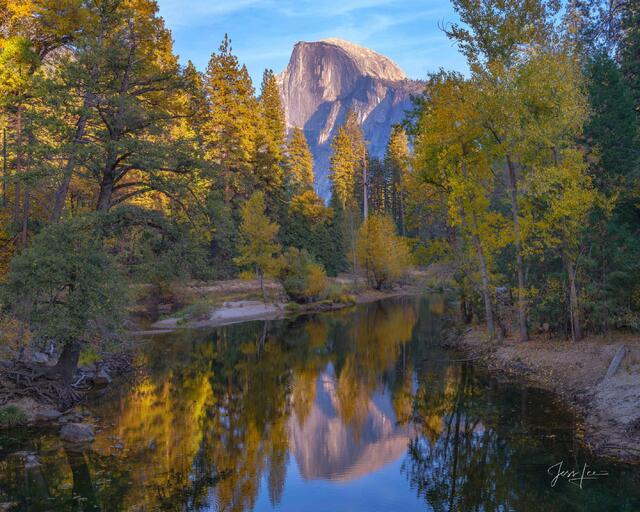
| Yosemite | California | Known globally for its spectacular natural features: sheer granite cliffs (El Capitan, Half Dome), giant sequoia groves, and massive waterfalls, concentrated in the Yosemite Valley. | https://www.nps.gov/yose/ |
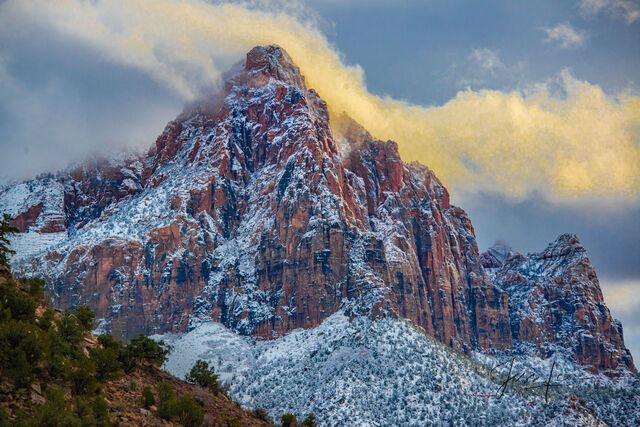
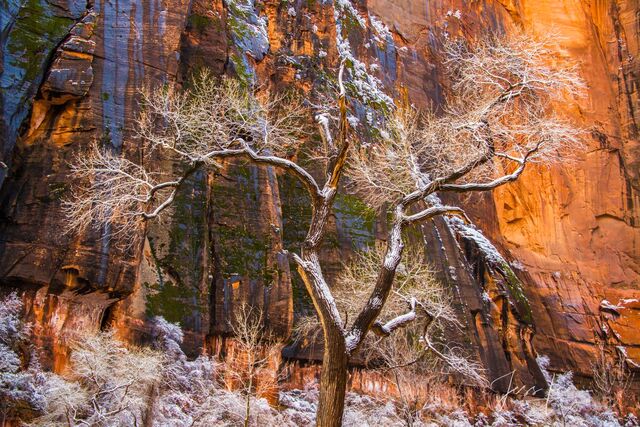
| Zion | Utah | Famous for massive sandstone cliffs ranging in color from cream to red, deep slot canyons (The Narrows), and unique hanging gardens. | https://www.nps.gov/zion/ |
Acadia National Park (Maine)
The crown jewel of the North Atlantic coast features rugged shorelines, towering granite cliffs, and dense woodlands. Home to Cadillac Mountain, the first place to see sunrise in the United States during certain times of the year.
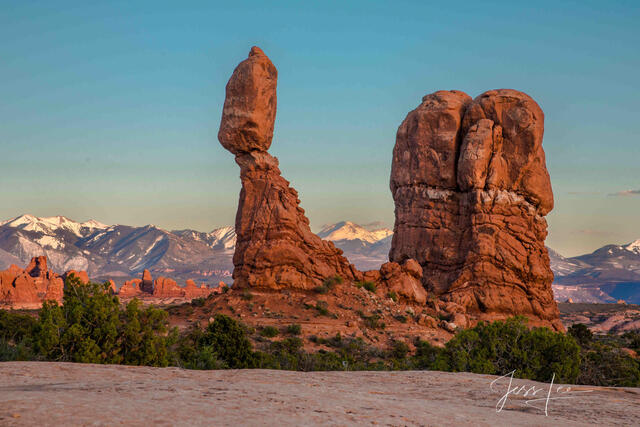
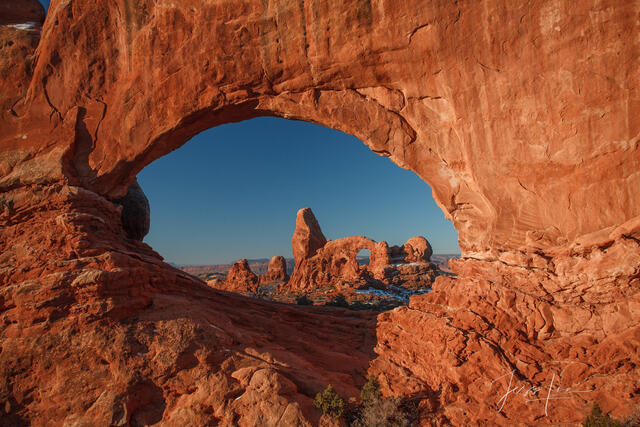
Arches National Park (Utah)
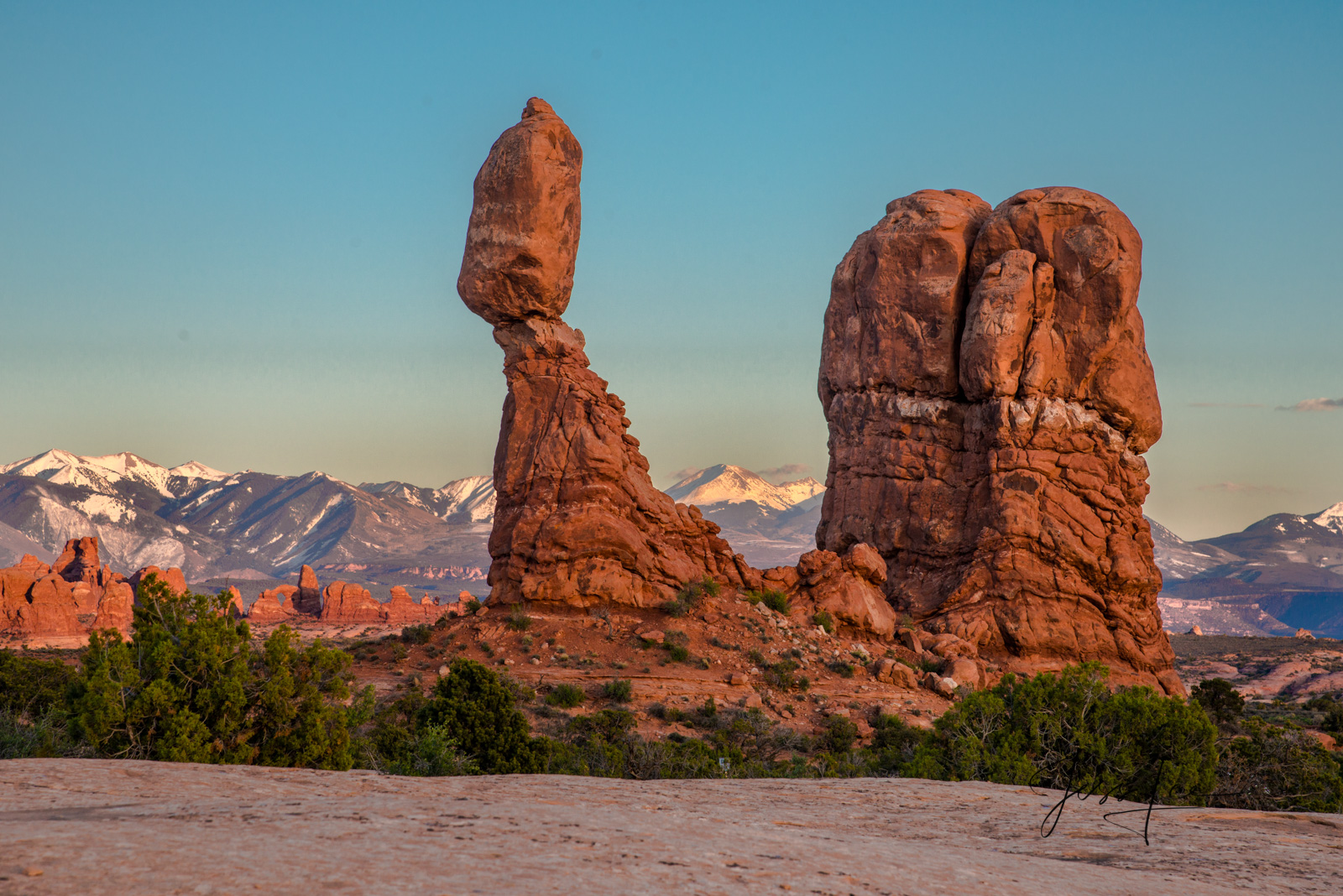
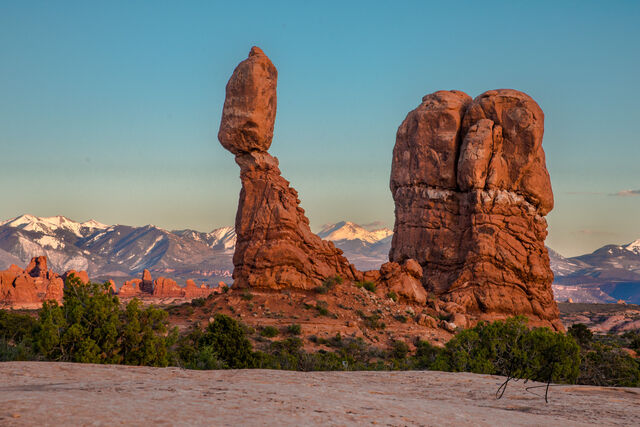
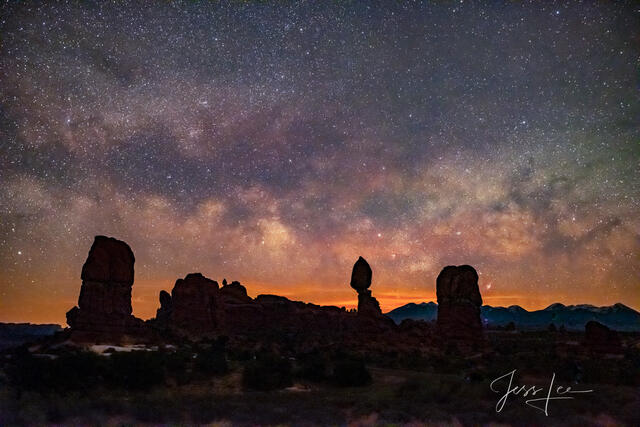
Arches Balance Rock
A red rock wonderland containing over 2,000 natural stone arches, including the iconic Delicate Arch. Features soaring pinnacles, massive fins, and giant balanced rocks created through millions of years of erosion.
Badlands National Park (South Dakota)
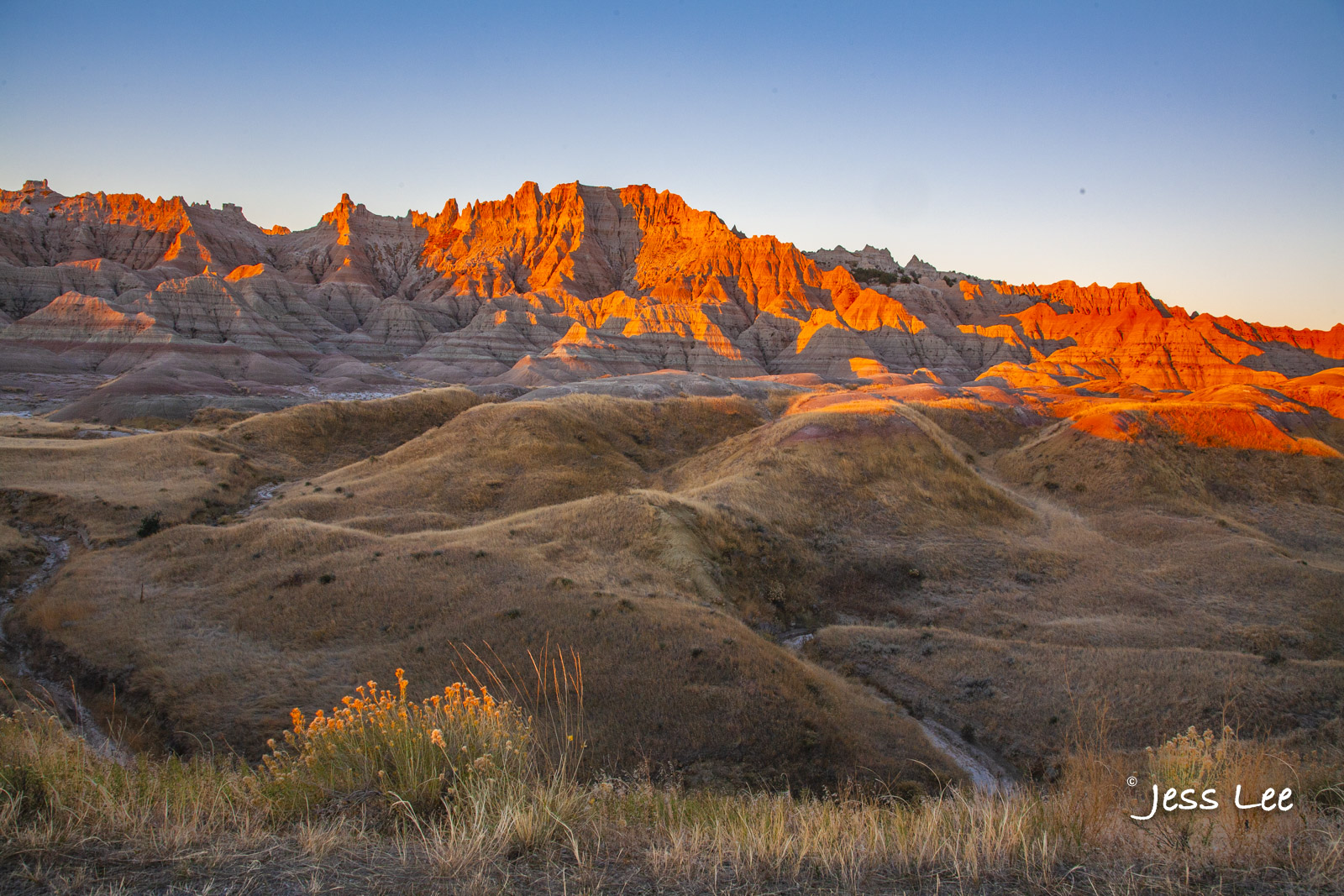
A striking landscape of colorful buttes, spires, and mixed-grass prairies. Contains one of the world's richest fossil beds from the Oligocene epoch, preserving ancient rhinos, horses, and saber-toothed cats.
Big Bend National Park (Texas)
Where the Rio Grande makes a dramatic bend along the Texas-Mexico border. Encompasses the entire Chisos mountain range and large swaths of the Chihuahuan Desert, offering some of the darkest night skies in the continental U.S.
Bryce Canyon National Park (Utah)
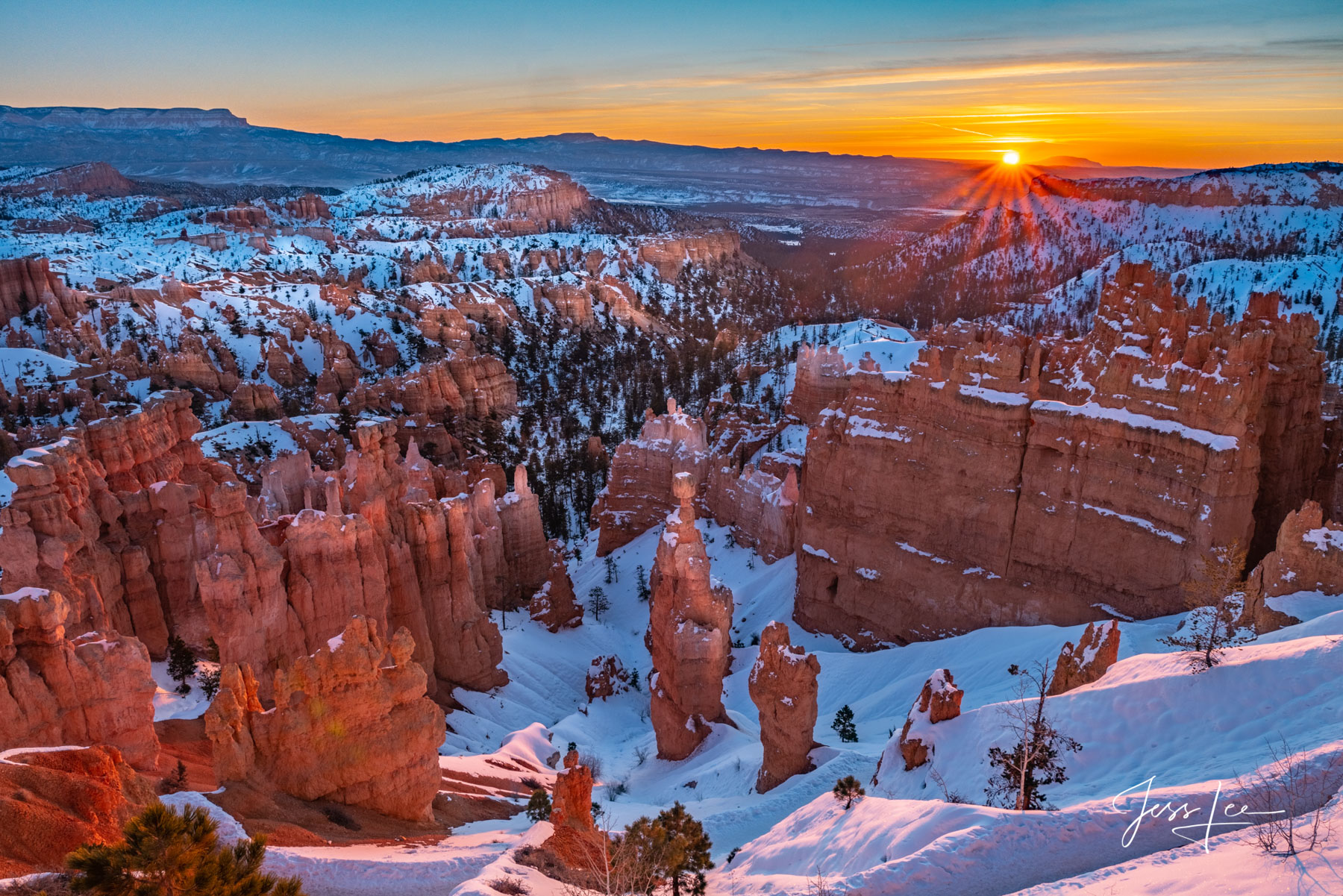
Famous for its unique geology of red rock spires called "hoodoos." The amphitheater-like canyon displays a stunning array of colors at sunrise and sunset, with hiking trails winding through the otherworldly formations.
Canyonlands National Park (Utah)
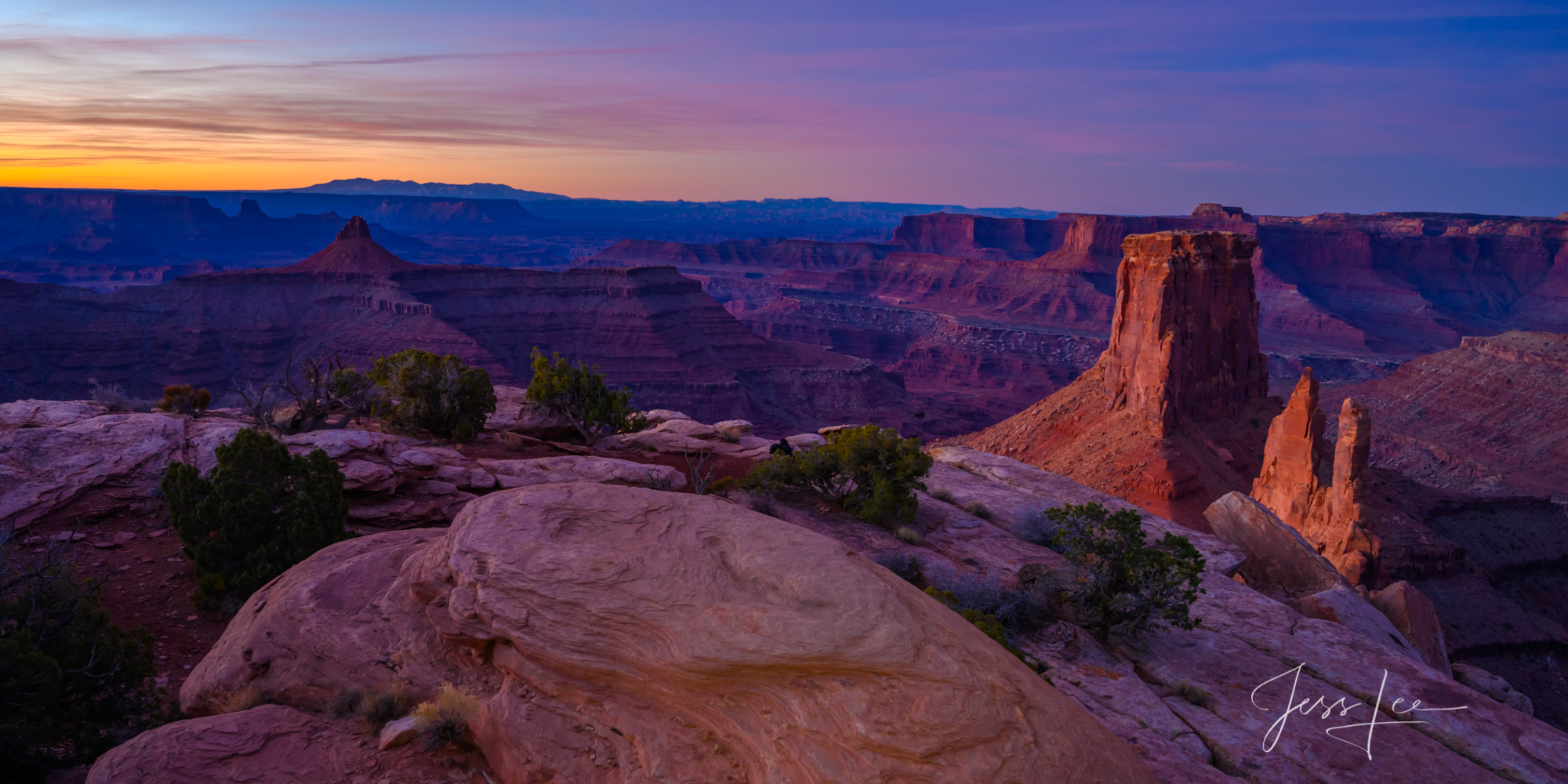
Limited Edition of 50 Exclusive high-resolution Museum Quality Fine Art Prints of Sun Rise over Canyonlands in Red Rocks Country. Photos Copyright © Jess Lee
A vast wilderness of canyons and buttes carved by the Colorado and Green rivers. Divided into four districts: Island in the Sky, The Needles, The Maze, and the rivers themselves, each offering distinct experiences.
Capitol Reef National Park (Utah)
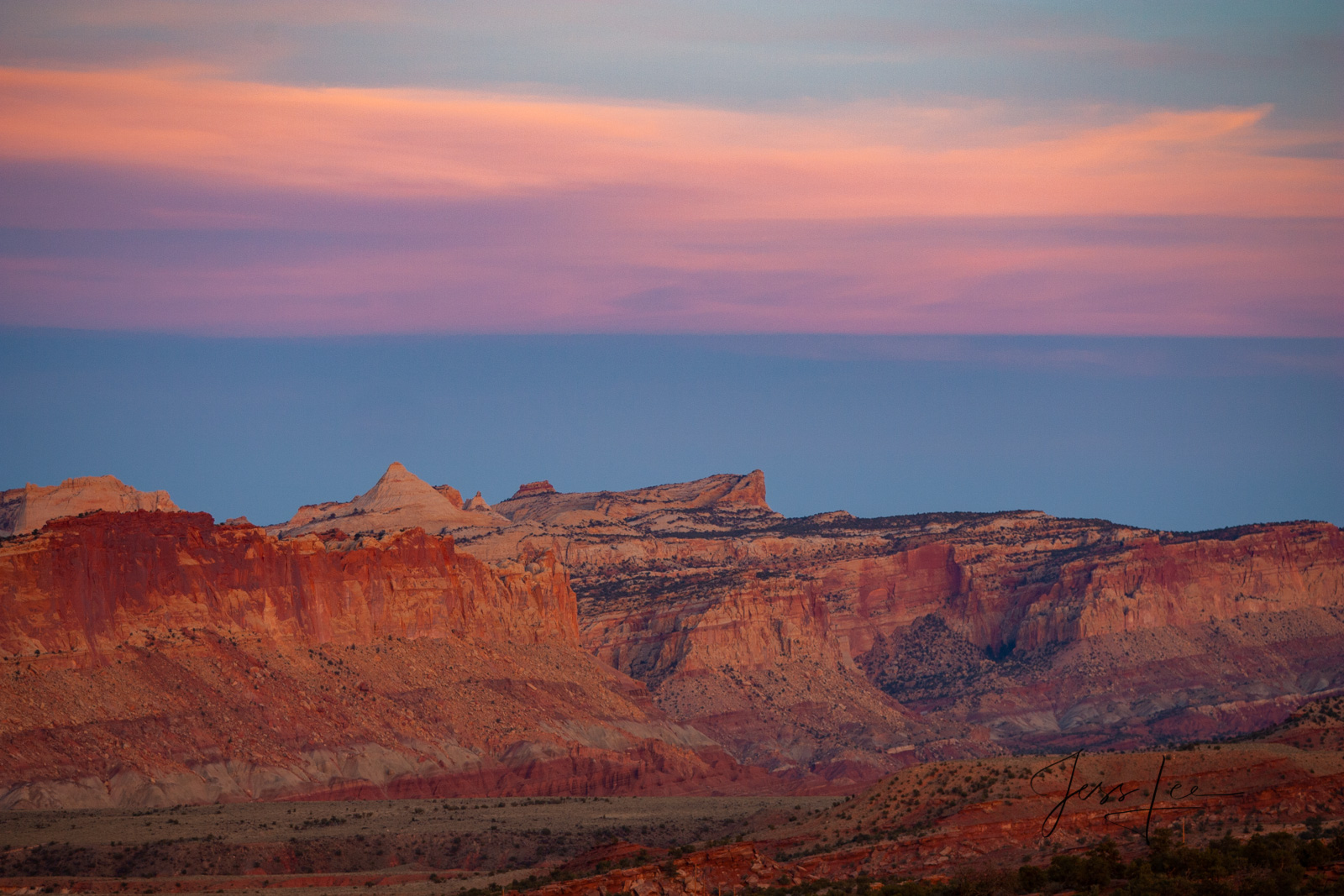
Named for the white domes of Navajo Sandstone resembling capitol buildings. Features the Waterpocket Fold, a 100-mile wrinkle in Earth's crust, along with petroglyphs, pioneer history, and stunning desert vistas.
Carlsbad Caverns National Park (New Mexico)
A network of over 119 limestone caves beneath the Chihuahuan Desert. The main cavern chamber is nearly 4,000 feet long and home to thousands of Brazilian free-tailed bats.
Channel Islands National Park (California)
Known as North America's Galápagos, comprising five islands off the California coast. Home to unique species found nowhere else on Earth, with opportunities for hiking, kayaking, and whale watching.
Congaree National Park (South Carolina)
Protects the largest intact expanse of old-growth bottomland hardwood forest in North America. Features a remarkable floodplain ecosystem with some of the tallest trees in the eastern United States.
Crater Lake National Park (Oregon)
America's deepest lake formed in a collapsed volcano caldera. Known for its pristine blue waters, surrounded by cliffs almost 2,000 feet high, with Wizard Island rising from the lake.
Cuyahoga Valley National Park (Ohio)
A restored watershed between Cleveland and Akron, featuring waterfalls, forest trails, and the historic Ohio & Erie Canal Towpath. A unique blend of natural and cultural history in an urban setting.
Death Valley National Park (California/Nevada)
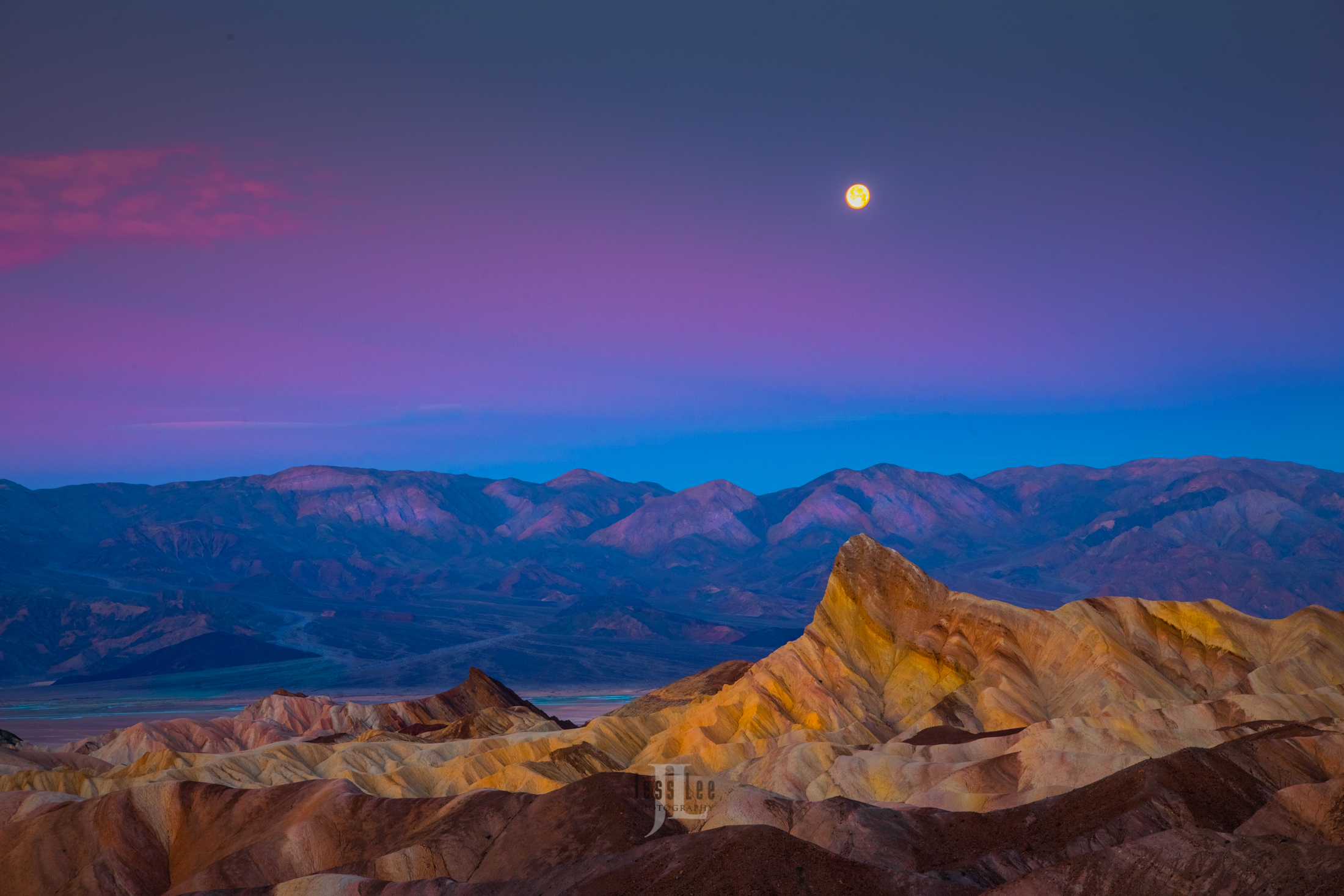
Limited Edition of 50 Exclusive high-resolution Museum Quality Fine Art Prints of a Alpen Glow Moon Photos Copyright © Jess Lee
North America's lowest, driest, and hottest location. Features colorful badlands, salt flats, sand dunes, mountains, and rare desert wildlife adapted to extreme conditions.
Denali National Park (Alaska)
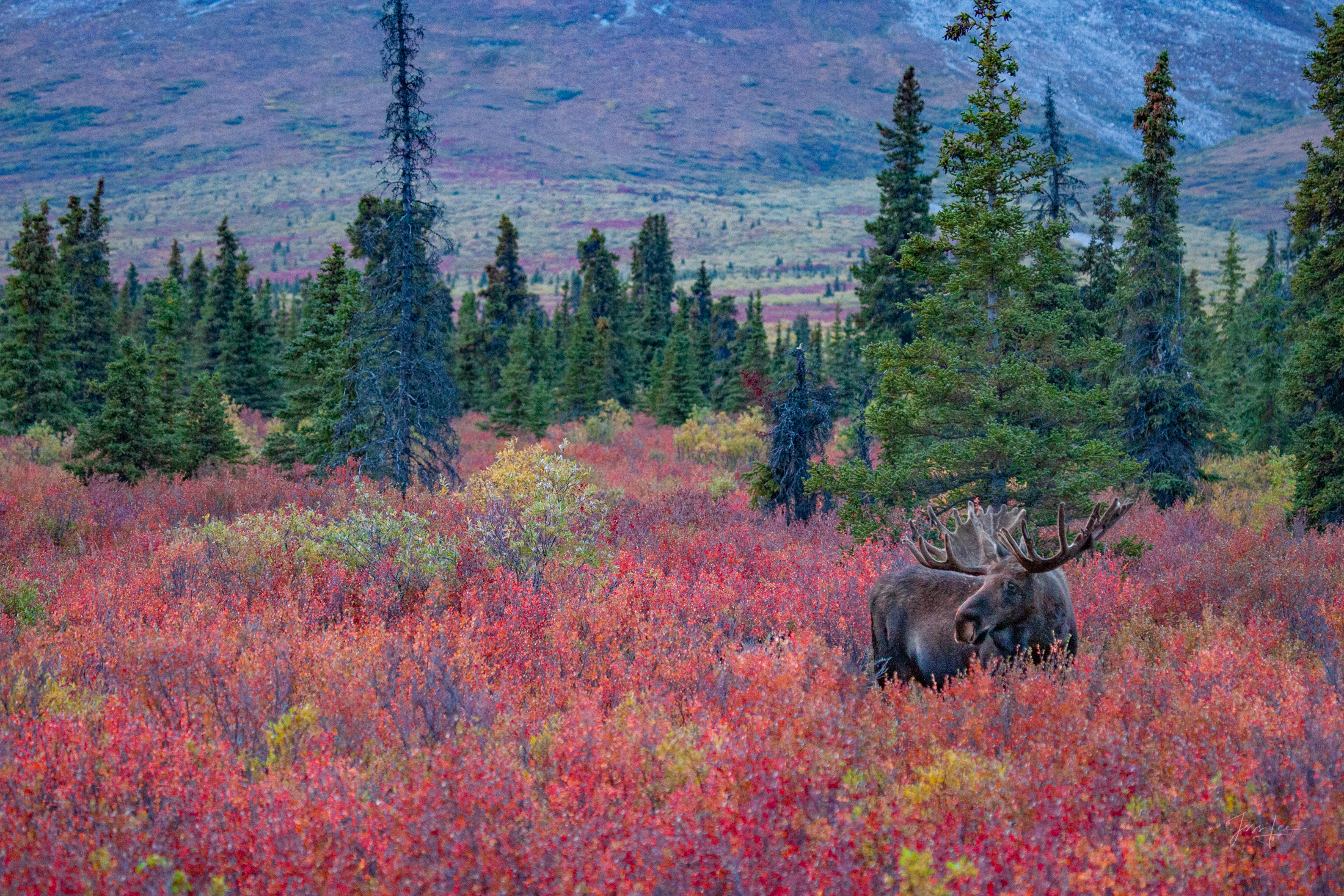
Home to North America's highest peak and diverse wildlife including grizzlies, wolves, and moose. Encompasses six million acres of wild land with glacial valleys, tundra, and taiga forest.
Everglades National Park (Florida)
The largest tropical wilderness in the United States, protecting a unique ecosystem of mangroves, sawgrass marshes, and hardwood hammocks. Essential habitat for endangered species like manatees and Florida panthers.
Gateway Arch National Park (Missouri)
Commemorates St. Louis' role in westward expansion, featuring the iconic 630-foot stainless steel Gateway Arch designed by Eero Saarinen.
Glacier National Park (Montana)
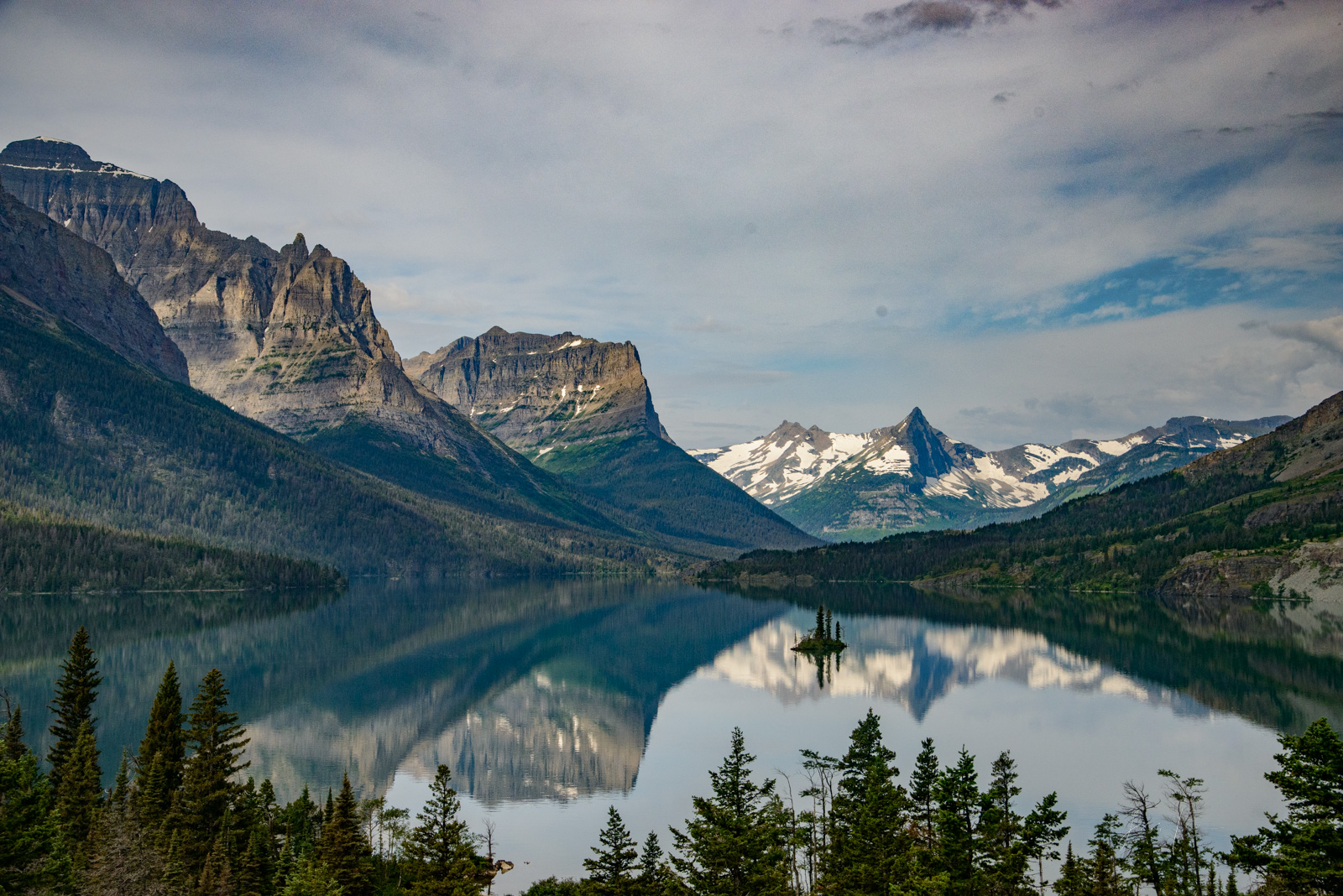
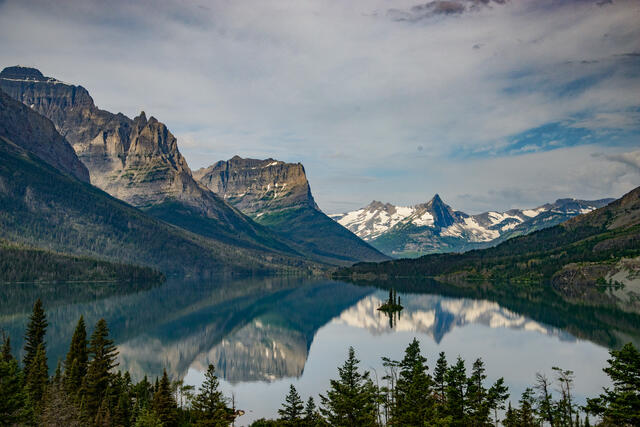
Goose Island Reflection a picture of Glacier National Park.
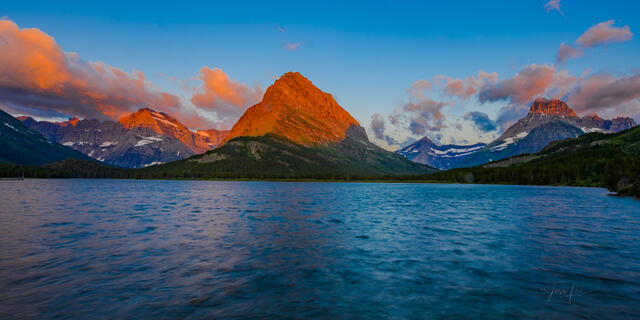
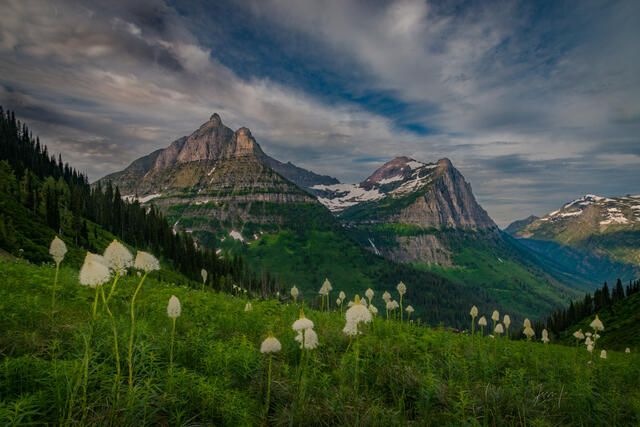
Known as the "Crown of the Continent," featuring pristine forests, alpine meadows, rugged mountains, and spectacular lakes. Home to over 700 miles of hiking trails and remnant glaciers.
Grand Canyon National Park (Arizona)
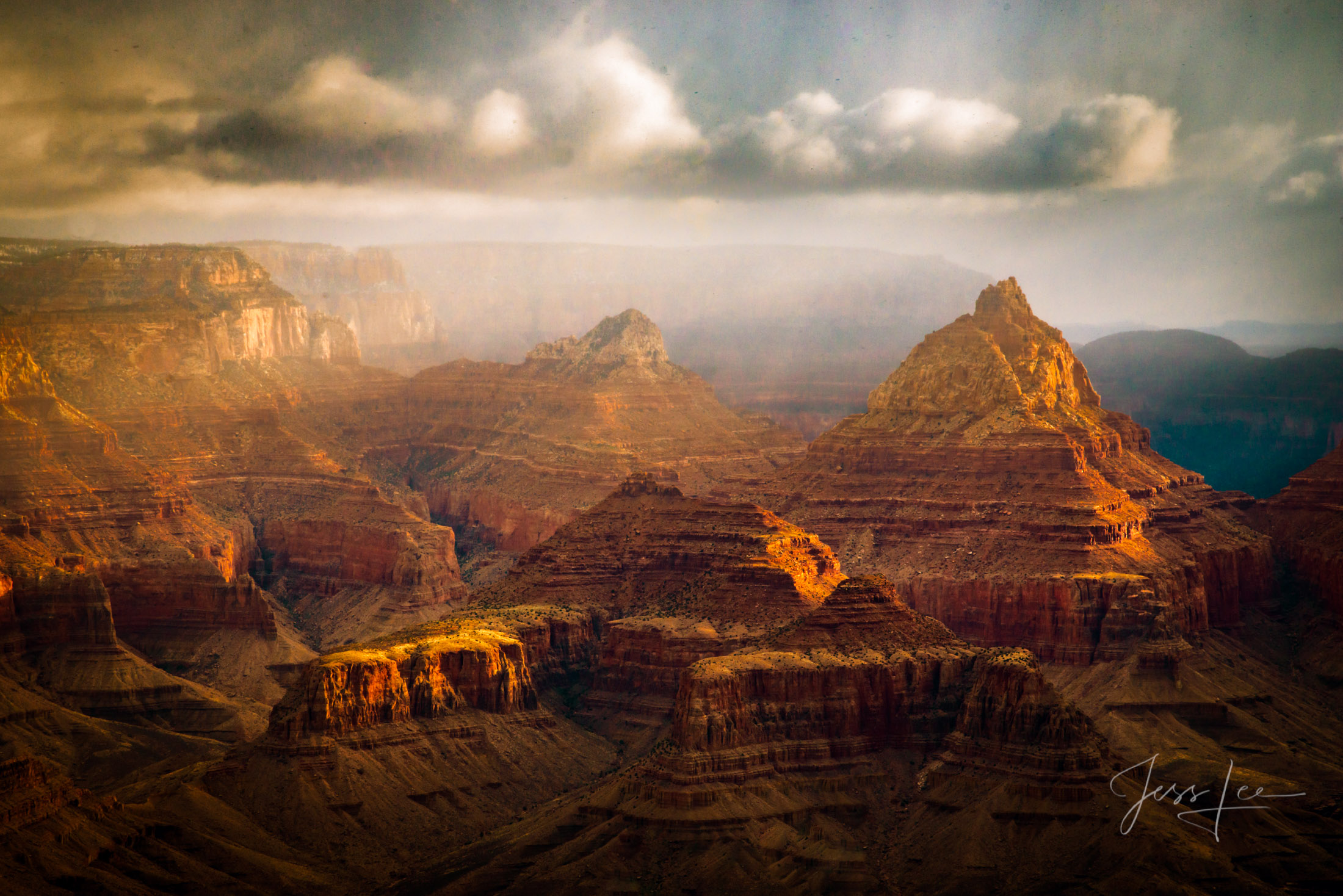
Fine Art Limited Edition Photography of Grand Canyon Landscape Photos.
To see more Arizona Photos, check here
One of the world's most spectacular examples of erosion, stretching 277 river miles and up to 18 miles wide. Reveals millions of years of geological history in its colorful rock layers.
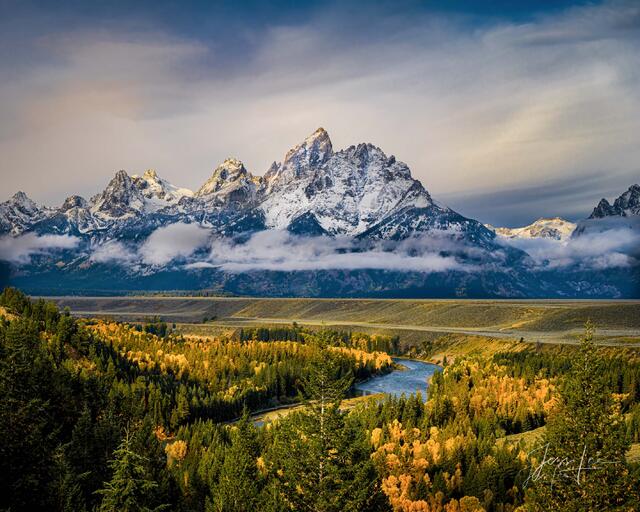
Grand Teton National Park (Wyoming)
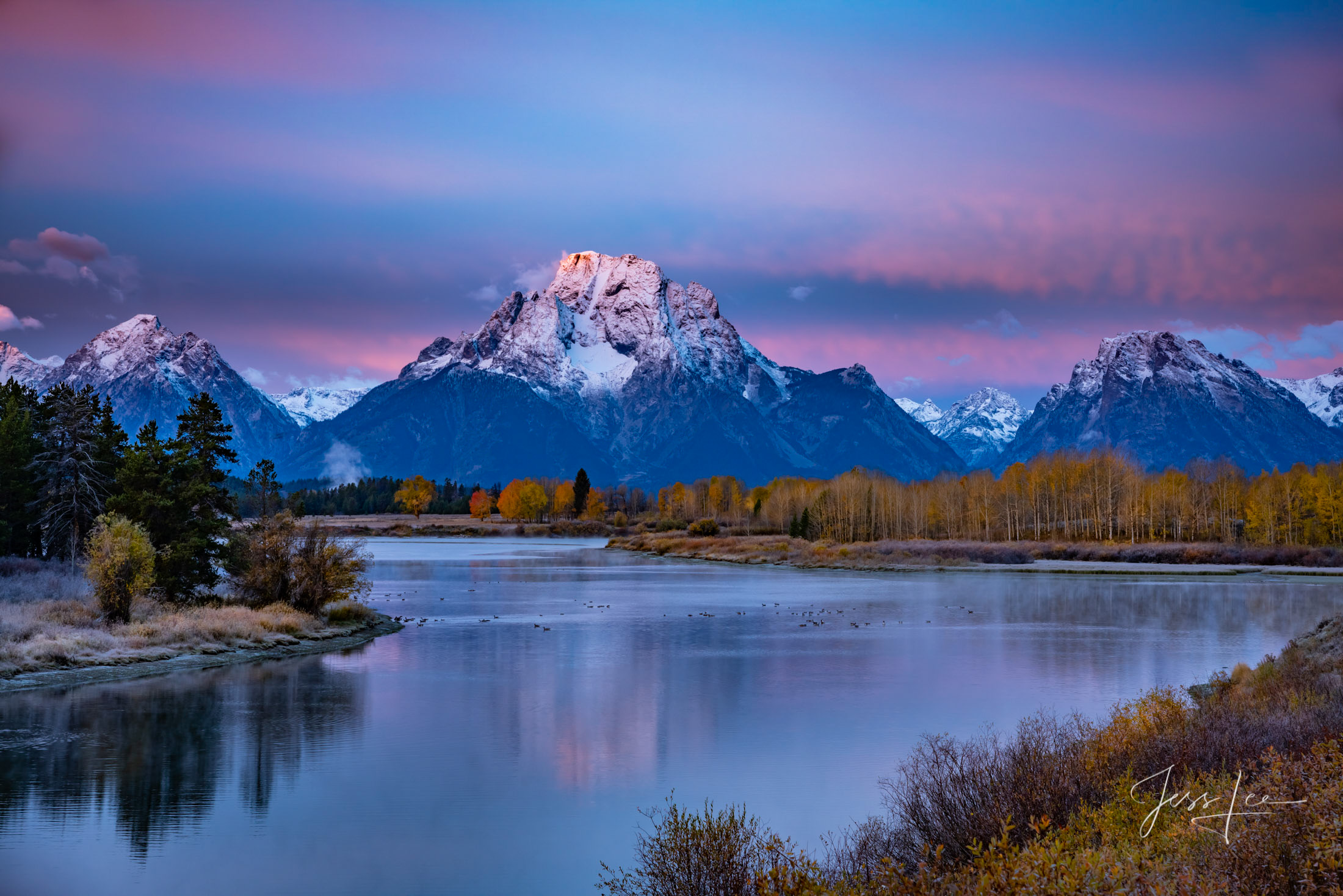
Features the majestic Teton Range rising abruptly from the valley floor. Known for pristine lakes, abundant wildlife, and over 200 miles of hiking trails.
Great Basin National Park (Nevada)
Home to ancient bristlecone pines, abundant wildlife, and Lehman Caves. Offers some of the darkest night skies in the lower 48 states.
Great Sand Dunes National Park (Colorado)
North America's tallest sand dunes, rising over 750 feet against the backdrop of the Sangre de Cristo Mountains. Features a unique high-altitude desert ecosystem.
Great Smoky Mountains National Park (Tennessee/North Carolina)
America's most visited national park, known for diverse plant and animal life, historic buildings, and scenic drives. Features over 800 miles of hiking trails through ancient forests.
Guadalupe Mountains National Park (Texas)
Contains the world's most extensive Permian fossil reef and Texas' four highest peaks. Offers diverse ecosystems from desert to high-country conifer forests.
Hawaii Volcanoes National Park (Hawaii)
Showcases two active volcanoes: Kilauea and Mauna Loa. Features dramatic volcanic landscapes, rainforests, and unique wildlife.
Hot Springs National Park (Arkansas)
America's first federal reserve, protecting natural hot springs. Features historic bathhouses and hiking trails through the Ouachita Mountains.
Indiana Dunes National Park (Indiana)
Preserves 15 miles of Lake Michigan shoreline with massive sand dunes, wetlands, and forests. Offers unique biodiversity with over 1,100 flowering plant species.
Isle Royale National Park (Michigan)
An isolated island archipelago in Lake Superior, known for its wolf and moose populations. Offers unparalleled wilderness experience with hiking and kayaking opportunities.
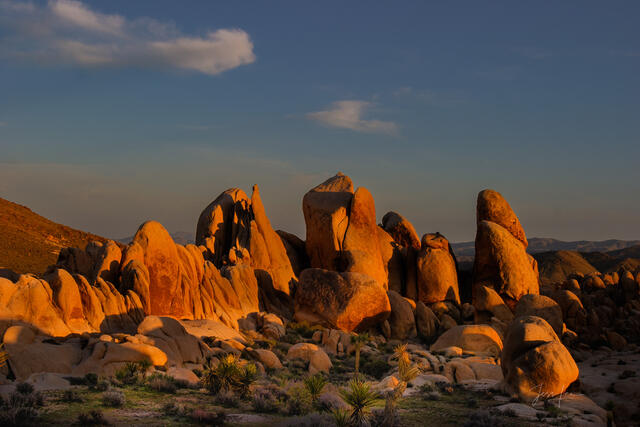
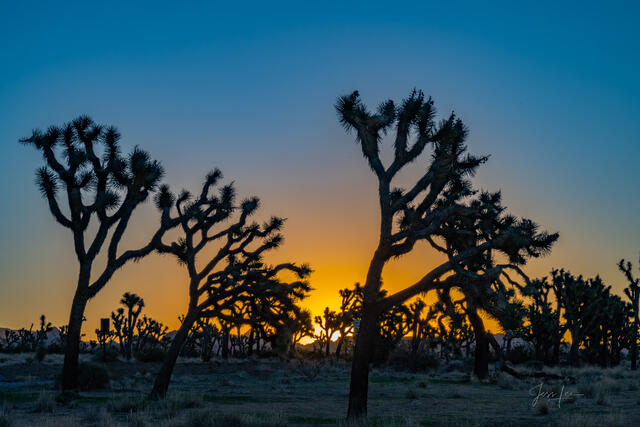
Joshua Tree National Park (California)
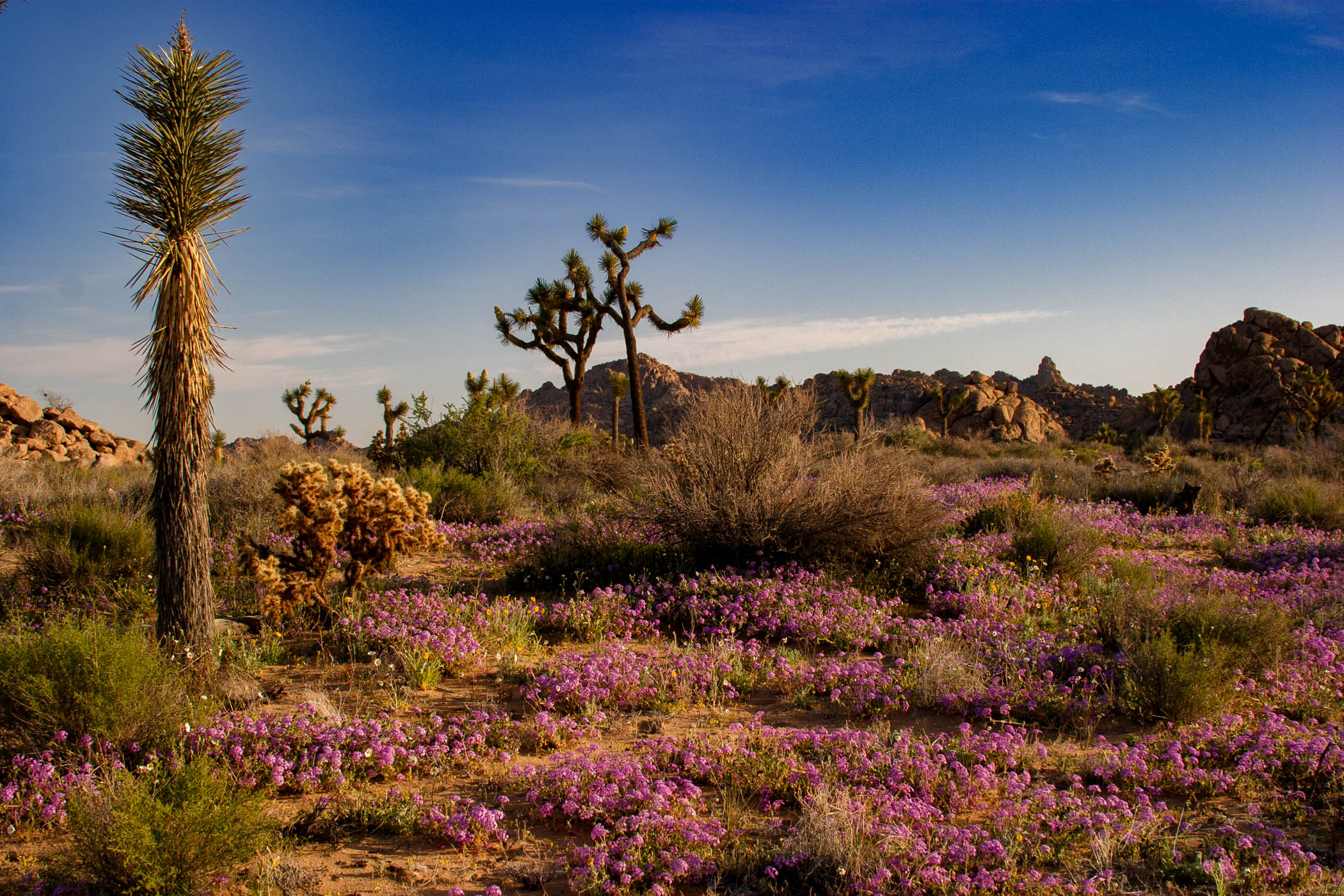
Where two distinct desert ecosystems meet, featuring unique geological features and the distinctive Joshua trees. Popular for rock climbing and stargazing.
Kenai Fjords National Park (Alaska)
Protects nearly 40 glaciers flowing from the Harding Icefield. Features dramatic coastal scenery and abundant marine wildlife.
Kings Canyon National Park (California)
Sister park to Sequoia, featuring deep canyons, towering peaks, and giant sequoia groves. Home to some of the deepest canyons in North America.
Lassen Volcanic National Park (California)
Showcases all four types of volcanoes found in the world. Features bubbling mud pots, steam vents, and pristine mountain lakes.
Mammoth Cave National Park (Kentucky)
The world's longest known cave system, with over 400 miles of surveyed passageways. Features diverse underground ecosystems and surface hiking trails.
Mesa Verde National Park (Colorado)
Protects some of the best-preserved Ancestral Puebloan archaeological sites in the United States. Features over 5,000 known archaeological sites, including 600 cliff dwellings.
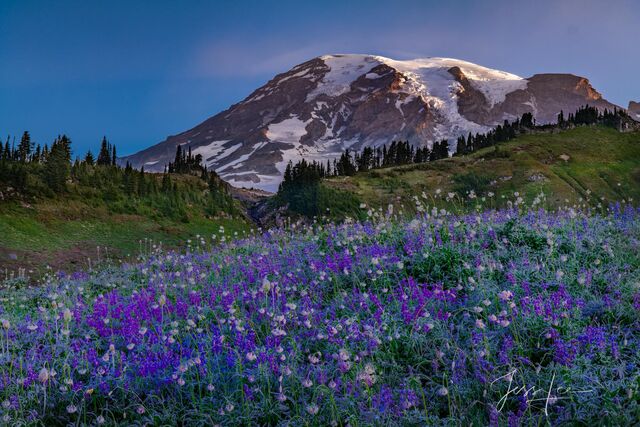
Mount Rainier National Park (Washington)
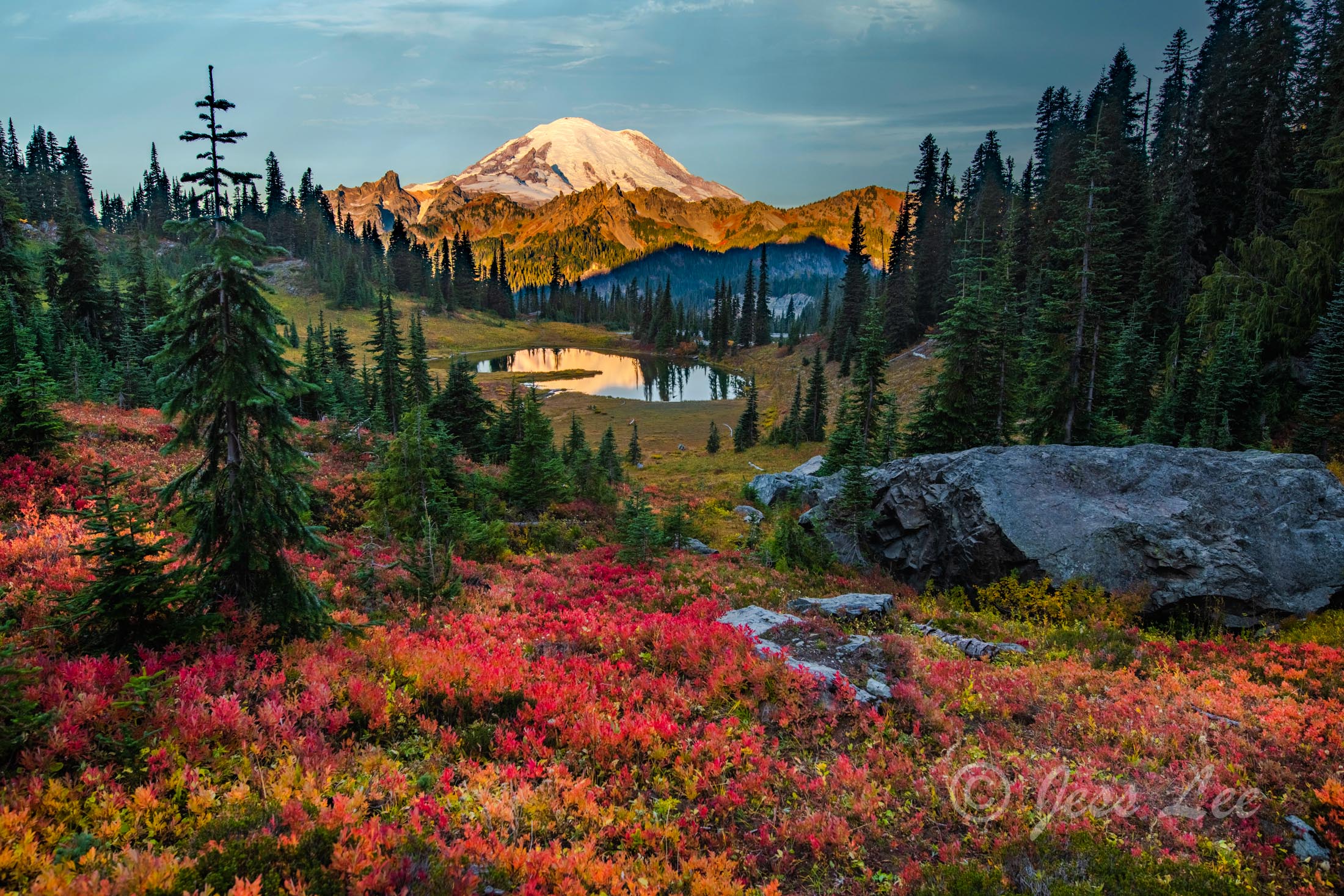
Dominated by the 14,411-foot active volcano, featuring ancient forests, subalpine meadows, and the most glaciated peak in the contiguous U.S.
New River Gorge National Park (West Virginia)
America's newest national park, protecting one of the oldest rivers in North America. Features world-class rock climbing and whitewater rafting opportunities.
North Cascades National Park (Washington)
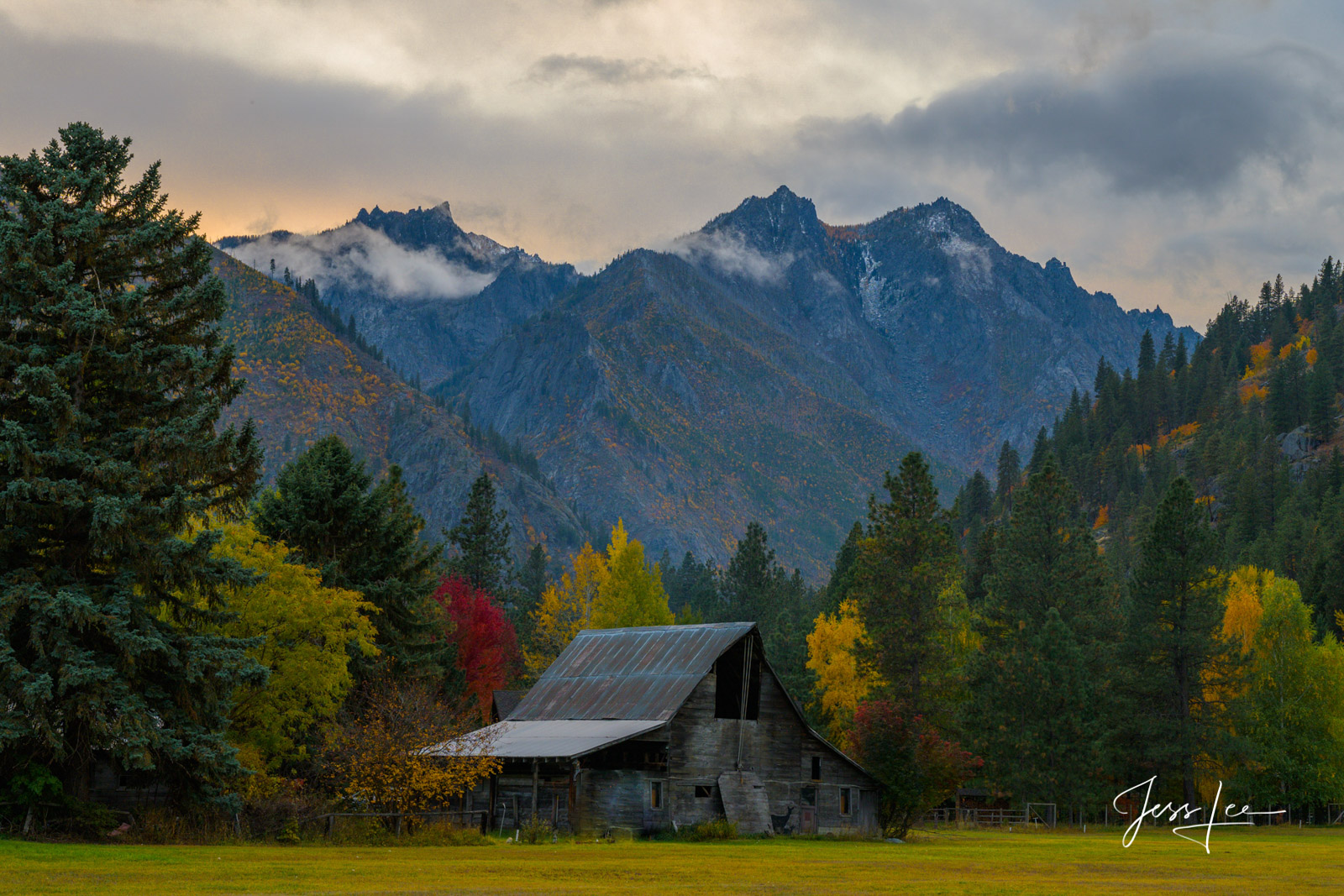
North Cascades National Park’s rugged beauty is characterized by jagged peaks, deep forested valleys, cascading waterfalls, and over 300 glaciers — more than any other U.S. park outside of Alaska.
Olympic National Park (Washington)
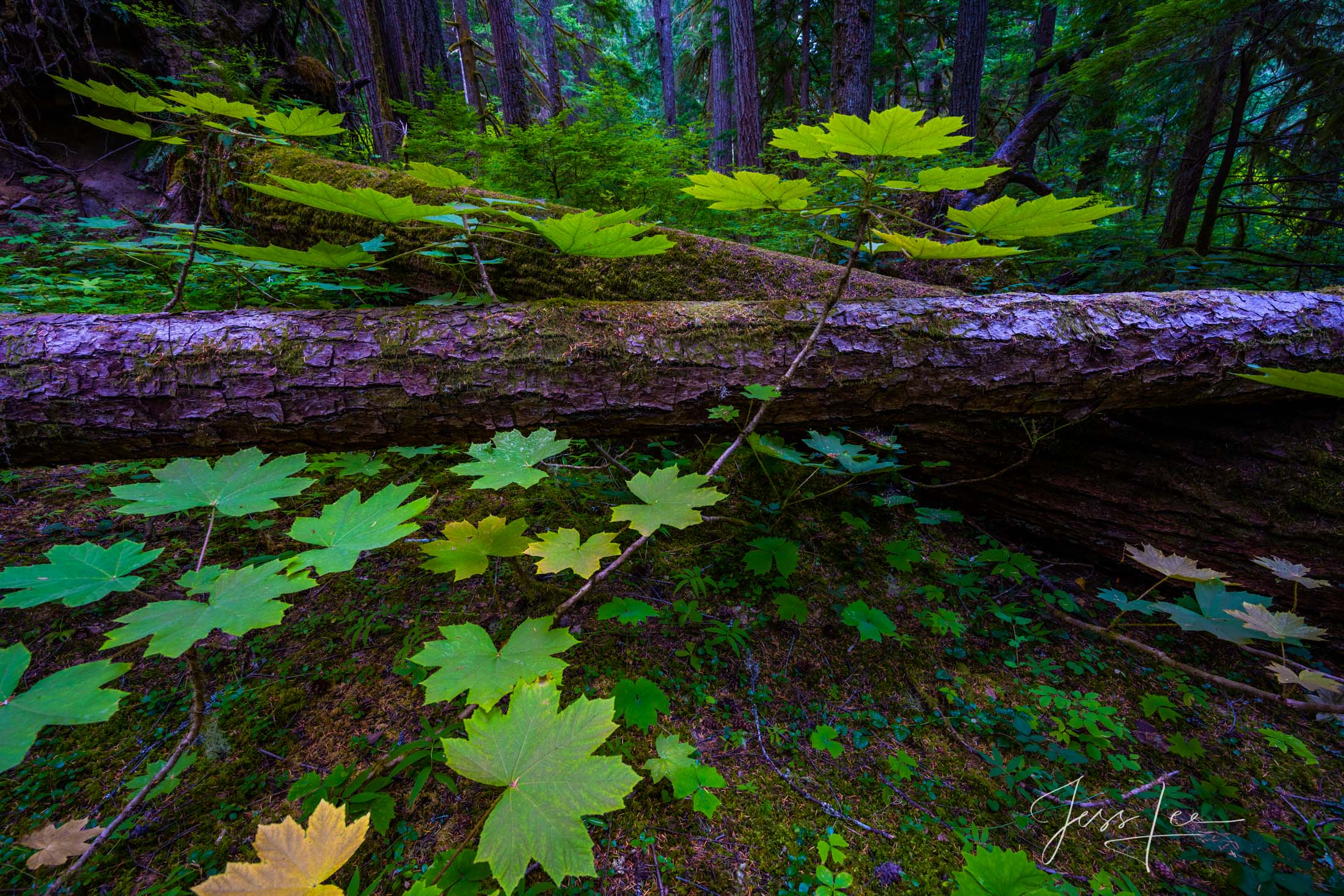
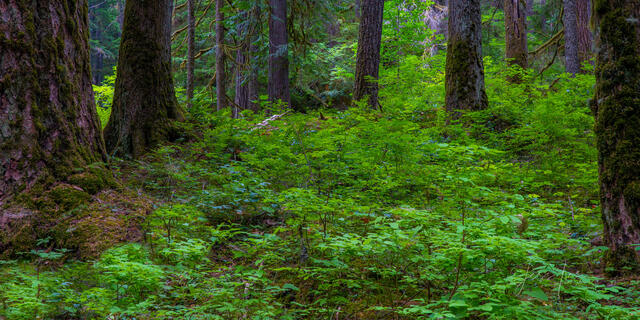
Fallen Silence a limited edition Fine Art Photographic Print of the forest on the slopes of Mt Rainer National Park.
Encompasses three distinct ecosystems: glacier-capped mountains, Pacific coast, and temperate rainforest. Home to some of the largest remaining stands of old-growth forest in the Pacific Northwest.
Petrified Forest National Park (Arizona)
Showcases one of the world's largest concentrations of petrified wood, along with colorful badlands of the Painted Desert. Features ancient petroglyphs and historic structures.
Redwood National Park (California)
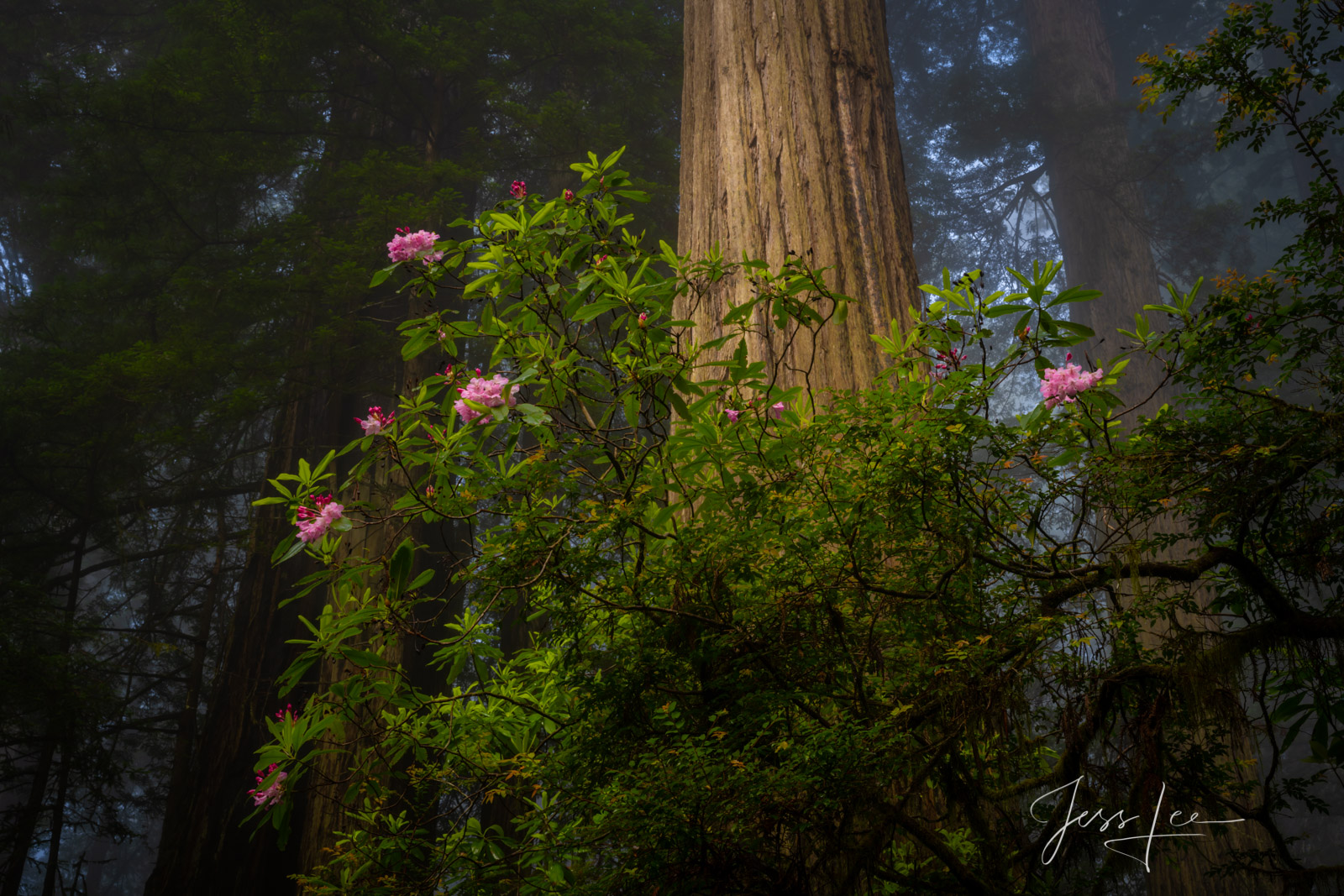
Protects nearly half of all remaining old-growth redwood forests in the world. Home to the tallest trees on Earth, with some exceeding 350 feet in height.
Rocky Mountain National Park (Colorado)
Features 60 peaks over 12,000 feet, alpine lakes, and diverse wildlife. Offers spectacular drives including Trail Ridge Road, the highest paved road in any national park.
Saguaro National Park (Arizona)

To see more Arizona Photos check here
Protects the nation's largest cacti species in their native environment. Features two districts flanking Tucson, showcasing the Sonoran Desert ecosystem.
Sequoia National Park (California)

Guardian Sequoia Trees
Home to Giant Forest, which includes five of the ten largest trees in the world. Features Mount Whitney, the highest peak in the contiguous United States.
Shenandoah National Park (Virginia)
Stretches along the Blue Ridge Mountains, featuring the scenic Skyline Drive. Known for spectacular fall colors and over 500 miles of hiking trails.
Theodore Roosevelt National Park (North Dakota)
Preserves badlands landscape and sites associated with Roosevelt's ranching days. Features colorful buttes, wildlife, and Theodore Roosevelt's Maltese Cross Cabin.
Voyageurs National Park (Minnesota)
A network of interconnected waterways, popular for houseboating and kayaking. Features exposed rock ridges, cliffs, and wetlands created by continental glaciation.
White Sands National Park ( New Mexico)
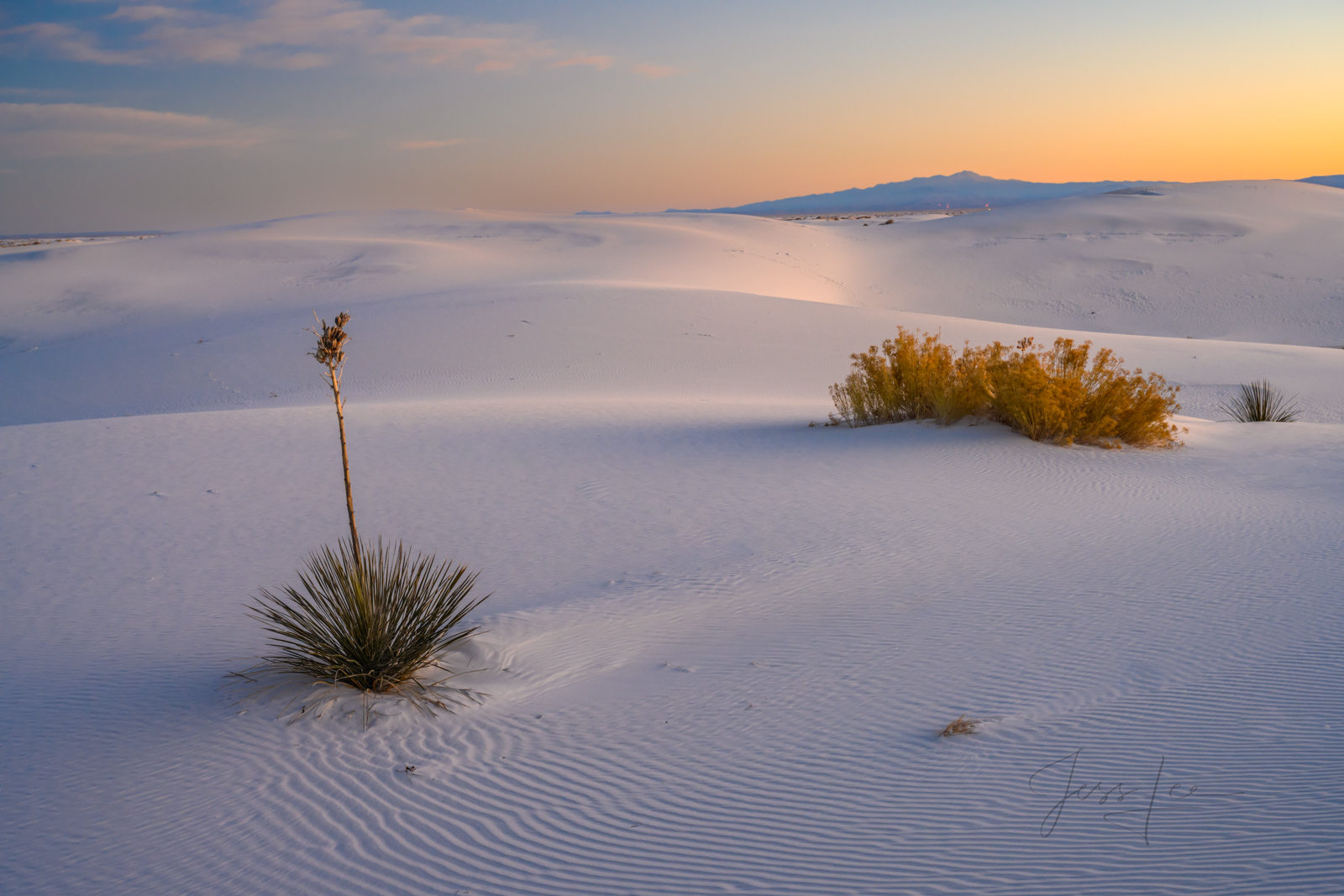
Here, great wave-like dunes of gypsum sand have engulfed 275 square miles of desert and preserves a piece of New Mexico's unique geology.
Wind Cave National Park (South Dakota)
One of the longest and most complex cave systems in the world. Features unique boxwork formations and mixed-grass prairie ecosystem above ground.
Yellowstone National Park (Wyoming/Montana/Idaho)
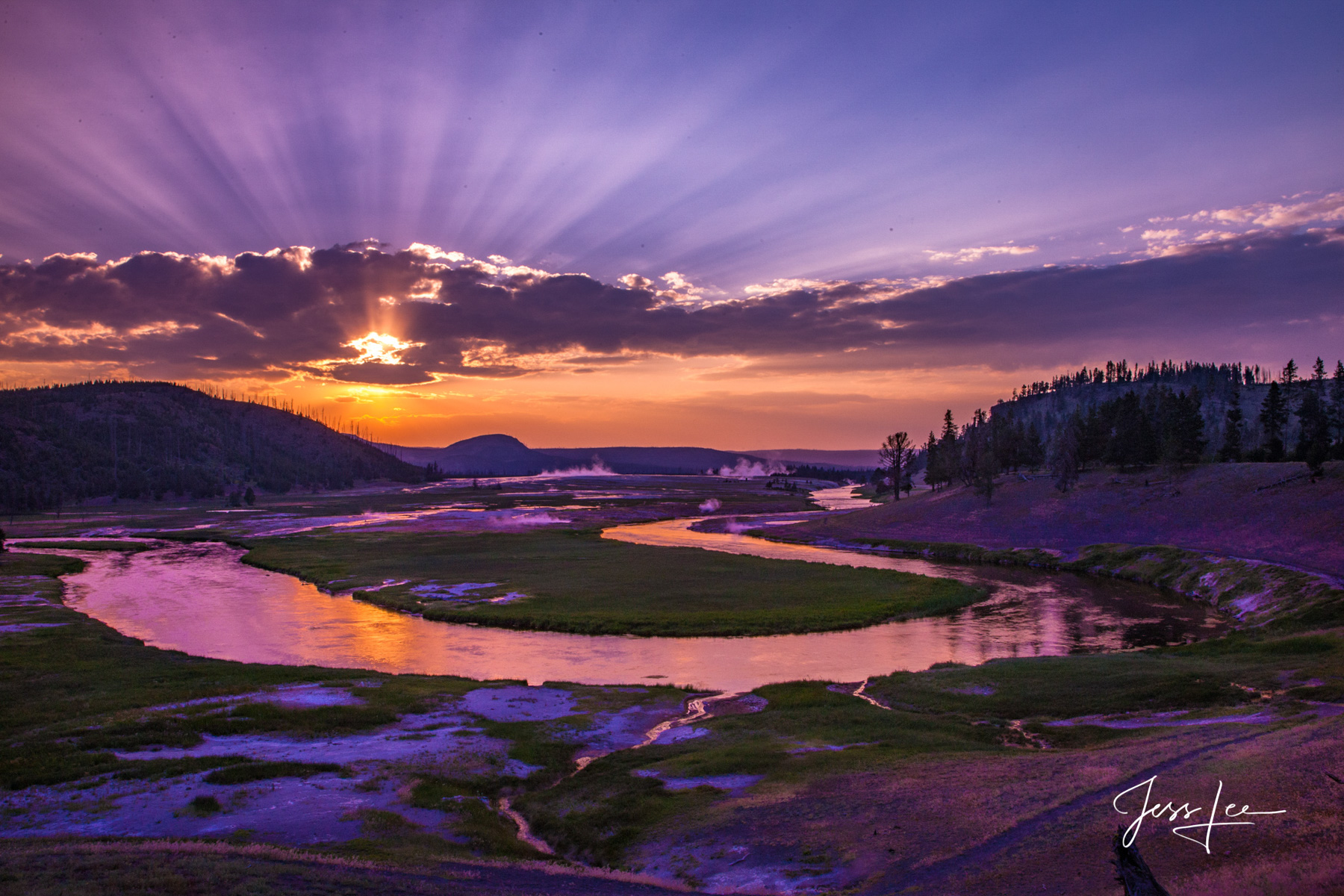
The world's first national park, featuring half of Earth's geothermal features. Home to diverse wildlife and iconic sites like Old Faithful geyser.
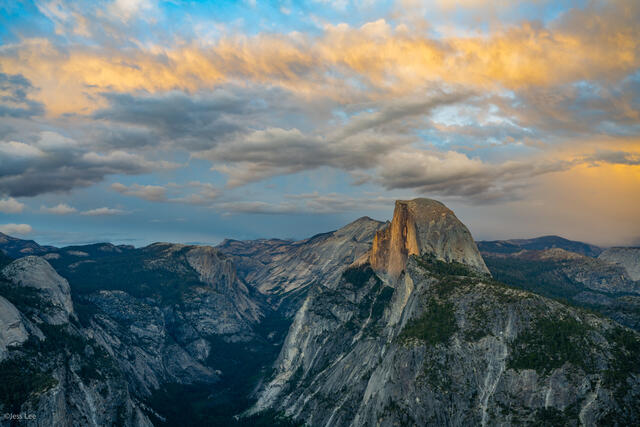
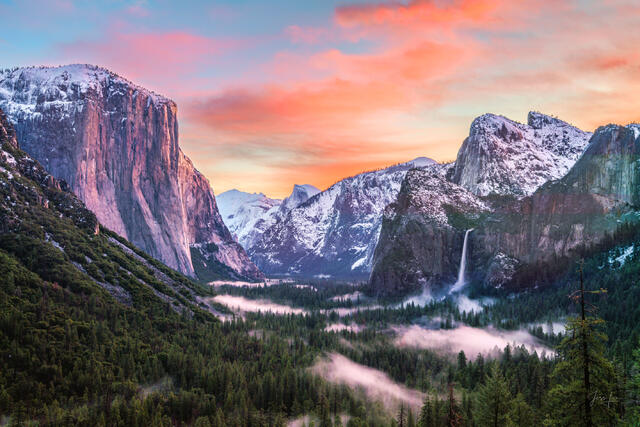
Yosemite National Park (California)
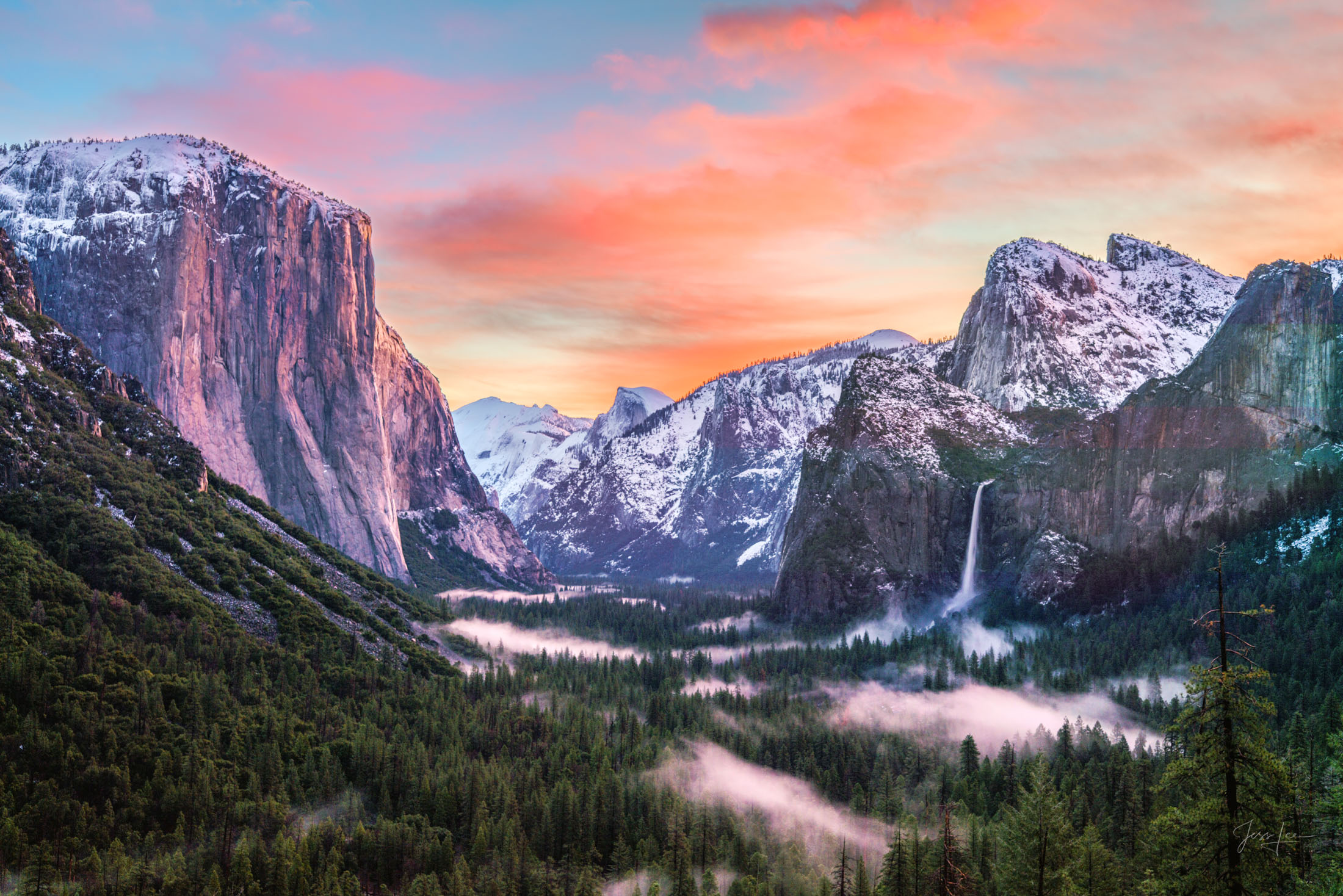
Known for its granite cliffs, waterfalls, clear streams, and giant sequoia groves. Features iconic locations like Half Dome and El Capitan.
Zion National Park (Utah)
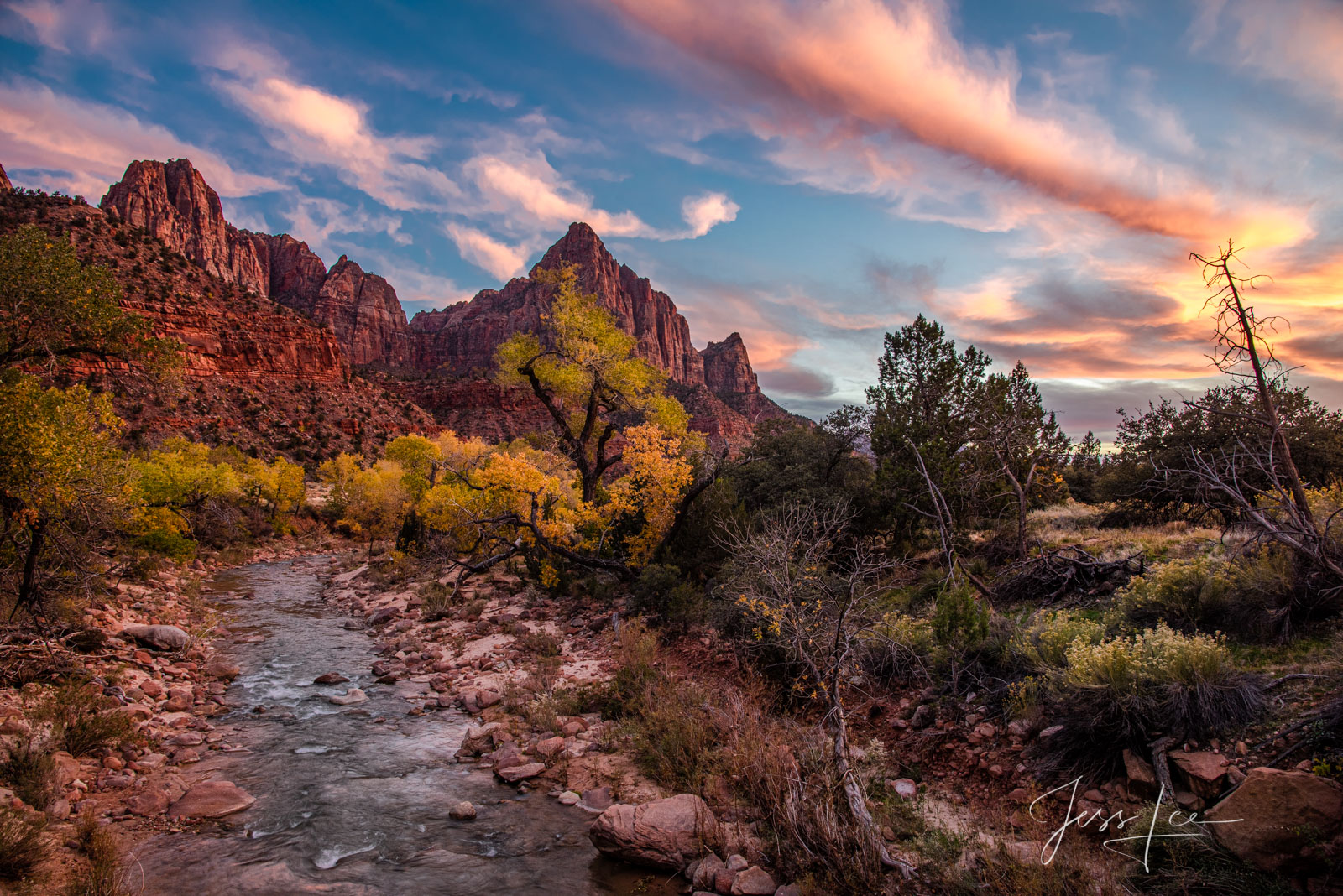
Known for massive sandstone cliffs of cream, pink, and red. Features spectacular canyons, unique flora and fauna, and emerald pools.