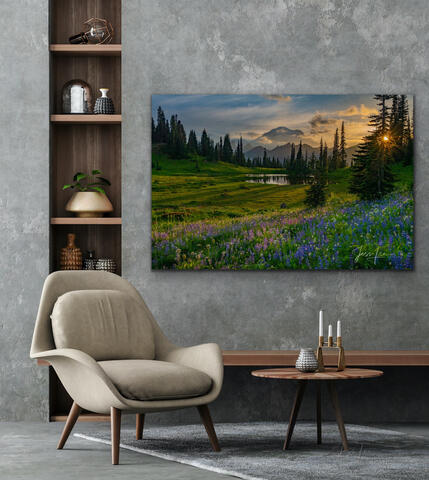
MOUNT RAINIER NATIONAL PARK PHOTOS: CAPTURING THE MAJESTY OF THE PACIFIC NORTHWEST
Mount Rainier National Park, dominated by the iconic stratovolcano that gives it its name, offers photographers a stunning canvas of alpine meadows, ancient forests, and glacial landscapes. From the towering peak of Mount Rainier to the vibrant wildflower meadows that surround it, this park provides endless opportunities for both amateur enthusiasts and professional photographers to create breathtaking images and fine art prints. In this comprehensive guide, we'll explore the best locations, techniques, and tips for photographing the awe-inspiring beauty of Mount Rainier National Park.
ICONIC MOUNT RAINIER PICTURES: THE MOUNTAIN AND ITS SURROUNDINGS
Mount Rainier's most recognizable feature - the massive glacier-covered volcano itself - is the primary draw for photographers visiting the park. This awe-inspiring natural wonder offers a diverse array of compositions and moods to capture through the lens.
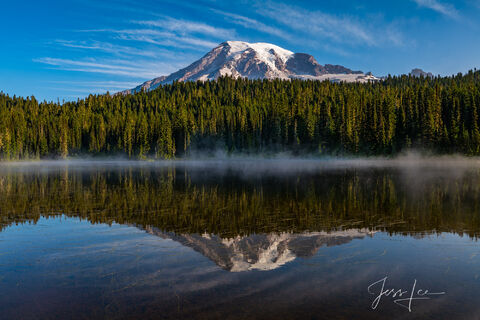
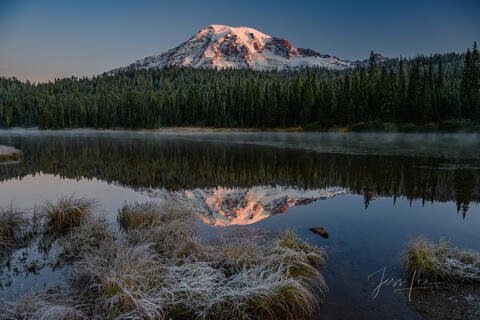
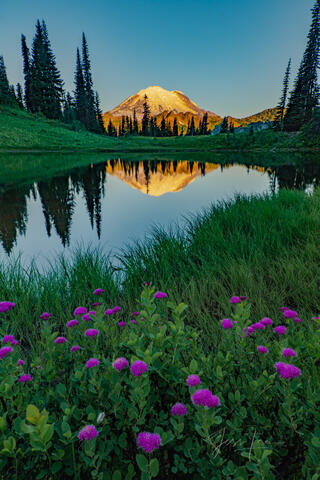
Reflection Lakes provides one of the most classic views of Mount Rainier, with the mountain perfectly mirrored in the still waters of the lake. This location is particularly stunning during sunrise when the first light of day paints the mountain's snow-covered slopes in warm alpenglow. A wide-angle lens is essential to capture both the mountain and its reflection, while a telephoto lens can help isolate interesting details on the mountain's face.
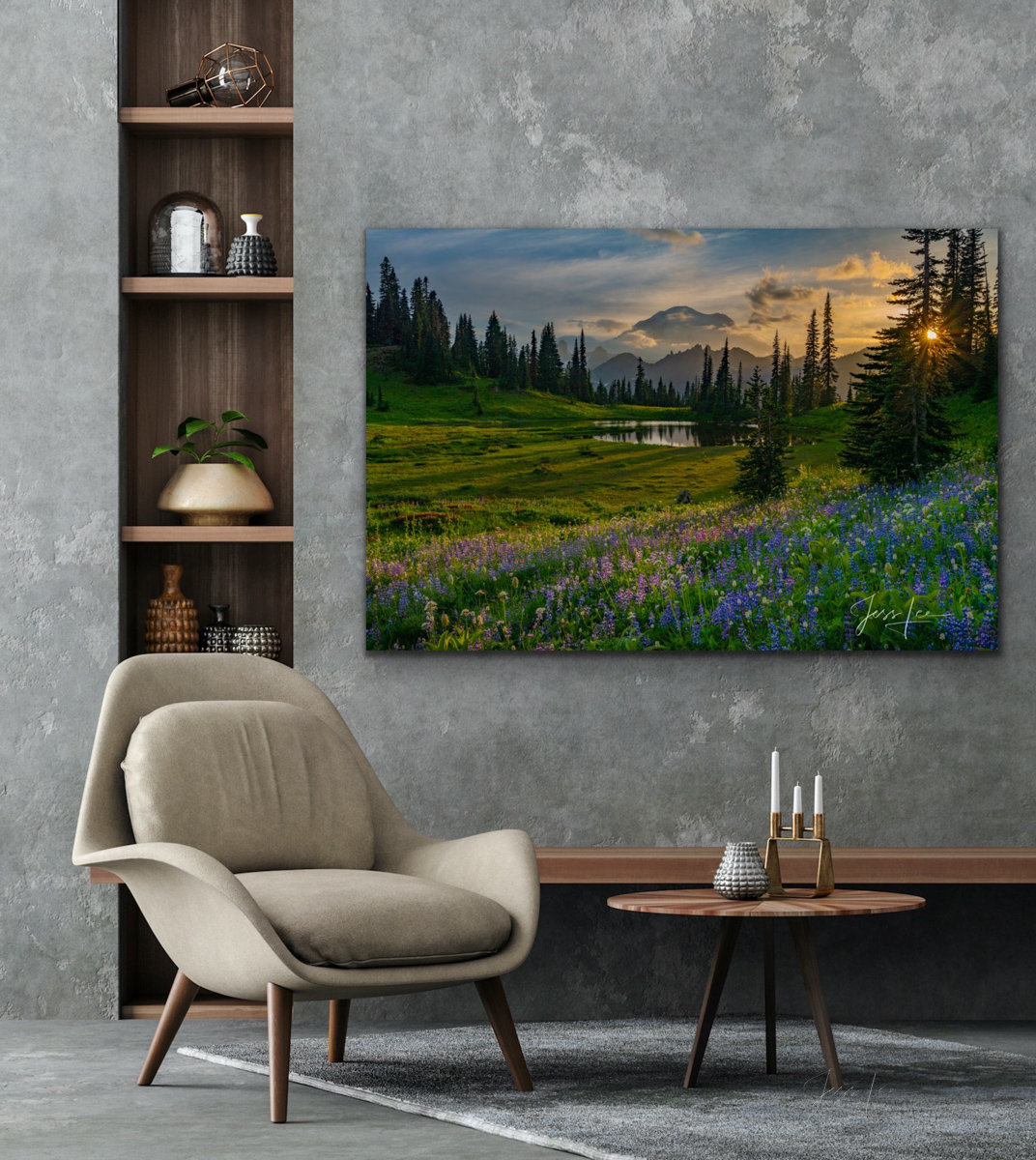
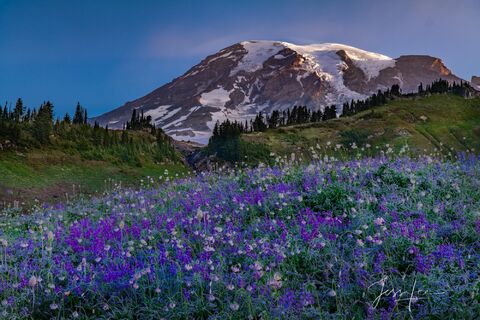
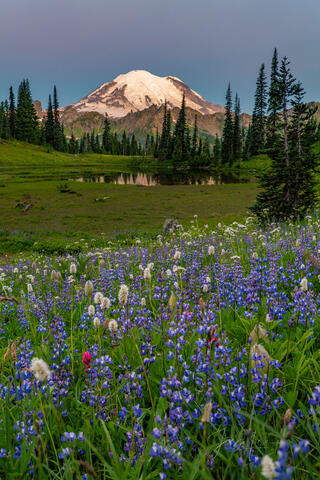
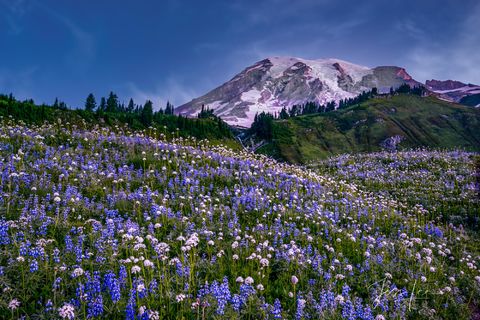
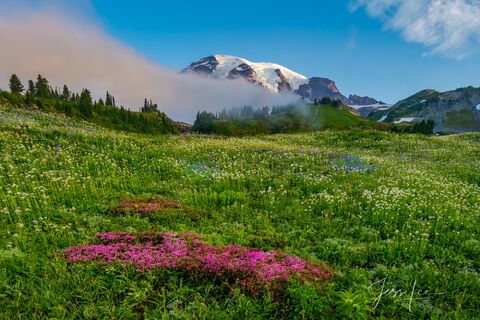
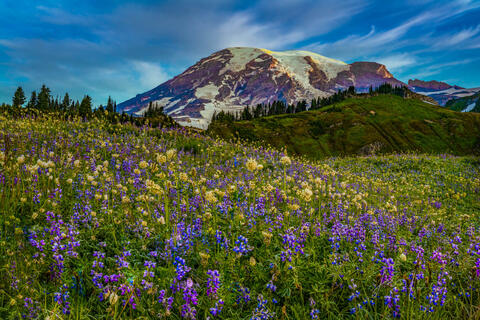
Paradise, known for its spectacular wildflower meadows, offers photographers the chance to capture Mount Rainier framed by colorful foregrounds during the summer months. The Skyline Trail provides numerous vantage points for capturing the mountain towering over fields of lupine, paintbrush, and avalanche lilies.
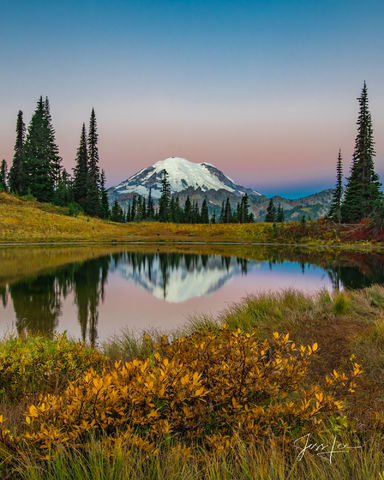
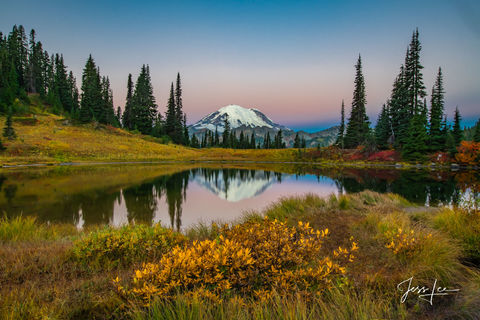
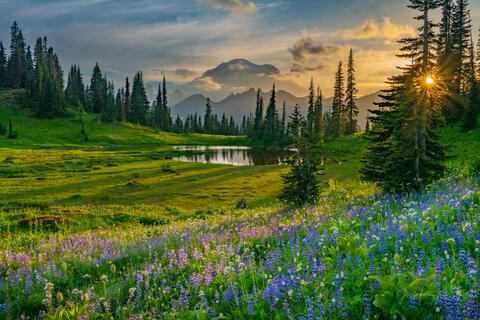
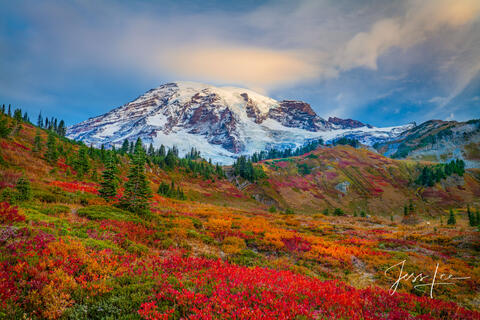
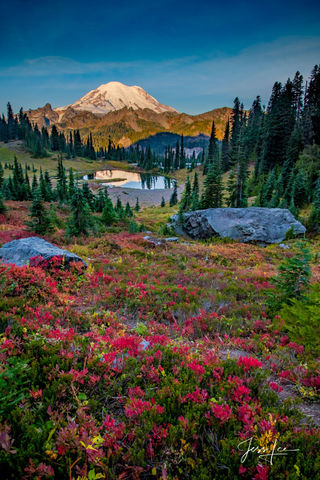
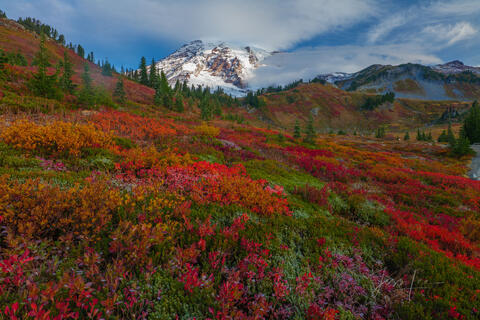
Tipsoo Lake, particularly beautiful during fall when the surrounding huckleberry bushes turn vibrant shades of red and gold, offers another classic reflection shot of Mount Rainier. This area is especially photogenic during the golden hours when the soft light enhances the autumn colors.
BREATHTAKING LANDSCAPE PHOTOGRAPHY IN MOUNT RAINIER
While Mount Rainier itself dominates many photographs of the park, the surrounding landscapes offer a wealth of diverse subjects for creative photography and fine art prints.
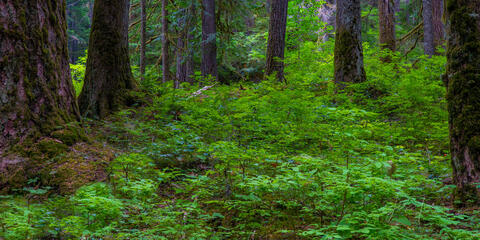
The Grove of the Patriarchs showcases the park's old-growth forests, with massive Western red cedars and Douglas firs creating a cathedral-like atmosphere. This area is particularly photogenic in misty conditions, which add a mystical quality to the ancient trees.
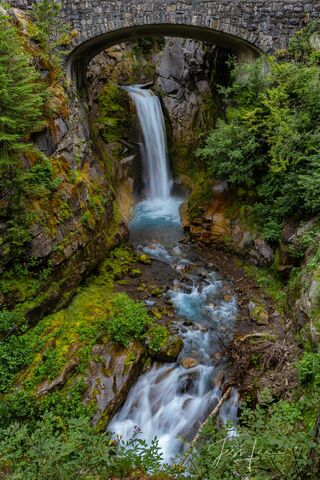
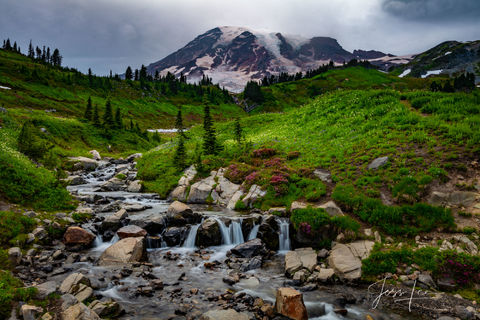
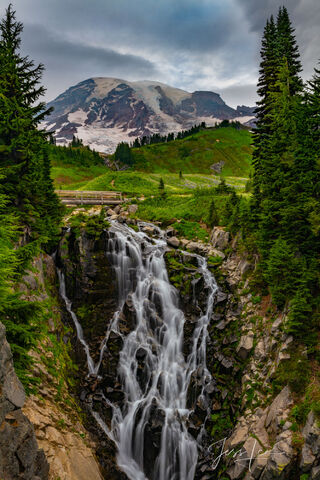
Myrtle Falls, accessible via a short walk from Paradise, offers a classic composition of a cascading waterfall with Mount Rainier in the background. Consider using a neutral density filter to create a silky-smooth water effect while maintaining detail in the mountain.
The Carbon River area, in the northwest corner of the park, provides a different perspective on Mount Rainier's ecosystems. This temperate rainforest area offers opportunities to photograph lush, mossy landscapes and unique fungi, especially beautiful in the soft, diffused light that often filters through the forest canopy.
SEASONAL PHOTOGRAPHY IN MOUNT RAINIER: CAPTURING THE PARK'S CHANGING MOODS
Mount Rainier's beauty transforms dramatically with the seasons, offering photographers a constantly changing palette of colors and atmospheric conditions to capture.
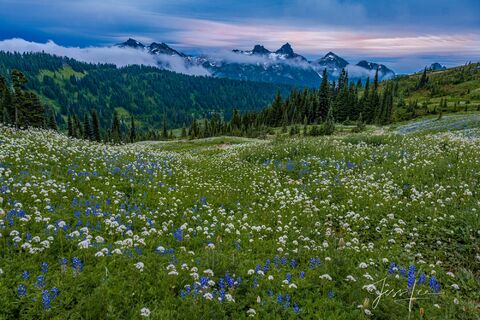
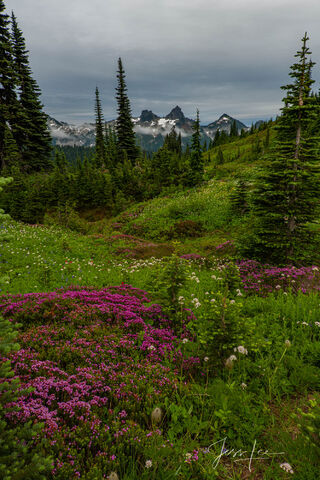
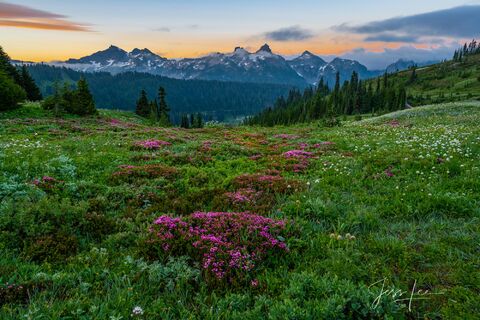
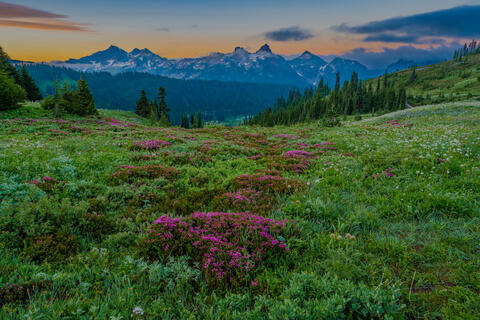
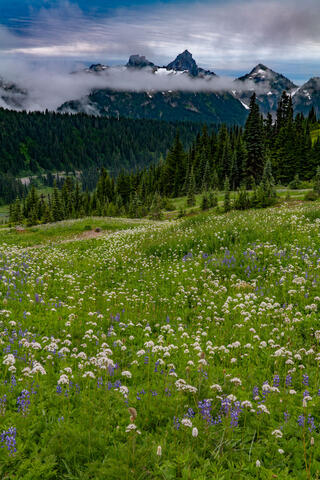
Summer brings the famous wildflower blooms to Mount Rainier's subalpine meadows. This is the prime season for capturing colorful foregrounds against the backdrop of the snow-capped mountain. Long days also provide extended golden hour shooting opportunities.
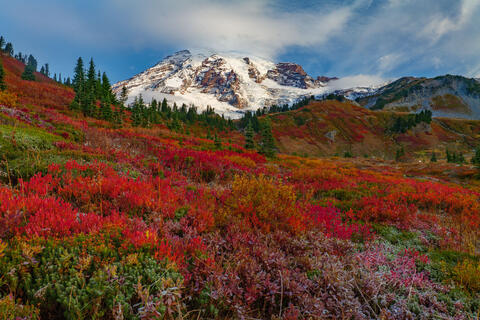
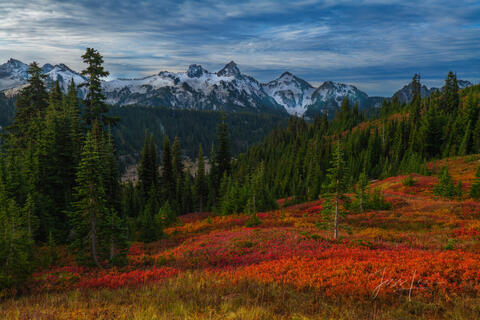
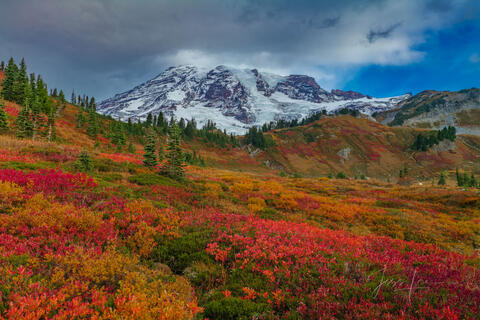
Autumn paints the park in warm hues as deciduous trees and shrubs change color. This season offers some of the most photogenic conditions in the park, with fall foliage complementing the mountain scenery. Fog and mist are common, creating atmospheric conditions perfect for moody forest photography.
Winter transforms Mount Rainier into a snow-covered wonderland. While access is limited during this season, areas like Paradise offer spectacular opportunities for capturing snow-laden trees and pristine winter landscapes. Clear winter days can provide some of the crispest, most detailed views of the mountain.
Spring in Mount Rainier is a season of renewal, with melting snow creating dramatic waterfalls and the first wildflowers beginning to bloom in lower elevations. This season offers dynamic conditions for photography, with rapidly changing weather patterns creating moody and atmospheric scenes.
BEST LOCATIONS FOR MOUNT RAINIER PHOTOS: HIDDEN GEMS AND POPULAR SPOTS
While iconic locations like Reflection Lakes attract many photographers, Mount Rainier National Park offers numerous lesser-known spots that provide unique photo opportunities away from the crowds.
Sunrise, the highest point in the park accessible by car, offers sweeping views of Mount Rainier and the surrounding Cascade Range. The Sourdough Ridge Trail provides numerous vantage points for capturing the mountain from different angles.
Bench and Snow Lakes, accessible via a moderate hike, offer more secluded reflection opportunities and the chance to capture Mount Rainier with serene alpine lakes in the foreground.
The Fremont Lookout Trail leads to a historic fire lookout with panoramic views of Mount Rainier and the surrounding wilderness. This location is particularly stunning for sunset and night sky photography.
Mt Rainier Fine Art Print and Wall Art Options
My photographs of Mount Rainier National Park are available for you to purchase as Fine Art Prints or Wall Art and place in your home or office. They are for sale as Frameless or Framed Lumachrome® HD Trulife® Acrylic Prints, Exhibition Mounted Metal Prints, and Fuji Crystal Archive Paper Prints. After selecting the desired photo, just select the type and size of print you would like to purchase from the table beneath the photo.
If you are looking for a different size than what is shown or have any other special needs, please contact me.
For more information and details regarding these museum quality landscape prints for sale, please click on this link to my Print Options page. I believe my photographic artwork can brighten up any room and I invite you to see some illustrations of this on my Room Preview page.
Beautiful Photography Locations for the finest pictures of Mount Rainier National Park
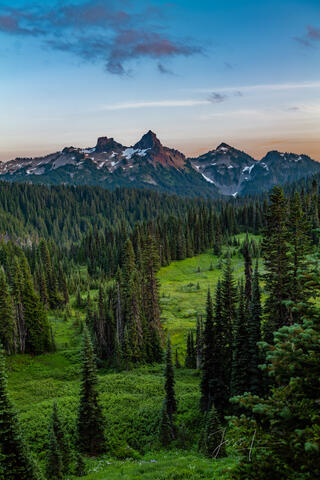
When searching for photography locations in Mount Rainier National Park there are only four words you need to remember when you begin doing your search for places to make awesome photos of Mount Rainier. Paradise, Sunrise, Reflection, and Tipso are the important words and happen to be some the best locations to photograph in Mount Rainier National Park. Paradise and Sunrise are both Ranger Stations that are the base camps for some of the best trails to find those great photo locations to capture sunning image of Mt Rainer. Tipos and Reflection are the primer photo spots for pictures of the mountain reflecting in their surface.So there you have the big four in Mount Rainier National Park. Try these first then continue exploring Rainier the crown jewel of the Cascade to create your own unique pictures. I get a better idea of how and where to photograph Mt Rainier visit the gallery of images below.
About Mount Rainier National Park
Mount Rainier National Park is located near the town of Longmire Washington, about 65 miles southeast of Tacoma. It covers over 230,000 acres and receives about 1.5 million visitors each year. Its a perfect place for Landscape and Nature Photography. At over 14,000 feet in elevation, the active volcano of Mount Rainier is the main attraction and is covered in snow and ice almost year round. There are over 25 glaciers on the mountain that feed five major rivers. Below this stunning mountain, which is often covered by clouds, are old-growth forests and miles of hiking trails. In addition to the mountains in this park, see our gallery of Fine Art Mountain Photography. Mount Rainier is the tallest mountain in Washington and the Cascade Range. This peak is located just east of Eatonville and just southeast of Seattle and Tacoma. Mount Rainier is ranked third of the 128 ultra-prominent mountain peaks of the United States. Mount Rainier has a topographic prominence of 13,210 ft (4,026 m), which is greater than that of K2, the world's second-tallest mountain, at 13,189 ft (4,020 m). On clear days Rainier dominates the southeastern horizon in most of the Seattle-Tacoma metropolitan area. On days of exceptional clarity, it can also be seen and photographed from as far away as Corvallis, Oregon (at Marys Peak), and Victoria, British Columbia."Photo © copyright by Jess Lee