OLYMPIC NATIONAL PARK PHOTOS: CAPTURING THE DIVERSITY OF THE PACIFIC NORTHWEST
Olympic National Park, with its unique blend of rugged coastline, lush rainforests, and alpine peaks, offers photographers an unparalleled opportunity to capture the diverse beauty of the Pacific Northwest. From misty beaches to moss-draped forests and glacier-capped mountains, Olympic provides endless possibilities for both amateur enthusiasts and professional photographers to create breathtaking images and fine art prints. In this comprehensive guide, we'll explore the best locations, techniques, and tips for photographing the awe-inspiring beauty of Olympic National Park.
ICONIC OLYMPIC PICTURES: COASTLINES, RAINFORESTS, AND MOUNTAINS
Olympic's most recognizable features - its wild beaches, temperate rainforests, and rugged mountains - are the primary draw for photographers visiting the park. These diverse ecosystems offer a wide array of compositions and moods to capture through the lens.
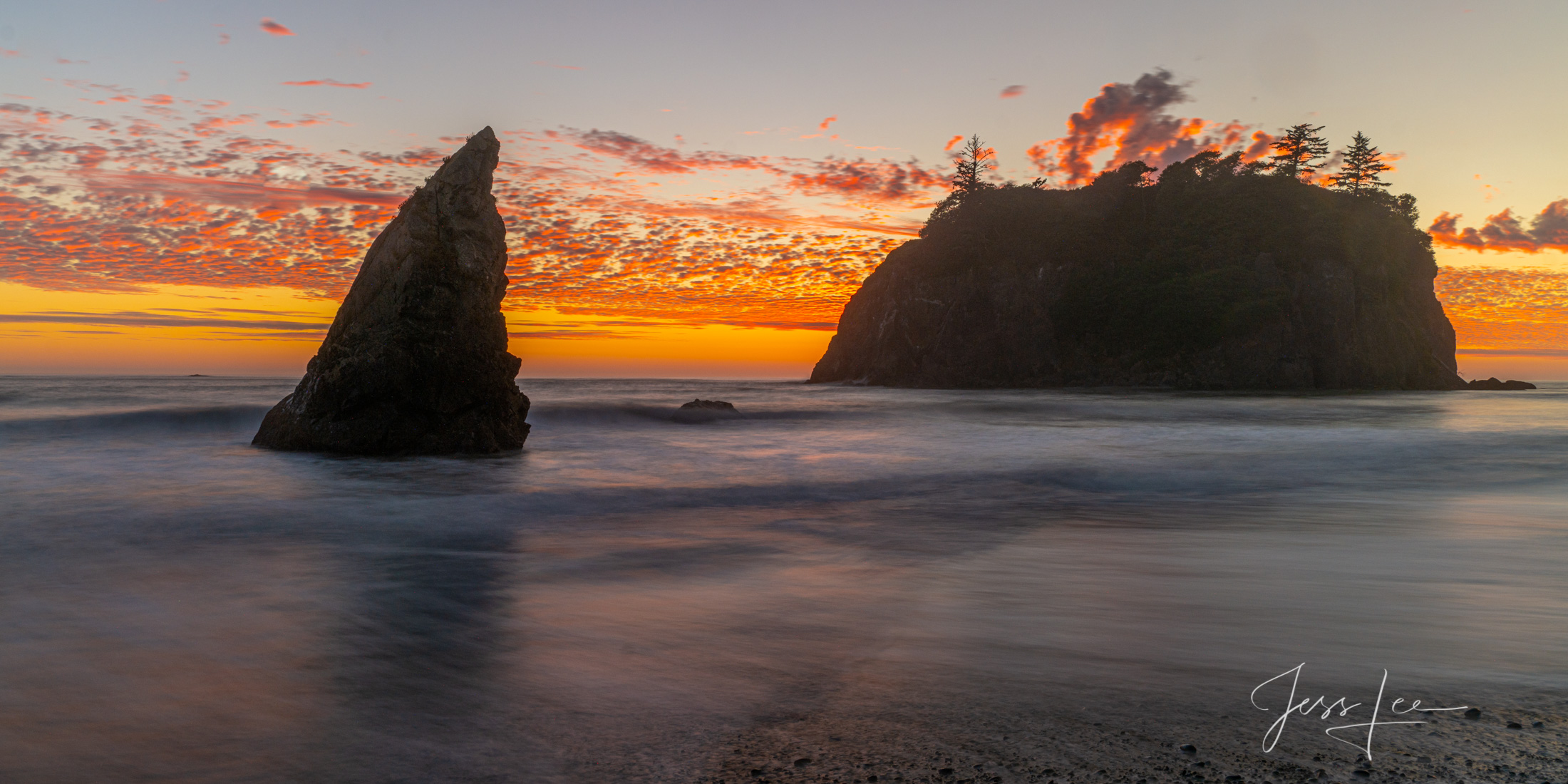
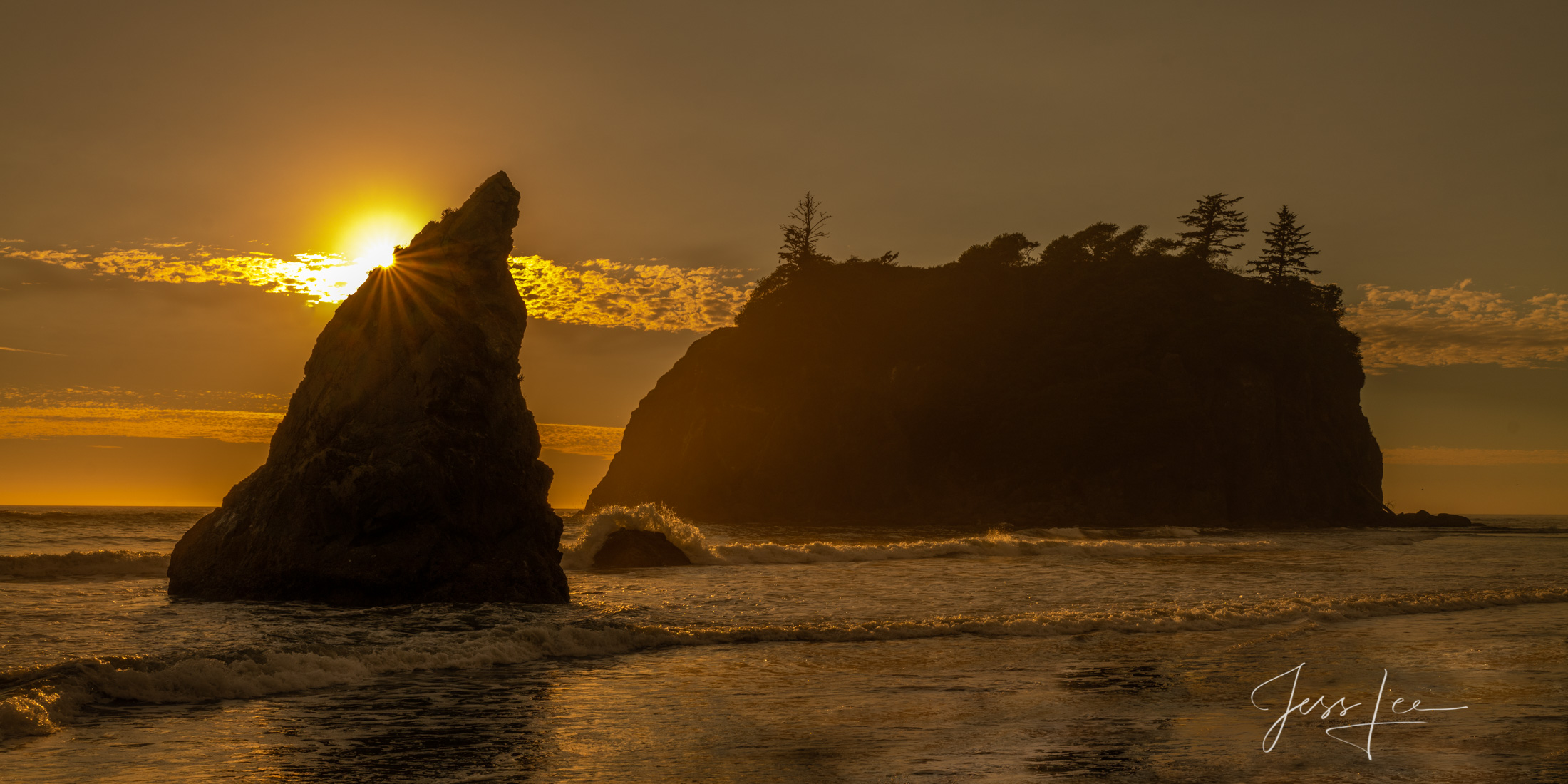
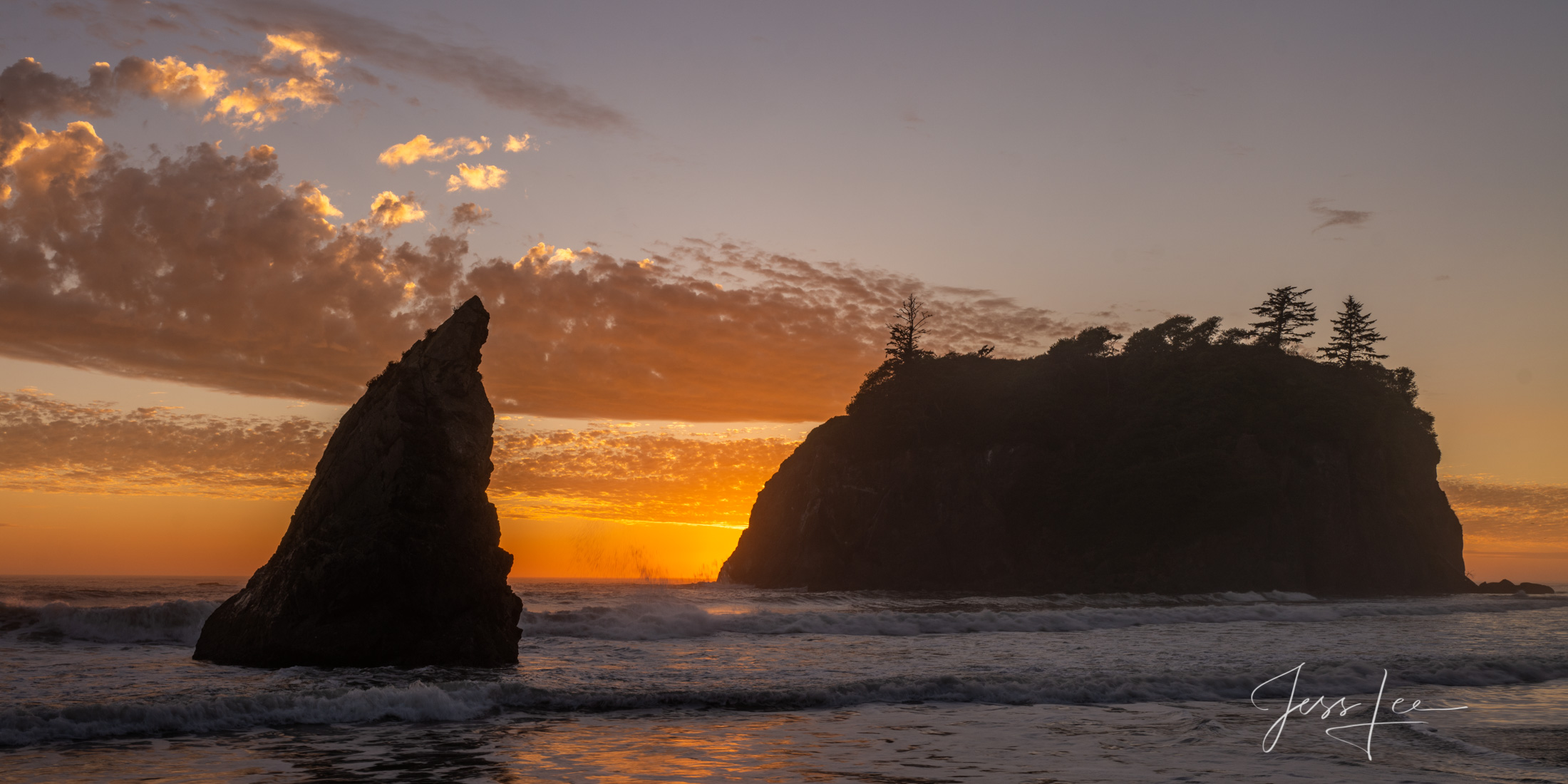
Ruby Beach, with its dramatic sea stacks and driftwood-strewn shore, provides one of the most iconic coastal scenes in the park. This location is particularly stunning during sunset when the fading light paints the sky and reflects off the wet sand. A wide-angle lens is essential to capture the expanse of the beach, while a neutral density filter can help create smooth, misty water effects around the sea stacks.
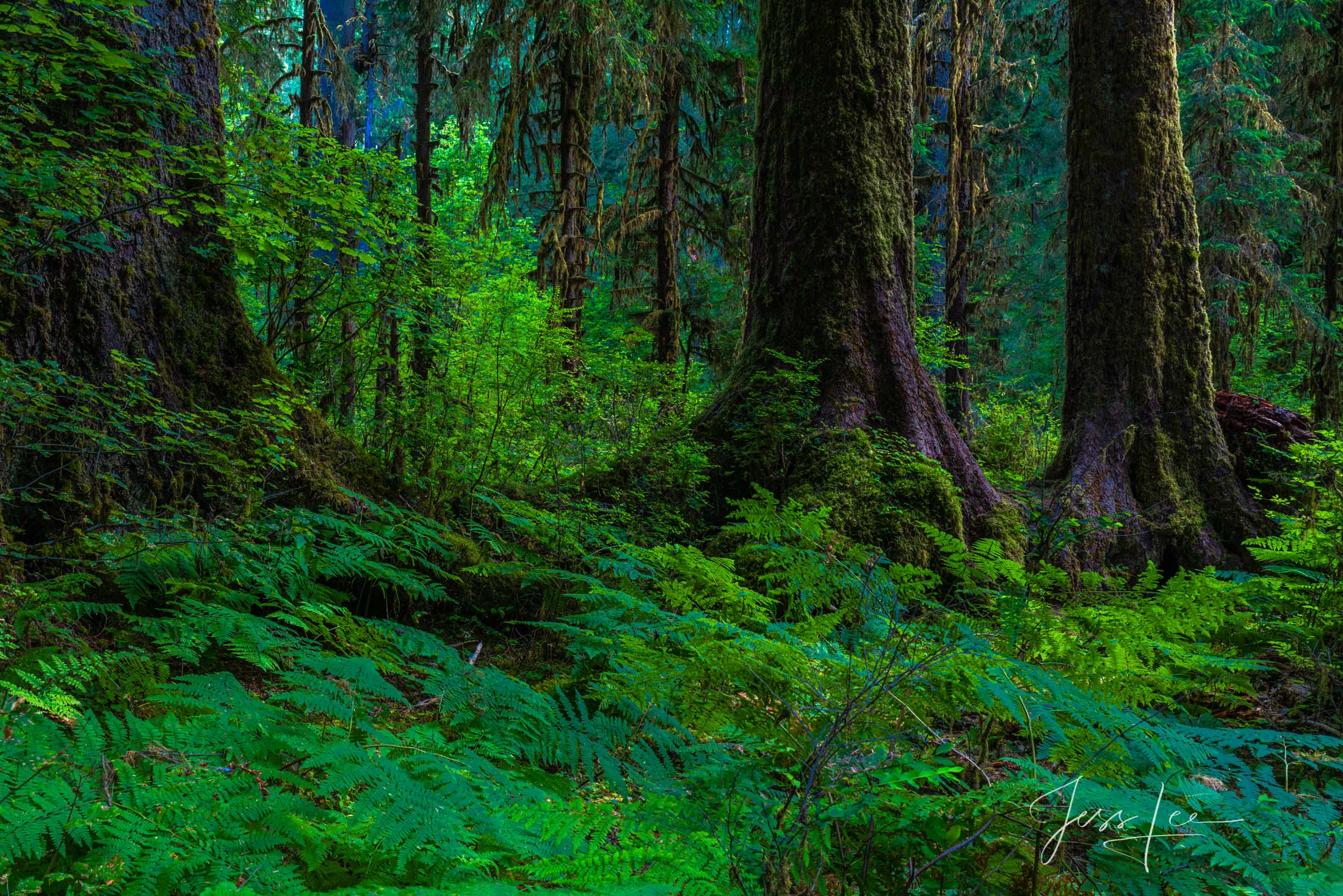
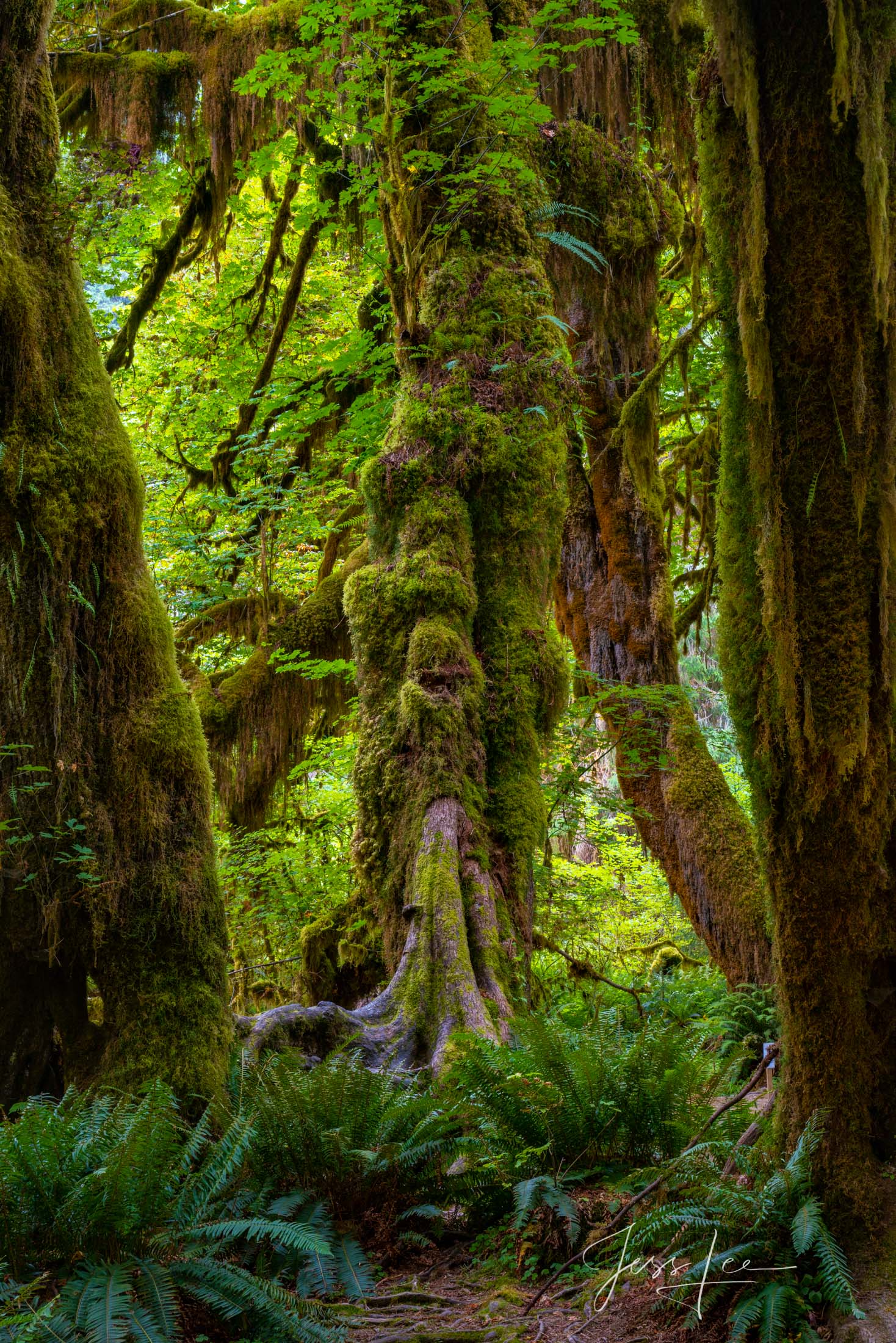
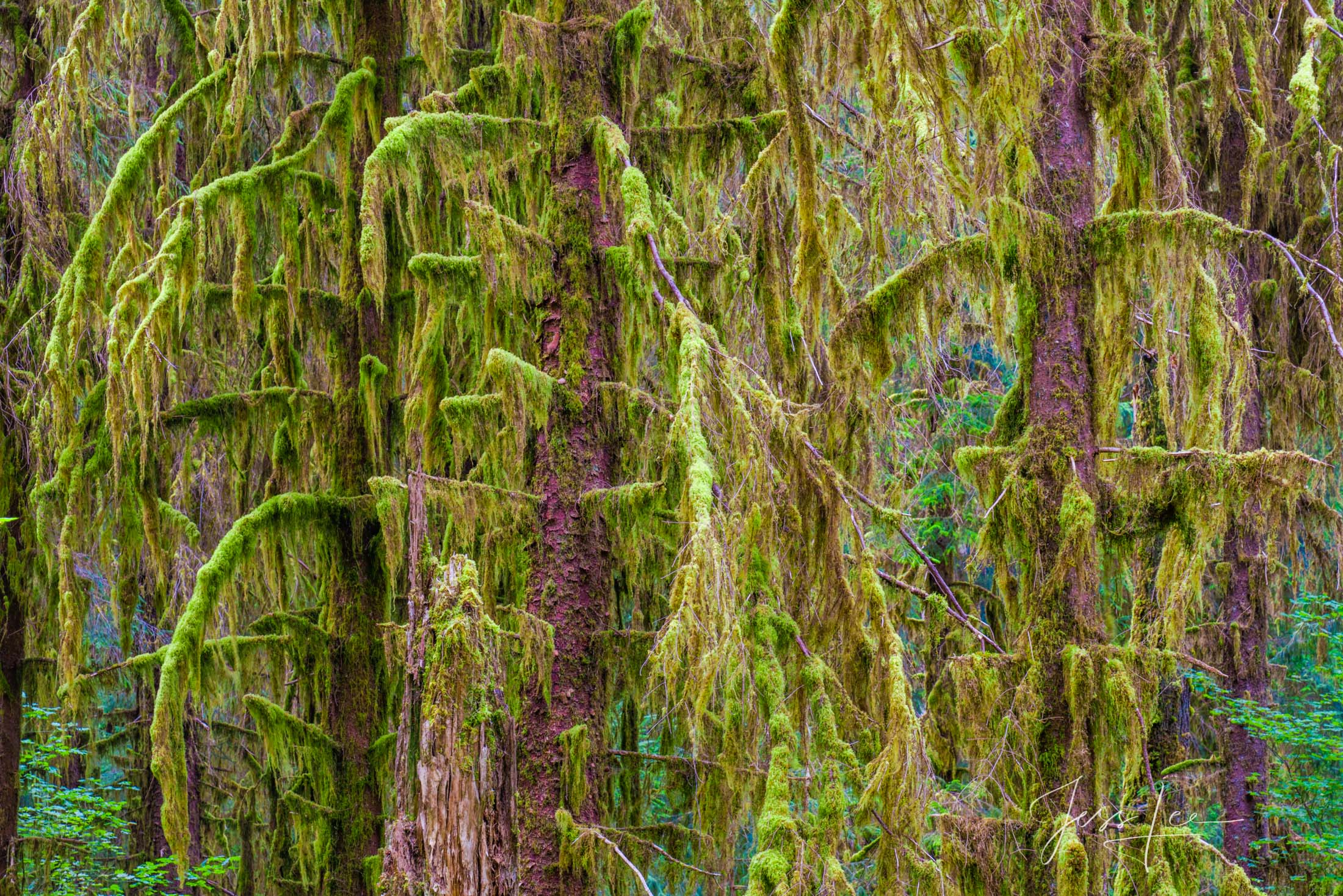
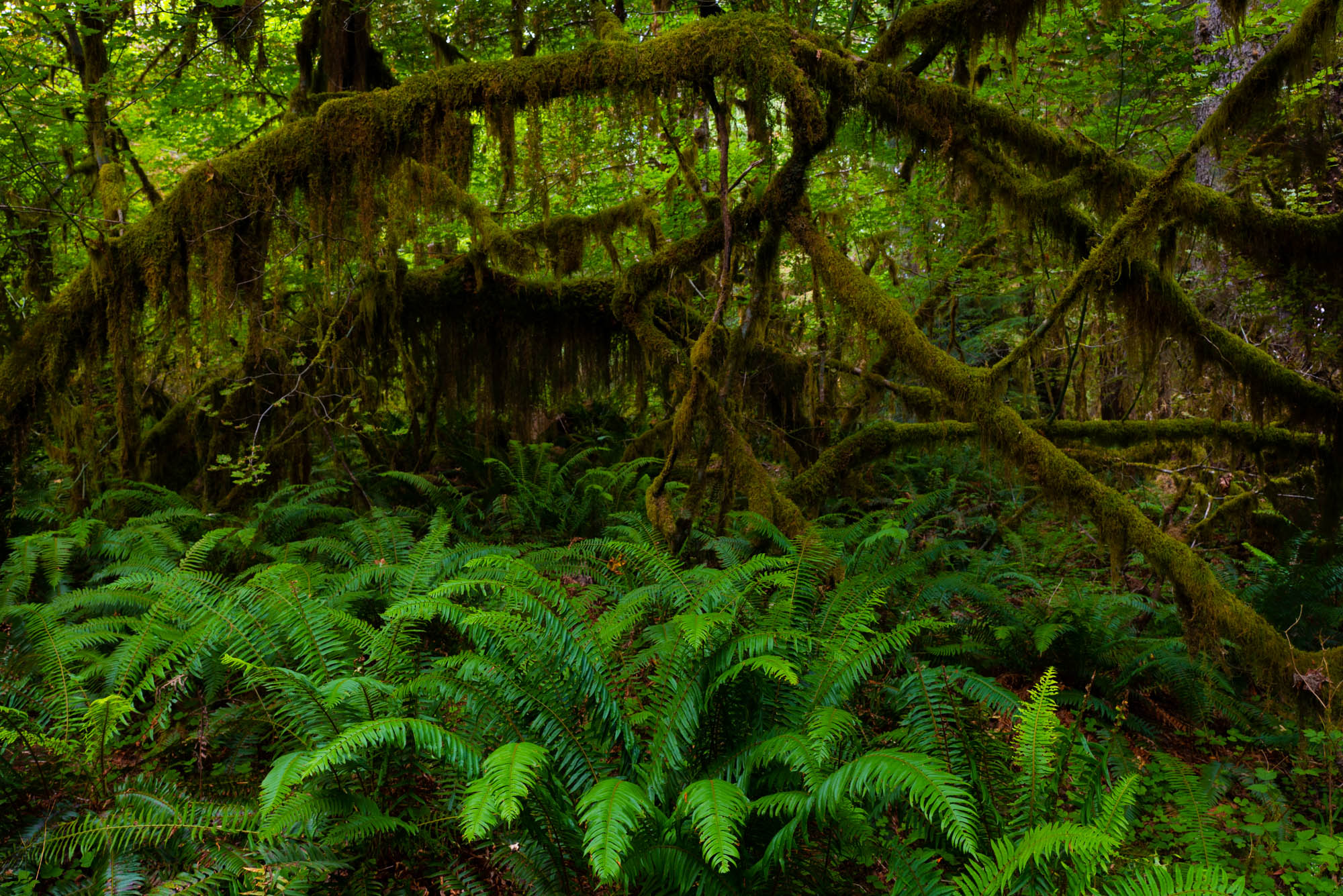
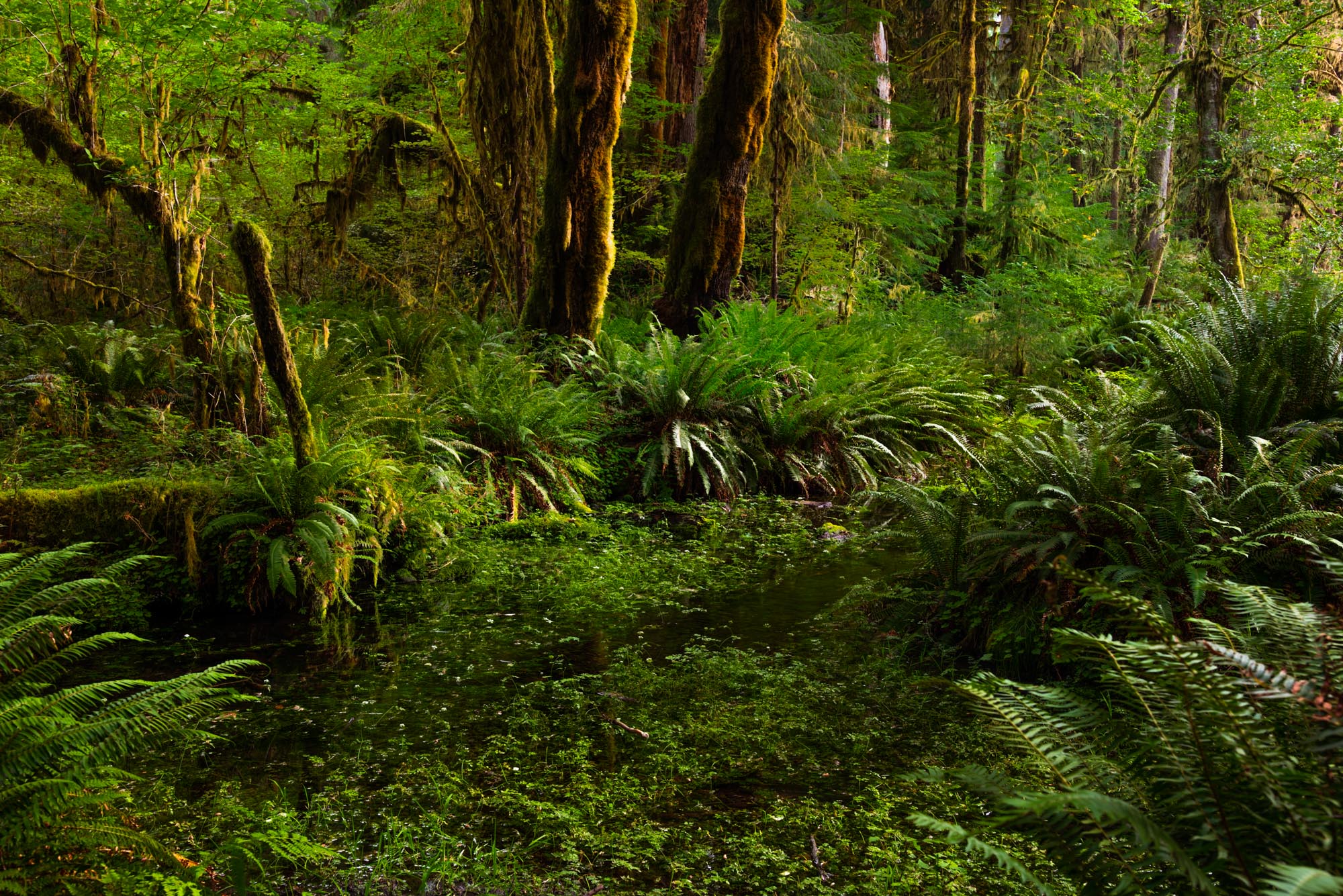
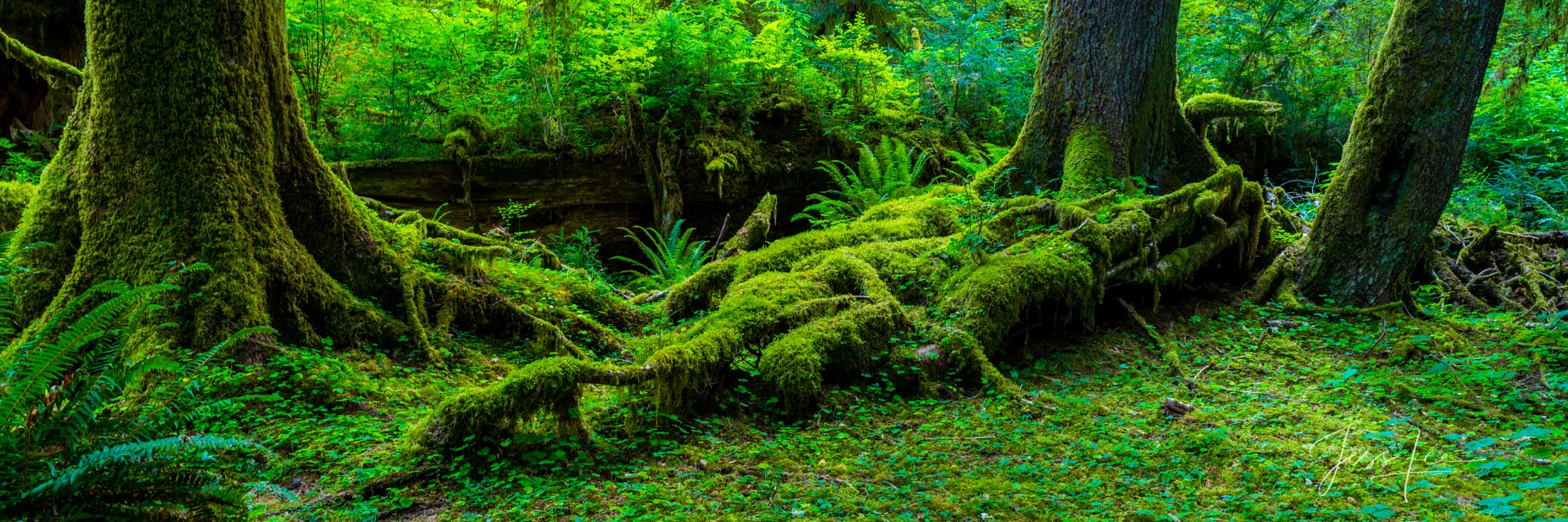
The Hoh Rainforest showcases the park's lush, temperate rainforest ecosystem. The Hall of Mosses trail offers photographers the chance to capture the otherworldly atmosphere of moss-draped maples and towering spruce trees. This area is especially photogenic in soft, diffused light or misty conditions, which enhance the ethereal quality of the forest.
Hurricane Ridge provides sweeping vistas of the Olympic Mountains and, on clear days, views stretching to the Strait of Juan de Fuca. This alpine area is particularly beautiful during wildflower season in late spring and early summer, offering opportunities to capture colorful meadows with snow-capped peaks in the background.
BREATHTAKING LANDSCAPE PHOTOGRAPHY IN OLYMPIC
While the coastal, forest, and mountain landscapes attract many photographers, Olympic National Park offers a wealth of diverse scenes that provide endless possibilities for creative photography and fine art prints.
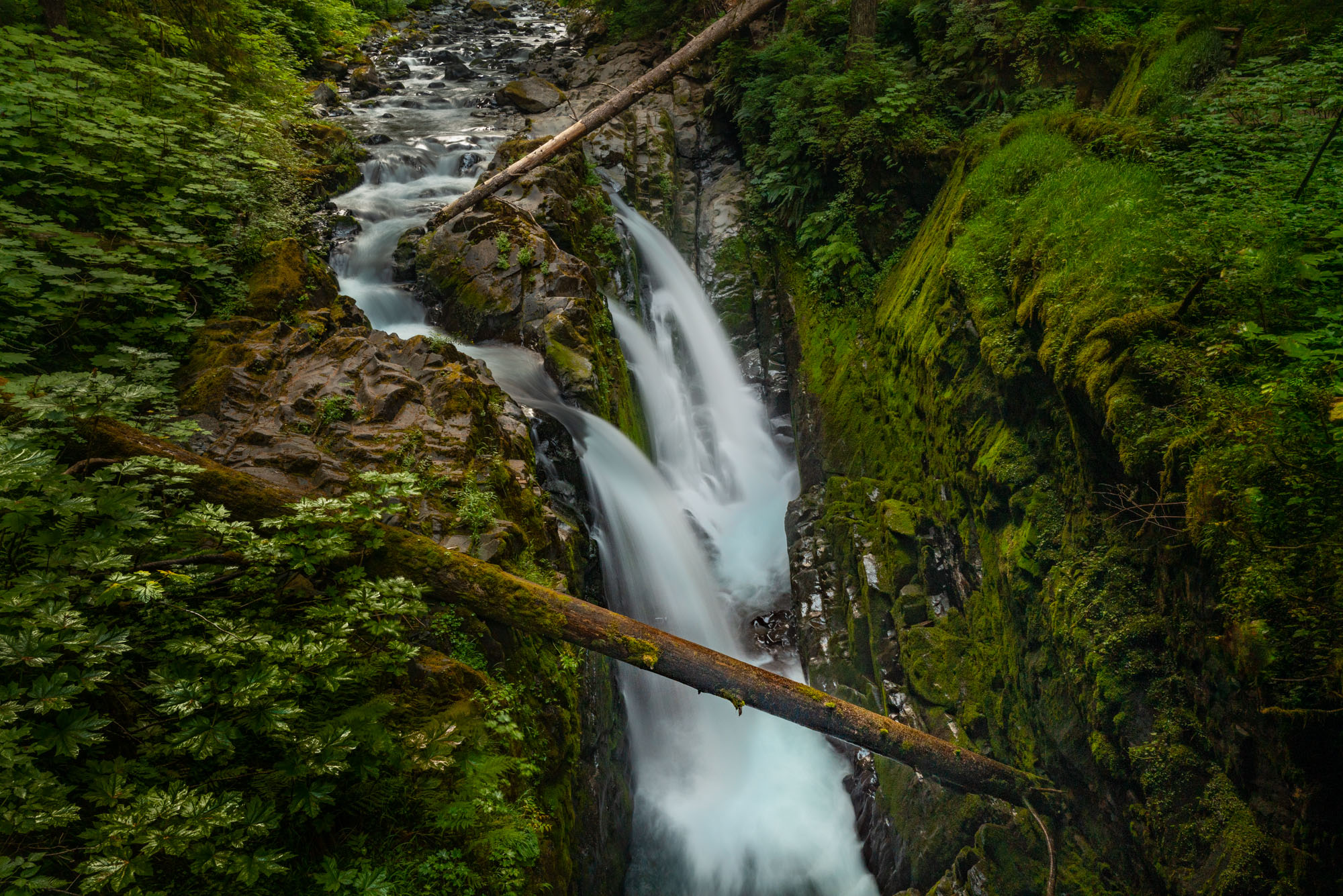
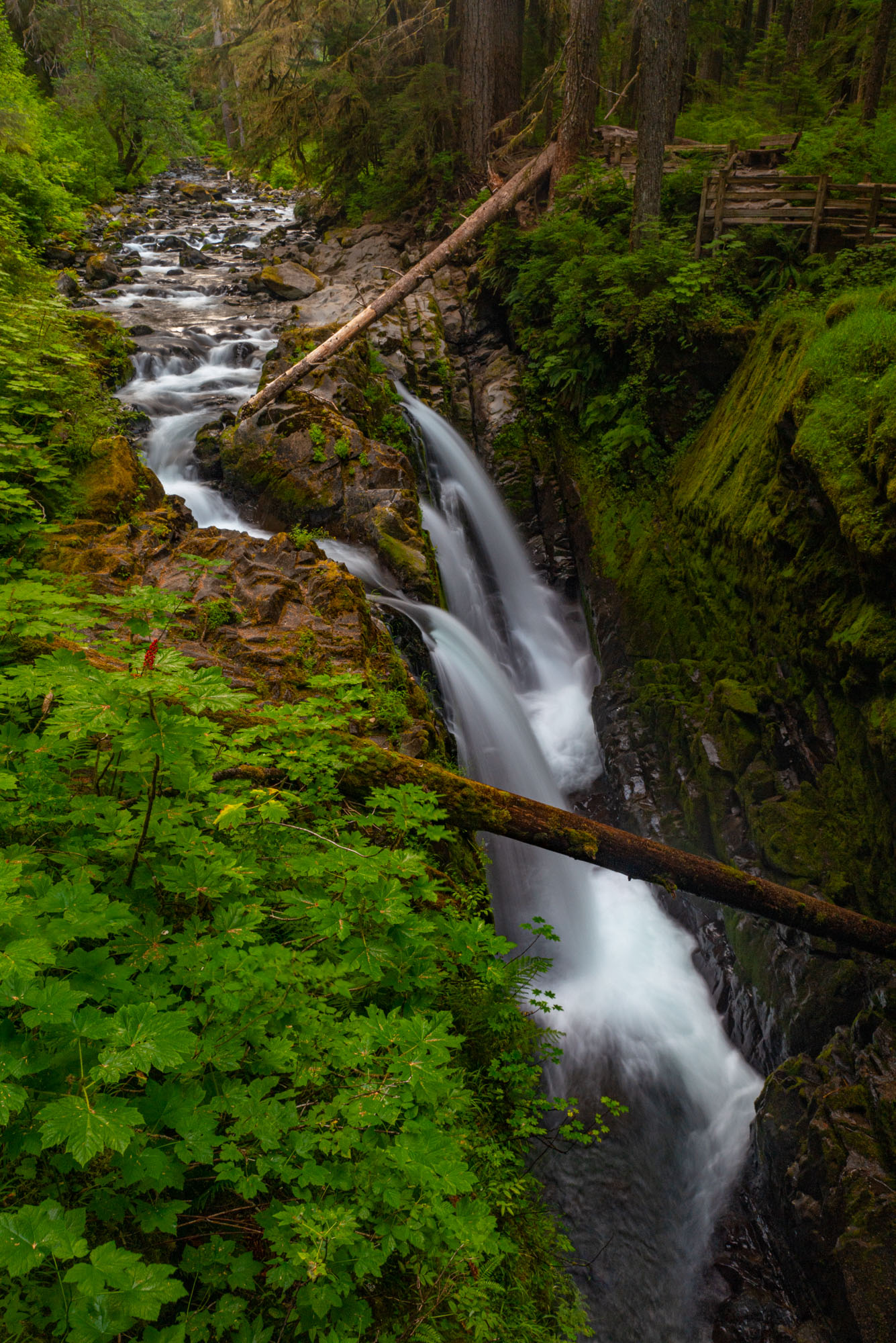
Sol Duc Falls, nestled in the heart of the park, offers a dramatic subject for waterfall photography. The unique triple-cascade falls, surrounded by lush vegetation, can be captured from various angles along the short trail. Consider using a polarizing filter to reduce glare on wet surfaces and enhance the richness of the greens.
Rialto Beach, known for its iconic "hole-in-the-wall" formation, provides numerous opportunities for coastal photography. The rugged shoreline, dotted with sea stacks and weathered driftwood, is particularly photogenic during stormy conditions or at low tide when tide pools are exposed.
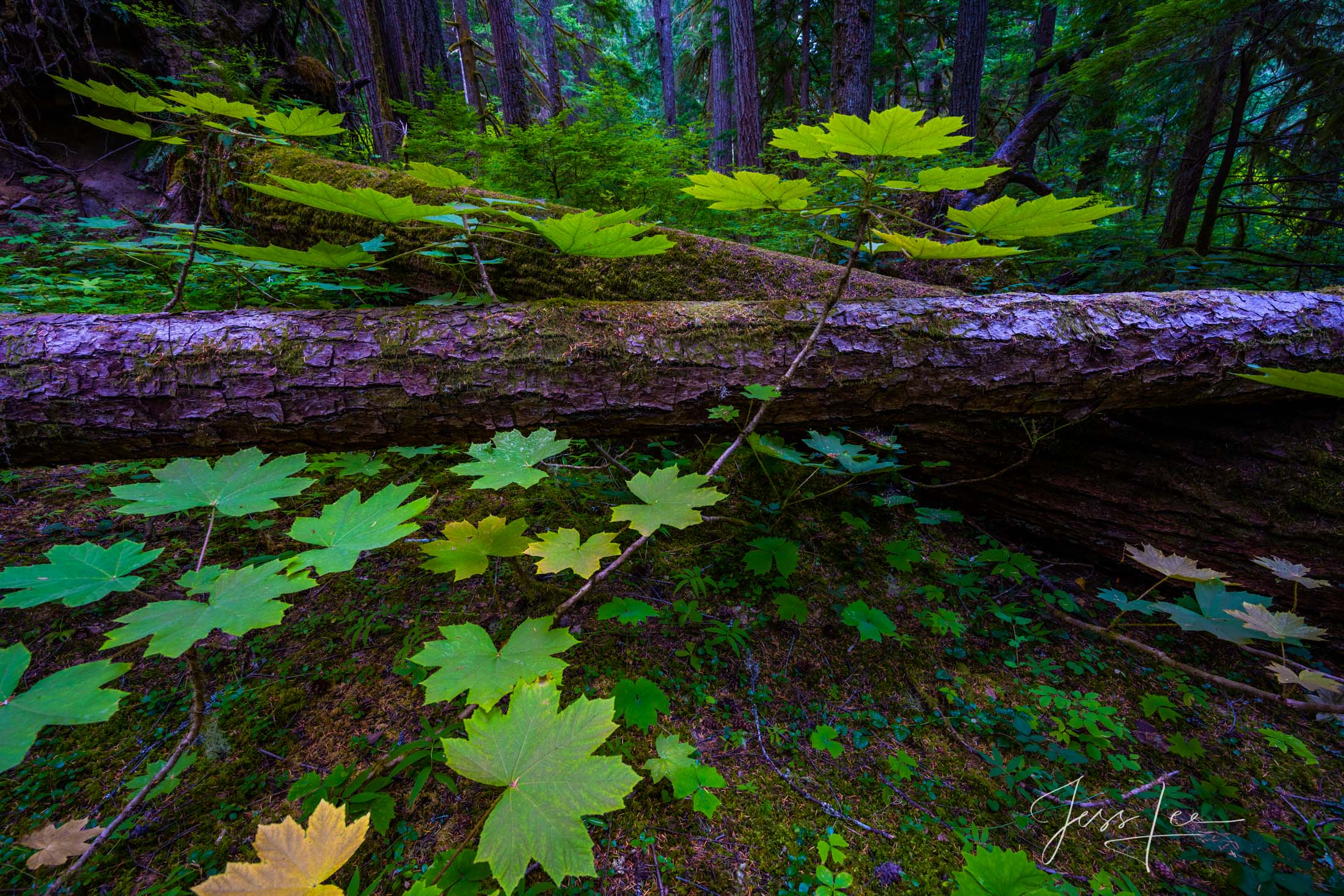
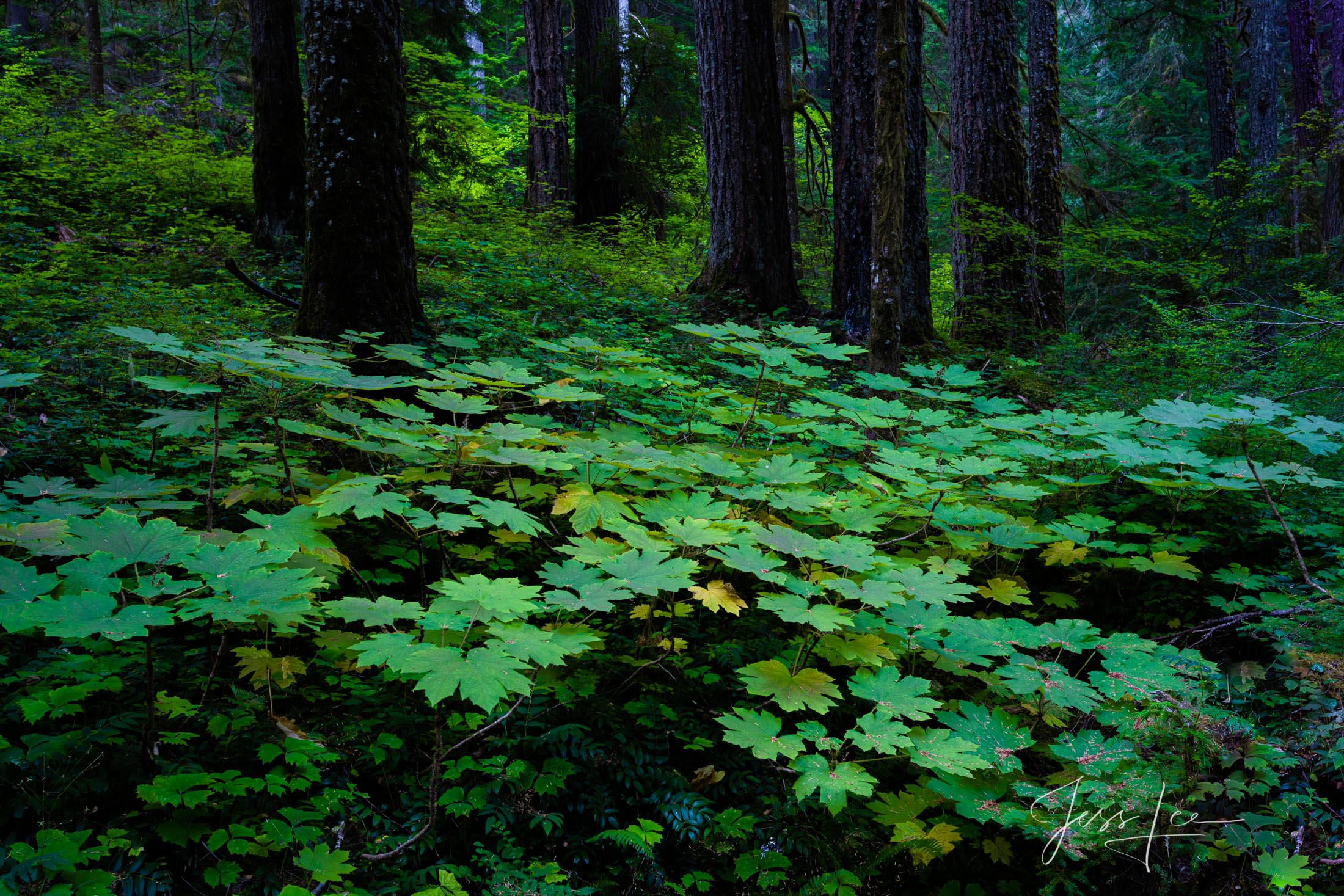
The Quinault Rainforest, often less crowded than the Hoh, offers another perspective on the park's temperate rainforest ecosystem. The area around Lake Quinault provides opportunities to capture reflections of the surrounding mountains and forests in the still waters of the lake.
SEASONAL PHOTOGRAPHY IN OLYMPIC: CAPTURING THE PARK'S CHANGING MOODS
Olympic's beauty transforms throughout the year, offering photographers a range of conditions and phenomena to capture.
Spring brings renewed life to the park, with waterfalls at peak flow and wildflowers beginning to bloom in the lower elevations. This season offers dynamic weather conditions, perfect for capturing dramatic coastal scenes and misty forest landscapes.
Summer provides the best access to the park's high country, with alpine meadows bursting into bloom. Long days offer extended golden hour shooting opportunities, especially in the coastal areas where late sunsets can create magical lighting conditions.
Fall transforms parts of Olympic with warm colors, particularly in the deciduous areas of the rainforests and around Lake Crescent. This season also brings increased chances of atmospheric fog and mist, creating moody conditions perfect for forest and coastal photography.
Winter, while limiting access to some areas, offers unique photographic opportunities. The beaches can be particularly dramatic during winter storms, while the rainforests take on a serene quality when dusted with snow. The mountains, when accessible, provide stunning winter landscape possibilities.
BEST LOCATIONS FOR OLYMPIC PHOTOS: HIDDEN GEMS AND POPULAR SPOTS
While iconic locations like Ruby Beach and Hurricane Ridge attract many photographers, Olympic National Park offers numerous lesser-known spots that provide unique photo opportunities away from the crowds.
Shi Shi Beach, located in the remote northwestern corner of the park, offers miles of wild coastline and dramatic sea stacks. The hike required to reach this beach deters many visitors, rewarding photographers with pristine scenes.
The Enchanted Valley, deep in the park's backcountry, provides a stunning alpine setting with a historic chalet set against towering peaks. While challenging to access, this area offers unparalleled opportunities for wilderness landscape photography.
Deer Lake, accessible via a moderate hike from the Sol Duc area, offers beautiful alpine scenery with fewer crowds than some of the park's more accessible areas. The lake provides excellent opportunities for reflection photography, especially during calm mornings.
PLANNING YOUR OLYMPIC NATIONAL PARK TRIP
A successful trip to Olympic requires careful planning and preparation. Consider the seasonal variations and your desired photographic subjects when timing your visit. Be aware that some areas of the park may have limited access during certain seasons due to weather conditions.
Accommodations within the park range from lodges to campgrounds, but they can fill up quickly during peak seasons. The surrounding communities also offer a variety of lodging options that can serve as bases for exploring different areas of this vast park.
Familiarize yourself with park regulations, especially regarding wildlife interactions and coastal safety. Always practice Leave No Trace principles to help preserve Olympic's diverse ecosystems.
Consider joining a photography workshop or tour led by experienced Olympic photographers. These can provide invaluable knowledge about the best locations and techniques for capturing the park's beauty, as well as guidance on safely navigating the varied terrains.