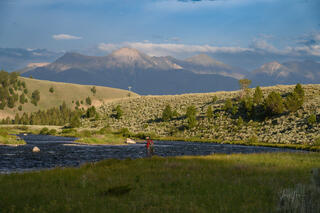
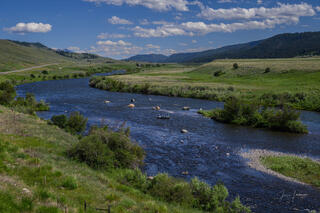
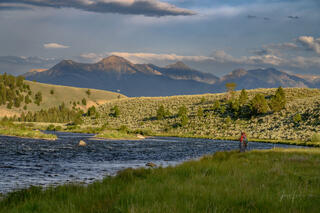
Navigating the Madison: A River of Distinct Sections
The Madison's character shifts dramatically along its length, presenting unique challenges and opportunities. Understanding these distinct sections is paramount to successful angling.
The Upper Madison: From Yellowstone to Ennis Lake
This stretch, flowing north from its origins, is often considered the heart of the Madison's fly fishing fame.
Yellowstone National Park to Hebgen Lake ("The Madison in the Park")
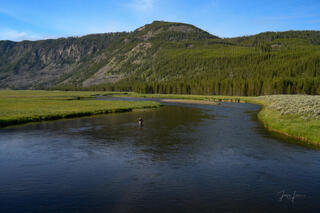
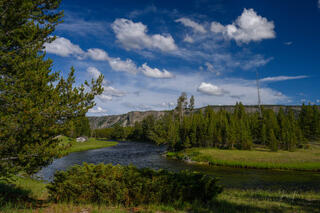
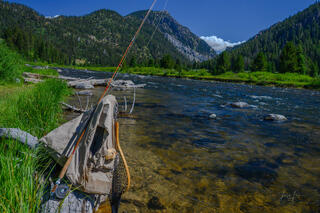
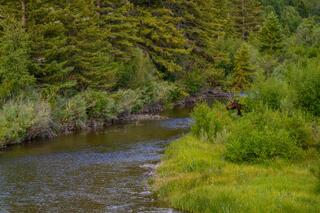
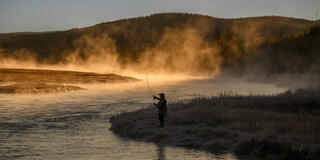
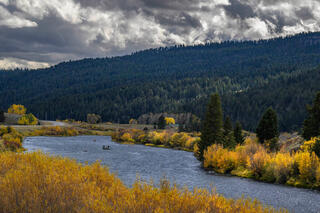
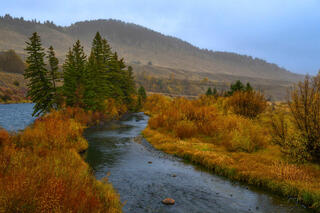
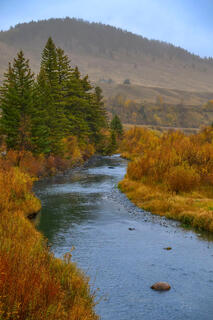
This wade-only section is accessed by following the road from West Yellowstone to Madison Junction, where the Gibbon and Firehole rivers converge to form the Madison River. The water here is characterized by its linear flow and a smooth surface over a grassy bottom for most of its distance. As it nears Hebgen Lake, the river begins to meander and fill with fine sediment.
Fishing opportunities in this section vary widely. In the summer, it can be a "small fish factory," while in the fall, it transforms into one of the most sought-after fisheries for "big spawning brown trout and hot egg eating rainbows". The best times to fish this area are just after it opens on Memorial Day and throughout the fall. The significant brown trout migration in the fall, tied to their reproductive cycles, makes egg patterns and streamers particularly effective. Anglers should note that fishing within Yellowstone National Park requires a separate license and adherence to specific park regulations. The linear flow in much of this section suggests that trout will hold in subtle current seams and along deeper grass lines, rather than behind obvious boulders.
Hebgen Dam to Quake Lake ("Between the Lakes")
This is a very short, wade-only section of river that quickly flows into Quake Lake. It offers good access along Highway 287 and is also accessible from Campfire Lodge or Beaver Creek Campground. The water here is rich in nutrients, clear, and very cold, creating an ideal habitat for trout. It is characterized by abundant pocket water, making it a "dry fly fisherman's dream and heaven for the tactical nympher". Many believe that "some of the largest fish in the system live Between the Lakes". This section is particularly valuable because it remains fishable "when other streams and rivers are high and turbid" , and it is open year-round. It is popular in late spring for large rainbow spawning runs and is a productive mid-winter fishery.
The consistent clarity and cold temperatures are a direct result of the "bottom release water out of Hebgen Dam". This stable, cold environment makes "Between the Lakes" a reliable fishery, especially during spring runoff when many freestone rivers are unfishable. This environment favors cold-water species and specific hatches like midges, making it a prime winter and early spring destination. While this section experiences pressure due to its accessibility and consistent conditions, the potential to hook exceptionally large fish provides significant rewards for skilled anglers. Recommended flies include eggs, midges, and San Juan Worms from mid-winter through spring, followed by caddis patterns. Tandem nymph rigs featuring rubber legs and mayfly nymphs or caddis larva are consistently productive. Early morning streamer fishing can also yield results.
Quake Lake to Reynolds Bridge ("The Slide")
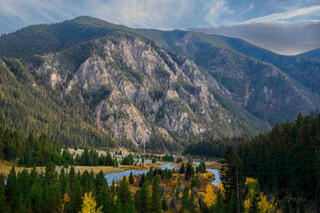
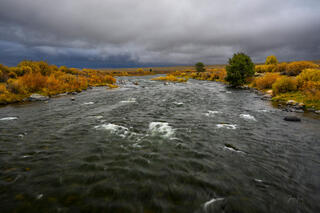
This turbulent, boulder-strewn section is aptly named after the deadly 1959 earthquake-triggered landslide. It is "quite possibly the most dangerous place" to wade fish on the Madison due to Class V rapids directly below Quake Lake’s natural outflow. Anglers can access calmer water near Kelly Galloup’s Fly Shop or at Reynolds Bridge. This is a wade-fishing-only section. The rough water forces fish to sit in obvious places, often behind logs and boulders. Trout density is very high in this reach of the river.
Despite the inherent dangers, fishing in "The Slide" is usually quite productive. Nymph fishing is effective year-round, particularly with stonefly and terrestrial imitations. Late winter and early spring offer some of the best dry fly fishing opportunities when adult midges and blue winged olives emerge. The famous salmonfly hatch typically occurs in this section during July. This section represents a high-reward, high-risk area. The turbulent water provides excellent cover and abundant holding lies, concentrating trout in predictable spots. However, extreme caution is necessary for wade anglers, and a wading staff is highly recommended. The fish here are accustomed to a fast-moving food conveyor, making nymphing and large dry flies, such as salmonflies, particularly effective. Recommended flies include stonefly and terrestrial imitations , as well as large stonefly nymphs and sculpin patterns.
Reynolds Bridge to Lyons Bridge
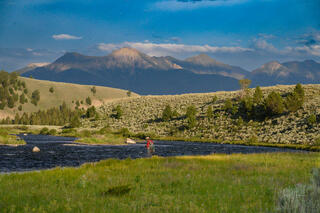
This section of the upper Madison River is designated as wade fishing only, though boats can be used for transportation between fishing spots. Access for wade anglers is fantastic, with plenty of pull-offs from the highway. Montana's stream access laws allow anglers to access the entire river from a public road, provided they stay below the high water mark. Pontoon boats are recommended for safe navigation and accessing prime water. Fishing pressure is relatively high from Reynolds Pass to Three Dollar Bridge, but it tends to decrease further downstream towards Lyons Bridge.
The river in this area transitions from the fast pocket water of "The Slide" to classic large riffles, featuring numerous islands, large rocks, and side channels. This stretch is a favorite among guides during high water because only two small tributaries add sediment below the dam, meaning the river rarely becomes completely turbid. This section, along with "The Channels," is designated "wade-only" for fishing, even if boats are used for transport. This regulatory approach helps preserve a specific angling experience and can distribute pressure more effectively than sections open to float-fishing. These wade-only areas offer a more intimate and solitary experience, allowing anglers to thoroughly work the water and target specific lies that might be difficult to reach from a boat.
Lyons Bridge to Storey Ditch
This section is best floated and fished from a drift boat. It features large glacial erratics, classic riffle-run scenarios, gravel bar drop-offs, undercut banks, and tree jams. A common and highly productive feature here are "buckets"—plunge pools behind larger boulders, varying from a couple feet to 10 feet across, where trout find breaks from the swift current and actively feed. The upper Madison River averages about 18 inches deep in this area, and the presence of football-sized boulders makes wade fishing difficult over the course of an entire day. Drift boats are ideal for accessing the best water here.
The upper Madison, particularly from Quake Lake to Ennis Lake, is often referred to as the "50-mile riffle". While this section might appear uniform, the consistent riffle-run nature, combined with abundant boulders and subtle depth changes, creates a continuous conveyor belt of food and numerous holding lies. Anglers must learn to interpret these subtle variations—the "buckets" and current seams—to consistently locate and catch fish, making it a masterclass in reading the water.
Storey Ditch to Varney Bridge
This section is the furthest point from the road on the upper Madison, offering a more remote feel. The river runs fairly straight and slows down as it flattens out, appearing more featureless than upstream sections. However, productive current seams and subtle buckets continue to hold trout in its shallow waters. Floating and fishing this section can be challenging. It is known for good dry fly opportunities in the summer, but anglers should be prepared for mosquitoes.
The "remote feel" of this section might offer solitude, but the seemingly featureless water demands a more discerning eye to identify productive current seams and subtle holding water. This stretch tests an angler's ability to read less obvious water, rewarding those who can find the hidden complexities within its flatter, shallower stretches.
Varney Bridge to 8-Mile Ford
This section is best fished with a float/wade approach, where anglers fish from the boat until reaching a good spot to wade and explore side channels. It features sweeper turns, shallow gravel bars, tight casting areas, and deep undercut banks. The river channelizes directly below Varney Bridge. This is considered one of the more challenging sections to row and fish, and anglers should be prepared to lose flies due to snags. Moose are also commonly sighted here.
Anglers navigating this section must be proficient in both floating and wading, adapting their approach to the specific water features encountered. The prevalence of snags and the difficulty of rowing suggest a need for robust gear, excellent boat control, and a willingness to exit the boat and wade when the river dictates. This section is not for the casual floater but rewards those with versatile skills.
8-Mile to Town ("The Town Run")
This stretch runs directly through Ennis, Montana, offering "ample wading opportunities" from three public access sites and multiple channels. It is described as having "everything a trout fisherman could ask for". This is a short and beautiful stretch, generally considered stress-free to fish. Ennis itself serves as a "perfect base of operations for an extended Madison exploration," with motels, restaurants, bars, and art galleries.
While convenient and accessible, anglers should anticipate higher pressure in this section, especially during peak season. To find less disturbed fish, early morning or late evening fishing can be particularly effective. The relatively "stress-free" nature of this section also makes it a good option for less experienced anglers or for winding down a day on the water.
Town to Ennis Lake ("The Channels")
This is another wade-fishing-only designated area, where a boat can be floated through but fishing must be done on foot. Madison Valley Ranch is located on this section. The "Valley Garden" section just above Ennis Lake is a "veritable wade-fishing paradise". As the river nears Ennis Lake, it breaks off into "countless braids that vary widely in width".
This section is excellent for "getting lost for a day" and fishes well from April to November. It offers good fishing opportunities using streamers, nymphs, and dries. Fishing the evening hatch until dark at Three Dollar Bridge is considered a must-do experience for any angler. The braided channels create a complex network of smaller, often intimate, water. This allows for diverse tactics and extensive exploration, rewarding anglers who are willing to move and adapt their approach between different braids. The "wade-only" rule reinforces the focus on foot-based exploration, providing a unique and immersive experience.
The Lower Madison: From Ennis Dam to Three Forks
Below Ennis Lake, the Madison transforms into a different river, offering distinct challenges and rewards.
Ennis Dam to Warm Springs (Bear Trap Canyon)
This section is located within the Lee Metcalf Wilderness Area. There is a single float-access point at the powerhouse just downstream of the Ennis Dam. Foot access is also available via riverside trails on both sides of the river. Bear Trap Canyon is characterized by "whitewater raging through large boulder fields and narrow gorges" , featuring Class V rapids. This remote section is highly sought after, with only a few floats allowed per day. It is ideal for "experienced and adventurous anglers" and boasts "tons of fish per mile" and "great hatches".
Bear Trap Canyon, with its wilderness designation and Class V rapids, is a domain for expert oarsmen, with inflatable rafts being the recommended craft. This is not a section for novice boaters. The challenging, remote nature of the water likely results in less angling pressure on the fish, potentially leading to more aggressive takes from strong, healthy trout. Anglers venturing here must prioritize safety and possess advanced boating skills.
Warm Springs to Black's Ford
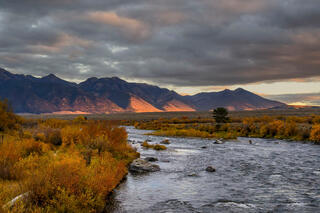
Once the river emerges from Bear Trap Canyon, its character changes dramatically, becoming "wide and shallow with gentle meanders". Public access is abundant along both sides of the river via Bear Trap Road and Highway 84, with much of the land being managed by the BLM. Numerous boat ramps, including California Corner, Canaday, and Damselfly, offer various put-in and take-out options. Mid-river depressions, referred to as "buckets" by guides, are prime trout water. This section also features deep runs around weed-beds, mid-river "rock gardens," and long glides of mixed depth.
This stretch is excellent for quick outings and day trips. It is open year-round and fishes best in the winter, spring, and fall for both wading and floating anglers. However, the summer months (July-August) are generally less conducive to angling due to warm water temperatures and increased crowds of float tubers. This section is often referred to as "The People's River" due to its easy access and proximity to Bozeman. Anglers must be strategic about timing their visits, favoring early mornings or late evenings, and adapting tactics when water temperatures rise and recreational pressure is high. The "buckets" and weed beds become crucial holding water in this shallower, meandering section. Recommended flies include Midges, BWOs, Brown Drakes, Caddis, and PMDs during seasonal hatches. Terrestrial patterns are effective in late summer and early fall. Crayfish patterns, such as the Clouser Crayfish in sizes #6-10, are productive year-round along weed bed edges. Streamers in olive, white, brown, and yellow are standard selections during high flows of late spring and again in the fall.
Black's Ford to Greycliff
River use dramatically decreases once it veers away from Highway 84 at the Black's Ford Fishing Access Site. Public access is limited in this stretch, though wade-fishing is available at the well-developed Greycliff Fishing Access Site. The river widens here, and productive holding water is more spaced out compared to sections upstream. The shallow gravel water in these lower stretches can be difficult to navigate with a hard-side boat during low flows.
While trout populations are lower in this section, the average size of fish tends to be larger, with rainbow and brown trout commonly caught in the 18-20 inch range. Floating is the best method for fly fishing this stretch due to the limited public access. This section appeals to anglers prioritizing solitude and larger fish over sheer numbers. The larger average size of trout here indicates a more mature fishery, which often demands refined techniques for wary, educated fish.
Greycliff to Headwaters State Park
This 18-mile stretch receives the "least use of any stretch of the Madison River" , offering an excellent opportunity for solitude. Limited public access points throughout this lower river section make floating the most practical method for fly fishing. Experienced anglers will appreciate the "diversity and abundance of holding water" throughout this piece of water. The river meets the Jefferson and Gallatin Rivers just north of Three Forks, Montana, at Headwaters State Park, where they form the Missouri River.
For anglers seeking a true wilderness experience without the crowds, this section is ideal. The diverse holding water suggests a variety of tactics can be employed effectively, but the limited access means float-fishing is almost a necessity. This is where an angler can truly feel immersed in the Montana experience, finding peace and challenging fish away from the more frequented areas.
Reading the Water: Unlocking Trout Lies
Successfully catching the Madison's intelligent trout hinges on the ability to interpret the river's subtle cues. Trout are constantly seeking three fundamental elements: food, safety from predators, and a haven from the current. The angler's task is to identify where these three critical factors converge.
The river functions as a "conveyor belt of food". Trout generally face into the current, allowing the river to deliver food to them. The faster the water moves, the more food is transported, influencing where trout choose to hold.
Key features that disrupt the main current, creating a "soft pillow" or eddy where a trout can hold without expending excessive energy, are prime locations. These include:
Boulders and Logs: Trout often position themselves directly behind or in front of the largest rocks. The "buckets" (plunge pools) that form behind larger boulders, varying from a couple feet to 10 feet across, are particularly productive lies.
Undercut Banks: These provide essential overhead cover and a break from the main current.
Riffles, Runs, and Pools: Trout will hold in heavier current that brings food and oxygen, typically near the head of pools. Fast, shallow riffles and soft pillows in front of boulders are common summer haunts.
Mid-river Drop-offs and Seams: These are consistently productive spots for nymphing. Even in seemingly featureless sections, subtle current seams can hold significant numbers of fish.
Weed Beds and Sand Bars: Particularly in the Lower Madison, these areas contain hidden holes and buckets where fish hide. During high water, floating directly over submerged weed beds and suspending flies just above them can be highly effective.
Understanding depth and water color also provides crucial clues. Light-colored water typically indicates shallower sections, while darker water suggests deeper areas. The water's surface often mirrors what is happening beneath it; bumps and unevenness can reveal bottom debris or structure. Changes in water color or surface behavior, such as slowing, swirling, or boiling, can indicate submerged weed beds or other productive holding water.
Trout metabolism is directly tied to water temperature. In cold water (33-45°F), trout require less food and are typically found in slower water. In warmer water (45-60°F), their metabolism increases, and they become more aggressive and actively seek food. However, temperatures above 68°F cause significant stress to trout.
The positions trout occupy are not static; they continuously shift based on factors such as water temperature, current speed, and angling pressure. For instance, in high water, fish tend to hug the banks , whereas in low water, they might move to mid-river locations. A skilled angler does not merely know where fish are likely to be, but comprehends
why they are there and how their location changes with prevailing conditions. This requires constant observation and adaptation. A prime lie that was productive yesterday might be barren today due to a shift in flows or temperature. The ability to interpret the river's ongoing narrative in real-time is the hallmark of a truly accomplished angler.
The Madison's Calendar: Prolific Hatches and Seasonal Strategies
The Madison is renowned for its abundant insect life, providing consistent feeding opportunities throughout the year. Mastering the timing and imitation of these hatches is key to consistent success.
Spring (Late March - May): The Awakening
As winter's grip loosens, the Madison comes alive with the first significant hatches.
Midges (Sizes 18-22): Midges are present year-round but are most prominent in winter and early spring. The consistent flows and nutrient-rich waters of the Lower Madison, particularly the section from Warm Springs to Black's Ford, provide an ideal environment for midge hatches. They are active year-round, with peak activity in winter and early spring, especially on cool, cloudy days during mid-day hours. Productive areas include the Lower Madison (Warm Springs to Black's Ford) and "Between the Lakes". Recommended dry flies include Griffith's Gnat, CDC Transitional Midge, Klinkhammer Midge, Miracle Midge, and Skittering Midge. For subsurface presentations, Zebra Midge, D-Midge (black/red), Top Secret Midge, Disco Midge (red/pearl), and Brassie are effective nymph and pupa patterns.
Blue Winged Olives (BWOs) (Sizes 14-16 spring, 16-22 fall): These mayflies hatch in both spring (late March-May) and fall (September-October). The strongest emergences often occur on cool, cloudy days with light rain. Both the Upper and Lower Madison can experience strong BWO hatches, with the Upper Madison seeing equally strong hatches on sunny or overcast days. Effective dry flies include CDC BWO Comparadun (18-22), Sparkle Dun BWO (16-20), and Parachute BWO (18-22). For emergers, RS2 Emerger (18-22), Soft Hackle Emerger (18-20), and Sprout Emerger (16-20) are recommended. Nymph patterns such as Pheasant Tail Nymph (18-22), Split Case BWO Nymph (16-20), Micro Mayfly Nymph (20-22), and Little Green Machine (18-20) are highly effective.
March Browns (Sizes 10-14, most common 12): This hatch has become increasingly noteworthy on the Madison, typically occurring from late April to mid-May. These are large insects, making them easy prey for hungry trout. Strong hatches can occur on both the Upper and Lower Madison. The Upper Madison's fast flows and rocky substrate provide ideal habitat, with sections below Varney Bridge being particularly productive. The hatch tends to peak during warm, cloudy afternoons. Recommended dry flies are Parachute March Brown, the classic March Brown, and Royal Wulff. For nymphs, Soft Hackle Hare's Ear, Hare's Ear Guide Choice, and Hare's Ear Nymph are effective.
Caddis (Sizes 12-20, most common 14-16): The famous Mother's Day caddis hatch can begin in late April, but most years it aligns with its namesake. Caddis opportunities extend from May through October on the Upper Madison. The Lower Madison experiences the bulk of the Mother's Day hatch. Recommended dry flies include Elk Hair Caddis (14-16), Goddard Caddis (14-18), and X-caddis (12-20). For emergers and pupae, Sparkle Pupa Emerger (Tan/Olive), Pulsating Caddis (Olive/Tan), Caddis Pupa Emerger (Partridge, Olive), and Parachute Caddis Emerger (Olive/Tan) are effective. General nymph patterns like Prince Nymph, Pheasant Tail, and Copper John can imitate caddis larvae.
Spring runoff, typically occurring in May and June , leads to higher and potentially muddier water. While this can be challenging, fishing during runoff is often productive. The murkiness of the water can make trout less spooky, as it prevents them from easily seeing anglers, false casts, and larger tippets. During these conditions, trout tend to hug banks and seek shelter from strong currents. This makes spring runoff a prime time for subsurface fishing with heavier nymphs, such as Pat's Rubber Legs, San Juan Worms, and Copper Johns, and streamers that can be dead-drifted or slowly retrieved to allow fish to locate them in reduced visibility. Anglers should not hesitate to use heavier tippet , as trout are generally less selective in off-color water.
Summer (June - August): The Glory Days
Summer on the Madison is defined by explosive hatches and terrestrial action.
Salmonflies (Sizes 4-8): The "famous salmon fly hatch" is often considered the "crown jewel" of the Madison, drawing many anglers to the river. It typically begins in mid-June on the Lower Madison and migrates upstream into July. Prime areas include the stretch between Quake Lake and Ennis, where heavy pocket water and undercut banks provide excellent holding water for trout feeding on these massive insects. Floating sections between Lyons Bridge and Ennis during this hatch is a bucket-list experience. The hatch can last three to four days. Recommended dry flies include Henry's Fork Foam Stone, Fluttering Stone, Flutter Bug, Pteronarcys Chubby Chernobyl (#6-10), and Dancin Ricky. For nymphs, Pat's Rubber Legs (#4-8, black/brown), Bitch Creek, Biot Epoxy Stone, Tungsten Rubber Leg (#8-10), and Beadhead Prince Nymph are effective.
Golden Stoneflies (Sizes 8-12): These stoneflies hatch after salmonflies, typically from late June into July. They are equally important to trout as salmonflies, despite their lesser "celebrity status". Productive areas are generally the same as for Salmonflies. Recommended flies include small golden or black stonefly nymphs throughout the season , as well as dry patterns like Chubby Chernobyl (#10, #14), Royal Stimulator (#8-16), and Morrish Hopper (#8-12).
Yellow Sally Stoneflies (Nymphs 8-16, most common 10-12; Adults 12-16): Yellow Sallies are a crucial part of the Madison River trout's diet. Nymphs become active in early June on both the Upper and Lower Madison, with adults hatching from mid-June to early August. Anglers should fish nymphs near the shoreline and boulder gardens. Adult Yellow Sallies are most productive in the afternoons. Recommended dry flies include Mangler Sally (low profile, foam body/post) and Stubby Chubby (yellow, #14-16). It is important that the fly imitation features a prominent red egg sac. For nymphs, G Kes, Beadhead Yellow Sally Nymph, and Iron Sally Jig Nymph are effective.
Pale Morning Duns (PMDs) (Sizes 14-16, most common 16): PMDs are a favorite hatch for Madison River guides , occurring from late June through July. The riffle-run-pocket-water habitat of the Upper Madison is ideal for these summer mayflies, with the "50-Mile-Riffle" being particularly known for exceptional PMD hatches. The Lower Madison also supports a healthy population. Trout can be found gorging themselves at the tail ends of shelves or riffles, and on shallow flats. Recommended dry flies include TWO TONE PMD SPINNER/DUN, FLOP-OVER PMD SPINNER, MOO’S HOT CREEK BANKER PMD, FOUND LINK PMD , as well as Parachute PMD and PMD Sparkle Dun. Effective emerger/cripple patterns include BODY QUILL UV2 PMD SPROUT EMERGER, PMD SPROUT EMERGER/CRIPPLE, T-47 SH PMD EMERGER, FOLDED FOAM PMD C/E, UV2 DNA RS2 PMD Cripple, PMD EMERGER LT. OLIVE, and PHEASANT AND FOLDED FOAM PMD CRIPPLE. For nymphs, DOWNEY’S WONDER NYMPH, FIRE FLY PMD (Tan), LT. COPPER HOLOSHIMMER PMD NYMPH (Brown), LOWRIDER PMD NYMPH, SLIM ICE & ICE PMD NYMPH, OPAL & BLACK PMD NYPH, and QUILL N’ FOAM PMD NYMPH are productive.
Green Drakes (Sizes 14-16): These hatch from June 20 to July 15. While often tougher to hit, they can provide spectacular fishing on cloudy days.
Brown Drakes (Sizes 8-10): Generally easier to hit than Green Drakes. Anglers should look for them on warm, calm evenings.
Tricos (Sizes 18-22): Tricos hatch from August 1 to September 15. Early mornings during this hatch offer opportunities for solitude with steadily rising fish. Key areas include Hebgen Lake. Recommended dry flies are TRICO SPINNER CDC SIZE 18, ETHA-WING SPINNER- TRICO size 20, Drowned Trico Spinner, and Q's loopwing Dun Trico Male #22. Emerger patterns include Skeriks ASAP Emerger Trico, TRICO EMERGER #20, and CDC trico emerger (with or without beadhead). The Zebra Midge can also imitate Trico nymphs.
Spruce Moths (Sizes 14-16): These land-dwelling insects can be a significant hatch from mid-July to mid-August. Their distinctive fluttering near pine trees and bankside bushes can lead Madison River trout to become opportunistic, providing excellent dry fly fishing opportunities. Prime areas are above Ruby Creek and around Lyons Bridge. While caddis patterns can be used, specific spruce moth patterns are preferred.
Terrestrials (Grasshoppers, Ants, Beetles): As summer progresses and aquatic insect hatches decline, land-dwelling insects become common prey for Madison's trout from mid to late July. These are found river-wide, especially near grassy banks, from mid-July through August. While grasshoppers are a common choice, trout often prefer well-presented ants or beetles. Smaller hoppers (#14-16) have become more popular than larger ones. Black and brown ants and beetles in sizes #16-18 are preferred. Recommended patterns include Morrish Hopper (#8-12), Panty Dropper, Juicy Hopper, Evans Baby Foam, Flying Ant (#12-18), and various black/brown ant and beetle patterns.
Summer on the Madison is characterized by a clear progression of hatches, from the large stoneflies (Salmonflies, Golden Stones) in early summer to smaller mayflies (PMDs) and then a significant shift to terrestrials by mid-late July and August. This transition is directly linked to the aquatic food base diminishing significantly during late summer. This progression necessitates that anglers dramatically adapt their fly selection as the season advances. Relying solely on aquatic imitations in August will likely lead to frustration. The river's character also changes, with sections downstream becoming more "freestone-like," featuring braids and willow-lined banks, which often favor larger terrestrial patterns. This requires a flexible fly box and the ability to switch from strictly "match the hatch" to "match the terrestrial" as conditions and food sources evolve.
Fall (September - November): Spawning Runs & Last Hurrahs
Fall brings cooler temperatures, fewer crowds, and the exciting brown trout spawning migration.
BWOs (Sizes 16-22): Strong hatches of BWOs occur in the fall (September-October). These are found on both the Upper and Lower Madison, including the Madison in Yellowstone. Recommended flies are generally the same as for spring BWOs, but often slightly larger sizes are effective in the fall.
Brown Trout Spawning Runs: A "unique fishing opportunity" exists upstream of Hebgen Lake during the fall when brown trout migrate to spawn. The South Fork of the Madison also supports a large brown trout spawning run, contributing to recruitment in Hebgen Lake. Key areas include the Upper Madison, especially the section from Yellowstone National Park to Hebgen Lake , and the South Fork of the Madison. Egg patterns and streamers are highly recommended during this period.
While fall offers incredible opportunities for large fish, particularly due to the brown trout spawn and "egg eating rainbows" , anglers must exercise extreme caution and ethical responsibility. Targeting actively spawning fish on redds (spawning beds) is generally discouraged due to the potential harm to the fish and future generations. It is crucial to focus on fish holding off redds or those feeding opportunistically on eggs, and to practice impeccable catch-and-release techniques to minimize stress on these vulnerable fish. This period is as much about stewardship as it is about angling.
Winter (December - February): Cold Water Opportunities
The Madison remains fishable even in the coldest months, offering solitude and technical nymphing.
Midges (Sizes 18-22): Midges are present year-round and serve as a crucial food source in winter. The Lower Madison (Warm Springs to Black's Ford) is particularly known for off-season midge hatches. "Between the Lakes" also offers good winter midge fishing. Calm, mild winter days with overcast skies can bring the best dry fly fishing opportunities. Recommended flies are the same as for spring midges.
Nymphing: Subsurface nymphing is the primary method for winter fishing, targeting slower, deeper water.
Winter fishing on the Madison is a test of patience and precision. The river experiences its "lowest flows" during this period, and it is characterized by unparalleled solitude. The focus shifts almost entirely to subsurface nymphing with small patterns, often in slower, deeper runs where trout conserve energy. The reward for enduring the cold is the unique tranquility of the river and the challenge of enticing lethargic, cold-water trout. Anglers must be prepared for harsh weather conditions and prioritize careful fish handling to minimize stress on trout in frigid temperatures.
Key Table: Madison River Hatch Chart & Key Fly Patterns
This comprehensive table consolidates vital information on the Madison River's hatches and effective fly patterns, serving as an indispensable reference for anglers.
Insect Size Range Begin Date End Date Key Areas Recommended Dry Fly Patterns Recommended Nymph Patterns Recommended Emerger/Pupa Patterns
Midge 18-22 Jan 1 Dec 31 Lower Madison (Warm Springs-Black's Ford), Between the Lakes Griffith's Gnat, CDC Transitional Midge, Klinkhammer Midge, Miracle Midge, Skittering Midge Zebra Midge, D-Midge, Top Secret Midge, Disco Midge, Brassie Klinkhammer Midge, Miracle Midge, Skittering Midge
BWO 14-16 (Spring), 16-22 (Fall) Mar (Spring), Sep (Fall) May (Spring), Oct (Fall) Upper & Lower Madison, Madison in Yellowstone CDC BWO Comparadun, Sparkle Dun BWO, Parachute BWO Pheasant Tail Nymph, Split Case BWO Nymph, Micro Mayfly Nymph, Little Green Machine RS2 Emerger, Soft Hackle Emerger, Sprout Emerger
March Brown 10-14 (most 12) Late Apr Mid-May Upper & Lower Madison (esp. below Varney Bridge) Parachute March Brown, March Brown, Royal Wulff Soft Hackle Hare's Ear, Hare's Ear Guide Choice, Hare's Ear Nymph (Soft Hackle Hare's Ear can serve)
Caddis 12-20 (most 14-16) Apr 15 Sep 30 Lower Madison (Mother's Day hatch), Upper Madison (May-Oct) Elk Hair Caddis, Goddard Caddis, X-caddis Prince Nymph, Pheasant Tail, Serendipity, Shop-vac, Lil Spanker, San Juan Worm/wire worm, Sculpzilla, Lightning Bug, Two-bit Hooker, Copper John (general nymphs) Sparkle Pupa Emerger, Pulsating Caddis, Caddis Pupa Emerger, Parachute Caddis Emerger
Salmonfly 4-8 Mid-June Mid-July Quake Lake to Ennis (esp. Lyons Bridge to Ennis) Henry's Fork Foam Stone, Fluttering Stone, Flutter Bug, Pteronarcys Chubby Chernobyl, Dancin Ricky Pat's Rubber Legs, Bitch Creek, Biot Epoxy Stone, Tungsten Rubber Leg, Beadhead Prince Nymph (Nymphs crawl to emerge)
Golden Stone 8-12 June 1 July 30 Same as Salmonfly Chubby Chernobyl, Royal Stimulator, Morrish Hopper Small golden or black stonefly nymphs, Pat's Rubber Legs (Nymphs crawl to emerge)
Yellow Sally Nymphs 8-16, Adults 12-16 Early June Early Aug Upper & Lower Madison Mangler Sally, Stubby Chubby (yellow), Lime Trude (with egg sac) G Kes, Beadhead Yellow Sally Nymph, Iron Sally Jig Nymph (Nymphs crawl to emerge)
PMD 14-16 (most 16) Late June July Upper Madison (50-Mile-Riffle), Lower Madison TWO TONE PMD SPINNER/DUN, FLOP-OVER PMD SPINNER, MOO’S HOT CREEK BANKER PMD, FOUND LINK PMD, Parachute PMD, PMD Sparkle Dun DOWNEY’S WONDER NYMPH, FIRE FLY PMD, LT. COPPER HOLOSHIMMER PMD NYMPH, LOWRIDER PMD NYMPH, SLIM ICE & ICE PMD NYMPH, OPAL & BLACK PMD NYPH, QUILL N’ FOAM PMD NYMPH BODY QUILL UV2 PMD SPROUT EMERGER, PMD SPROUT EMERGER/CRIPPLE, T-47 SH PMD EMERGER, FOLDED FOAM PMD C/E, UV2 DNA RS2 PMD Cripple, PMD EMERGER LT. OLIVE, PHEASANT AND FOLDED FOAM PMD CRIPPLE
Green Drake 14-16 June 20 July 15 Madison River (Generic Green Drake patterns) (Not specified) (Not specified)
Brown Drake 8-10 June 20 July 10 Madison River (Generic Brown Drake patterns) (Not specified) (Emergers, Duns, Spinners all needed)
Trico 18-22 Aug 1 Sep 15 Hebgen Lake TRICO SPINNER CDC, ETHA-WING SPINNER, Drowned Trico Spinner, Q's loopwing Dun Trico Male Zebra Midge (as a nymph) Skeriks ASAP Emerger Trico, TRICO EMERGER, CDC trico emerger
Spruce Moth 14-16 Mid-July Mid-Aug Above Ruby Creek, Lyons Bridge Specific Spruce Moth patterns (or Caddis patterns) (Not specified) (Not specified)
Terrestrials (Hoppers, Ants, Beetles) Hoppers 6-16, Ants 12-18, Beetles 12-18 Mid-July Aug River-wide, esp. near banks Morrish Hopper, Panty Dropper, Juicy Hopper, Evans Baby Foam, Flying Ant, Black/Brown Ant, Black/Brown Beetle (Nymphs not applicable, but can use attractor nymphs) (Not applicable)
Mastering the Madison: Advanced Techniques for Wary Trout
The Madison's trout are intelligent, having seen countless flies. To consistently fool them, an angler must refine techniques beyond the basics.
Dry Fly Mastery: The Art of Deception
Achieving drag-free drifts in complex currents is paramount. The fundamental objective is for the fly to float as if nothing is connected to it. Trout instantly detect unnatural movement, often referred to as "micro drag," which is distinct from obvious "major drag". Even the slightest unnatural movement can lead to refusal. Trout in clear, pressured streams, like the Madison, are highly sensitive to any drag.
Key techniques to achieve this include:
Mending: This involves repositioning the fly line on the water, typically upstream, to counteract conflicting currents. The line should be lifted off the water first, then gently flipped to the desired side. It is crucial to mend
before the indicator reaches the "center line" of the drift. Constant mending is often required in dynamic currents.
Reach Mending: This technique involves mending the fly line in the air during the cast by tilting the rod upstream. This pre-positions the line to set up a good drift before the fly even touches the water.
Stack Mending: This is accomplished by adding a small amount of extra fly line or leader above the fly after the cast. This creates a "stack" of line that allows for a longer, more natural drift.
High Sticking: This involves fishing with no fly line on the water, allowing for a completely drag-free drift. It is only feasible when wading within a rod's length of the fish.
River Positioning: Anglers should strategically position themselves to eliminate drag caused by various currents. Sometimes, approaching from upstream and drifting flies directly downstream to feeding fish is the only effective method in slow, conflicting currents.
Leader and tippet selection are critical for clear water and pressured fish. A general guideline, often called the "Rule of 3," suggests dividing the hook size by 3 or 4 to determine the appropriate tippet size. For instance, a size 14-16 fly typically calls for 4x-5x tippet. In sections like those near Quake Lake and Lyons Bridge, where fish populations are higher and pressure is more intense, "finer tippet and smaller flies" are often required. For flies size 18 and smaller, 5x tippet is recommended , and for flies size 22 and smaller, 7x tippet is sometimes employed, though this demands extreme care when fighting fish. While 9-foot leaders are standard, longer leaders (12 feet or even 14 feet) can be advantageous in "very clear water" or on "highly pressured tailwaters and spring creeks" to introduce more slack and minimize the influence of subtle surface currents on the fly. However, excessively long leaders should be avoided when casting large, wind-resistant dry flies or in windy conditions. Braided leaders can offer increased suppleness, which may allow for the use of slightly larger tippet diameters while still achieving slack presentations.
Presentation nuances vary for large dries versus small mayflies. For smaller flies, a precise dead drift is generally preferred. However, when fishing larger stoneflies and terrestrials, imparting some life to the pattern through twitching or swinging can often trigger strikes from bigger fish, particularly in the middle of the river. Double dry rigs, where a larger hopper serves as the lead fly and a smaller ant acts as a dropper, can be highly effective. The larger hopper not only aids in visibility but can also entice a strike from a large brown trout.
Nymphing Nuances: Subsurface Success
Nymphing accounts for an estimated 90% of trout caught annually on the Madison , underscoring its importance.
Two-fly indicator rigs are a common and effective setup. Generally, this involves one large attractor nymph followed by a finesse "match-the-hatch" nymph. A #8 Prince Nymph trailed by a #16 Prince Nymph serves as a good all-season starting point. The typical rigging utilizes a 9-foot, 5-weight rod. A 7-9 foot tapered leader, usually 3X-4X, is attached to the fly line, with the indicator positioned 6-10 inches from the fly line. To prevent the split shot from sliding down the leader, 12-16 inches are clipped off the tapered end and re-attached with a blood knot, with the split shot crimped above this knot. The first (larger) fly is then tied to the fine end of the leader, and a piece of tippet (3-5X) is added to the bend of its hook for the second (smaller) fly, with a distance of 10-14 inches between the flies. An alternative, more advanced rigging involves using a non-tapered tippet (3x-5x fluorocarbon) for nymphing, as it cuts through water more efficiently and sinks faster. A small barrel swivel can be incorporated to prevent line twisting, which is common with repetitive nymphing casts.
Dropshotting is a specialized technique where the split shot is attached to a separate piece of tippet, run off the bottom fly, rather than being placed between flies. This dropshot tippet is typically one size lighter than the main tippet (e.g., 5x if the main tippet is 4x). The primary benefit is that if the weight snags, only the dropshot section breaks off, preserving the rest of the rig. The round weight on the bottom also gets caught less frequently and can often be freed by pulling upstream. This method helps keep the line straighter and tighter, significantly improving strike detection.
Targeting specific structures is crucial for nymphing success. Anglers should focus on nymphing the edges, below, and in front of the biggest rocks. In the upper Madison (Hebgen to Lyons Bridge), working around rocks within three feet or less of the shore can be particularly productive. Mid-river drop-offs are consistently likely spots. In the Lower Madison, during high water, floating over submerged weed beds and suspending flies just above them is effective. "Buckets," plunge pools created by moving ice jams, are prime trout water in the Lower Madison. Even in seemingly uniform sections of the Lower Madison, subtle current seams are crucial for finding fish.
Adjusting weight and depth for varying flows is essential. During high water, adding more split shot is necessary to get flies down quicker, especially when wade fishing or fishing from a stationary boat. Heavier tippet is also advisable in these conditions. In contrast, during low water, the focus should shift to targeting slower, deeper water. A general rule to gauge depth is that if bubbles on the surface are moving faster than the strike indicator, the angler is likely at the correct depth.
Nymphing on the Madison is not simply about placing a fly in the water; it is about precisely presenting it in the feeding lane at the correct depth and speed. This demands continuous micro-adjustments to weight and indicator placement, based on subtle changes in current, depth, and fish behavior. The dropshot rig exemplifies the need for ultimate control over the fly's depth and drift, minimizing snags while maximizing presentation to the often wary trout.
Recommended nymph patterns include Pat's rubber legs (#4-10), prince nymphs (#6-18), pheasant tail (#12-20), serendipity (#14-20), shop-vac (#14-20), lil spanker (#12-20), san juan worm/wire worm (#6-12), sculpzilla (#8-10), lightning bug (#12-20), guides choice hares ear (#12-20), two-bit hooker (#16-20), and copper john (#12-20).
Streamer Savvy: Hunting for Trophy Browns
Streamer fishing is the preferred tactic for targeting the Madison's "beastly browns" , focusing on catching larger fish rather than high numbers.
The best times for streamer fishing are early season, late season, and on overcast days during summer. Early morning streamer fishing can be particularly productive. Low light conditions, such as those during rainstorms, are often preferred by big browns, triggering increased feeding activity.
Retrieve variations are crucial for success. The Madison's fast, turbulent current can impart plenty of action to a streamer when dead-drifted as part of a standard nymphing rig. When stripping, anglers should vary their speed and action; sometimes a slow, steady retrieve is effective, while other times a fast and aggressive retrieve will trigger more strikes. It is also important to strip the fly all the way to the boat or bank, as fish often follow a streamer for a distance before committing. Another effective method is swinging, where the streamer is cast across or quartered downstream and allowed to swing through the water, with the rod tip twitched to add movement.
Line choice depends on the streamer's weight and the desired depth. Floating lines are suitable for smaller or unweighted streamers. For medium to largest or heaviest streamers, sink tips or full sinking lines are necessary. Matching the fly's sink rate to the fly line is important. Full sinking lines are useful for wade fishing, while sink tips are generally sufficient for float fishing.
Targeting prime streamer lies requires continuous casting to locate fish, as they can be found almost anywhere: mid-river, near the bank, or around structure. During high water, fish are often pushed tight to the banks (within 5-10 feet) where the water is softer. In rainstorms, big browns tend to move out of deeper water to hunt in shallower riffles, weedbeds, shallow glides, and tail-outs. For night fishing, focusing on shallow water and inside bends is often productive.
Recommended streamer patterns include Wooly bugger (#2-12), thin mint (#6-12), Delekta's screamer (#6-8), Delekta's double screamer (#6-8), Zonker (#2-10), Mini-loop sculpin (#6-8), Sculpzilla (#2-8), Articulated Fat Head, Articulated Boogie Man, Articulated Sex Dungeon, Articulated Mini Dungeon, Home Invader (#2-8), and Dirty Hippy (#6). Standard colors are olive and tan. Darker flies are preferred on overcast days or in off-color water , while brighter flies work better on brighter days and in cleaner water. Black is an excellent choice for night fishing. Sculpin imitations should feature bulky front profiles and bunny fur tails that undulate well in the water. When streamer fishing for big browns, particularly in the rain, upsizing to 1X or 2X tippet is advisable.
Streamer fishing is a more active, predatory approach, aiming to provoke a territorial or opportunistic strike rather than matching a specific insect. Understanding how environmental factors like rain, water temperature, and light levels influence the behavior of large, wary brown trout is crucial. This means being prepared to change retrieve speeds, fly colors, and target specific "hunting grounds" rather than just resting lies, often in shallower water where baitfish congregate.
Adapting to Conditions: The Dynamic River
The Madison is a dynamic system; successful anglers continuously adapt to its daily and seasonal fluctuations.
High Water (Spring Runoff)
River flows are typically highest during spring runoff, generally occurring in May and June, due to snowmelt and dam releases. Flows exceeding 2,500 cfs are fast but remain fishable. During high water, fish are found throughout the river, not exclusively along the banks. They tend to hug banks and seek shelter from strong currents. Fish are also found over submerged weed beds, which become more accessible in higher flows.
Tactics for high water include not exclusively fishing the banks and fishing over submerged weed beds. Upsizing tackle is often beneficial, using 10 lb tippet and flies with good profile and contrast. Crayfish patterns, San Juan Worms (red/pink), and nymphs with bright beads or flash (e.g., Copper John) are effective choices. Streamer fishing is also a popular and productive tactic. When nymphing, adding more split shot is necessary to get flies down quickly, especially when wade fishing or fishing from a stationary boat.
The water clarity can be affected by snowmelt, leading to muddied conditions. However, this murkiness can sometimes make fish less spooky, as it provides a veil that obscures the angler's presence and larger tippets. The term "Green is good" clarity is often used to describe favorable high-water conditions. High, off-color water, while challenging, offers an advantage: it makes trout less wary. This is a prime time to use heavier tippets and larger, more visible flies (attractor nymphs, San Juan Worms, bulky streamers) because fish rely more on scent and vibration in reduced visibility. It is also a period when fish move into unexpected, shallower lies closer to the banks, making them more accessible to anglers who understand these behavioral shifts.
Low Water (Late Summer/Winter)
The lowest flows on the Madison are experienced in late summer and dead of winter. Flows under 900 CFS can result in "skinny water," but the river generally remains floatable year-round. During low water, tactics shift to targeting slower, deeper water. Nymphing remains highly effective, and dry-dropper setups, particularly with terrestrial patterns, become popular in late summer.
Low flows in late summer coincide with a diminished aquatic food base and increased fishing pressure. This combination makes fish more wary and necessitates the use of "finer tippet and smaller flies". Low water exposes more of the riverbed and can concentrate fish, but it also makes them more visible and susceptible to pressure. Anglers must employ stealth, longer leaders, finer tippets, and smaller, more realistic fly patterns. Starting early in the morning becomes crucial to avoid crowds and target fish before they become highly pressured by the day's activity.
Warm Water (Summer)
Trout do not thrive in water temperatures exceeding 68 degrees Fahrenheit; fishing above this threshold significantly stresses them. A temperature of 70 degrees Fahrenheit typically triggers "hoot owl" fishing restrictions. These restrictions prohibit fishing each day between 2 p.m. and midnight when water temperatures exceed 73 degrees for three consecutive days.
Tactics for warm water conditions include carrying a thermometer and ceasing fishing for the day if water temperatures exceed 68°F. The best approach is to fish early in the day, typically until around 2 PM, and then resume closer to sunset. Targeting higher elevation streams where the water is naturally cooler can also be a viable option.
The Madison's water temperature can reach critical levels in summer, with 68°F being a stress point for trout and 70°F triggering "hoot owl" restrictions. Fighting fish in warm, low-oxygen water can lead to delayed mortality, even if the fish initially swims away. This is not merely a tactical consideration but an ethical imperative. Responsible anglers prioritize the health and survival of the fish over their catch count. Carrying a thermometer and adhering to "hoot owl" restrictions, or implementing self-imposed ones, is paramount to preserving the fishery for future generations. This highlights the importance of understanding the biological impacts of environmental conditions on trout.
Ethical Angling: Preserving the Madison's Legacy
As stewards of this incredible resource, every angler has a profound responsibility to practice ethical angling and uphold river etiquette.
Catch-and-Release Best Practices:
Barbless Hooks: Using barbless hooks or pinching barbs on flies significantly reduces injury to fish and allows for easier, quicker hook removal.
Minimize Fight Time: Employing a strong enough tippet to land fish quickly reduces their exhaustion, which is critical for their recovery and survival.
Wet Hands: Always wet hands thoroughly before touching a fish. This protects the trout's delicate protective slime coating, which prevents infections and disease.
Keep Fish in Water: Whenever possible, remove the hook while the fish remains in the water. If a fish must be lifted for a photo, do so quickly and gently, keeping it out of the water for no more than 15-30 seconds. A helpful guideline is to hold one's breath; if the angler needs to breathe, so does the fish.
Rubber Net: Utilize a rubber net, as it is far gentler on a fish's skin and fins compared to traditional mesh nets.
Self-Release: When releasing a fish, gently cradle it in the net or hands and allow it to swim away under its own power. Forcing a release can cause further stress.
Temperature Awareness: Exercise extra caution in warm water (above 68°F), as trout are more vulnerable to stress and mortality increases. Conversely, in colder months, minimize contact as fish can be lethargic.
River Etiquette and Responsible Recreation:
Licenses & Permits: Always acquire all required permits and licenses before fishing. It is important to remember that Yellowstone National Park requires a separate fishing license.
Patience & Courtesy: Practice patience, clear communication, and friendliness at boat ramps and on the water. Ensure ample room is given to fellow anglers and other river users, such as tubers.
Minimize Disturbance: Communicate intentions when passing others on the river. Minimize loud noise or music to preserve the peaceful surroundings.
Leave No Trace: Pack out all garbage and litter, including micro-trash. Strive to leave areas cleaner than they were found. Solid human waste should be packed out, and liquid waste should go directly into the main river channel to keep beaches and campsites clean.
Wildlife: Observe wildlife from a respectful distance and maintain quiet behavior.
Camping: For overnight trips, utilize fire pans and established fire rings, and store all food and attractants in bear-resistant containers.
The decline of mountain whitefish populations on the Madison serves as a critical ecological lesson. This decline has been linked to past "misguided, highly unethical and illegal practice[s]" by some anglers and guides who harmed or discarded whitefish. Despite their importance as a native fish and a food source for trout, whitefish were historically devalued. The current understanding is that "whitefish are the 'canary in the coalmine' for the health of a watershed" , meaning their decline can signal broader environmental issues such as drought, warming water temperatures, and metal toxicity. This underscores that ethical angling extends beyond just trout to respecting all native species and understanding their integral role in the watershed's overall health. Responsible behavior today directly impacts the entire river's future, ensuring its vitality for generations to come.
Conclusion: The Madison's Enduring Call
The Madison River remains an "amazing fishery" and one of the "premier fly-fishing destinations in the American West". Its diverse sections, prolific hatches, and challenging trout offer a lifetime of learning and reward for the dedicated angler. By applying advanced techniques, understanding the river's dynamic conditions, and upholding the highest ethical standards, an angler can ensure that their Madison experience is not only successful but also contributes to the enduring legacy of this magnificent river for generations to come.