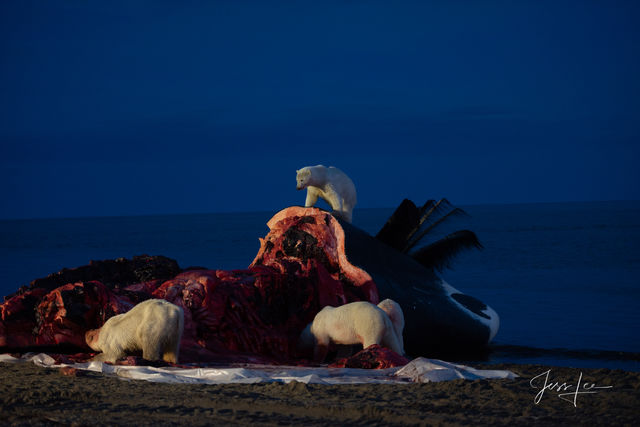
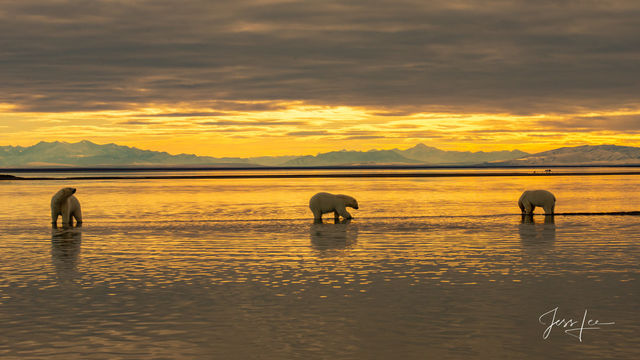
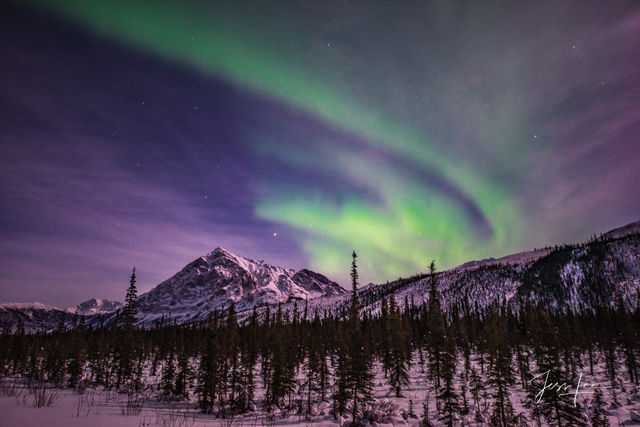
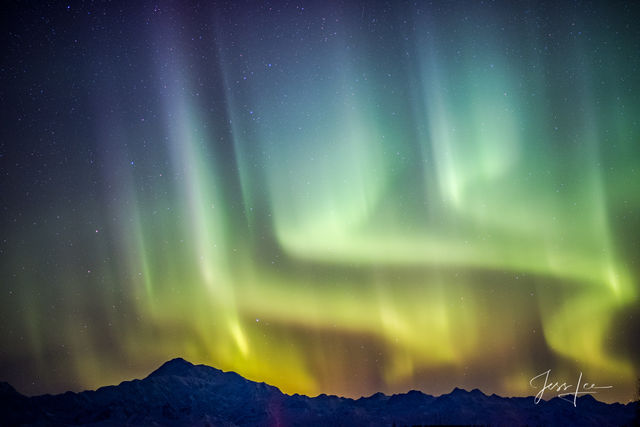
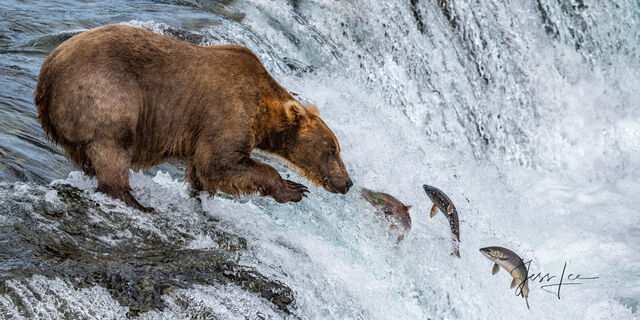
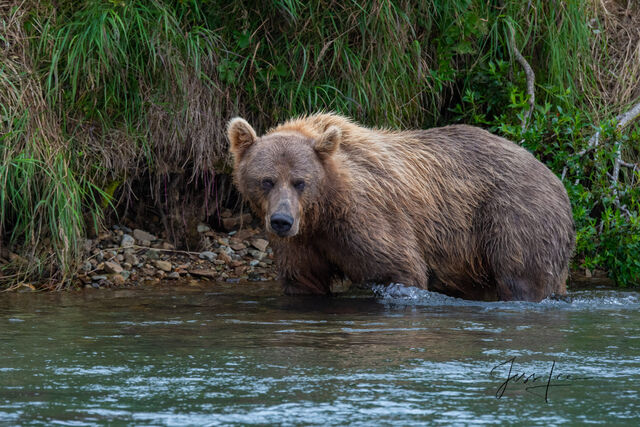
Whether you're drawn to the majestic peaks of the Alaska Range, the mysterious depths of old-growth temperate rainforests, the ethereal dance of the northern lights, or the powerful presence of a grizzly bear fishing for salmon, Jess Lee's collection offers images that resonate with the spirit of adventure and reverence for nature that Alaska inspires.
Each print represents not just a moment frozen in time, but the culmination of a photographer's lifetime dedication to his craft and his subject. The technical excellence, artistic vision, and emotional authenticity evident in these images elevate them from mere photographs to fine art that will bring the essence of Alaska into your space for years to come. Start or grow you fine art photography collectionwith Beauitful Fine Art Limited Edition Photography prints that are available as Trulife Acrylic and Metal presentations.
My Alaska Photography Experience
Alaska was one of the very first places I ventured to when I began seriously photographing bears and other wildlife. I was immediately stricken by the sheer scale of the mountain scenes and knew instinctively that I would have to dedicate significant time there to photographing landscapes as well. Since that initial journey, I have returned again and again over the last 40 years.
My Alaska photography gallery encompasses locations from Southeast Alaska, Kodiak Island, Katmai, and Lake Clark National Park in the South, extending through the majestic Denali National Park, into the rugged Brooks Range, and all the way to Barter Island on the north coast. During these many trip to both iconic locations to remote wilderness location at the time of midnight sun through the endeless dark to the far noth in winter I have been able to capture the rare beauity of this great land. The images captured during these many trips have been used in publications such as National Geographic, and many more. This work also is included in many private and commerical fine art limited edition collections world wide. Despite the extensive time I've spent immersed in this incredible state, I still feel like I've barely scratched the surface of its photographic potential. More trips are undoubtedly in order, as Alaska continues to reveal new layers of beauty with every visit.
Alaska's mountains are the very heart of its photographic allure, offering endless opportunities for awe-inspiring fine art prints.
Brooks Range
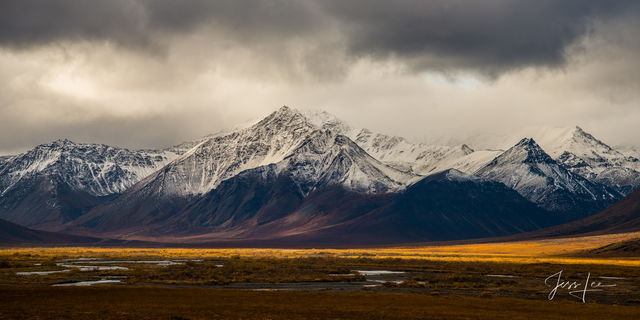
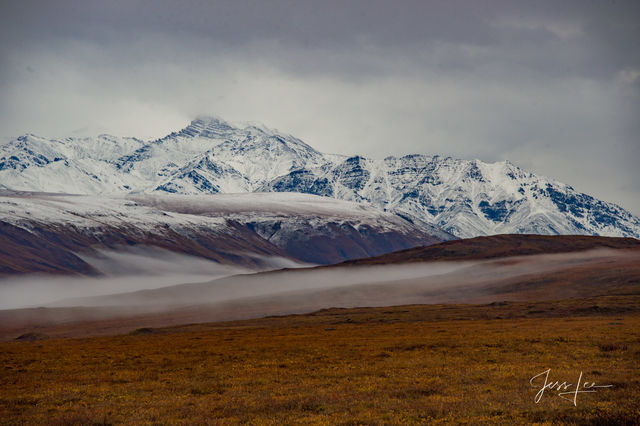
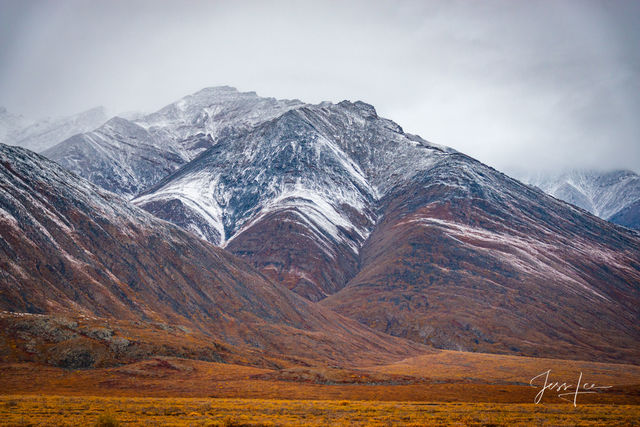
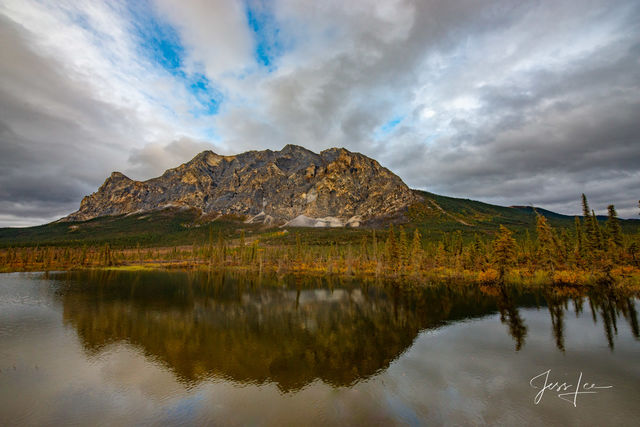
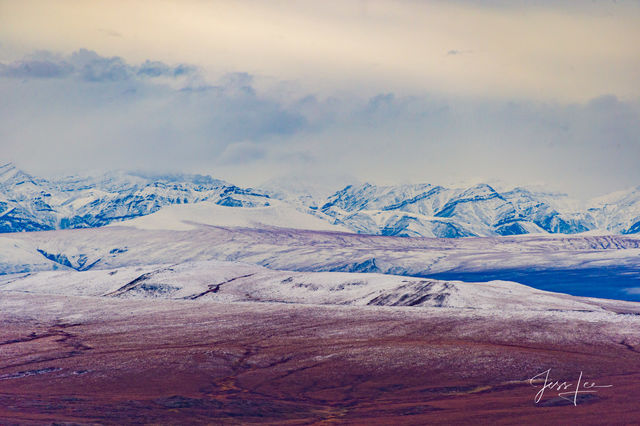
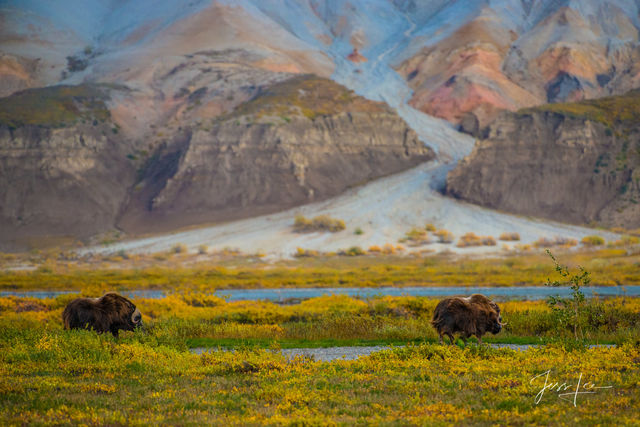
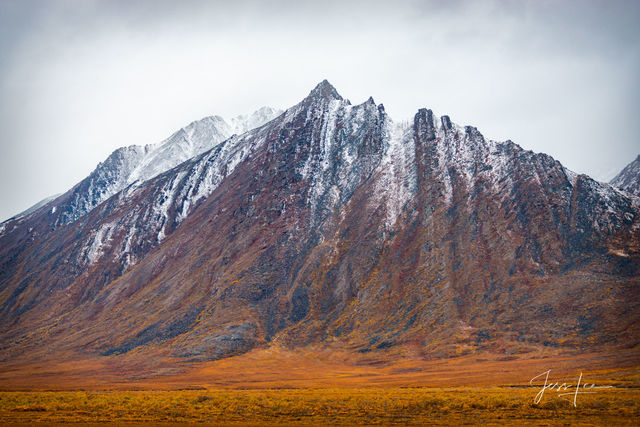
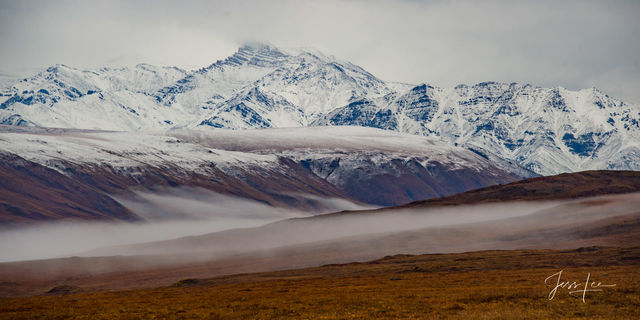
The Brooks Range stretches 700 miles across northern Alaska into Canada, forming the northernmost continental divide of the United States. While largely uninhabited and remote, the range is transected by the Dalton Highway, offering accessible dramatic mountain scenes, particularly around Atigun Pass. I've found incredible photographic opportunities here, from aerial views of dramatic clouds spilling light over the Philip Smith Mountains to the pink alpenglow on peaks in the Arctic National Wildlife Refuge. Mount Sukakpak is known for its distinctive shape and changing appearance from various viewpoints along the winding road, while Mount Snowden, south of Atigun Pass, offers a striking vertical face often accented by dramatic lighting. The immense expanse of the Brooks Range contains a fantastic array of peaks, many requiring access via airplane or river, which I've utilized to capture their remote beauty.
Chugach Mountains
The Chugach Mountains, with their snow-capped peaks, offer stunning photographic opportunities, especially in the fall when golden yellow autumn foliage of aspen and birch trees blankets the landscape. I've captured dramatic road trip views and serene lake reflections, such as those at Tern Lake on the Kenai Peninsula. The Chugach National Forest and State Park provide diverse scenes, from the turquoise Lower Trail Lake with railroad tracks to wild flowers blooming in the wilderness. The Anchorage skyline, framed by the snowcapped Chugach Mountains, offers unique urban-meets-wilderness compositions, particularly at sunrise from Beluga Point or at night. I've also found scenic shots across the Matanuska River in Valdez and Palmer, showcasing the grandeur of the range.
Denali National Park
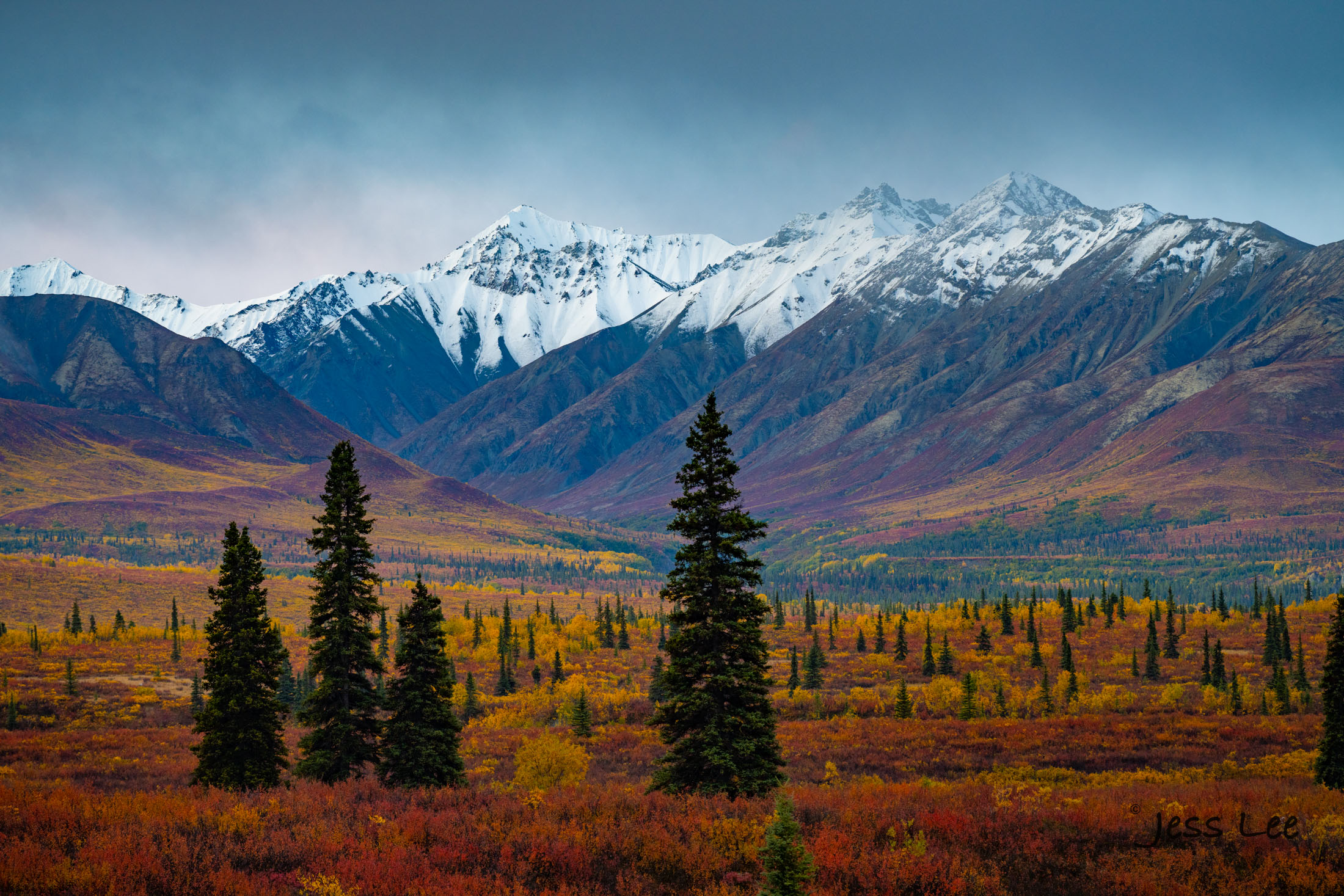
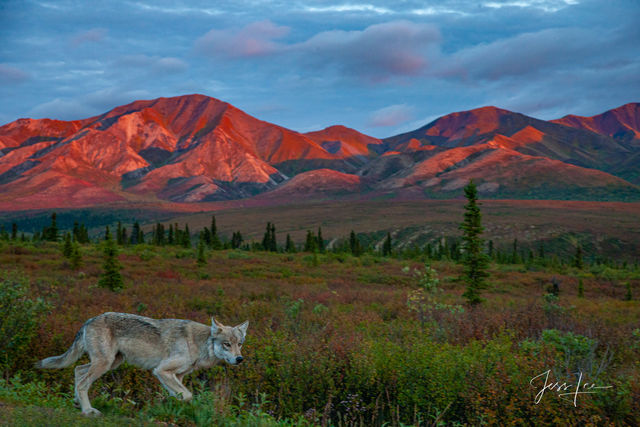
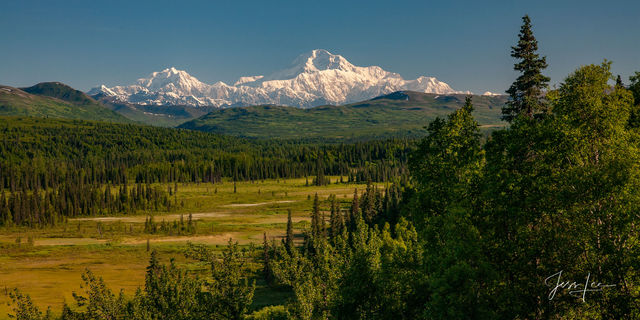
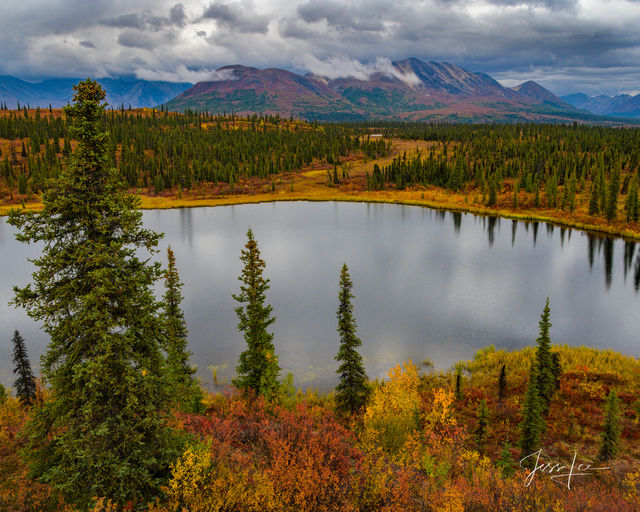
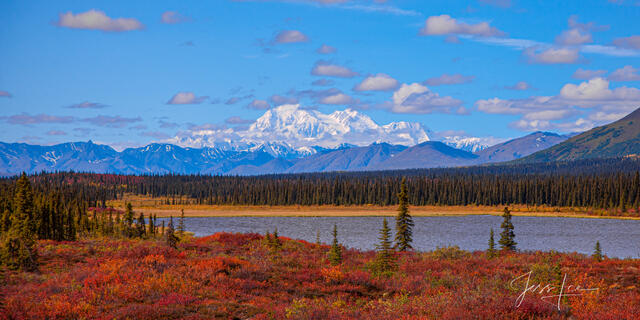
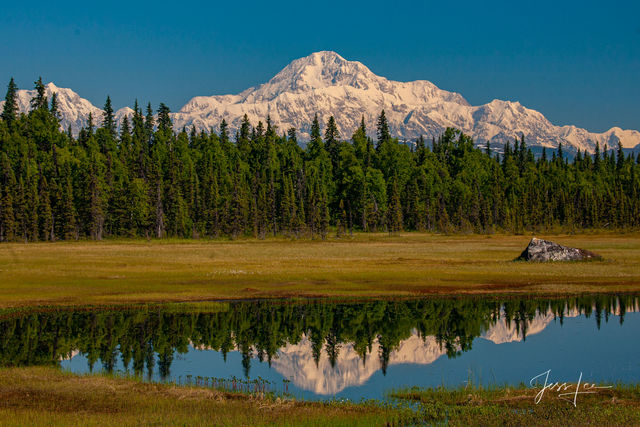
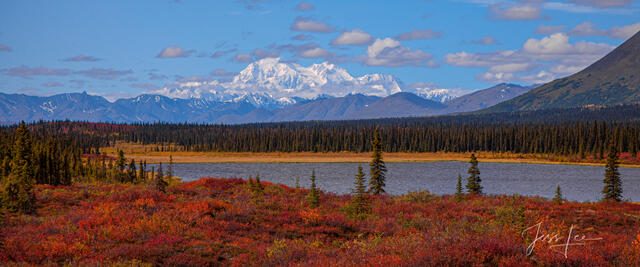
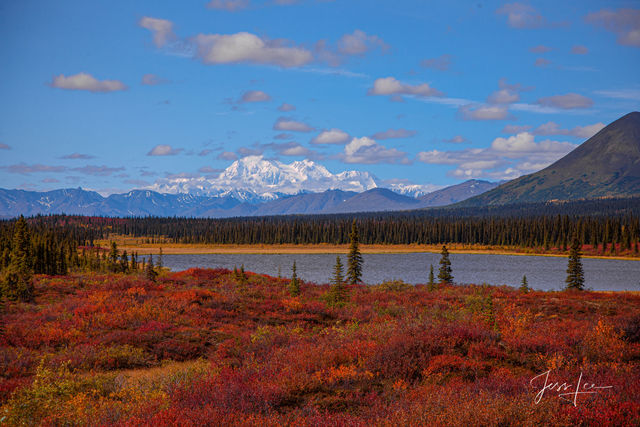
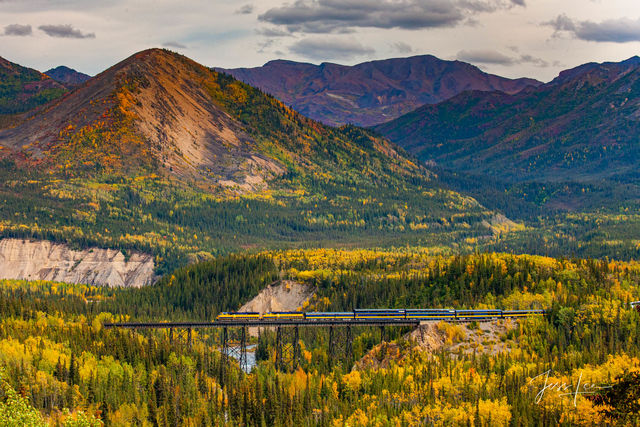
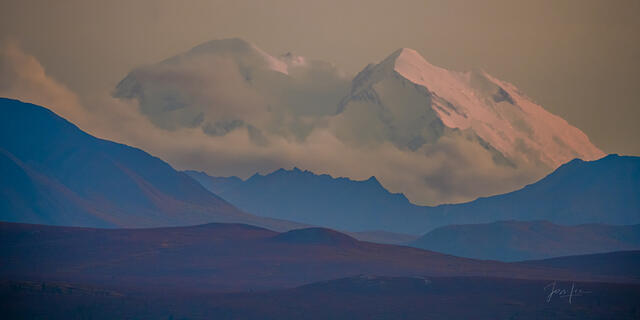
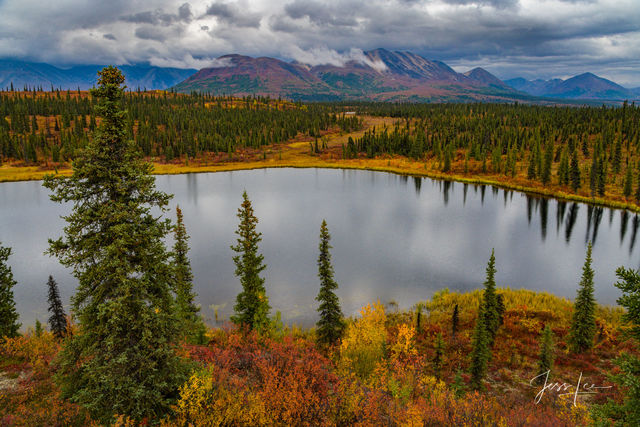
Denali National Park is a quintessential photographer's paradise, offering iconic landscapes and diverse wildlife. It is home to Denali, the tallest mountain in North America, which often looms majestically over the vast landscape. My photography here focuses on panoramic landscapes, majestic mountains, and serene reflection ponds, which perfectly mirror the towering peaks. I've explored the Denali Highway for unmatched photo opportunities, from dramatic landscapes to wildlife sightings, making frequent stops to capture the scenery. On clear days, I make sure to head to Broad Pass for iconic shots of Denali itself. For truly unique perspectives, I've taken helicopter access backcountry photo excursions, allowing me to hike ridgelines for views across an endless sea of mountains, with alpine tundra flowers adding colorful accents. The Midnight Sun tours offer dramatic light with long-lasting sunset colors and alpenglow, ideal for capturing the mountains in their most ethereal glow.
Matanuska Glacier
The Matanuska Glacier, one of Alaska's most accessible glaciers, presents incredible photographic opportunities, especially when its aqua blue ice contrasts with vibrant fall colors. I've captured its rugged and crevassed reach anchoring an extraordinary mountain vista, punctuated by waterfalls and lush forest. While visible from the Glenn Highway, I highly recommend booking a tour to get closer or even walk on the glacier itself, as the blue hues of the glacial ice are truly striking up close. Cloudy or drizzly weather can actually enhance the blue tones in the ice, making for even more captivating images. I've explored various viewing spots, from Photo Point with its head-on view across the lake to elevated perspectives from the East Glacier Trail. For unique angles, I've taken flightseeing tours with glacial landings and even paddled across Mendenhall Lake among icebergs, offering dramatic, up-close views of its massive face.
Glacier Bay National Park
Glacier Bay is one of the most dramatic places on Earth, offering virtually limitless opportunities for amazing images.The ice-encrusted peaks of the Fairweather Range, reaching up to 15,000 feet, provide a humbling backdrop to vast tidewater glaciers that descend to the shorelines. I've spent countless hours capturing the thunderous explosions of calving glaciers, where huge chunks of ice plummet into the ocean, creating incredible tumult of ice and sea spray. For these dynamic events, I keep my camera on the glacier face, use burst mode with a shutter speed of 1/1000s or faster, and watch for signs like shifting ice or birds flying off that signal a bigger event is coming.
The raw beaches, covered with mossy rocks and blue bergy bits, are ideal subjects for my wide-angle lenses, allowing me to emphasize their stark beauty and add dramatic effect. I also focus on capturing the fine textures like bubbles, cracks, and layering within the ice, sometimes using a macro lens for extreme close-ups. Overcast light works exceptionally well for revealing texture and color without harsh shadows, and I often look for icebergs that glow when backlit in early morning or evening. When shooting from a boat, a long lens with stabilization is my primary tool for capturing wildlife or details on windswept beaches, and I always use a fast shutter speed (1/500s or faster) as icebergs and boats drift more than one might think.
Capturing Life in the Wild: Alaska Wildlife Photography
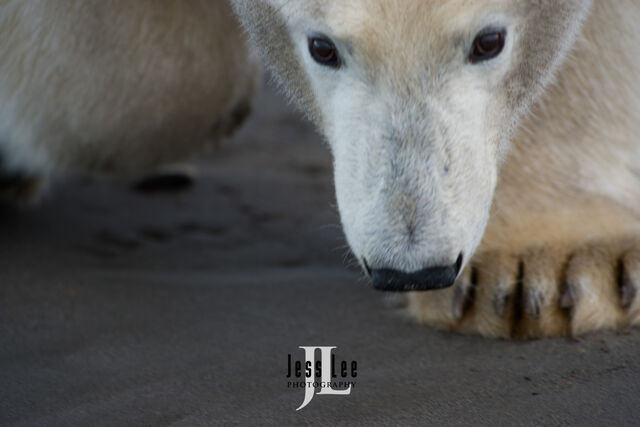
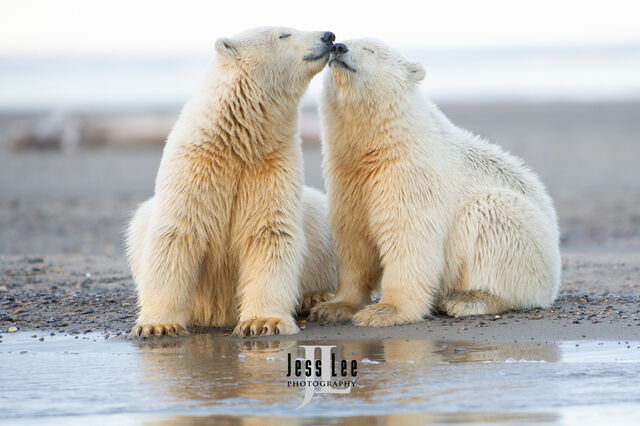
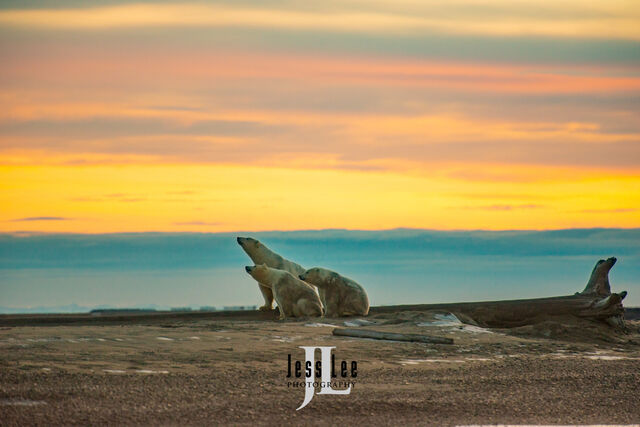
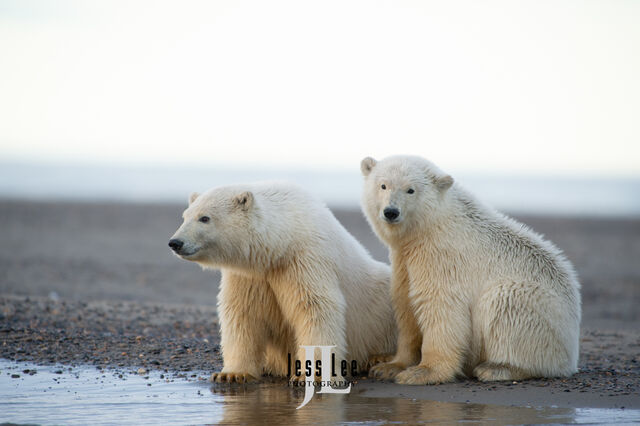
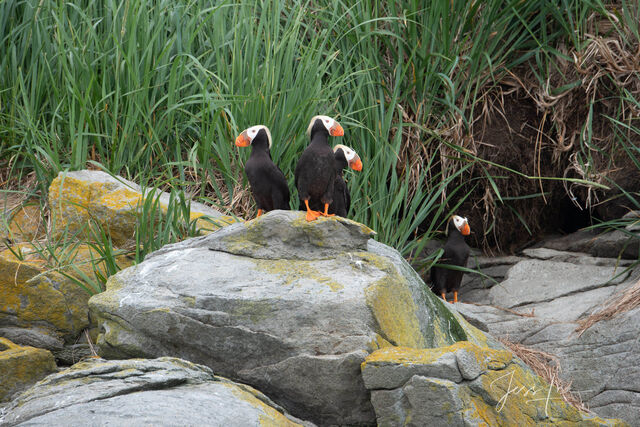
As a fine art photographer in Alaska, my lens often turns to the incredible array of wildlife that inhabits these diverse landscapes. Capturing these creatures in their natural habitats requires not only technical skill but also a profound respect for their well-being and the environment. My approach is always guided by ethical principles, ensuring that I maintain a safe and respectful distance to avoid disturbing animals, prioritizing their welfare above all else. This often means relying on powerful telephoto lenses, typically 400mm or greater, to get the shot without intrusion; as I always say, if you can get a good shot with your phone, you're likely too close.
My goal is to capture authentic moments, showcasing how animals interact with their habitat—whether they are eating, hunting, caring for their young, or migrating. This storytelling approach elevates wildlife photography to fine art, reflecting genuine behavior rather than staged scenes. To freeze the dynamic motion of wildlife, I consistently use fast shutter speeds, typically 1/500th or 1/1000th of a second for most animals, and even faster, 1/2500th or more, for birds in flight. For particularly distant or sensitive subjects, I've explored techniques like digiscoping, which allows for ethical long-distance capture using a spotting scope and a camera. When possible, I also leverage my vehicle as a mobile blind, providing both protection and a stable platform for my camera.
Alaska offers unparalleled opportunities for wildlife photography throughout the year:
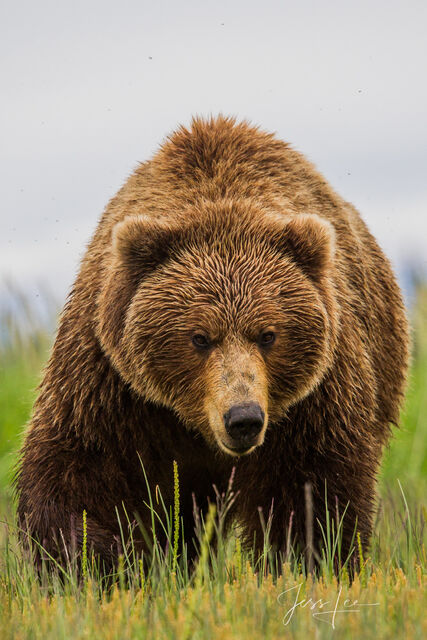
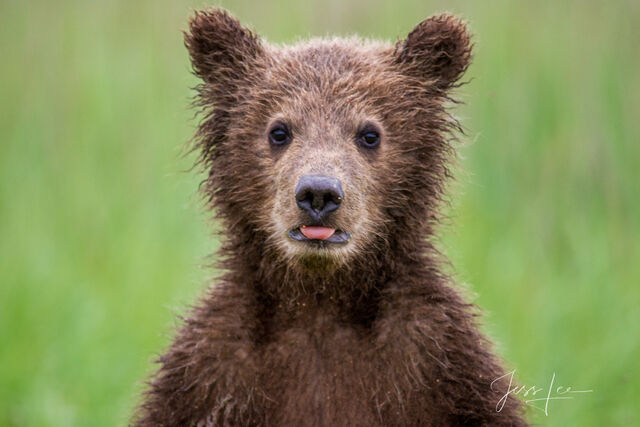
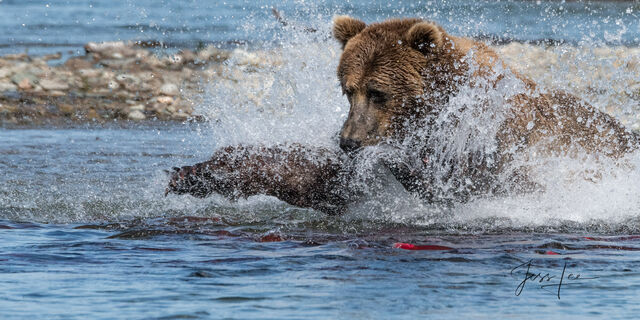
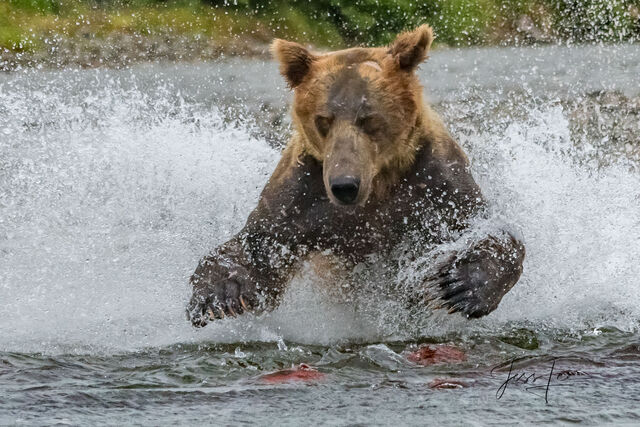
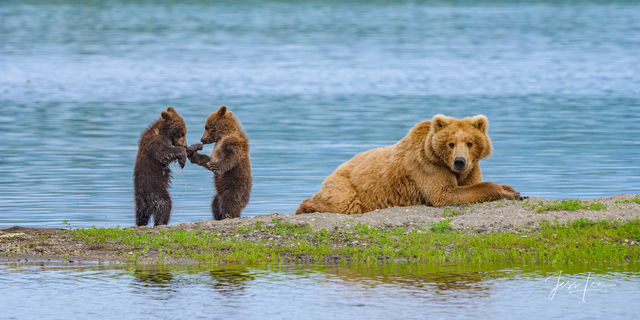
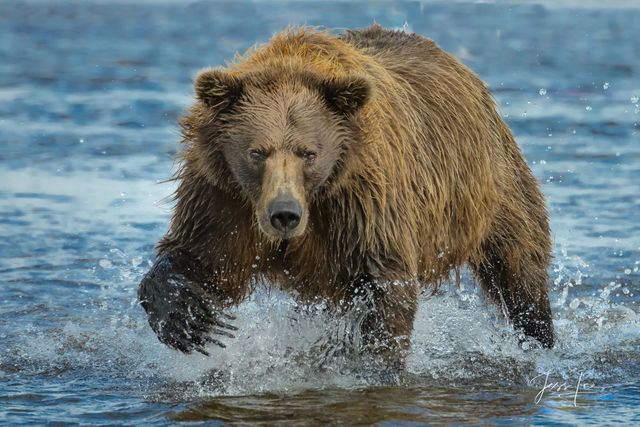
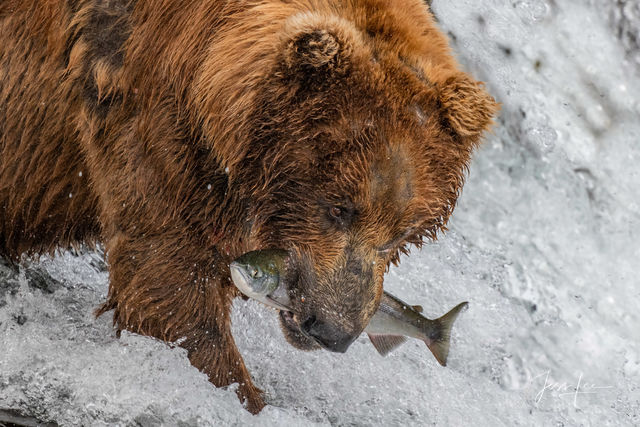
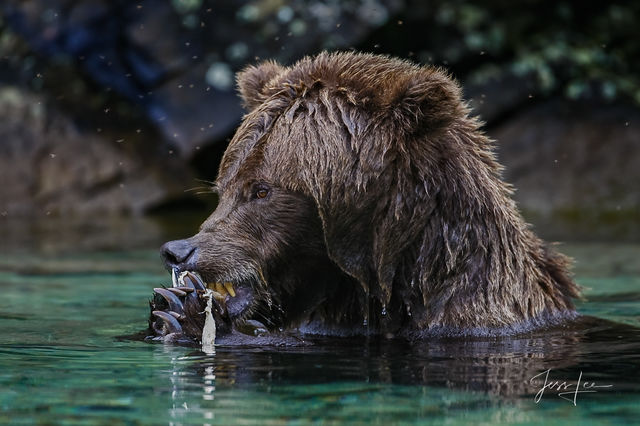
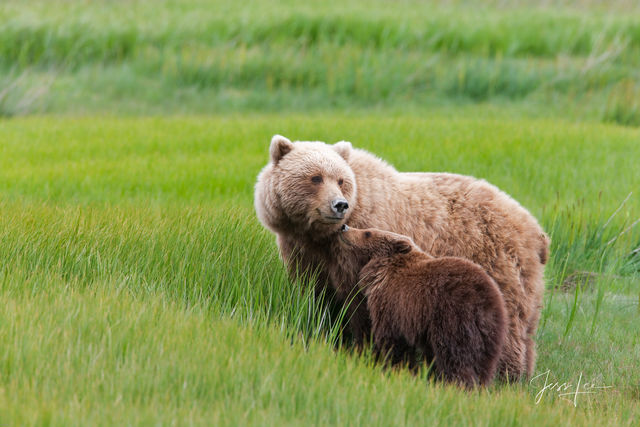
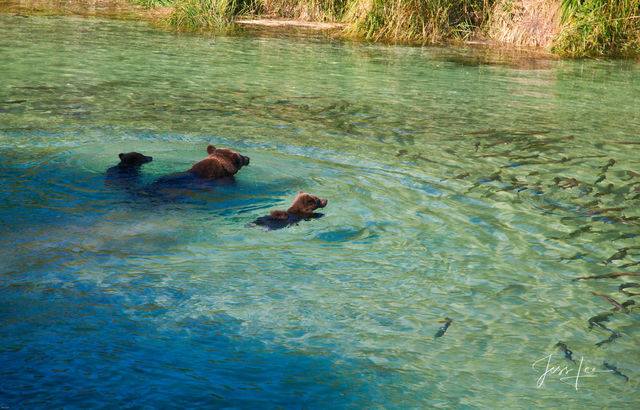
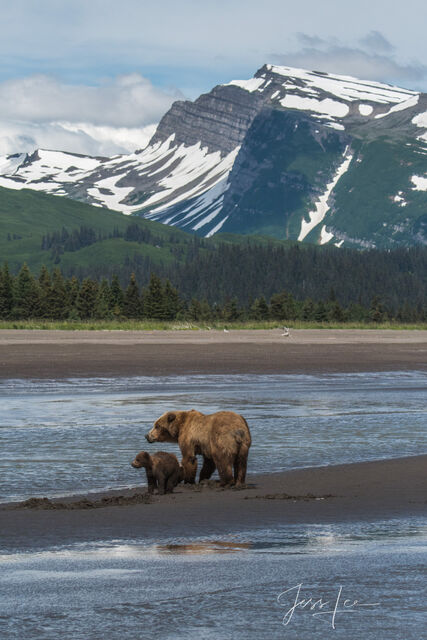
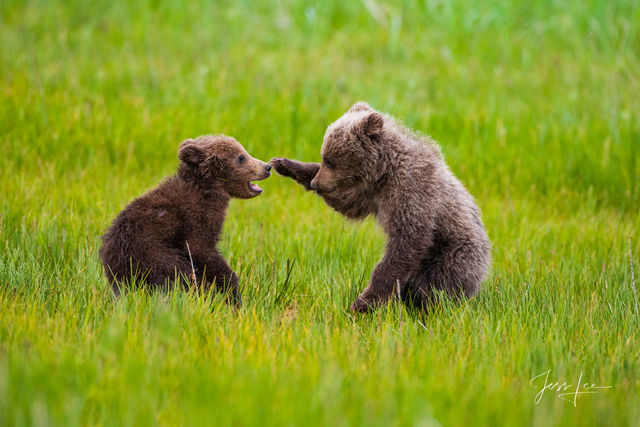
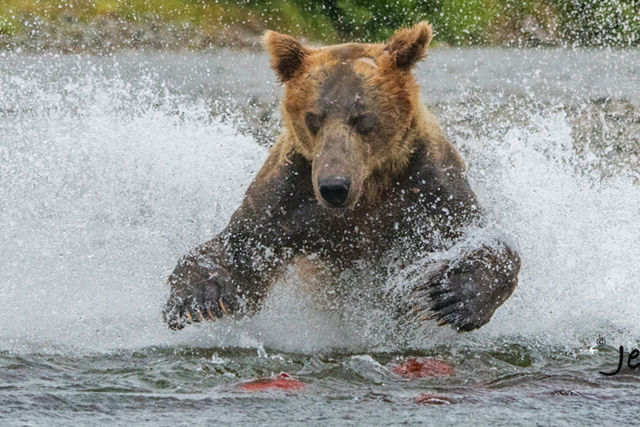
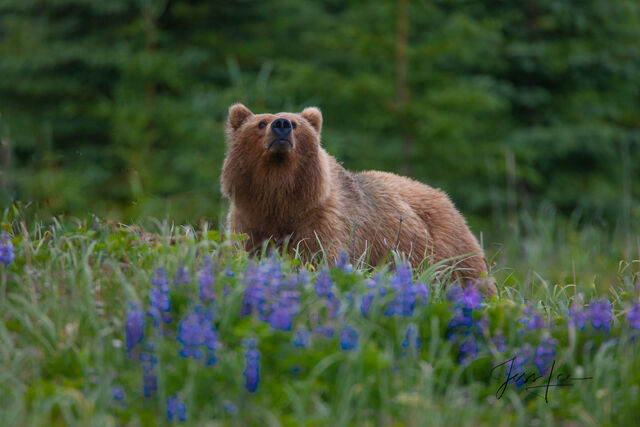
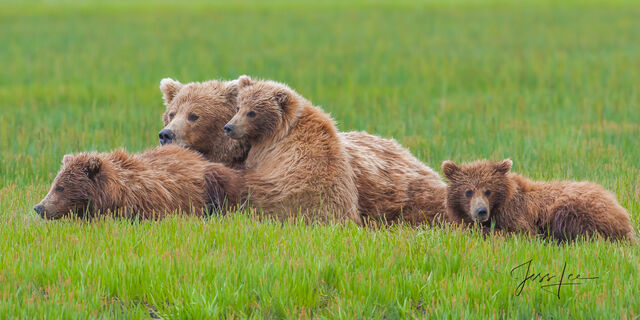
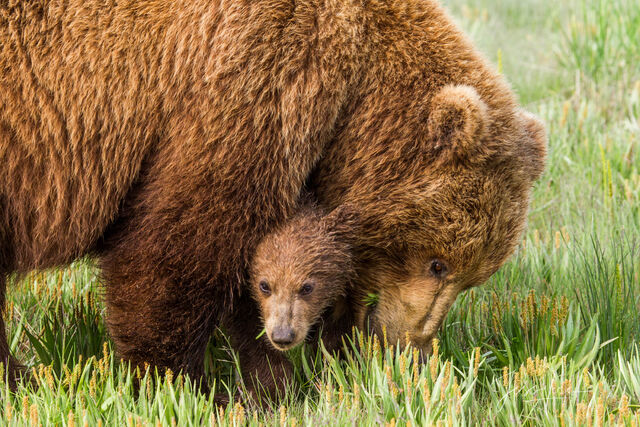
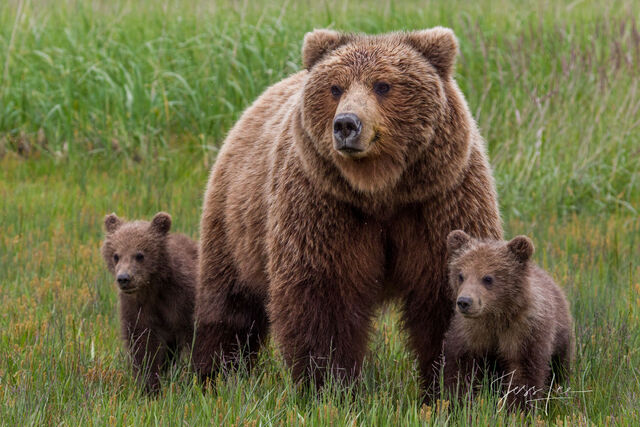
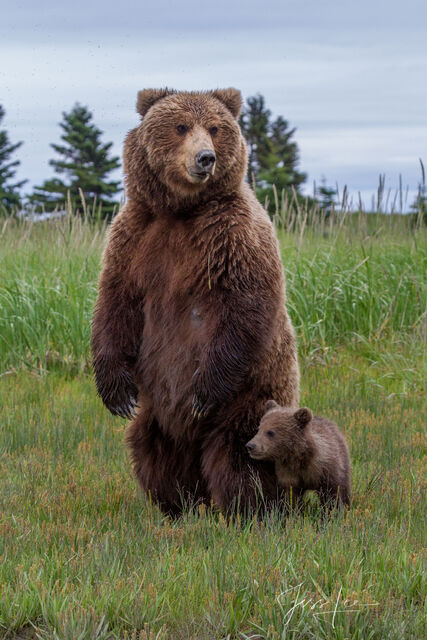
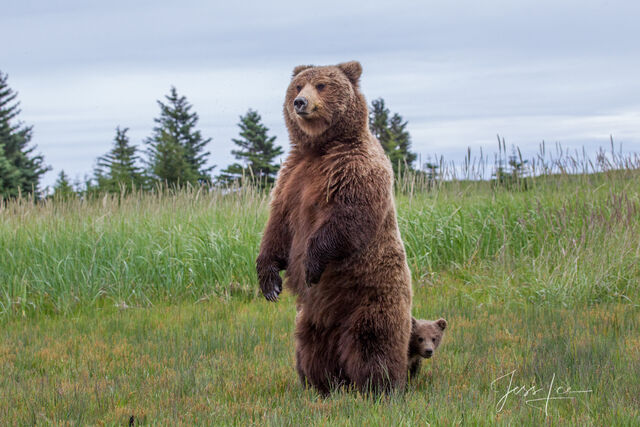
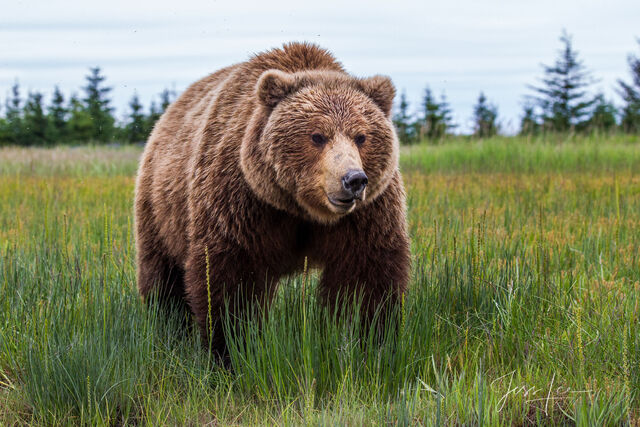
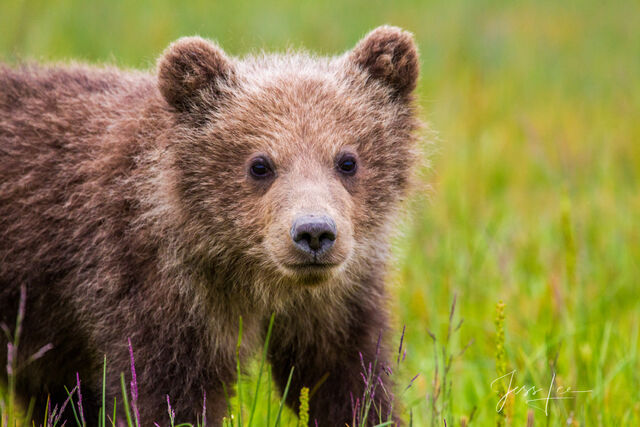
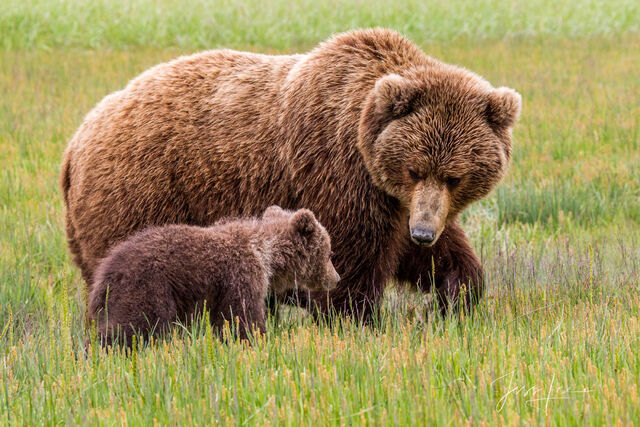
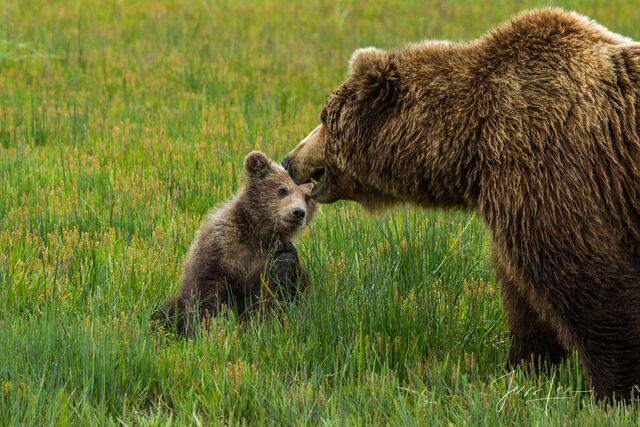
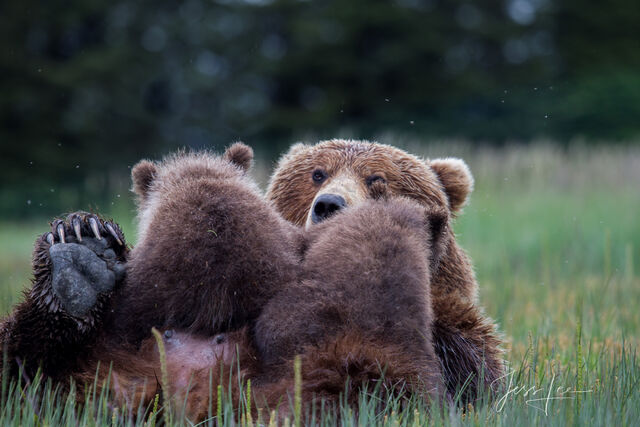
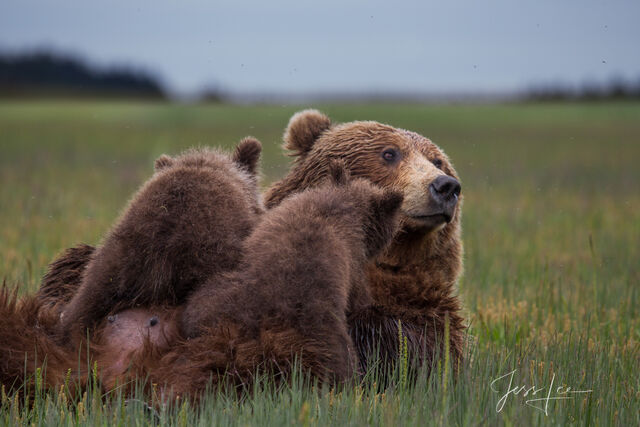
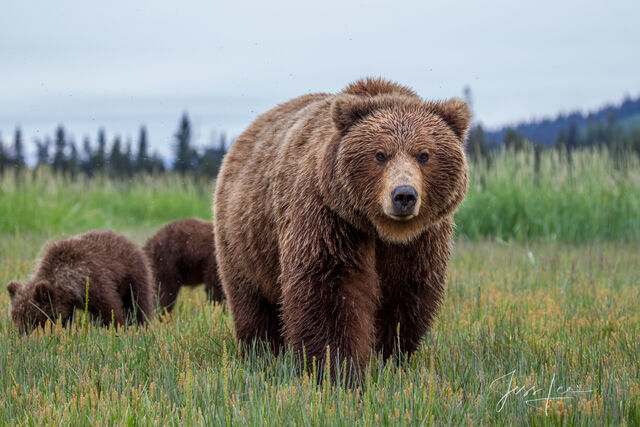
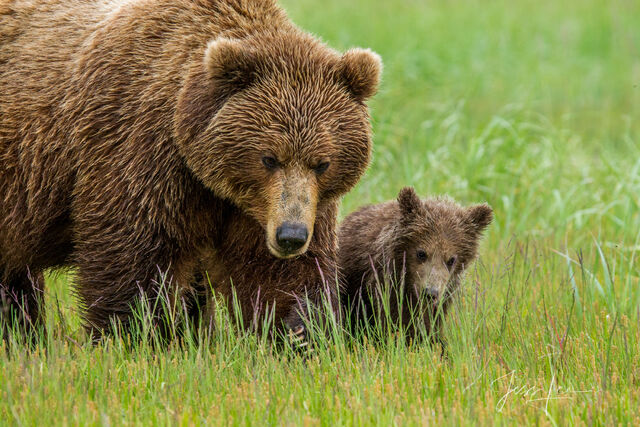
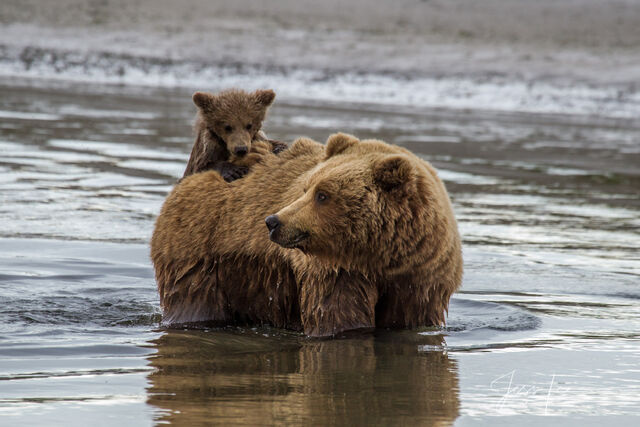
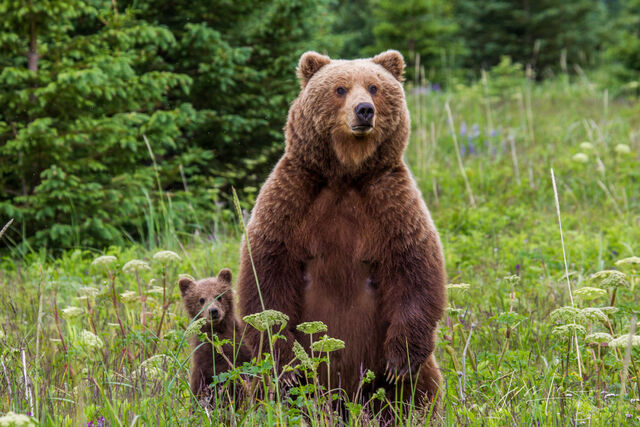
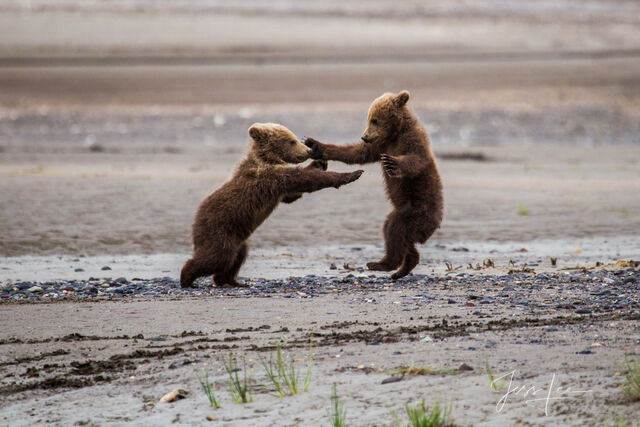
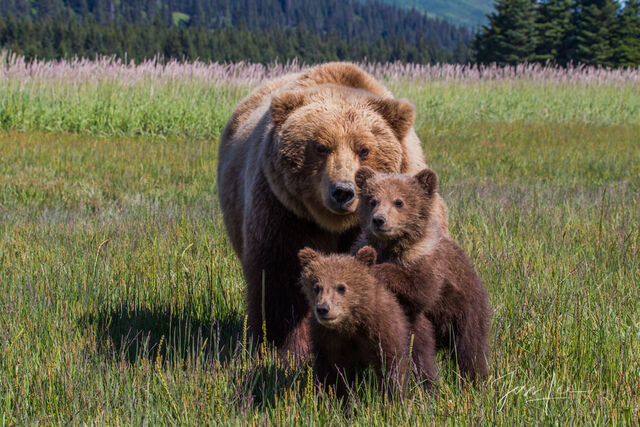
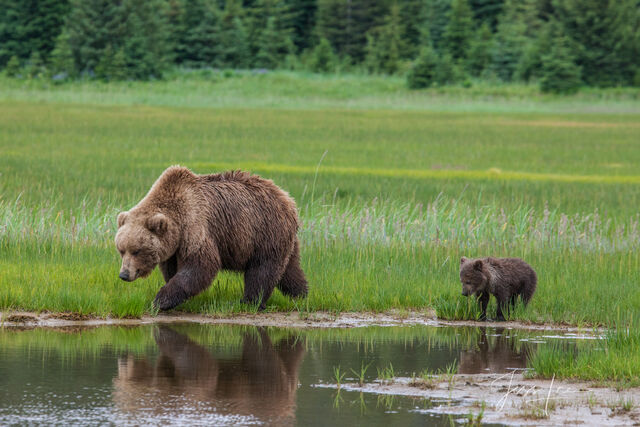
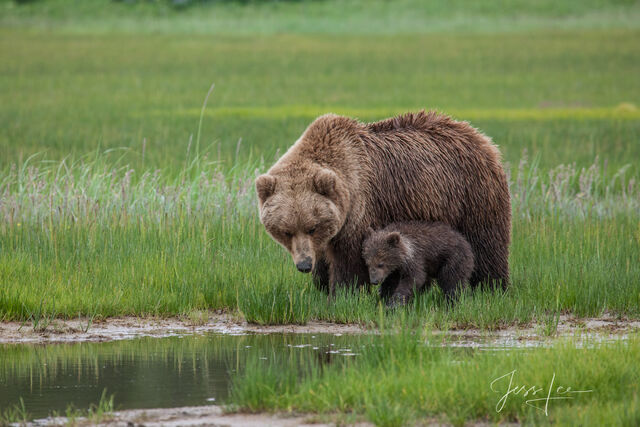
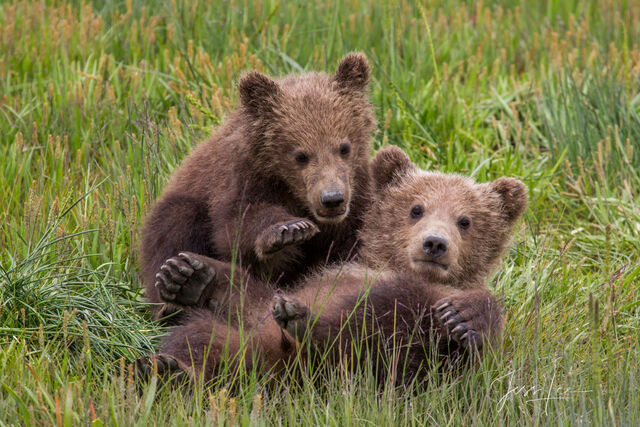
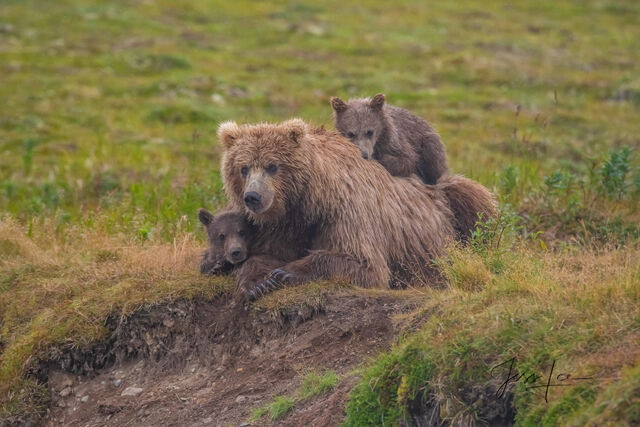
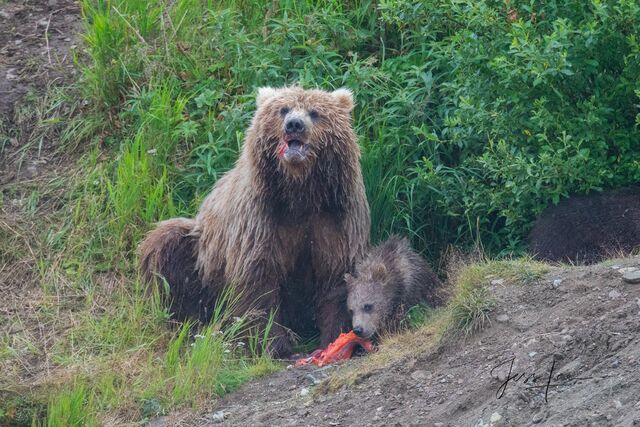
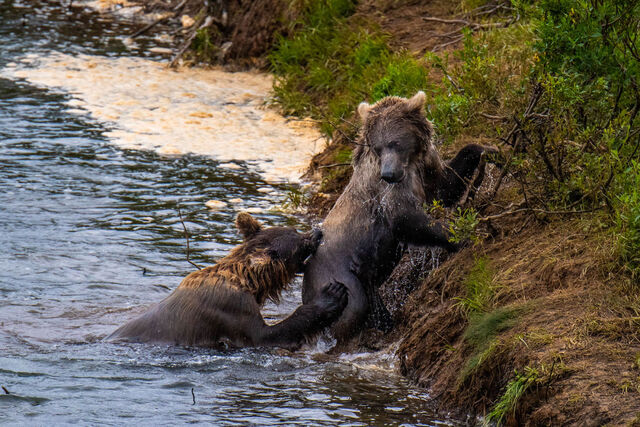
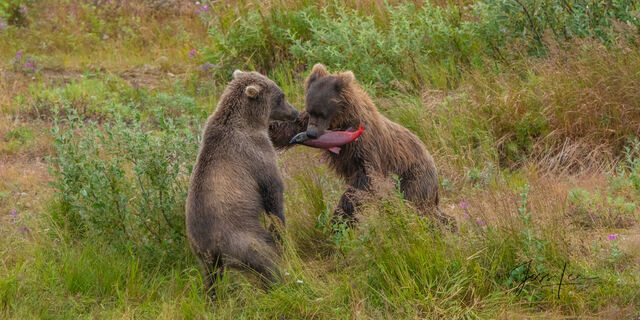
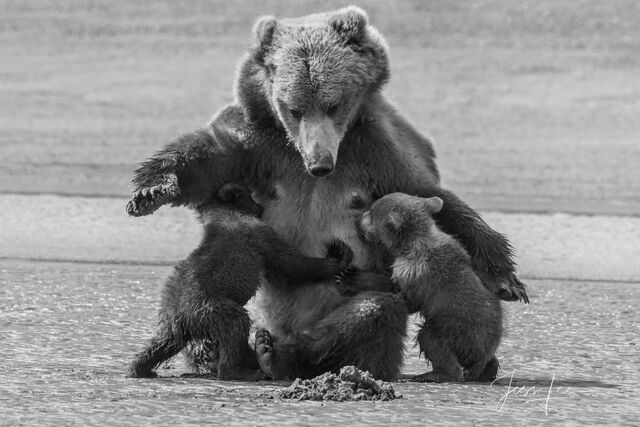
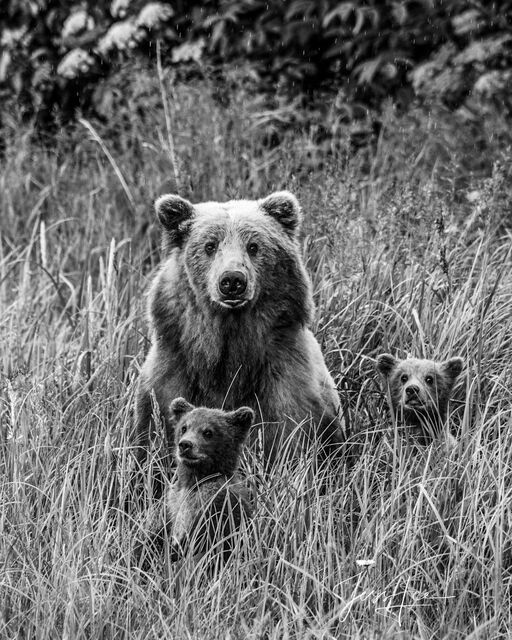
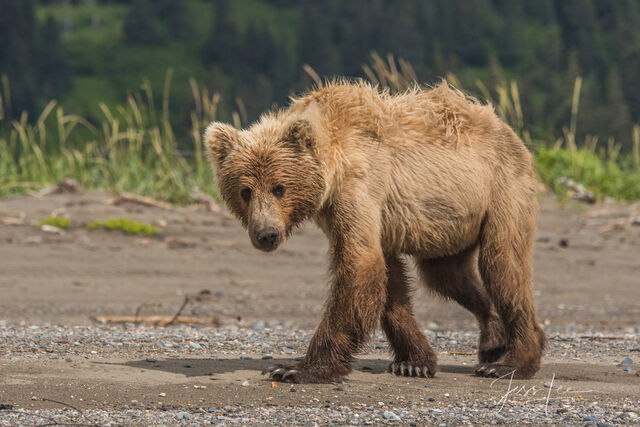
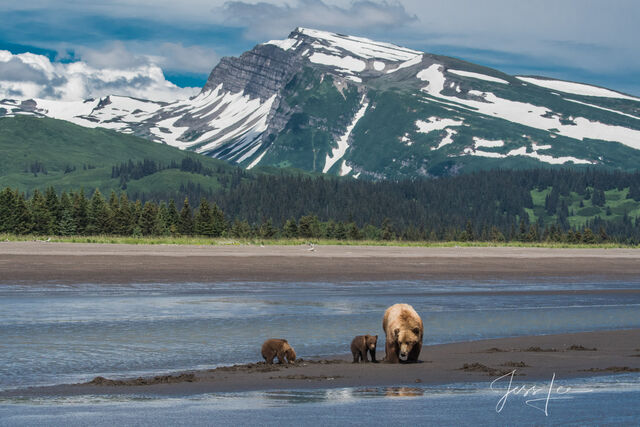
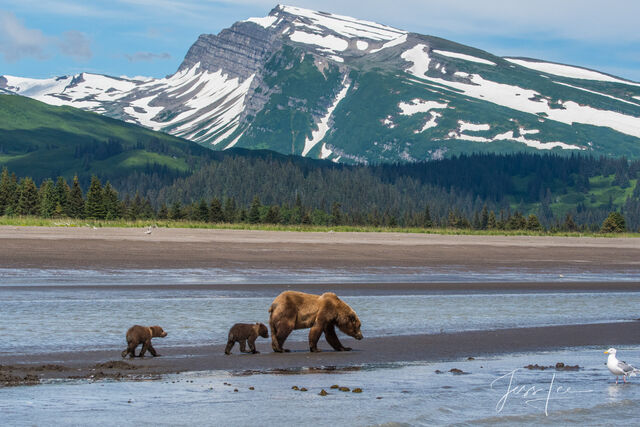
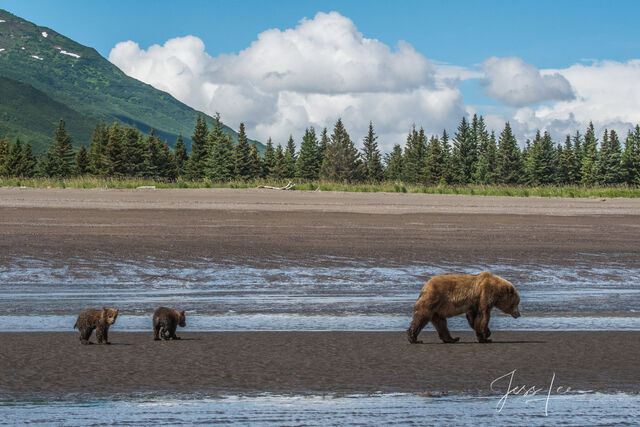
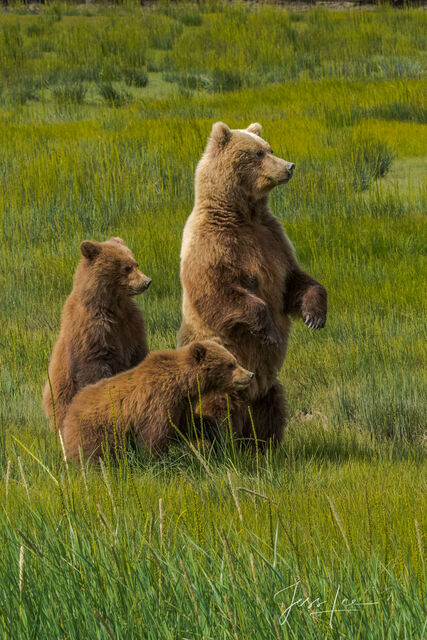
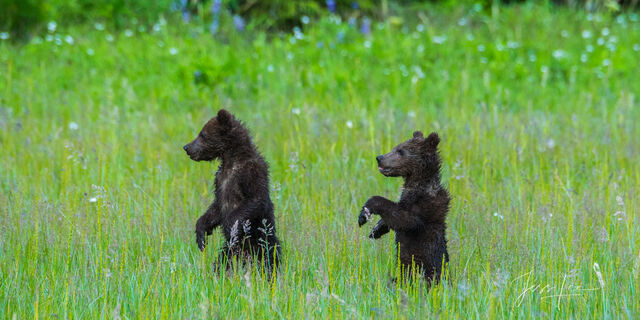
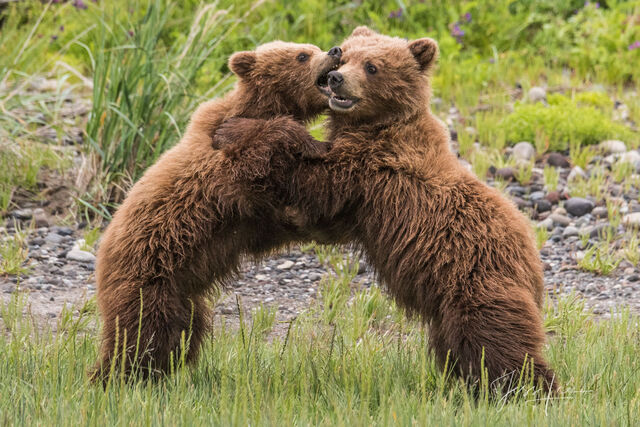
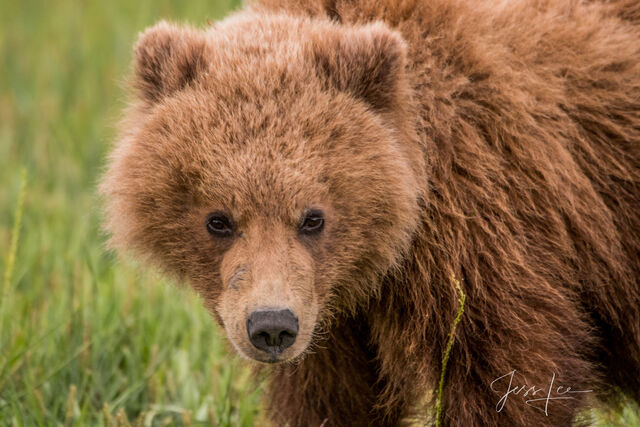
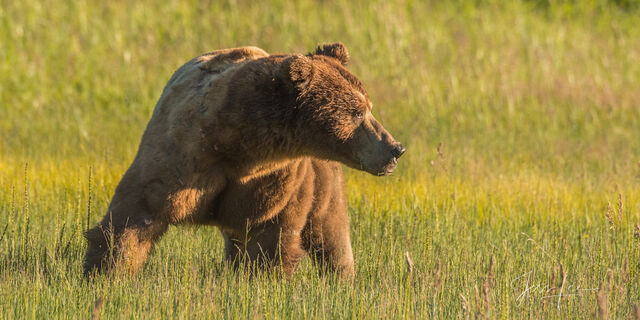
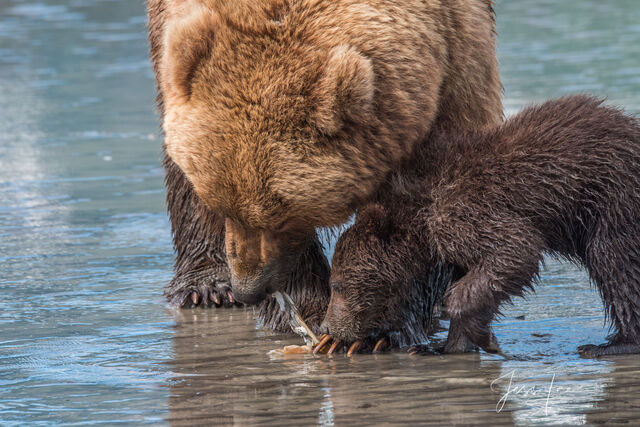
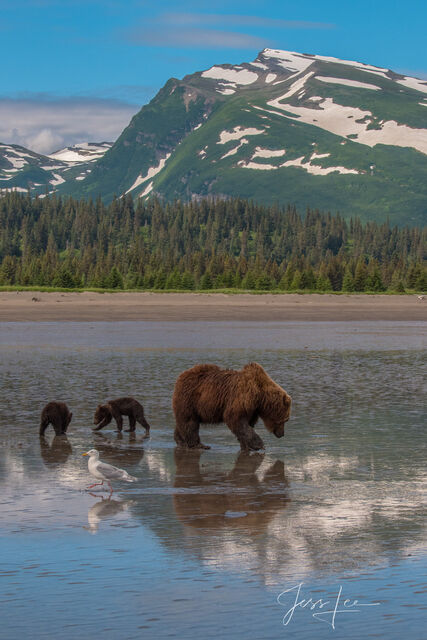
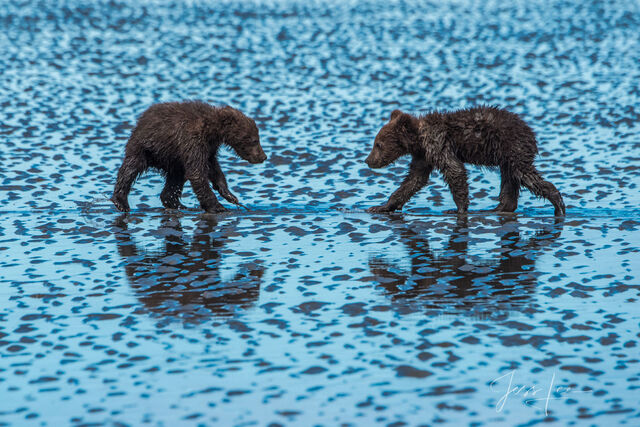
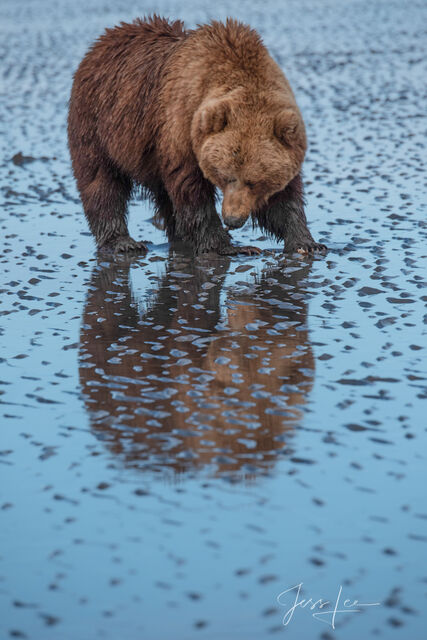
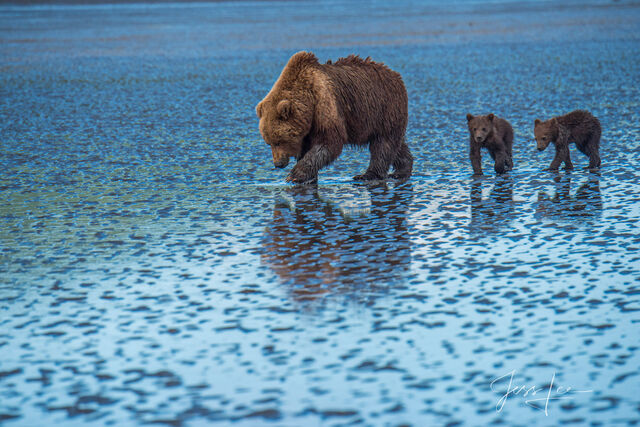
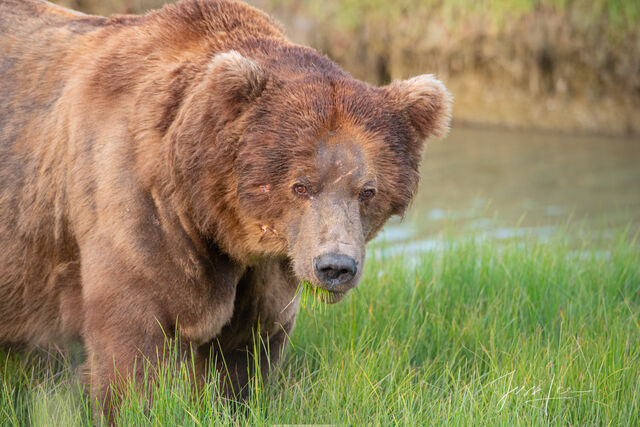
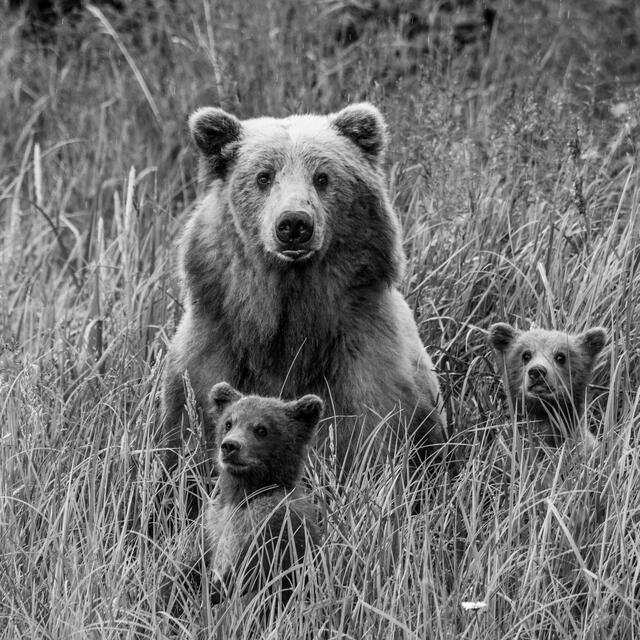
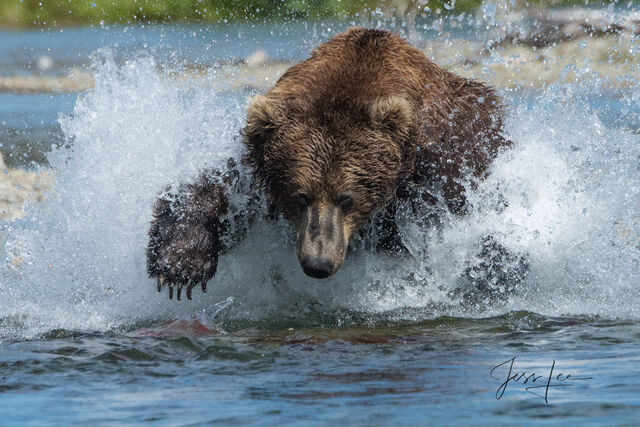
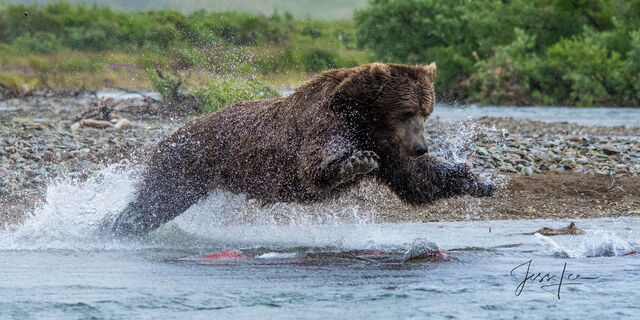
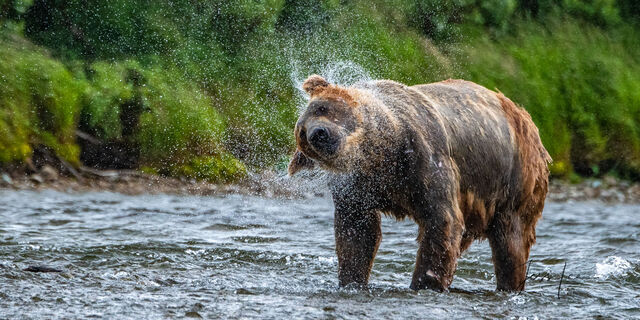
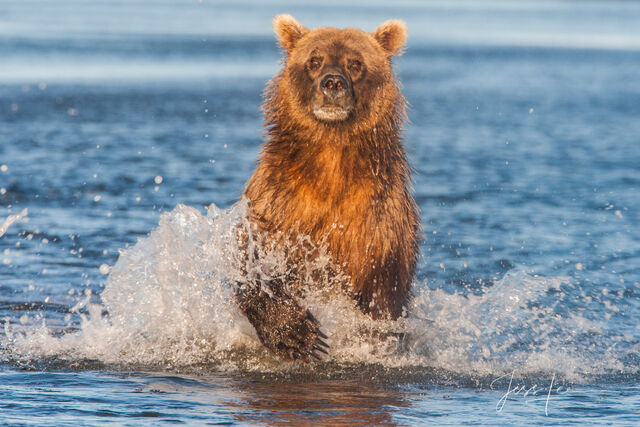
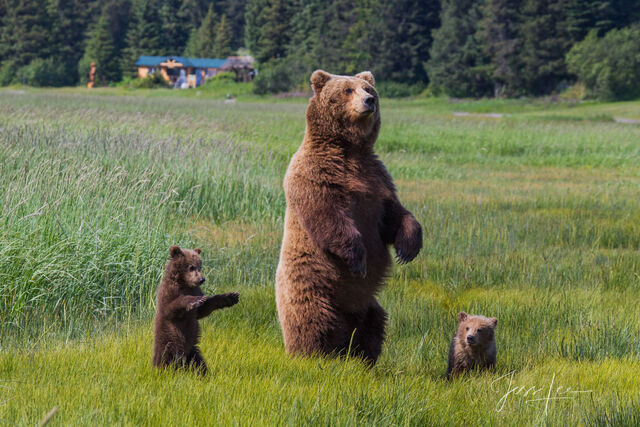
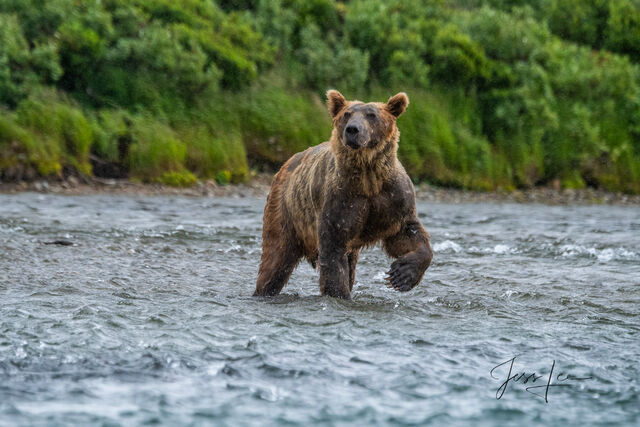
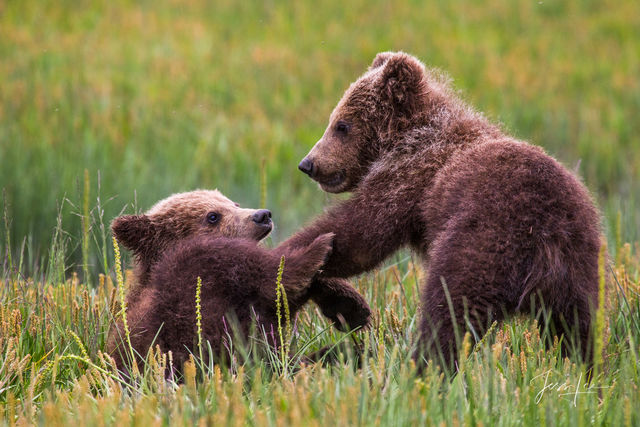
Lake Clark National Park: This park is my home base for photographing grizzly bears and their cubs in their natural habitat. It's a pristine environment with no crowds, boardwalks, or viewing platforms, just beautiful landscapes and bears displaying instinctive behaviors. I've captured behaviors like early season salmon fishing, playful cubs, and sows nursing their young, all against the backdrop of snow-covered volcanic mountains. Safety is paramount, and I always maintain a distance of at least 100 yards from bears, often accompanied by trained bear guides who understand their habits. Early mornings and late evenings are optimal for bear sightings as they are most active.
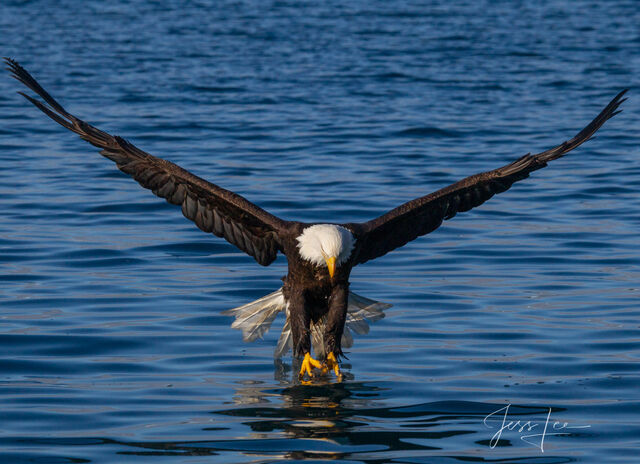
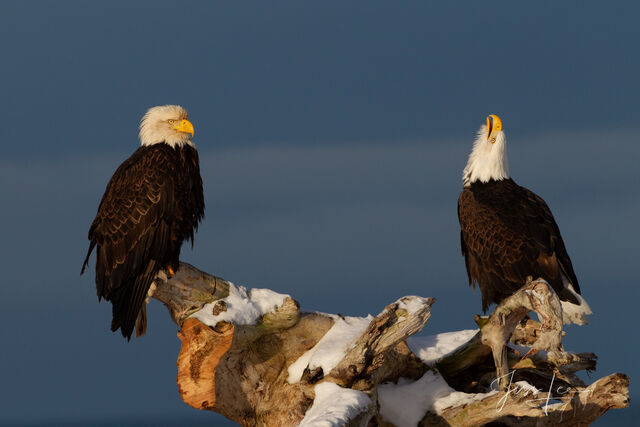
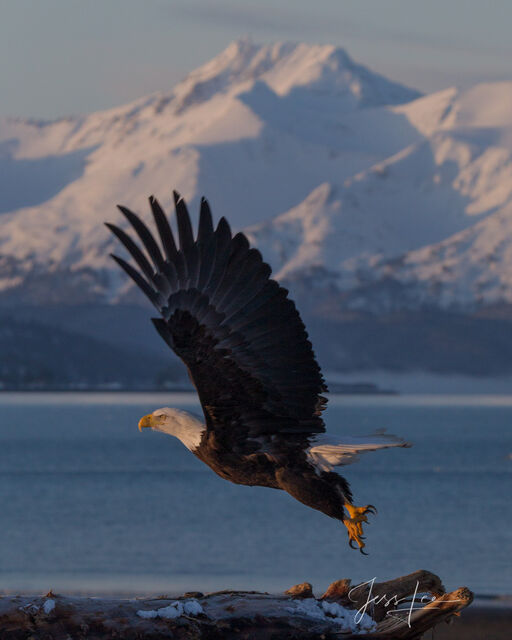
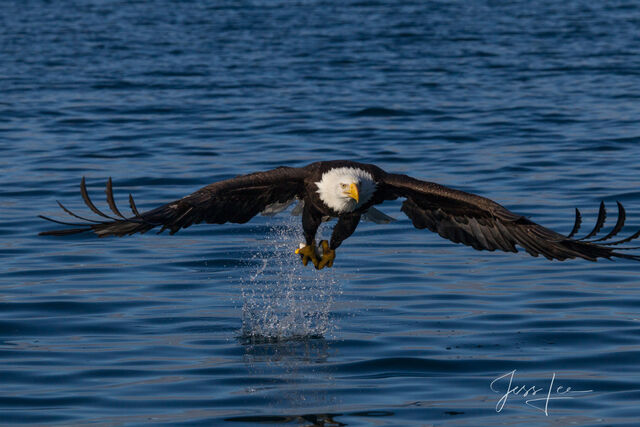
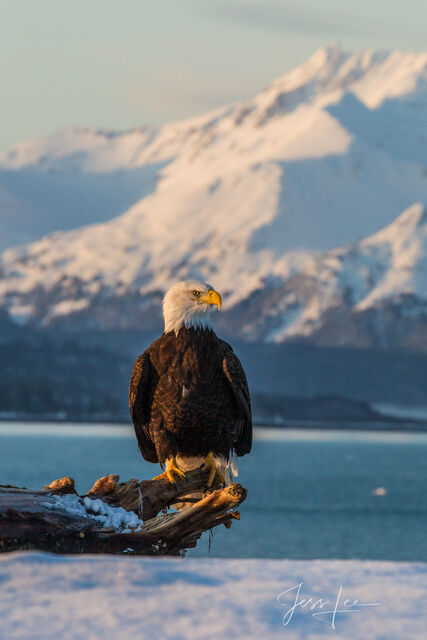
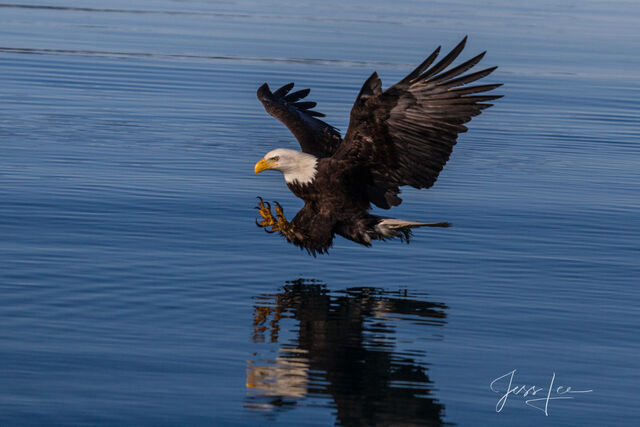
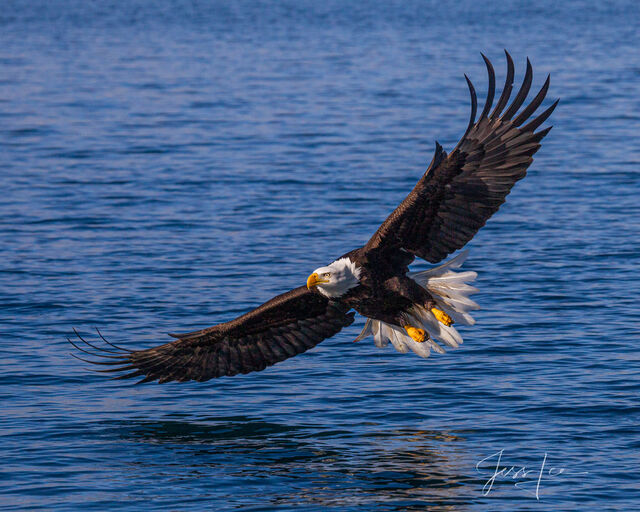
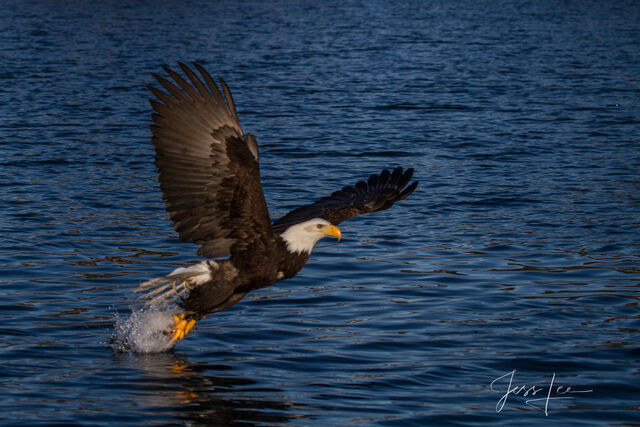
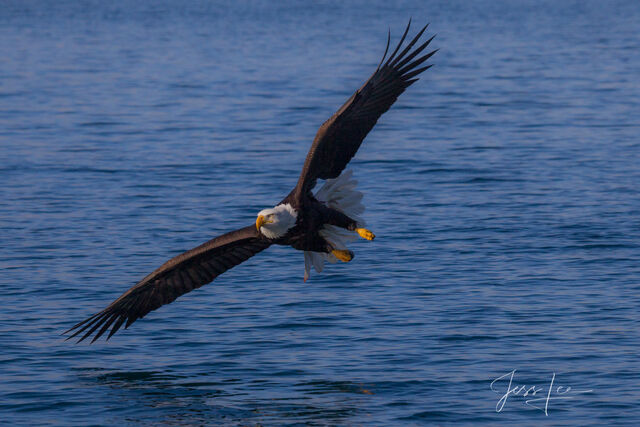
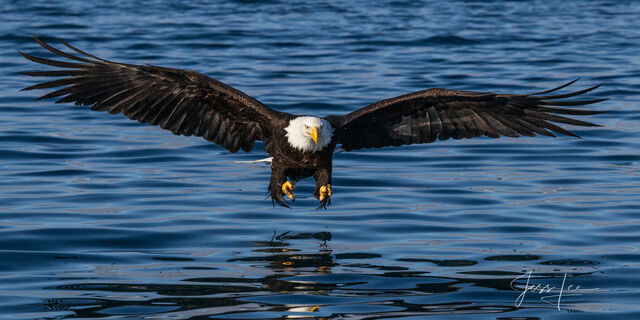
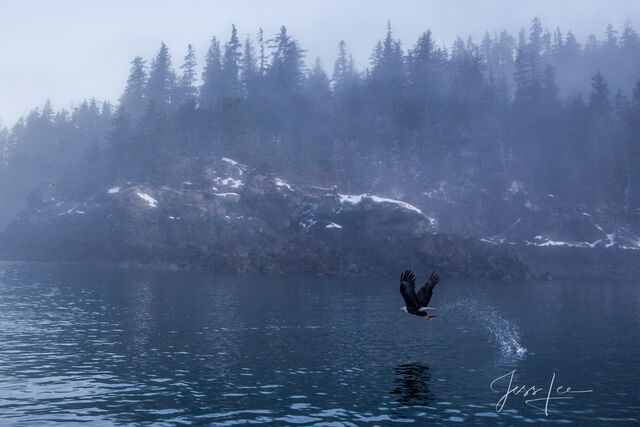
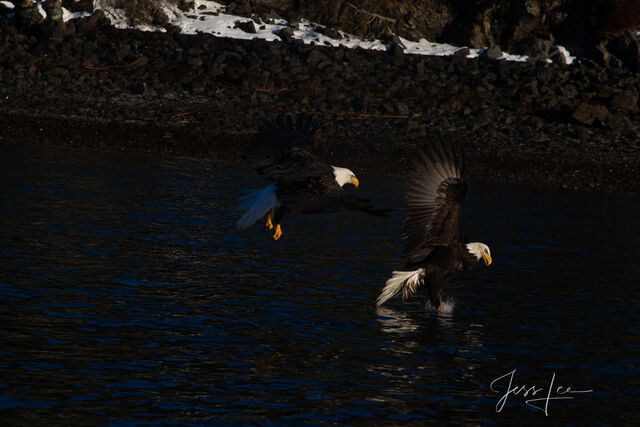
Homer: The surrounding area and nearby coves in Homer are home to hundreds of Bald Eagles, especially in winter. I've had incredible opportunities to photograph these iconic birds at close range, often capturing the legendary "eagle catching a fish" shot at frame-filling distances from privately chartered boat trips. I also commonly witness close-up fly-bys, incredible territorial battles, and congregations in snow-covered trees, making it one of the world's top locations for bald eagle photography.
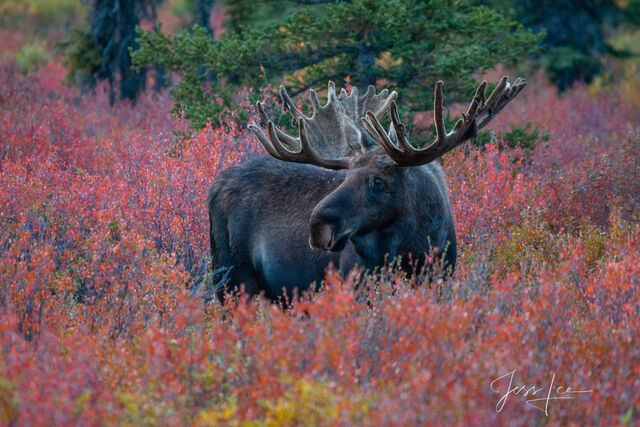
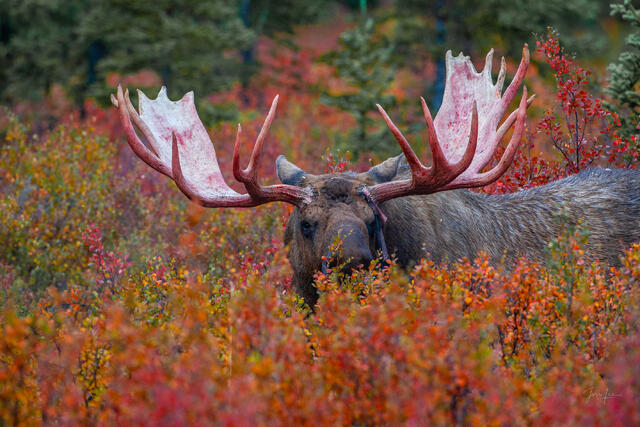
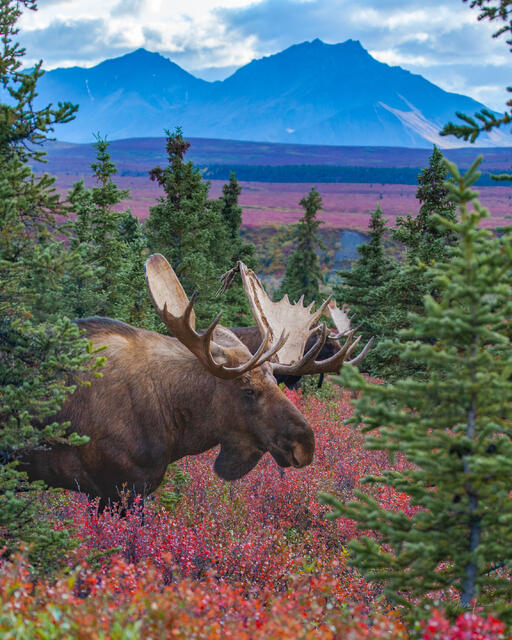
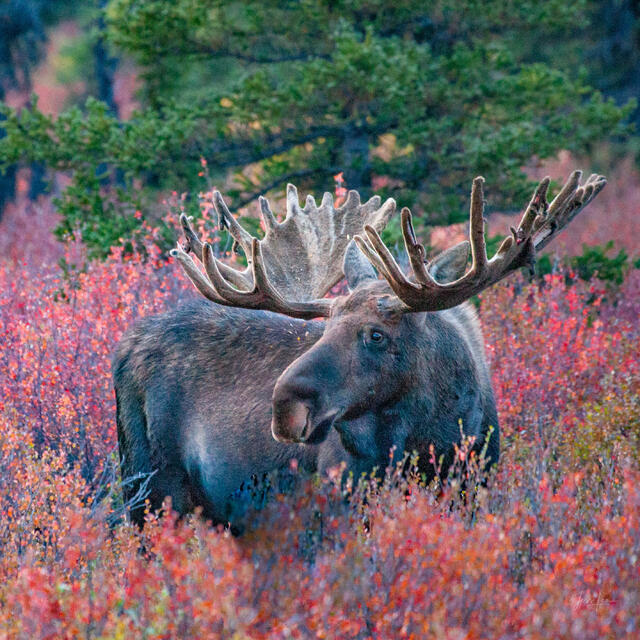
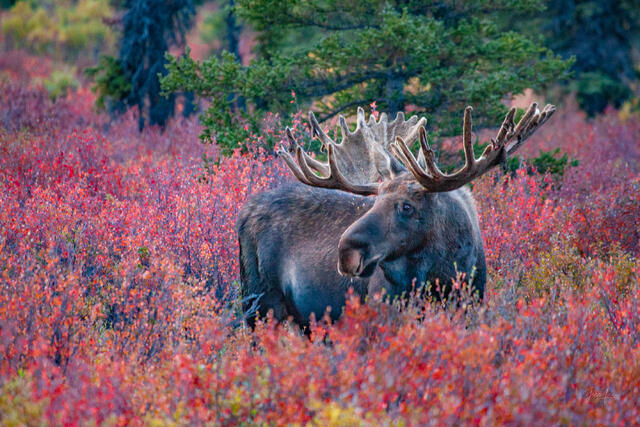
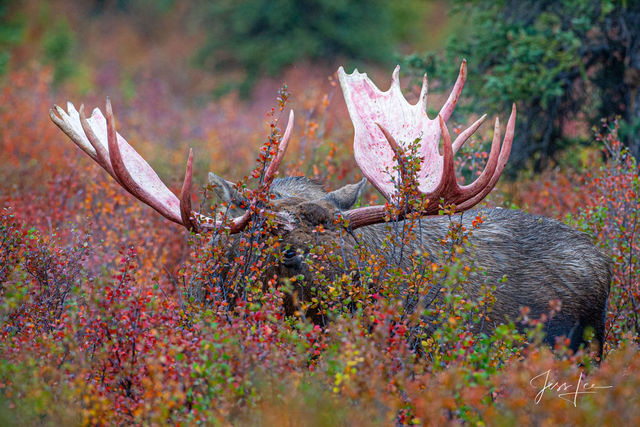
Denali National Park: Beyond its majestic mountains, Denali is rich in wildlife. I frequently photograph moose, Dall sheep, and caribou here. The vast tundra and varied terrain provide excellent opportunities to capture these animals in their expansive natural environment.
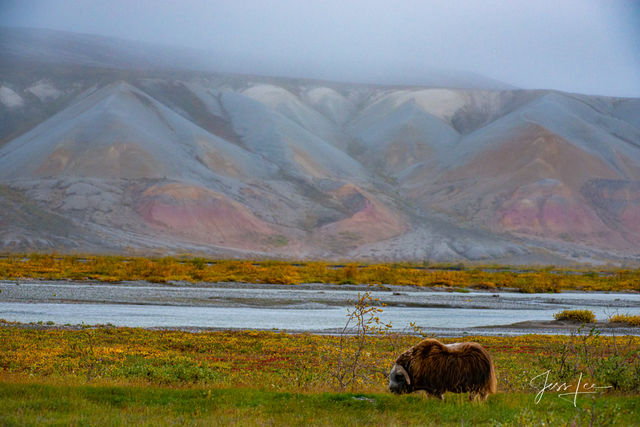
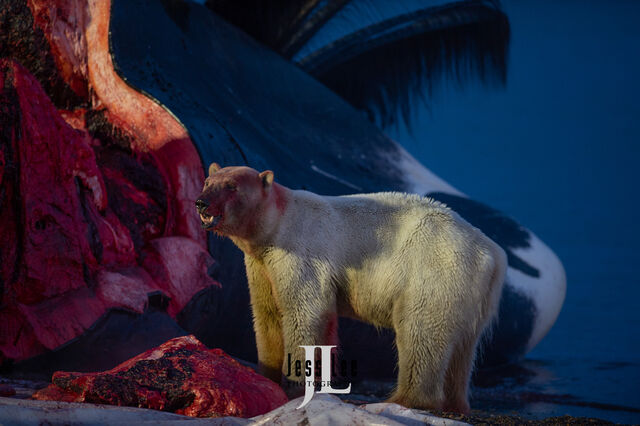
Brooks Range: Despite its rugged terrain and far north latitude, the Brooks Range is home to flourishing wildlife.I've photographed Dall sheep on rocky slopes, grizzly bears, moose, red fox, lynx, snowshoe hare, and migrating herds of barren ground caribou.
Resurrection Bay (Seward): This bay is a prime location for photographing whales. I've captured breathtaking moments of Humpback Whales breaching and showing off their tails, particularly from May to August when they migrate back from Hawaii. Orca whales are spotted year-round, especially from May to June, and I've also had the rare treat of seeing Minke, Fin, and Gray whales during certain seasons. Wildlife cruises through Kenai Fjords National Park and Resurrection Bay offer the best vantage points for these majestic marine mammals.
Beyond specific locations, I always emphasize being calm and quiet, treading lightly to avoid disturbing the environment. Protecting my camera gear from moisture and rapid temperature changes is crucial, and I always carry extra lenses, batteries, and memory cards to ensure I'm ready for any fleeting moment in the wild. My commitment to "Nature First" photography principles ensures that my pursuit of stunning images never compromises the integrity of Alaska's precious wildlife and natural spaces.
The Calendar of Color: Best Seasons for Alaska Photography
Alaska's beauty transforms with each season, offering distinct photographic opportunities throughout the year. Understanding these seasonal nuances is key to capturing the state's full spectrum of artistry.
Fall: The Ephemeral Golden Glow
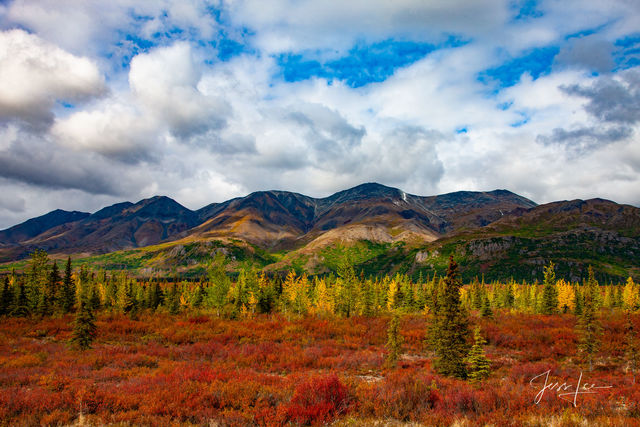
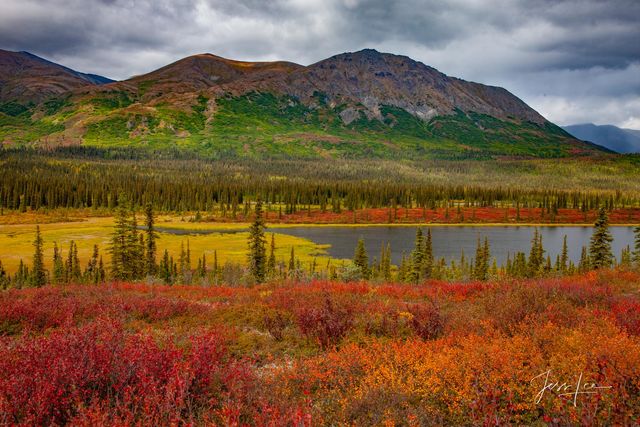
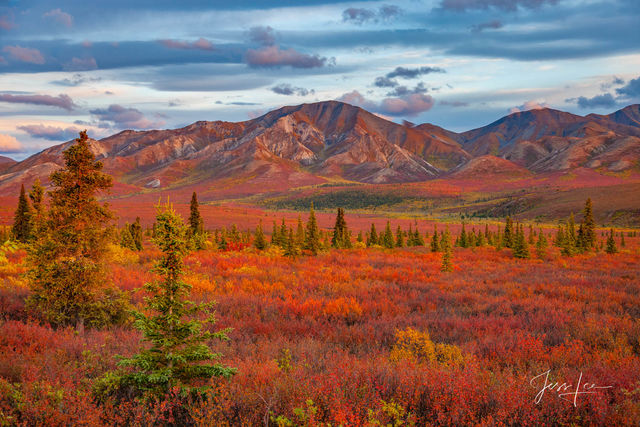
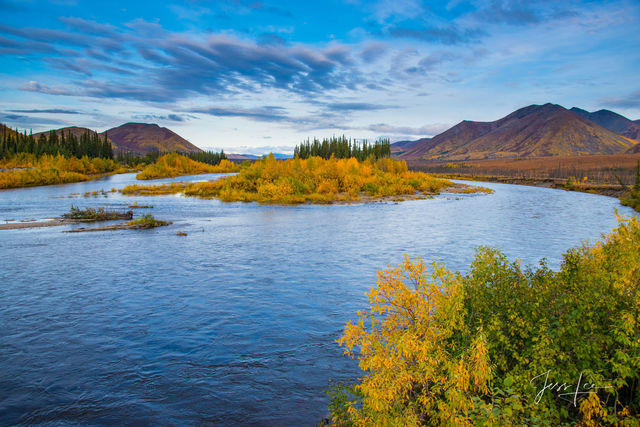
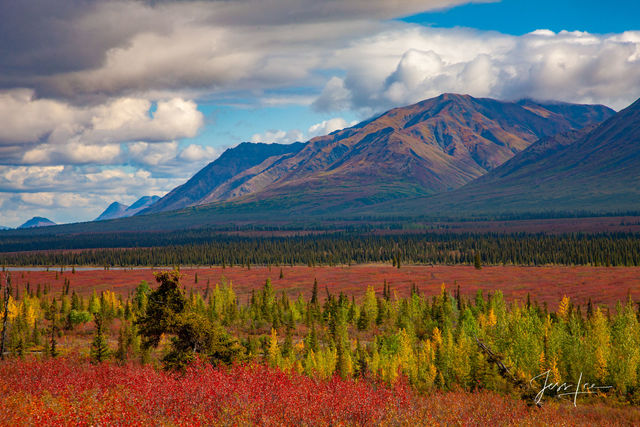
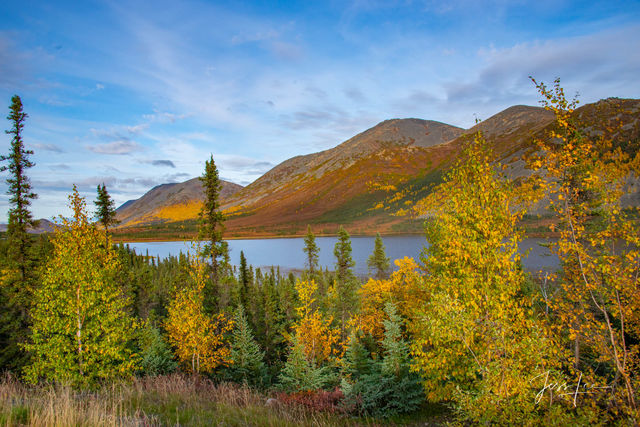
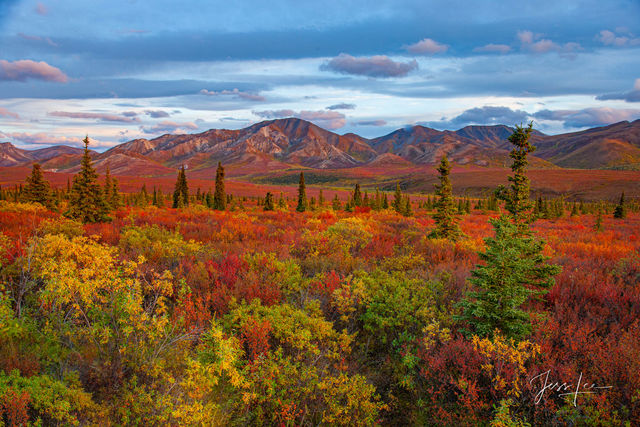
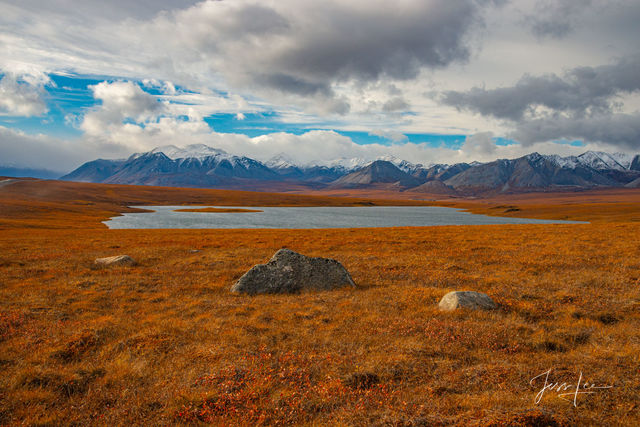
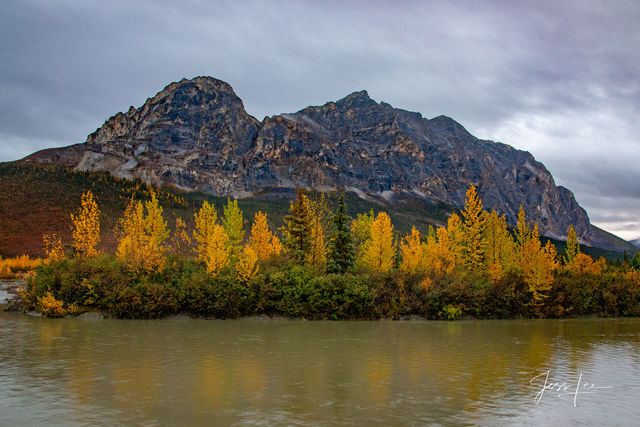
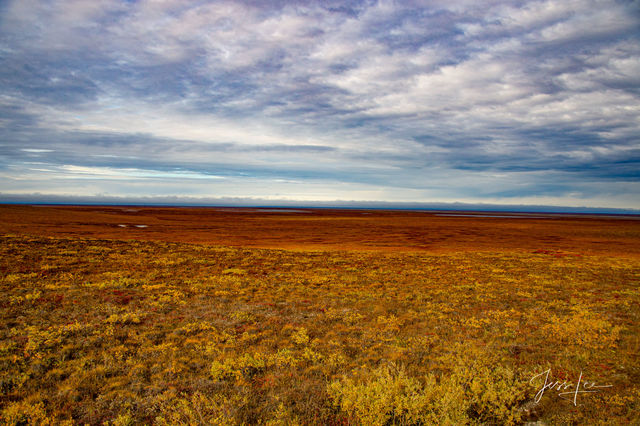
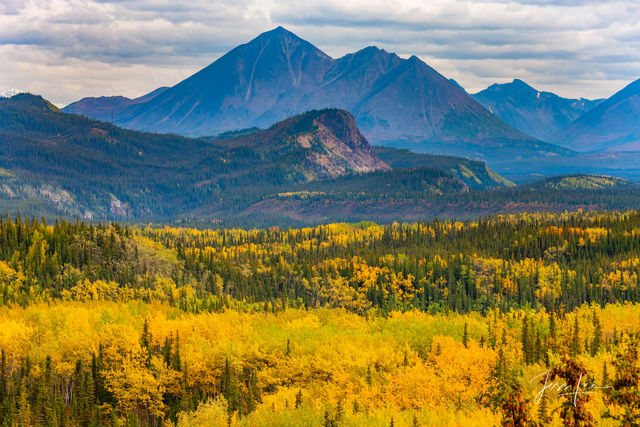
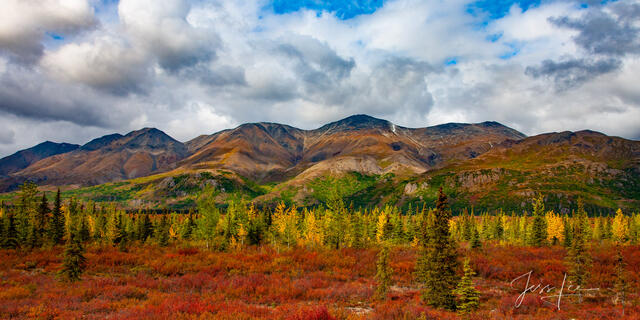
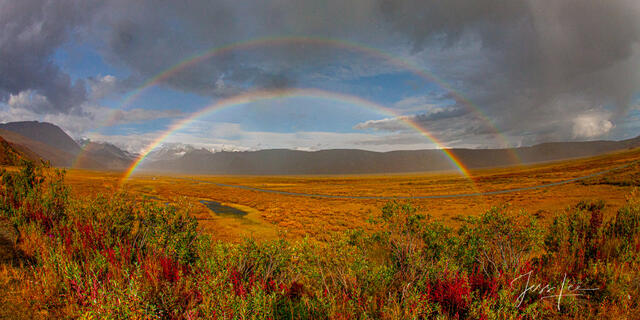
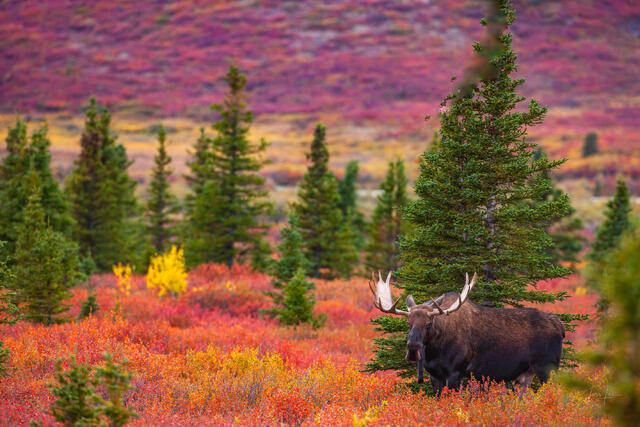
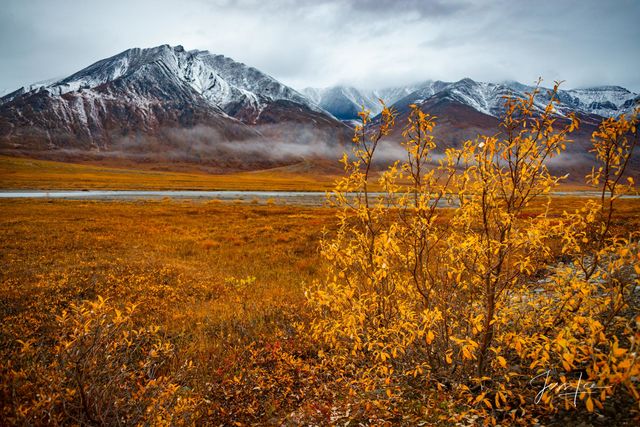
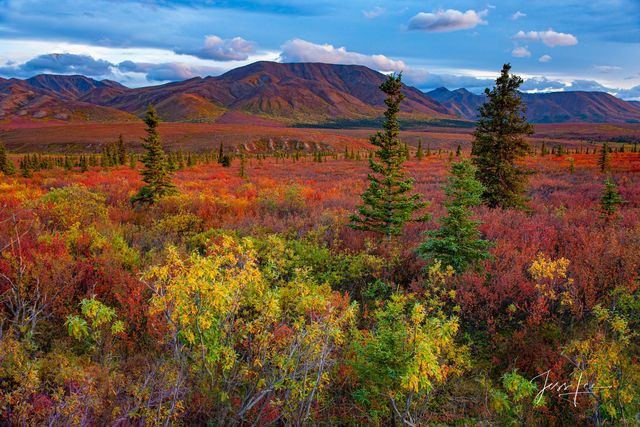
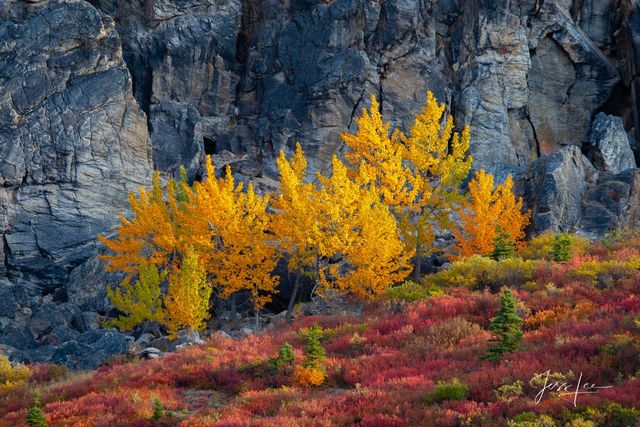
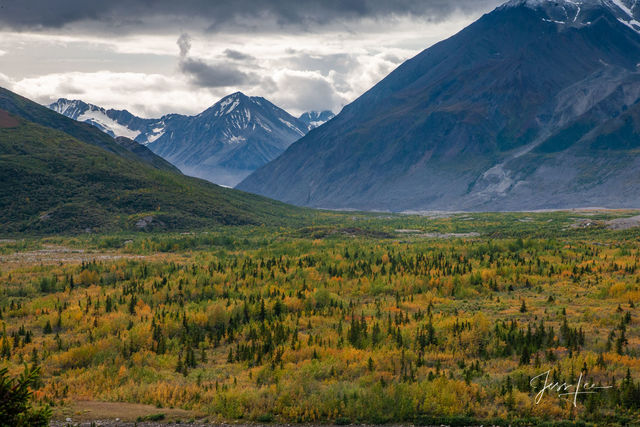
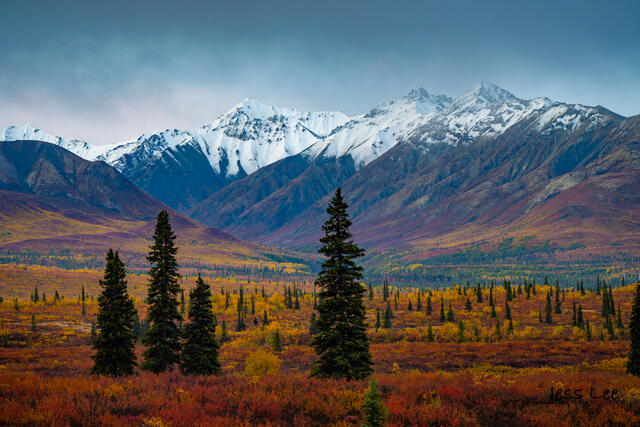
Alaska's fall colors are a spectacle unlike any other. From late August through mid-September, the tundra-covered ground turns a brilliant mix of orange and vibrant red, while aspen, birch, and poplar trees burst into golden yellows. Higher elevations often hit peak color first, with lower elevations following. I've found stunning displays along drives like Turnagain Arm, where yellow birch and aspen leaves make the hillsides glow gold, especially at sunset. Independence Mine State Historical Park and Tangle Lakes are also exceptional for capturing the reds and golds of the alpine tundra reflecting in still waters. This season also offers better odds of spotting wildlife like grizzly bears, caribou, and moose as thick foliage starts disappearing. The fleeting nature of these colors, often gone with the first frost by the end of September, only enhances their beauty and the urgency to capture them.
Winter: Serenity and Stark Beauty
Winter transforms Alaska into a serene, snow-capped wonderland, offering unique photographic opportunities that emphasize texture, form, and often a muted color palette. Crowds are generally thinner during this season, allowing for a more peaceful experience. However, photographers must be prepared for cold temperatures, challenging road conditions, and potential trail closures. Protecting camera gear from moisture—whether falling snow or melting ice—is paramount, and I always ensure my batteries are kept warm. The snow itself acts as a natural reflector, providing soft, diffused light that can be advantageous for capturing pristine landscapes. My ability to consistently produce stunning fine art prints in winter showcases a high level of dedication, resilience, and specialized technical skill, appealing to collectors who appreciate the unique, often dramatic, beauty of winter landscapes.
Spring: A Season of Renewal
As the snow melts and temperatures begin to rise, Alaska's landscapes awaken with vibrant green foliage and the emergence of wildflowers. This period is particularly excellent for photographing baby animals, including elk, moose, and bighorn sheep, as they are often more visible and active. Waterfalls and streams are at their peak flow due to the snowmelt, providing dynamic opportunities for capturing silky-smooth water effects with longer exposures. Furthermore, crowds are generally thinner in spring compared to the busier summer and fall months, allowing for a more serene photographic experience. This season offers a unique narrative of renewal and new life, providing opportunities for intimate wildlife portraits and dynamic water art, which can add emotional depth to a fine art collection.
Summer: Grandeur and Astrophotography
Summer brings lush green landscapes, abundant wildflowers, and comfortable temperatures, making it a popular time for mountain photography. Crucially, this season provides access to high-altitude areas and scenic roads that are otherwise closed by snow for much of the year. This full access allows for capturing the grandeur of the alpine landscapes in their full splendor. Summer is also the prime time for Milky Way photography in locations with minimal light pollution, offering specialized and high-demand fine art opportunities. However, photographers should be prepared for afternoon thunderstorms and increased crowds. My ability to photograph the Milky Way showcases advanced technical skills in astrophotography, demonstrating a comprehensive mastery of diverse photographic genres within landscape photography.
The Aurora Borealis: Dancing Lights of the North
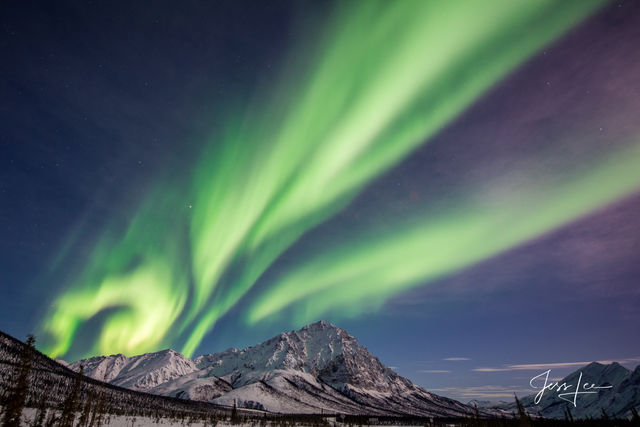
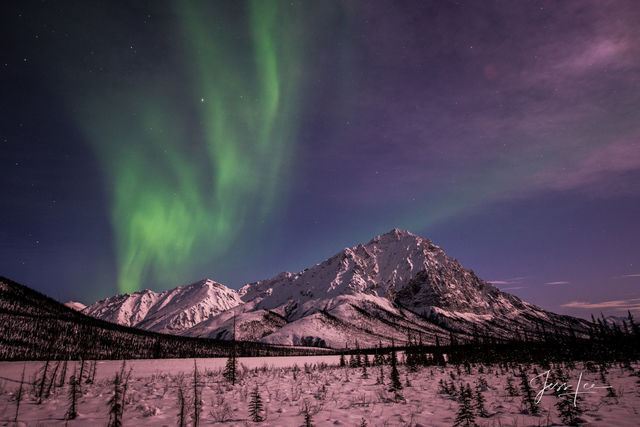
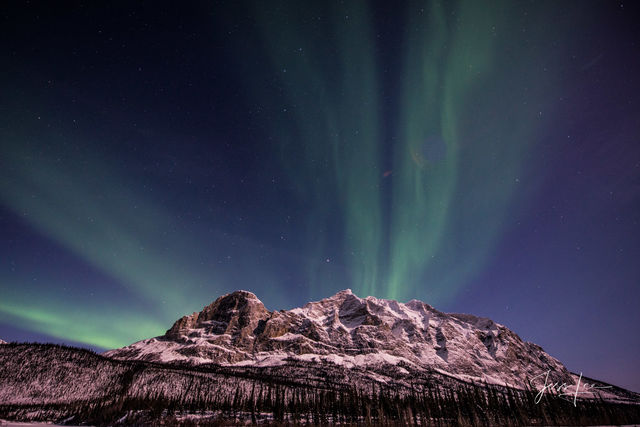
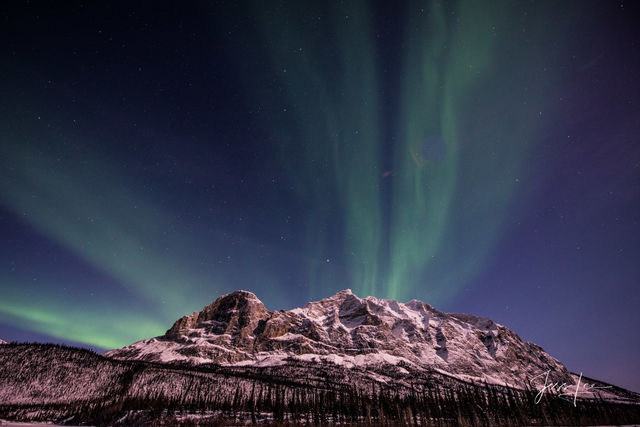
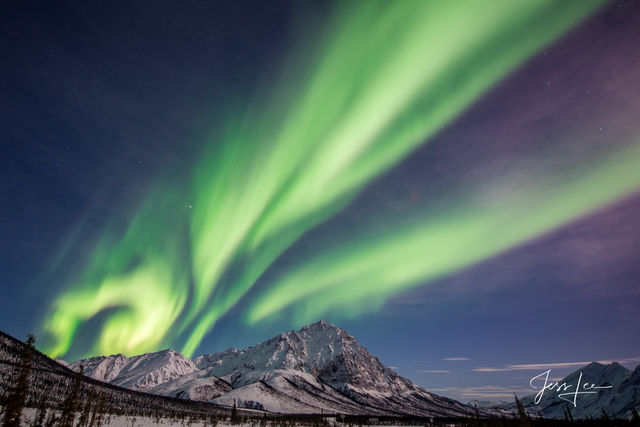
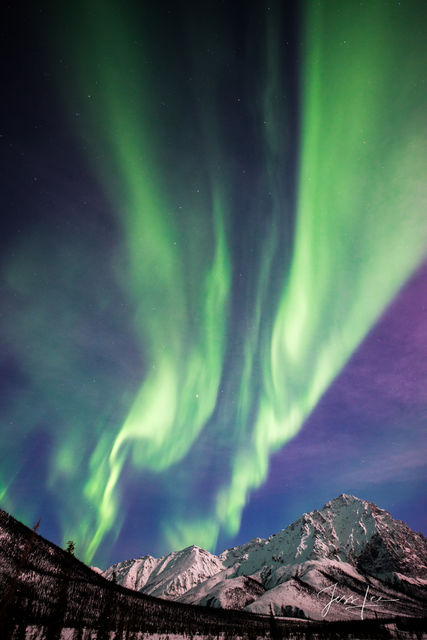
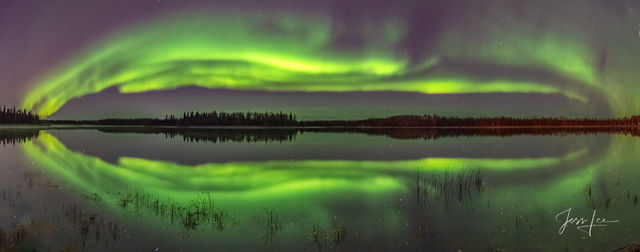
Witnessing and photographing the Aurora Borealis is a bucket-list experience, and Alaska offers some of the best opportunities in the world. Fairbanks, Alaska, is an ideal location for photographing the aurora borealis due to its high latitude, placing it directly in the Auroral Oval, making northern lights a frequent occurrence. My experience has shown that March and September are the best months for aurora viewing in Fairbanks; temperatures are somewhat milder, there's a better chance for clear skies, and the nights are still relatively long (totally dark between 9 pm and 5 am). During these seasons, snow-covered arctic landscapes make a fantastic backdrop for aurora photos.
I've found exceptional spots near Fairbanks for aurora photography, including Esther Dome (though light pollution from the city can be a factor), Eagle Summit, and Twelvemile Summit on the Steese Highway, which offers minimal light pollution. Gold Dredges on the Steese Highway and Chena Hotsprings Road also provide unique foregrounds for the dancing lights. For successful aurora photography, I always come prepared with a headlamp, hand-warmers, snacks, water, and sub-zero sleeping bags, as temperatures can drop below -20F. My camera is always loaded with a wide-angle lens on a sturdy carbon-fiber tripod, ready to capture the magic.
From Capture to Canvas: The Journey of a Fine Art Print
For me as a fine art landscape photographer, the creative process extends far beyond the click of the shutter. It is about transforming the ephemeral beauty of a moment—the "live art" of a landscape—into a lasting, tangible piece that evokes emotion and connection. My commitment is to ensure that every fine art print not only faithfully represents the scene but also enhances its inherent beauty, making it a focal point in any space. The print is not merely a reproduction; it is the ultimate expression of my artistic vision, where the medium itself contributes to the artwork's impact and longevity.
Why My Alaska Photography Makes Perfect Wall Decor
My collection of Alaska fine art landscape photography prints offers unmatched visual impact for interior design. The dramatic scale of Alaska's wilderness—towering mountains, pristine lakes, and endless skies—creates natural focal points that draw the eye and spark conversation. These large-format prints work beautifully in living rooms, bedrooms, offices, and commercial spaces, adding depth and tranquility to modern, rustic, or traditional decor styles.
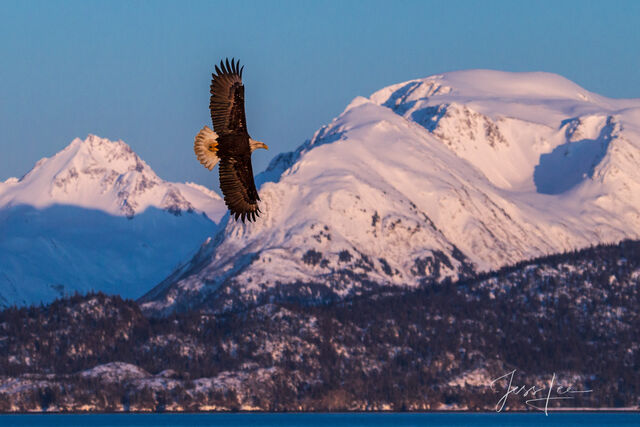
The cool color palette of Alaska's landscapes—deep blues of glacial ice, silver-grey mountain faces, and golden aurora light—complements virtually any interior color scheme while creating a calming, meditative atmosphere. Unlike busy artwork, my landscape photography provides visual rest for the eyes while maintaining artistic sophistication. Furthermore, my wildlife photography adds dynamic energy to landscape compositions. My collection features grizzly bears fishing for salmon, caribou migrating across tundra, bald eagles soaring above glacial valleys, and whales breaching in pristine waters. These images capture Alaska's incredible biodiversity while creating conversation-starting focal points for any room.
Why Purchase My Prints?
Unlike mass-produced wall art, my fine art photography prints represent a genuine investment in your space. Each photograph is carefully selected from thousands of images captured during optimal lighting conditions throughout different seasons in Alaska. My Alaska photography prints are available in sizes from 16 x 24 to 60 x 120 inches and any size in between, ensuring a perfect fit for your space. I use only the best museum-grade materials, including Fine Art Paper Prints, ChromaLuxe® Metal Prints for exceptional color vibrancy and depth, and non-glare TruLife® Acrylic Prints for incredible dimensionality. Framing is also available to complete the presentation.
All my prints are produced in strictly limited editions of 100 prints. Once an edition is sold out, no further prints will be made, ensuring the exclusivity and investment value of your acquisition. Custom crops or custom sizes are available upon request. I ship internationally, with free shipping provided within the United States. For more information about my prints and their care, please refer to my Frequently Asked Questions, or contact me directly if you have a question or would like a free room mockup to visualize the impact of a print in your space.
Responsible Photography: Ethics, Permits, and Safety in the Wild
My practice of landscape and wildlife photography in Alaska's wild spaces is underpinned by a profound respect for nature and a commitment to ethical conduct, alongside diligent attention to safety and legal compliance.
Respecting Nature and Wildlife
A deep respect for Alaska's natural world is paramount in every photographic endeavor I undertake. I adhere to strict ethical guidelines, consistently prioritizing the well-being of wildlife and the preservation of the environment. This means maintaining a safe and respectful distance from animals, often necessitating the use of a telephoto lens (400mm or greater) to capture stunning shots without causing disturbance. My aim is to capture authentic moments, avoiding any actions that might stress or alter natural animal behavior, such as luring with bait or using flash on nocturnal birds. I align my practice with "Nature First" photography principles, ensuring no photo is worth endangering the life or health of wildlife. I also avoid using drones near wildlife, as they can be very disruptive.
Navigating Photography Permits in Alaska's Protected Areas
Understanding and securing the necessary permits is a crucial component of my professional photography in Alaska. Commercial photography, generally defined as any shoot where photos are used for marketing purposes or where I am compensated for my work, typically requires a permit. Areas like McNeil River and various national wildlife refuges impose specific rules that photographers must follow to protect wildlife and their habitats. My detailed knowledge and adherence to Alaska's diverse permit system demonstrates a high level of professionalism and legal compliance, ensuring my fine art prints are ethically sourced and free from legal complications.
Preparing for Variable Weather and Remote Logistics
Alaska's wilderness is vast and its weather notoriously unpredictable, demanding my thorough personal and equipment preparation. Packing in layers is always recommended, anticipating rapid temperature shifts that can occur even within a single day. I prioritize merino wool or synthetic base layers to wick away moisture and insulating mid-layers, including puffy down coats and pants for extreme cold, ensuring I stay dry and warm without overheating. Protecting my camera gear from moisture—whether from rain or melting snow—is paramount, often necessitating the use of plastic bags or weather-sealed covers. I also pay close attention to preventing condensation when moving my camera between cold and warm environments by using sealed bags.
High-altitude and remote photography also requires careful personal preparedness. I always carry extra batteries, as cold drains them quickly, and a headlamp for low-light conditions. For remote expeditions, I rely on local teams for logistics, ensuring safe and cost-effective deployment of myself and my equipment to any environment, handling everything from supply chains to safety planning. My ability to consistently produce fine art in these challenging conditions showcases my resilience and meticulous risk management.
My journey through Alaska's landscapes is a profound exploration of light, form, and emotion. Each fine art print I create from these experiences stands as a testament to my enduring passion and a commitment to capturing the state's unparalleled beauty. It is more than just photography for me; it is a dedication to preserving moments of "live art" and sharing them with the world.
My comprehensive understanding of Alaska's diverse terrain, from the rugged Brooks Range and the majestic Denali to the vibrant fall colors, the ethereal aurora, and the abundant wildlife, allows for a versatile and rich artistic output. My mastery of advanced techniques like dynamic range management and focus stacking ensures that every print achieves exceptional detail and tonal richness, elevating it to museum quality. Furthermore, my deep commitment to ethical practices, navigating complex permit systems, and preparing for challenging weather conditions underscores my professional and trustworthy approach to capturing these natural wonders.
This dedication contributes not only to my portfolio of stunning fine art but also to the visual legacy of Alaska, inviting viewers to experience its majesty through my unique and informed perspective. Each piece is a meticulously crafted window into the landscapes, ready to transform any space and foster a deeper appreciation for the natural world
Alaska: Fine Art Photography Prints by Jess Lee
In the vast expanses of America's Last Frontier, where wilderness stretches beyond the horizon and time seems to slow its relentless march, photographer Jess Lee has dedicated his craft to capturing the ethereal beauty that defines Alaska. Through his lens, the state's dramatic landscapes and magnificent wildlife are transformed into fine art prints that bring the raw, untamed essence of Alaska into homes and offices around the world. These aren't mere photographs – they are windows into a world where nature still reigns supreme, where the dance between light and landscape creates moments of breathtaking beauty that speak to something primal within us all.
Journey Through Alaska's Untamed Wilderness
Alaska stands apart in its magnificent isolation. As one of only two U.S. states not bordered by another state (Hawaii being the other), Alaska possesses a unique geographic identity. Its ocean coastline exceeds the combined shorelines of all other U.S. states, creating an endless canvas of dramatic meeting points between land and sea. Separated from Washington state by approximately 500 miles of Canadian territory, Alaska exists as an exclave of the United States – part of the continental U.S. and the West Coast, yet distinctly separate from the contiguous states.
This geographic isolation extends to its capital city, Juneau, which like the capital of Hawaii, can only be reached by ship or air, with no connecting roads linking it to the rest of the continent. This physical separation has preserved Alaska's wildness in ways that few other places on Earth can claim, making it an endless source of inspiration for Jess Lee's photographic artistry.
When you immerse yourself in Jess Lee's collection of Alaska photography, you embark on a visual expedition across this remarkable state. Each image tells a story of patience, perseverance, and a profound connection with the natural world. Many times has Jess ventured into the state's remote wilderness, often waiting days for the perfect moment when light, weather, and subject align in perfect harmony. These are not snapshots taken in haste, but carefully composed works that capture the soul of Alaska's diverse landscapes.
The Changing Seasons of the Last Frontier
The magic of Alaska lies partly in its dramatic seasonal transformations, each offering distinctive photographic opportunities that Jess Lee has masterfully captured. In winter, the landscape is transformed into a pristine wonderland of snow and ice, where the stark contrast between white landscapes and dark forests creates compositions of remarkable simplicity and power. Frozen lakes reflect the surrounding mountains with mirror-like clarity, while ice formations along the coastline create sculptural elements that seem almost otherworldly.
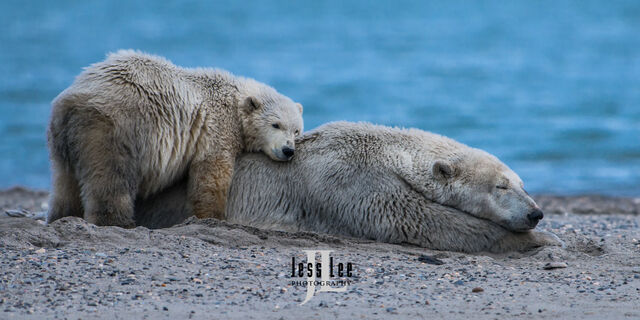
As spring arrives, Alaska awakens in a symphony of renewal. Wildflowers carpet the tundra in explosions of color, while newly born wildlife emerges under the watchful eyes of their parents. Jess Lee's spring photography captures this rebirth with intimate portraits of bear cubs taking their first tentative steps, or the delicate emergence of arctic flora pushing through the last remnants of snow.
Summer brings the phenomenon of the midnight sun, bathing the landscape in a golden glow that can last for hours. This extended golden hour provides opportunities for landscape photography that simply don't exist elsewhere. Jess Lee's summer Alaska prints often feature this distinctive light washing over vast tundras or illuminating the peaks of the Alaska Range with an almost supernatural radiance.
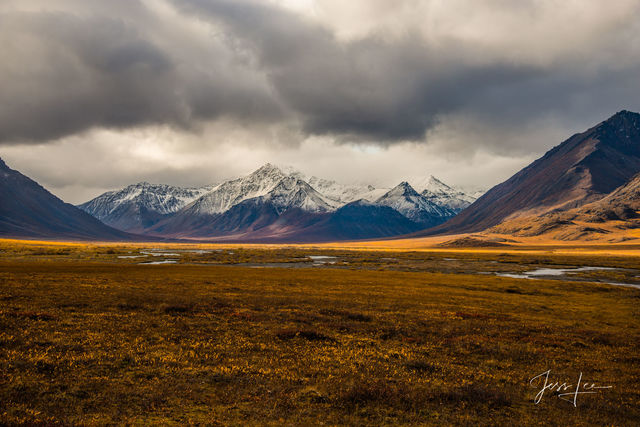
When autumn arrives, the tundra transforms into a tapestry of reds, oranges, and golds, creating a striking contrast with the early snow that begins to dust the mountain peaks. This fleeting season offers perhaps the most dramatic color palette of the year, a spectacle that Jess has documented with remarkable sensitivity in his fine art prints.
Winter returns with the auroras – the northern lights that dance across the night sky in shimmering curtains of green, purple, and pink. These ethereal displays are among the most challenging photographic subjects, requiring technical expertise, extreme cold tolerance, and no small measure of luck. Jess Lee's aurora prints capture this mysterious phenomenon with exceptional clarity, bringing the magic of Alaska's winter skies into homes around the world.
The Majestic Wildlife of Alaska
Alaska's allure extends beyond its landscapes to the magnificent creatures that have adapted to its challenging environment. Jess Lee's wildlife photography reveals an intimate understanding of animal behavior and a remarkable ability to capture decisive moments that reveal the essence of each species.
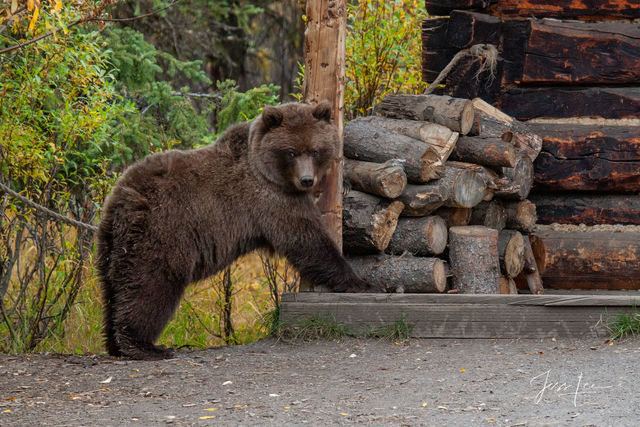
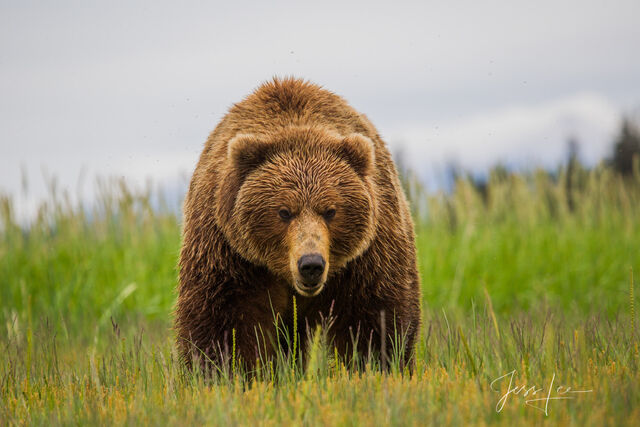
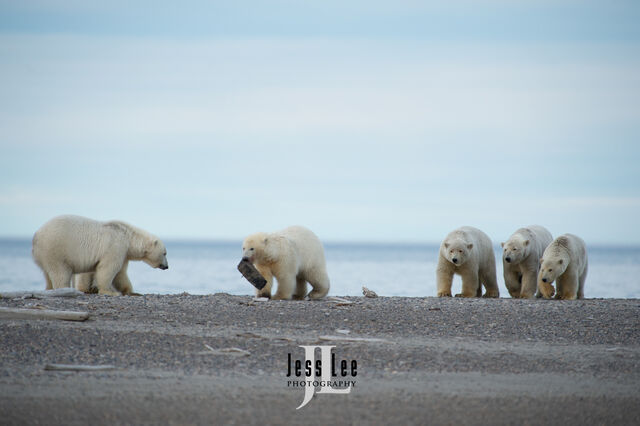
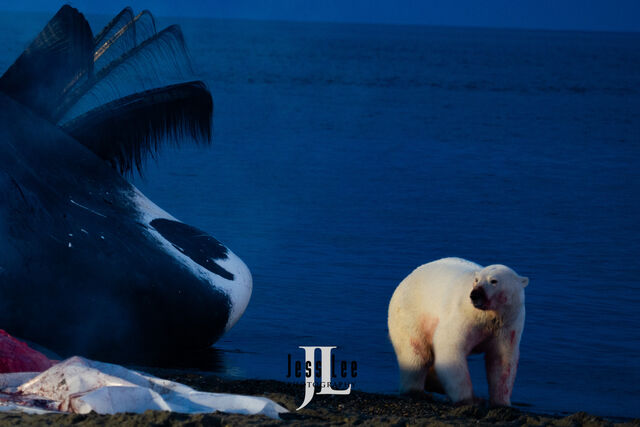
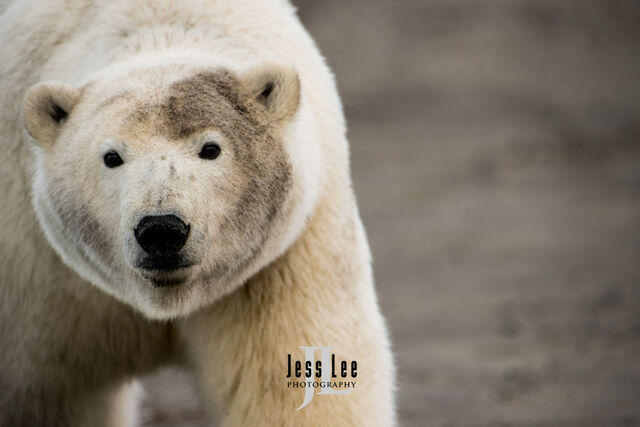
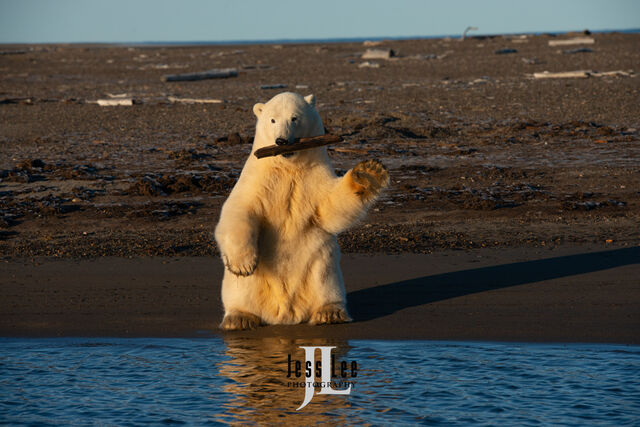
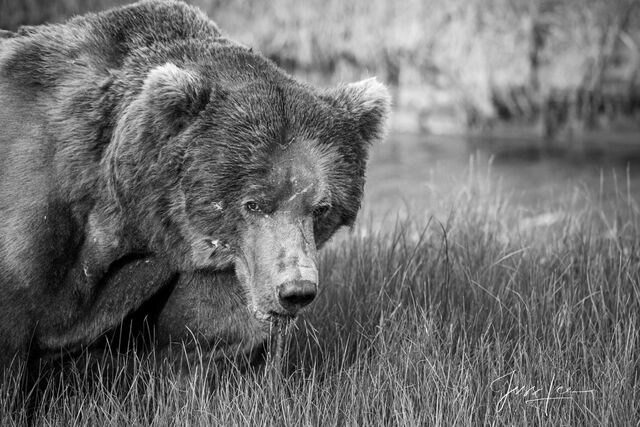
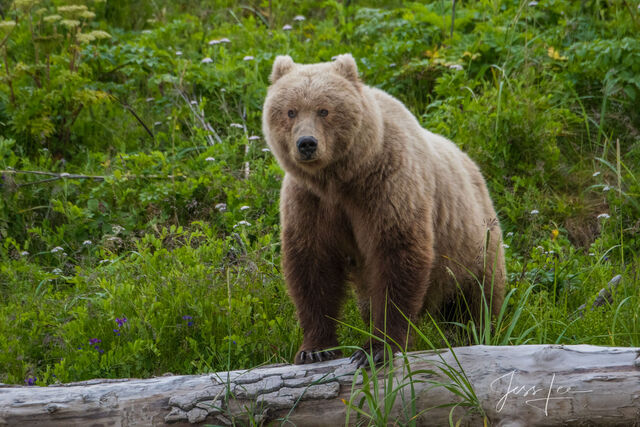
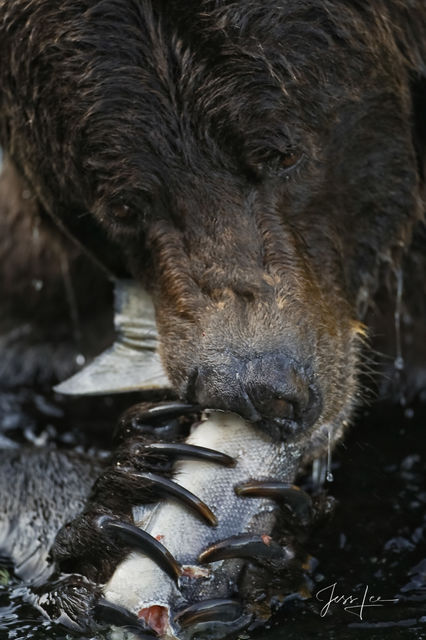
The mighty grizzly bear features prominently in Jess Lee's portfolio. These powerful omnivores are photographed in their natural behaviors – fishing for salmon in rushing streams, teaching cubs essential survival skills, or simply traversing the vast landscapes they call home. Each bear portrait reveals something of the individual animal's character, a testament to Jess's patience and understanding of his subjects.
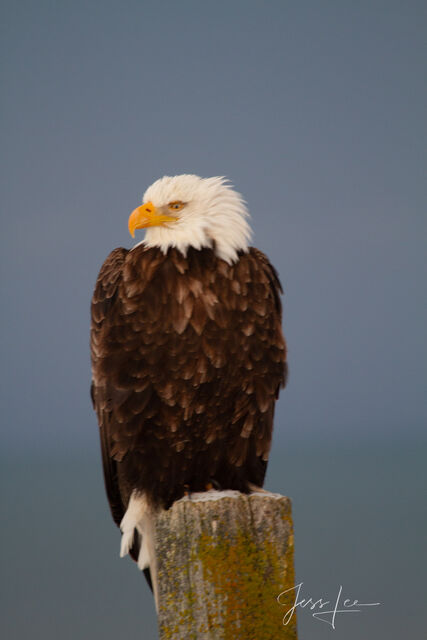
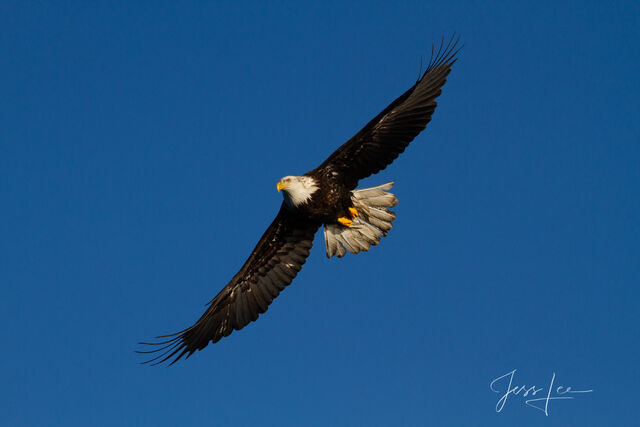
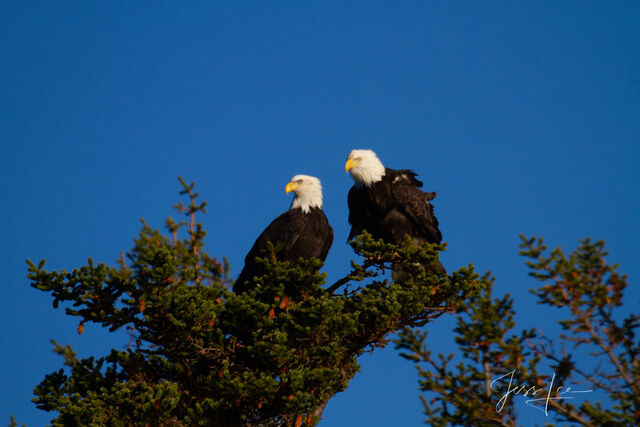
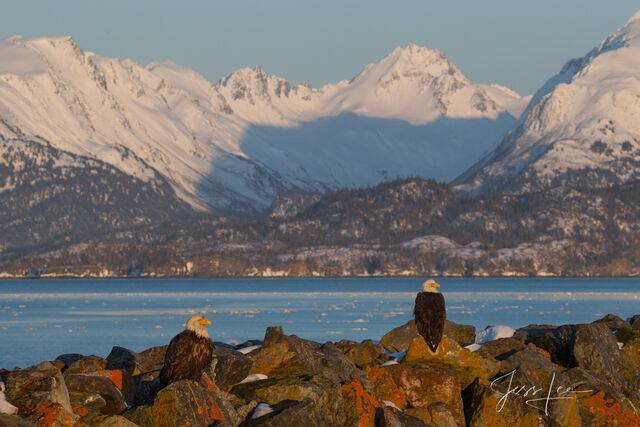
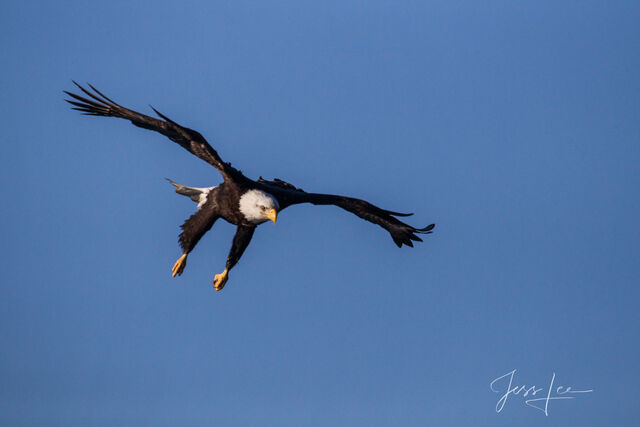
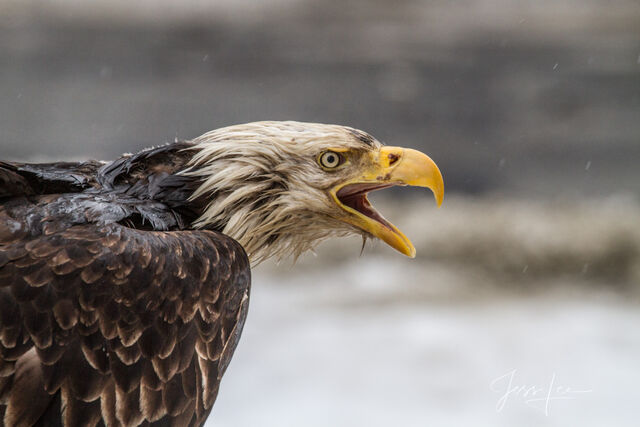
Bald eagles, symbolic of American wilderness, soar through many of Jess Lee's prints. These magnificent birds are captured in moments of dramatic action – diving for fish with talons extended, protecting their massive nests, or perched regally against backgrounds of snow-capped mountains. The detailed feather patterns and penetrating gaze of these birds are rendered with exceptional clarity in Jess's fine art prints.
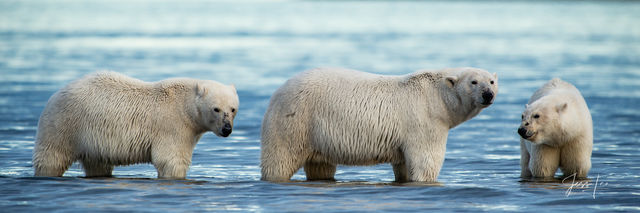
The coastal waters of Alaska provide opportunities to photograph marine mammals in their natural habitat. Humpback whales breaching in spectacular displays of power, orcas hunting in coordinated pods, and playful sea otters floating on their backs among kelp forests all feature in the collection. These marine subjects connect viewers to the rich ecosystems of Alaska's extensive coastline.
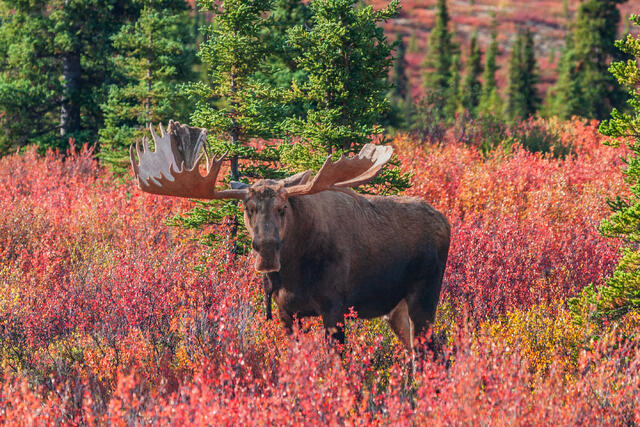
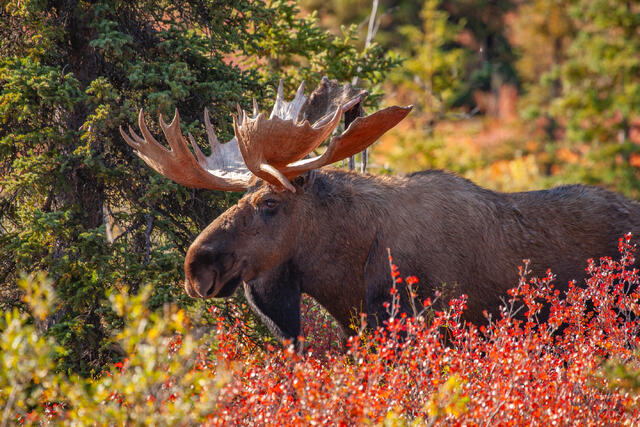
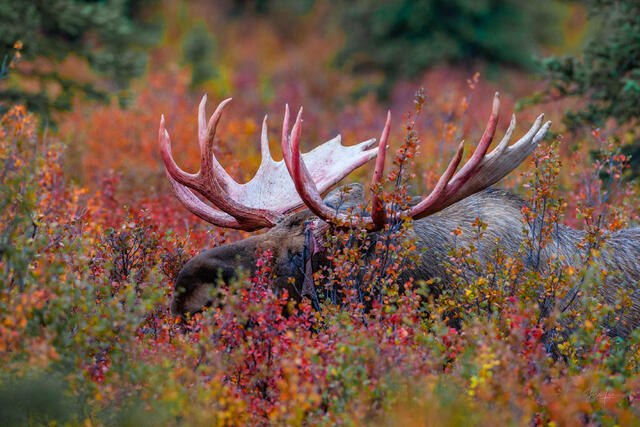
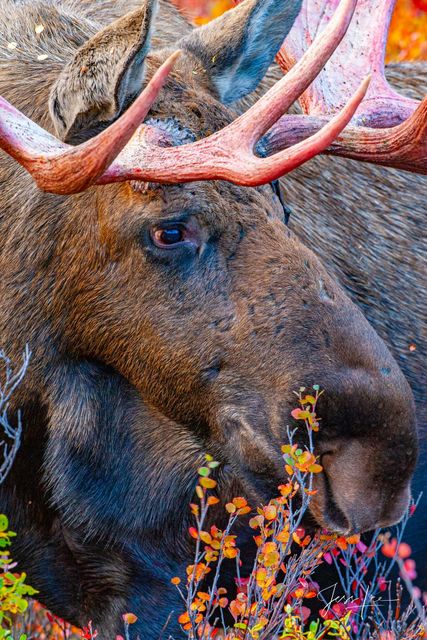
The iconic moose and caribou of Alaska's forests and tundra appear in Jess Lee's work as both powerful individuals and as elements within the greater landscape. The enormous antlers of a bull moose silhouetted against a misty morning lake or the flowing river of caribou migrating across the autumn tundra tell stories of adaptation and survival in one of Earth's most challenging environments.
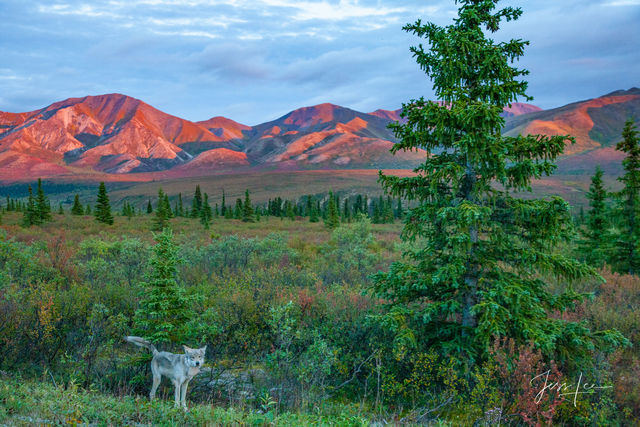
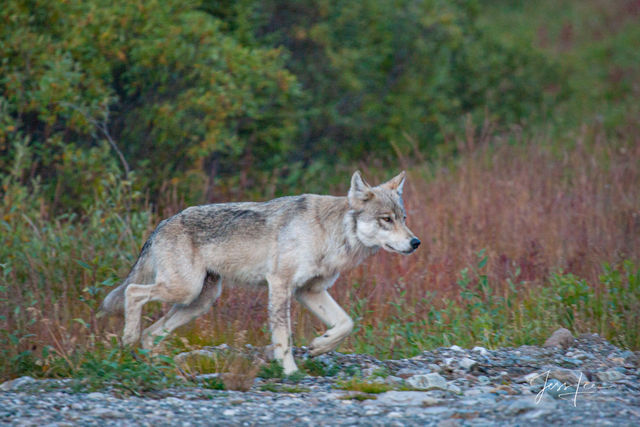
Dall sheep clinging to seemingly impossible mountain slopes, foxes pouncing on hidden prey beneath the snow, and the elusive wolves of Denali round out the diverse wildlife subjects in Jess Lee's Alaska photography collection. Each image represents hours, sometimes days, of waiting for the perfect moment – a level of dedication that translates into prints of exceptional quality and emotional impact.
The Diverse Landscapes of Alaska
The geographic diversity of Alaska provides an almost limitless range of photographic opportunities, each with its own distinctive character and challenges. Jess Lee's landscape photography spans the entirety of this vast state, from the rainforests of the Southeast to the arctic tundra of the far north.
Denali National Park stands as the crown jewel of Alaska's protected lands, home to North America's highest peak. Jess Lee's Denali photographs capture the mountain in its many moods – sometimes fully revealed in clear, crisp light, other times partially veiled in dramatic clouds. The vast tundra surrounding the mountain range provides foreground elements that emphasize the scale and grandeur of this iconic landscape.
The Inside Passage, with its labyrinth of islands, fjords, and channels, offers a completely different visual experience. Here, Jess captures the interplay between ocean and forest, where towering spruce and hemlock grow practically to the water's edge. Morning mists rising from these temperate rainforests create atmospheric compositions that evoke the primeval nature of this ancient coastline.
Alaska's glaciers feature prominently in Jess Lee's portfolio. These rivers of ice, some larger than entire states, are photographed both as grand landscapes and as abstract studies in blue and white. The textural details of crevasses, the translucent quality of the ice, and the dramatic scale of these massive features are all rendered with remarkable precision in his fine art prints.
The Brooks Range in Alaska's far north presents a landscape of austere beauty. Here, above the Arctic Circle, Jess captures the phenomenon of the midnight sun illuminating landscapes untouched by human development. The simple, graphic quality of these northern compositions, with their undulating ridgelines and vast skies, speaks to the ancient character of a landscape shaped by forces that have remained unchanged for millennia.
The Kenai Peninsula, where mountains quite literally meet the ocean, offers yet another face of Alaska's diverse geography. Jess Lee's Kenai prints often feature dramatic coastal scenes where rugged peaks plunge directly into the Gulf of Alaska, creating compositions of remarkable dynamic tension. The abundant wildlife of this region, from sea otters to humpback whales, adds living elements to these powerful landscapes.
Katmai National Park, famous for its abundant brown bear population, combines wildlife and landscape photography opportunities in a single remarkable location. Jess's Katmai images often show bears fishing against backgrounds of perfect wilderness – smoking volcanoes, pristine lakes, and forests that stretch to the horizon, creating visual stories that capture the essence of wild Alaska.
Bringing the Last Frontier Home
The allure of Alaska has captivated explorers, adventurers, and artists for generations. Its vast, untamed landscapes represent a connection to wilderness that grows increasingly rare in our modern world. Through Jess Lee's fine art Alaska photography prints, the magic of the Last Frontier becomes accessible to anyone who appreciates natural beauty and the artistry required to capture it.
As you browse through this exceptional collection of Alaska photography, consider the power of bringing these images into your daily environment. Beyond their beauty, they serve as windows into a world where wilderness still dominates, where natural processes unfold as they have for millennia, and where the connection between land and wildlife remains unbroken. In a world of increasing urbanization and digital distraction, these tangible, physical representations of Alaska's majesty offer a daily reminder of what truly matters – the preservation of wild places and our fundamental connection to the natural world.
Jess Lee's fine art Alaska photography prints stand as both artistic achievements and invitations to experience the Last Frontier in all its magnificent diversity. They are investments not just in beautiful art, but in the values of conservation, authenticity, and reverence for the natural world that Alaska represents to people around the globe.
Alaska Through My Lens: A Fine Art Photographer's Guide to the Last Frontier
Alaska, a land of unparalleled grandeur and untamed wilderness, has captivated my artistic spirit like no other place on Earth. From its towering, ice-clad mountains and vast, golden tundras to its vibrant wildlife and ethereal celestial displays, the 49th state offers an inexhaustible canvas for the dedicated fine art photographer. My journey through Alaska has been one of profound discovery, transforming fleeting moments of "live art" into timeless prints that bring the raw magnificence of this wilderness into homes and offices worldwide. This guide is a culmination of my experiences, designed to share the secrets to capturing Alaska's breathtaking beauty and to showcase why my meticulously crafted fine art prints are a genuine investment in transforming your space.
Mastering the Craft: Essential Techniques for Alaska's Diverse Landscapes
Photographing Alaska's immense and often challenging environments demands a blend of artistic vision and technical precision. My pursuit of fine art landscape photography here is built upon a foundation of specialized techniques tailored to this unique wilderness.
Compositional Strategies: Guiding the Viewer's Eye
The sheer scale of Alaska's landscapes necessitates thoughtful compositional approaches to create depth and visual interest in my images. I frequently employ wide-angle lenses to fully embrace the vastness of scenes, from sweeping mountain vistas to intricate foregrounds. To prevent a flat appearance and draw the viewer into the image, I strategically utilize foreground elements such as intriguing rocks, majestic trees, or serene bodies of water. Leading lines, whether naturally occurring trails, flowing rivers, or even distinct ice formations, are crucial for guiding the viewer's gaze through the frame, creating a dynamic visual journey.
Beyond these foundational elements, I constantly experiment with different perspectives to uncover unique interpretations of well-known scenes. This often means getting low to the ground to emphasize a foreground detail or ascending to higher vantage points for sweeping, panoramic views. My ability to see beyond the obvious, to interpret the landscape in a way that creates depth and narrative, is central to producing compelling fine art. This approach elevates an image from a simple snapshot to a piece that tells a story, reflecting my deeper understanding of visual storytelling.
Harnessing Natural Light: The Painter's Palette
Light is undeniably my most powerful tool in a landscape photographer's arsenal. I consistently favor the "golden hours"—the periods shortly after sunrise and before sunset—for their warm, soft light that exquisitely enhances colors and textures, transforming ordinary scenes into extraordinary ones. Side-lighting, in particular, is highly effective in mountainous terrain and on ice formations, as it emphasizes contours and shadows, creating a profound sense of depth that is critical for a two-dimensional print.
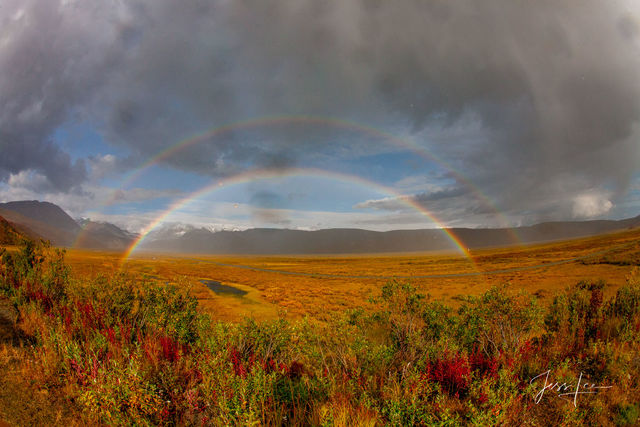
Alaska's weather, however, is famously dynamic and unpredictable. As a seasoned photographer, I must be prepared for rapidly changing conditions and adapt my shooting style on the fly; some of my most dramatic and unique images emerge from unexpected weather shifts, such as a storm clearing at sunrise. Even conditions often perceived as challenging, like overcast or cloudy days, can provide beautifully diffused light, ideal for capturing rich, saturated colors without harsh shadows, especially beneficial for revealing the subtle textures and colors within glaciers. When faced with bright midday sun, I employ strategies like seeking "open shade" or utilizing reflectors to balance the light, preventing blown-out highlights or underexposed shadows. Rain and snow, while demanding careful equipment protection, offer unique photographic opportunities, allowing me to capture falling precipitation or the serene, muted tones of a winter landscape.This adaptability to varying light conditions is not just practical; it is about seizing fleeting moments that contribute to truly original and impactful fine art.
Advanced Techniques for Print Quality: Beyond the Single Shot
To achieve the unparalleled detail and tonal richness essential for my fine art prints, especially when confronting Alaska's high-contrast landscapes, I frequently employ advanced techniques. Managing dynamic range is paramount; scenes with bright skies contrasting with deep shadows often exceed a camera sensor's ability to capture all detail in a single exposure. To overcome this, bracketing exposures—capturing multiple shots at different exposure levels—and blending them in post-processing is a common practice for me, ensuring that both the brightest highlights and deepest shadows retain intricate detail. Utilizing manual mode for bracketing offers me precise control over each individual exposure, which is particularly advantageous when dealing with moving elements like clouds or water. Shooting in RAW format is also crucial to preserve full detail and dynamic range for post-processing flexibility.
Focus stacking represents another indispensable technique for me, especially with extreme wide-angle compositions where elements are very close to the lens in the foreground and extend far into the background. Achieving tack-sharp focus throughout the entire image can be impossible with a single shot, even at narrow apertures. By capturing multiple images, each focused at a different point within the scene, and then merging them in post-processing software, every detail from the nearest wildflower to the distant mountain peak can be rendered with exquisite sharpness. A sturdy tripod is absolutely non-negotiable for both bracketing and focus stacking, as it ensures perfect alignment between frames. My subsequent post-processing is then meticulously tailored for print, emphasizing realism, gentle adjustments to contrast and vibrancy, and soft-proofing to ensure colors and details translate beautifully onto the chosen medium. The consistent application of these advanced methods addresses inherent limitations of camera sensors and optics, elevating the captured image to a level of immersive detail and quality that defines my fine art.
Essential Gear for Alaska Adventures
My gear selection is a critical extension of my artistic vision, especially when navigating Alaska's diverse and often challenging environments. My primary tools for capturing Alaska's grandeur are my Fuji GFX100II and Nikon Z8 camera systems. For the Fuji GFX100II, with its fabulous 100-megapixel sensor, I rely on a range of lenses, including wide-angle options and specialized tilt-shift lenses for precise perspective control, which are indispensable for capturing the vastness of landscapes and intricate foregrounds. With my Nikon Z8, I also utilize a versatile array of wide-angle and telephoto lenses to compress distant peaks or isolate specific details, adding depth and scale to my compositions. For wildlife photography, a 400mm or greater telephoto lens is ideal for me to maintain ethical distance and avoid disturbance to animals.
A sturdy, lightweight carbon fiber tripod is paramount for me to achieve sharpness, particularly in low light or when employing advanced techniques like bracketing and focus stacking, and it also helps stay warmer in cold conditions. Filters, especially polarizing filters, are essential for me to reduce glare on water and ice, enhance colors, and deepen the blue of Alaska's skies. Neutral density (ND) and graduated neutral density (GND) filters are crucial for me to control exposure and contrast, enabling long exposures for creating silky water effects or capturing the movement of glaciers. A remote shutter minimizes camera shake, ensuring crisp images, particularly during long exposures. Beyond the camera body and lenses, protecting my gear from Alaska's variable weather—rain, snow, and rapid temperature changes—is critical, often necessitating plastic bags or weather-sealed covers. I always keep batteries warm and carry spares, as cold temperatures can quickly drain them. Preventing condensation when moving cameras between cold outdoor and warm indoor environments is also key; I often use Ziploc bags for this purpose. Extra memory cards and a headlamp for early morning or late-night shoots are always in my pack, ensuring readiness for any photographic opportunity. The careful selection and protection of this equipment are not just about technical capability; they are about enabling my artistic vision and ensuring the integrity of my photographic process in challenging environments.