
High Quality Large Format Photography Prints - Why I choose 100+ million pixels.
Making Quality Choices in Contemporary Photography from a long time professional photographer
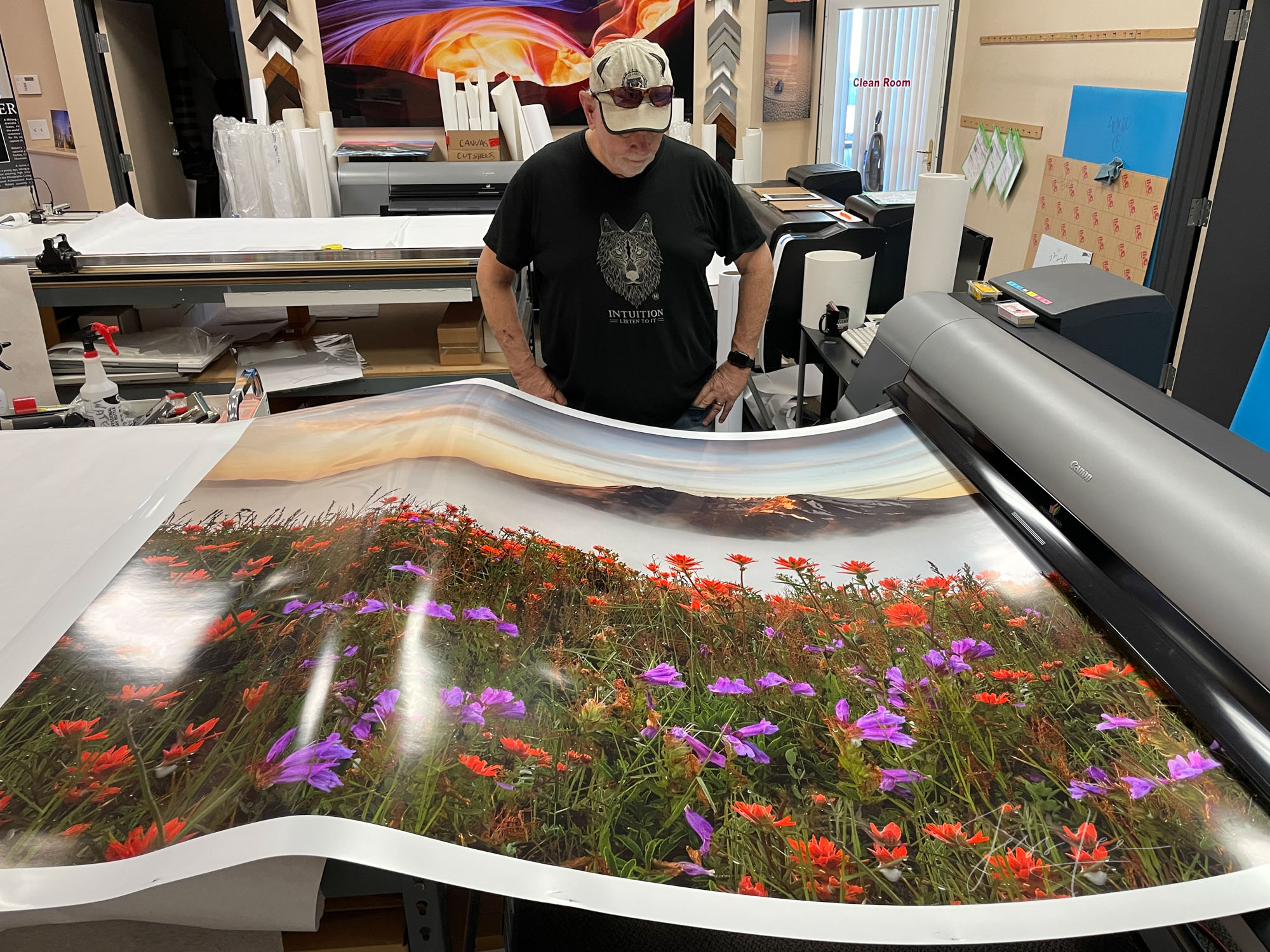
Understanding Large Format Photography: Why High Megapixel Systems Create Superior Prints
The Technical Foundation of Museum-Quality Photography in the Digital Age
Exploring the Advantages of 100+ Megapixel Capture Over AI-Enhanced and Digitally Manipulated Images
In today's photography market, collectors face a critical choice between images captured with high-resolution medium format systems and those artificially enhanced through software manipulation. This comprehensive guide explores why large format photography prints from genuine 100+ megapixel cameras—like those in Jess Lee's collection—represent a superior standard in fine art photography, achieving extraordinary detail through authentic optical capture rather than computational enhancement.
The Foundation: Understanding Real Resolution vs. Artificial Enhancement
The Megapixel Reality in Professional Photography
The photography world has reached an interesting crossroads. While pro/consumer cameras have plateaued around 24-45 megapixels, professional medium format systems now achieve 100+ megapixels of genuine optical resolution. This creates a fundamental quality difference that becomes increasingly apparent in large-scale fine art prints.
Whether captured with the accessible excellence of a Fujifilm GFX100 II, the balanced capability of a Hasselblad X2D, or the ultimate resolution of a Phase One IQ4, images from these systems share common advantages: authentic detail, superior color depth, exceptional dynamic range, and the ability to produce prints that maintain quality at any size.
As the photography world continues evolving, the distinction between authentic high-resolution capture and artificially enhanced imagery becomes increasingly important. Collectors who understand these differences can build collections with confidence, knowing their investments represent genuine photographic achievement rather than digital manipulation.
For those seeking fine art photography that represents the pinnacle of technical capability and artistic integrity, understanding the advantages of high megapixel capture systems is essential. Whether from established masters or emerging artists using these remarkable tools, such images offer lasting value and authentic beauty.
Will my large format print still have good detail up close?
( opens in youtube , hit your back button to return to Jess Lee Photos)
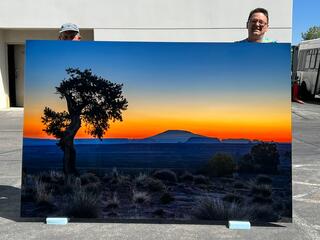
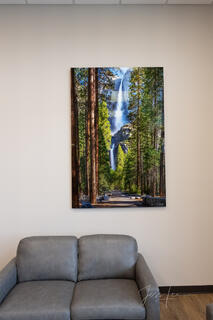
A sample of a few recent Large Format Photography Prints




The devil is in the details, and the wizard behind the computer
Current High Megapixel Systems Excellence:
Phase One IQ4 150MP:
- 150 million genuine pixels on 53.4 x 40.0mm sensor
- 16-bit color depth with 15 stops dynamic range
- Backside-illuminated sensor technology
- Designed specifically for landscape and fine art photography
Hasselblad X2D 100C:
- 100 million pixels on 43.8 x 32.9mm sensor
- Hasselblad Natural Colour Solution (HNCS)
- 5-axis in-body stabilization
- Exceptional build quality and weather sealing
Fujifilm GFX100 II:
- 102 million pixels on 43.8 x 32.9mm sensor
- Remarkable value in medium format category
- Advanced autofocus with subject detection
- 8-stop in-body image stabilization
- Film simulation modes maintaining artistic control
The Fuji GFX Advantage: The Fujifilm GFX system has democratized medium format photography to some degree, offering 100+ megapixel capture at more accessible price points while maintaining exceptional image quality. The GFX100 II particularly excels in:
- Color science derived from decades of film expertise
- Excellent dynamic range performance
- Intuitive handling for field work
- Comprehensive lens lineup optimized for high resolution
Why Sensor Size and Resolution Matter Together
The Physics of Light Gathering:
Larger sensors with high pixel counts offer multiple advantages:
- Pixel pitch: Larger pixels gather more light
- Signal-to-noise ratio: Cleaner files at all ISOs
- Diffraction limits: Later onset than smaller formats
- Tonal gradation: Smoother transitions in skies and shadows
- Color depth: More accurate color reproduction
These advantages cannot be replicated through software—they're fundamental physics.
The Lens Factor: Often Overlooked, Always Critical
Premium Glass for Premium Sensors
High megapixel sensors demand exceptional optical quality. Whether using Schneider Kreuznach, Hasselblad XCD, or Fujinon GF lenses, the principle remains constant: the lens must resolve the sensor's capability.
Fujinon GF Lens Excellence: The Fujifilm GFX system benefits from lenses designed specifically for 100+ megapixel resolution:
- GF 32-64mm f/4: Exceptional zoom with minimal compromise
- GF 110mm f/2: Portrait lens with landscape capabilities
- GF 45-100mm f/4: Versatile range with consistent sharpness
- GF 20-35mm f/4: Ultra-wide without excessive distortion
What Makes Medium Format Lenses Special:
- Designed for larger image circles
- Optimized for high-resolution sensors
- Superior edge-to-edge sharpness
- Minimal chromatic aberration
- Built for professional durability
The Current State of AI Enhancement in Photography
Understanding What AI Does to Images
The proliferation of AI tools has fundamentally changed how many photographers approach their craft. While these tools have legitimate applications, understanding their limitations is crucial for collectors.
Common AI Enhancement Methods:
- Resolution upscaling: Creating pixels through pattern recognition
- Detail enhancement: Artificially sharpening existing information
- Sky replacement: Swapping atmospheric conditions
- Subject isolation: Selective enhancement of specific elements
- Noise reduction: Sometimes removing actual detail
The Fundamental Limitation: AI cannot create information that wasn't captured. It makes educated guesses based on training data, leading to:
- Pattern repetition in organic textures
- Homogenization across different images
- Loss of unique, moment-specific details
- Artificial appearance under close inspection
When Enhancement Becomes Manipulation
There's a spectrum from basic processing to heavy manipulation:
Traditional Processing (Maintaining integrity):
- RAW conversion and color grading
- Exposure and contrast adjustments
- Lens corrections for optical imperfections
- Dust spot removal
- Traditional dodging and burning
Digital Manipulation (Altering reality):
- AI upscaling beyond native resolution
- Generating details that didn't exist
- Combining multiple scenes
- Adding or removing major elements
- Creating atmospheric conditions
The Print Quality Difference: Where Truth Becomes Visible
How High Megapixel Capture Translates to Superior Prints
The advantages of 100+ megapixel capture become most apparent in print:
At Gallery Viewing Distances:
- 30x40": Full detail maintained throughout
- 40x60": No visible pixelation or softness
- 60x90": Impressive detail retention
- Larger formats: Still holding quality where others fail
The Close Inspection Test: This is where authentic high-resolution capture truly shines:
- Natural texture in all surfaces
- Smooth tonal gradations
- No artificial sharpening halos
- Organic detail structure
- Consistent quality edge to edge
Understanding Print Resolution Requirements
The Mathematics of Quality:
- 300 DPI: Standard for highest quality
- 240 DPI: Acceptable for large viewing distances
- 180 DPI: Minimum for wall displays
100 Megapixel Advantages:
- 40x60" at 240 DPI native (no upscaling)
- 30x45" at 300 DPI native
- Cropping flexibility while maintaining quality
- Future-proof for improving display technology
The Investment Perspective: Long-Term Value Considerations
Market Dynamics in Fine Art Photography
The photography market is evolving with technology awareness:
Factors Affecting Value:
- Authenticity of capture: Growing importance
- Technical transparency: Increasingly demanded
- Edition sizes: Relationship to capture quality
- Artist methodology: Traditional vs. digital enhancement
- Future verification: Ability to authenticate process
The Quality Premium: High-quality captures from 100+ megapixel systems command premiums because:
- Equipment investment demonstrates commitment
- Results cannot be replicated with software
- Increasing rarity as AI becomes prevalent
- Technical superiority visible to educated collectors
Building a Collection with Confidence
What to Look For:
- Documentation of capture methods
- Technical specifications provided
- Transparency about processing
- Print quality guarantees
- Artist commitment to authenticity
Questions for Photographers:
- What camera system was used?
- What is the native file resolution?
- What post-processing was applied?
- Are technical details available?
- Can you explain your methodology?
Practical Advantages of Different High Megapixel Systems
Phase One: The Ultimate Resolution
Best For:
- Maximum possible detail
- Large-scale commercial work
- Museum and gallery exhibitions
- Investment-grade fine art
- Technical photography requirements
Considerations:
- Highest equipment cost
- Specialized expertise needed
- Slower operational speed
- Studio-oriented design
Hasselblad: Heritage Meets Innovation
Best For:
- Color-critical applications
- Balanced field/studio use
- Traditional medium format aesthetic
- Professional versatility
- Brand prestige value
Considerations:
- Premium pricing
- Excellent build quality
- Strong lens selection
- Proven reliability
Fujifilm GFX: Accessible Excellence
Best For:
- Field photography flexibility
- Value-conscious professionals
- Hybrid photo/video needs
- Adaptable lens options
- Modern feature integration
Advantages of the GFX System:
- Most affordable 100MP entry point
- Excellent image stabilization
- Advanced autofocus capabilities
- Growing lens ecosystem
- Familiar handling for 35mm users
The Fujifilm GFX100 II has made 100-megapixel photography more accessible while maintaining the core advantages of medium format imaging.
Technical Considerations for Collectors
Evaluating Print Quality
Visual Inspection Points:
- Overall Impression:
- Natural appearance
- Believable lighting
- Coherent atmosphere
- Detail Examination:
- Edge sharpness without artifacts
- Texture authenticity
- Shadow detail presence
- Highlight information
- Color Evaluation:
- Natural skin tones
- Sky gradation smoothness
- Vegetation authenticity
- Water transparency
Understanding File Preparation
Professional Standards:
- 16-bit file processing
- Prophoto RGB color space
- Minimal compression
- Soft proofing for print media
- Archival file preservation
The Evolution of Photography Technology
Current Trends in High-Resolution Imaging
Positive Developments:
- More accessible medium format options (Fujifilm GFX leading)
- Improved lens designs for high resolution
- Better processing power for large files
- Advanced color science
- Enhanced weather sealing
Concerning Trends:
- Over-reliance on AI enhancement
- Confusion about "equivalent" resolution
- Marketing emphasis over quality
- Diminished technical education
- Authenticity questions
Future Considerations
What's Coming:
- Higher resolution sensors (200MP+)
- Improved computational photography
- Blockchain authentication
- AI detection tools
- Market segmentation
Making Informed Decisions About Photography Purchases
The Value Equation
When evaluating fine art photography, consider:
Technical Excellence:
- Genuine capture resolution
- Optical quality employed
- Processing methodology
- Print production standards
- Archival considerations
Artistic Merit:
- Compositional strength
- Moment captured
- Emotional impact
- Unique perspective
- Technical mastery
Investment Factors:
- Edition limitations
- Artist trajectory
- Market acceptance
- Authentication ability
- Condition preservation
Working with Photographers Using High Megapixel Systems
Benefits of choosing photographers with 100MP+ equipment:
- Commitment to quality demonstrated
- Technical expertise implied
- Future-proof imagery
- Maximum print flexibility
- Professional standards maintained
Case Studies: When Resolution Makes a Difference
Landscape Photography
High megapixel systems excel in landscape work:
- Capturing distant detail
- Maintaining foreground sharpness
- Revealing texture in nature
- Handling extreme dynamic range
- Preserving subtle colors
Architecture and Interiors
The precision required benefits from high resolution:
- Straight lines without correction
- Fine detail preservation
- Large-scale presentation
- Technical documentation
- Commercial reproduction
Fine Art Applications
Museum and gallery standards often require:
- Maximum resolution capture
- Minimal post-processing
- Technical transparency
- Archival production
- Authentication capability
Educational Resources for Collectors
Understanding Specifications
Key Terms Explained:
- Native resolution: Actual sensor pixels
- Interpolated resolution: Software-created pixels
- Dynamic range: Shadow to highlight capability
- Color depth: Bit depth and gradation
- MTF: Modulation Transfer Function (lens quality)
Identifying Quality
Signs of High-Quality Capture:
- Natural detail structure
- Smooth gradations
- Clean shadow areas
- Retained highlights
- Edge-to-edge sharpness
Red Flags to Avoid:
- Artificial sharpening
- Repetitive patterns
- Plastic-looking surfaces
- Halo effects
- Noise in smooth areas
The Professional Photography Landscape
Different Approaches, Different Results
The photography world now includes:
Traditional Capture Excellence:
- Focus on getting it right in camera
- Investment in superior equipment
- Minimal post-processing philosophy
- Authenticity as primary value
- Long-term quality focus
Digital Enhancement Approach:
- Software-based solutions
- Lower equipment investment
- Extensive post-processing
- Creative interpretation
- Efficiency prioritized
Both have their place, but collectors should understand the differences.
Frequently Asked Questions
Is 100 megapixels really necessary for fine art prints?
For prints exceeding 30x40", the advantages become significant. While not always "necessary," the quality difference is visible and affects both immediate impact and long-term value.
How does the Fujifilm GFX compare to Phase One or Hasselblad?
The GFX system offers excellent value, achieving 90-95% of the image quality at a more accessible price point. For most applications, the differences are subtle, making it an excellent choice for many photographers.
Can I see the difference between 50MP and 100MP in normal viewing?
At typical viewing distances for smaller prints (under 24x36"), differences are minimal. However, the advantages become clear in larger prints, cropped images, or close inspection.
Why do some photographers still use lower resolution cameras?
Many factors influence camera choice: speed, autofocus, low-light performance, video capabilities, or simply that their output doesn't require higher resolution. The key is matching tools to intended use.
How can I verify a photographer's capture methods?
Ask for technical specifications, request metadata information, inquire about equipment used, and look for transparency in their process description.
Conclusion: Making Quality Choices in Contemporary Photography
The availability of high megapixel systems from manufacturers like Phase One, Hasselblad, and Fujifilm has established a new standard for fine art photography. While not every image requires 100+ megapixels, understanding the advantages helps collectors make informed decisions.
Whether captured with the accessible excellence of a Fujifilm GFX100 II, the balanced capability of a Hasselblad X2D, or the ultimate resolution of a Phase One IQ4, images from these systems share common advantages: authentic detail, superior color depth, exceptional dynamic range, and the ability to produce prints that maintain quality at any size.
As the photography world continues evolving, the distinction between authentic high-resolution capture and artificially enhanced imagery becomes increasingly important. Collectors who understand these differences can build collections with confidence, knowing their investments represent genuine photographic achievement rather than digital manipulation.
For those seeking fine art photography that represents the pinnacle of technical capability and artistic integrity, understanding the advantages of high megapixel capture systems is essential. Whether from established masters or emerging artists using these remarkable tools, such images offer lasting value and authentic beauty.