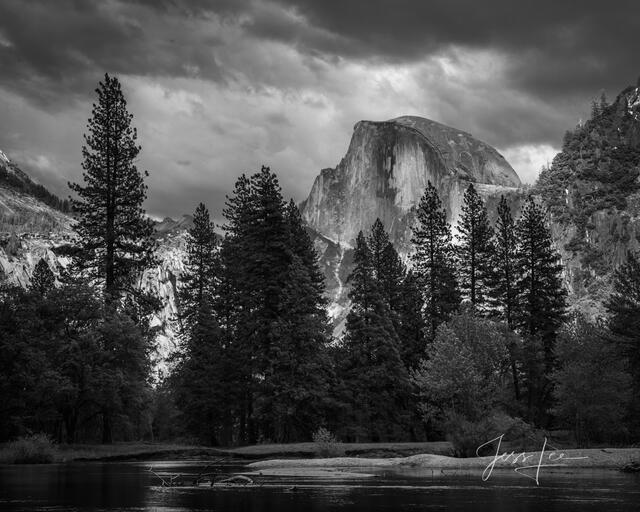
Photographing Trees
Giants of the Forest: Photographing Redwoods
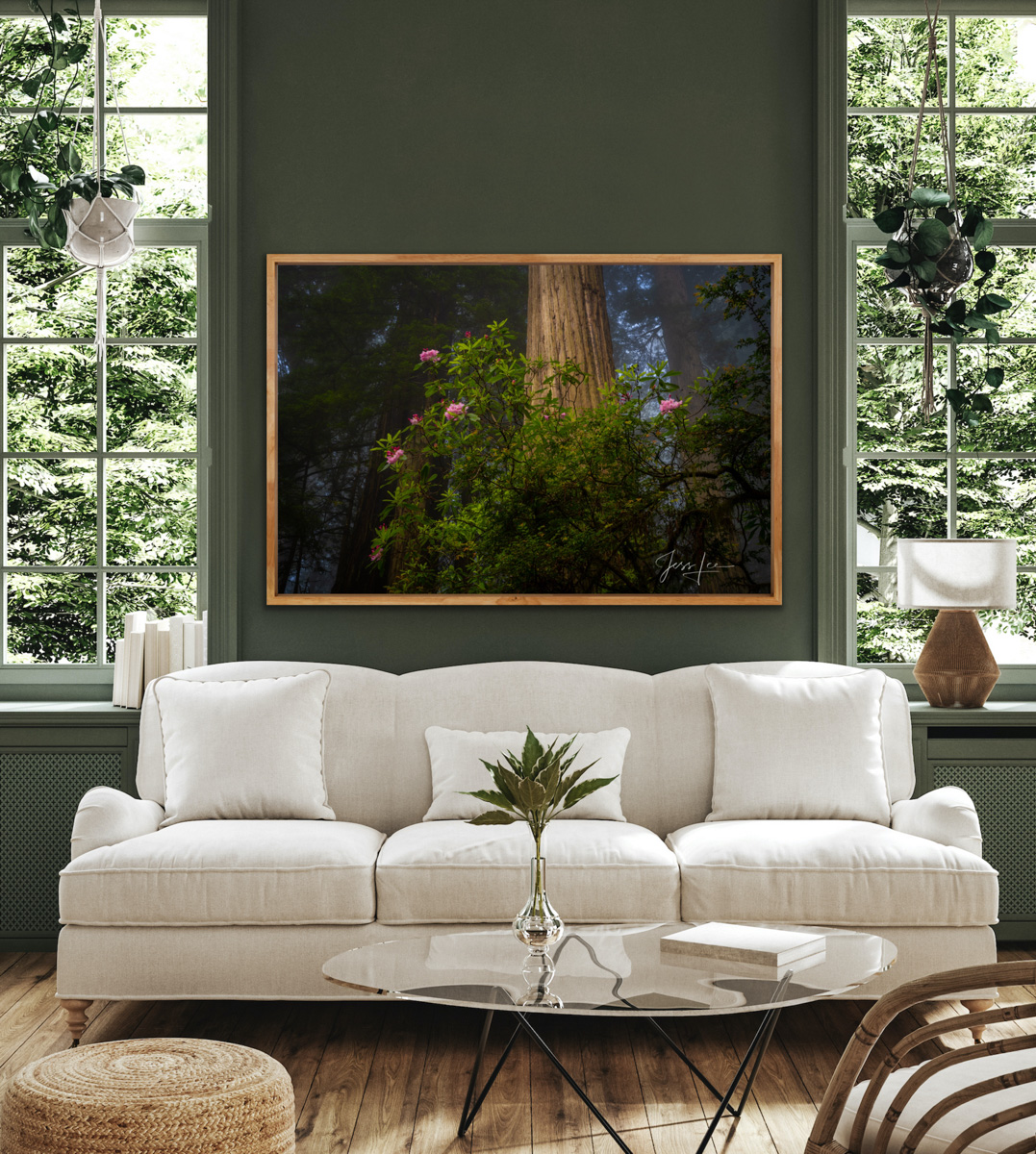
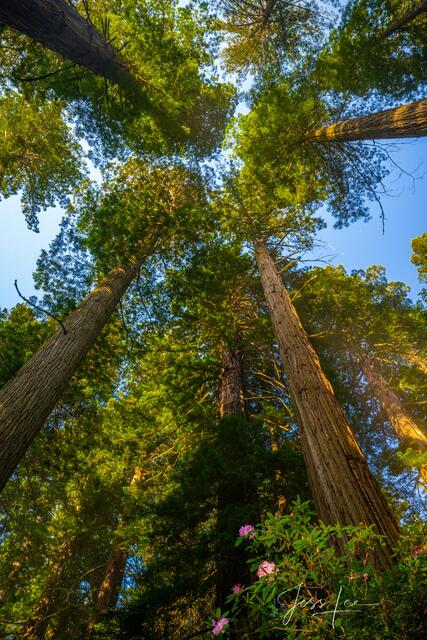
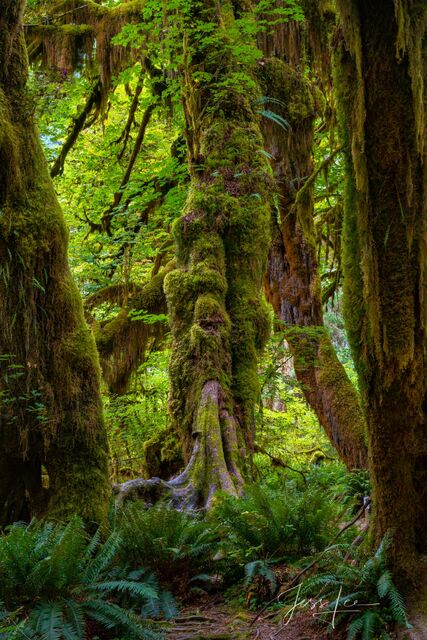
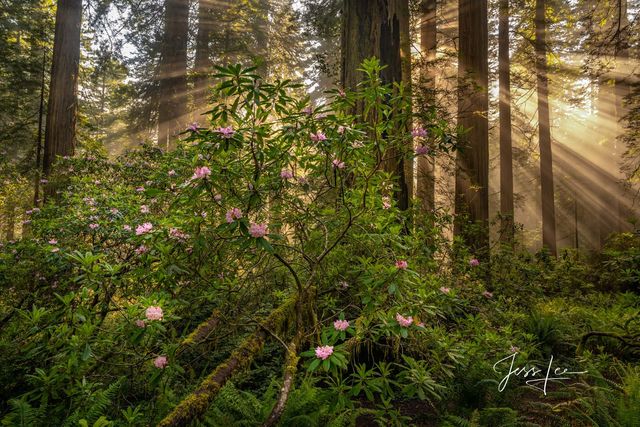
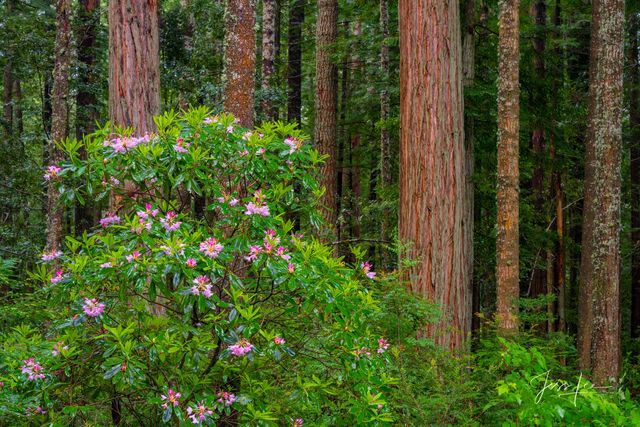
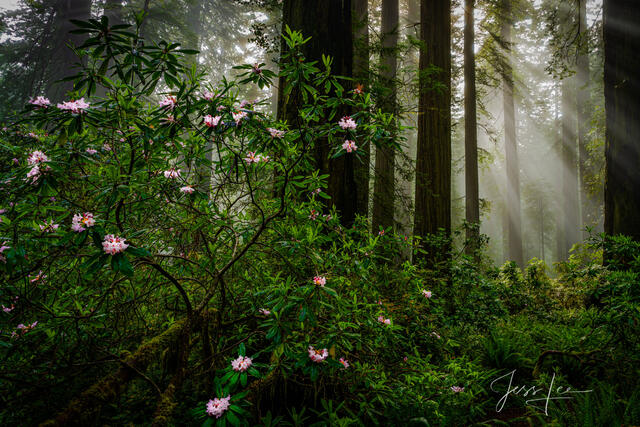
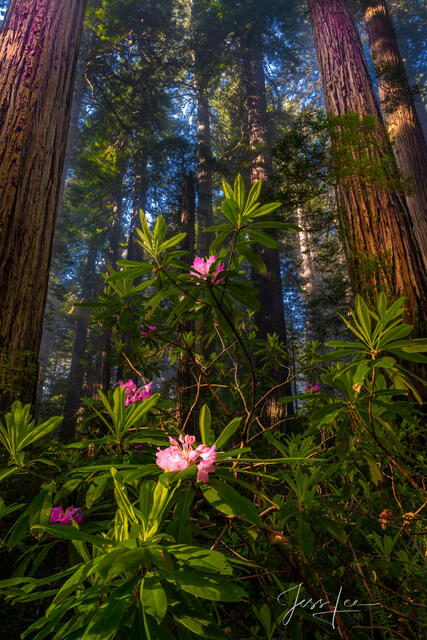
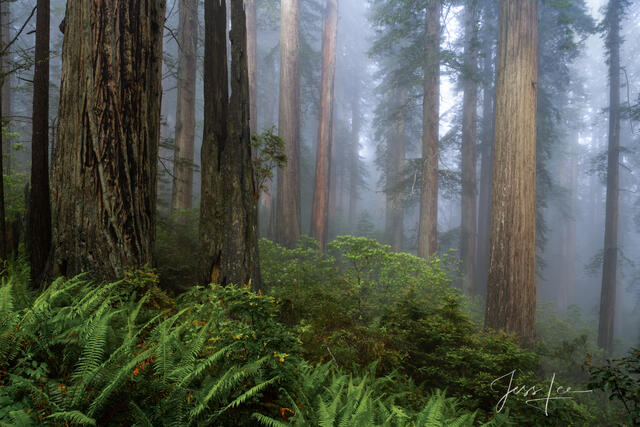
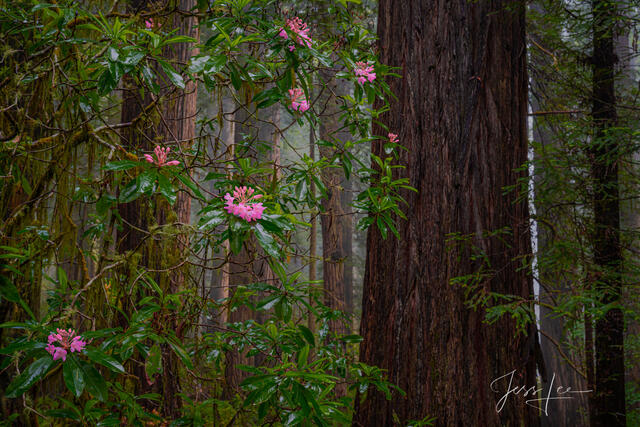
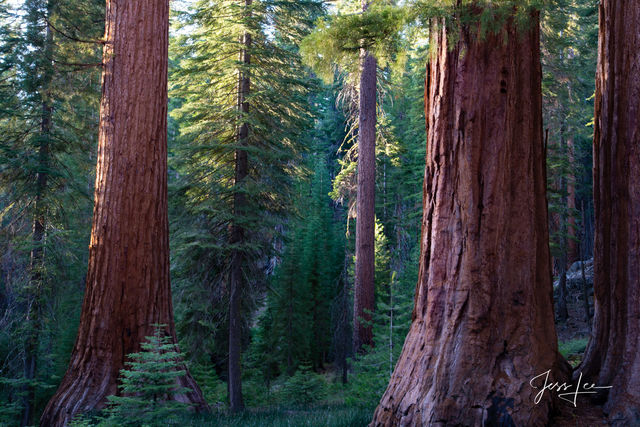
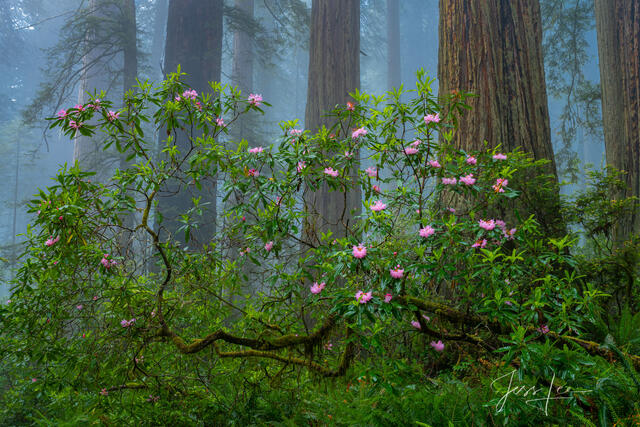
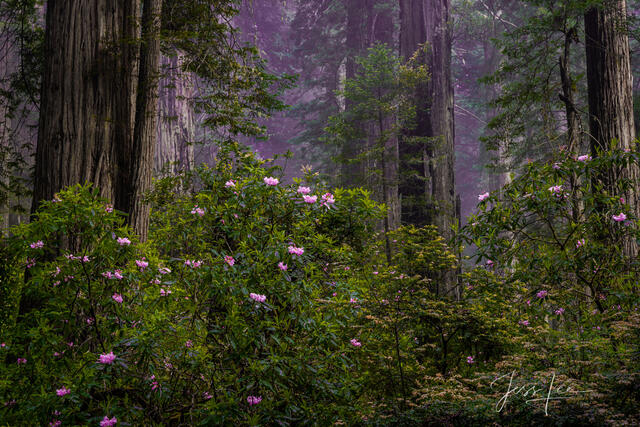
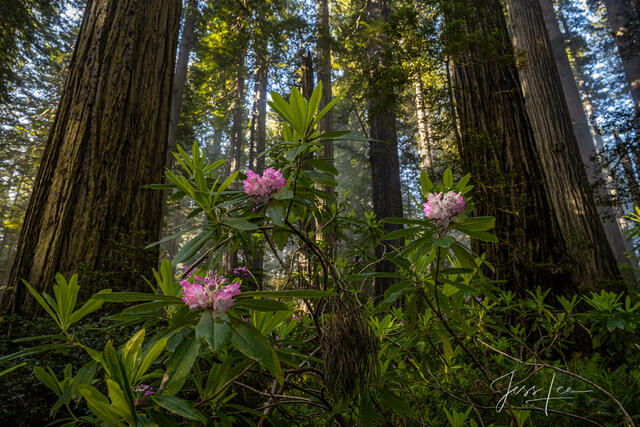
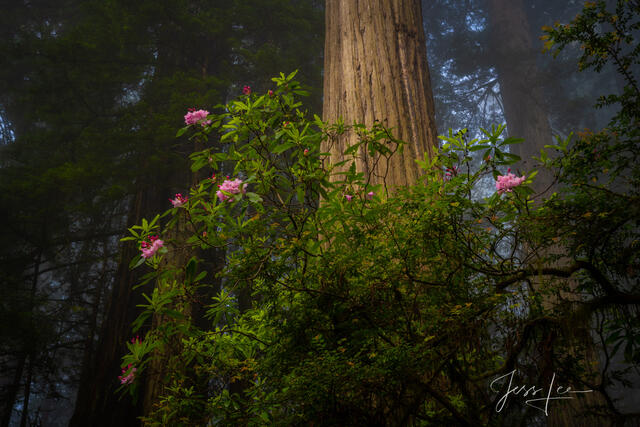
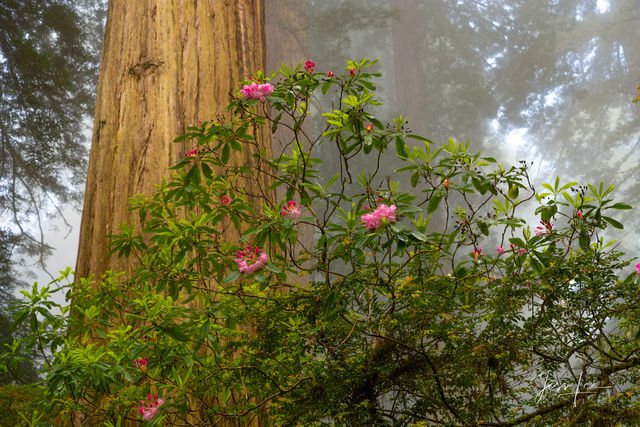
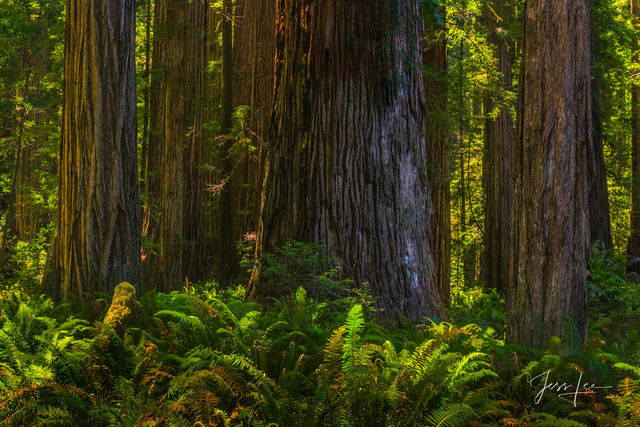
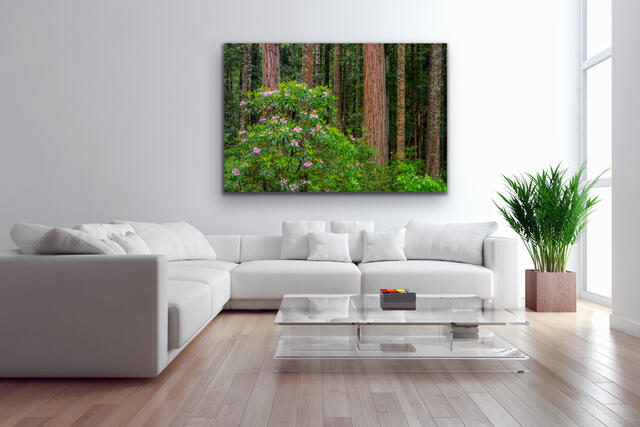
Among the most awe-inspiring subjects I've had the privilege to photograph are the redwood trees. Standing beneath these colossal giants, one truly grasps their immense scale. Capturing their grandeur presents unique challenges, but also incredible rewards.
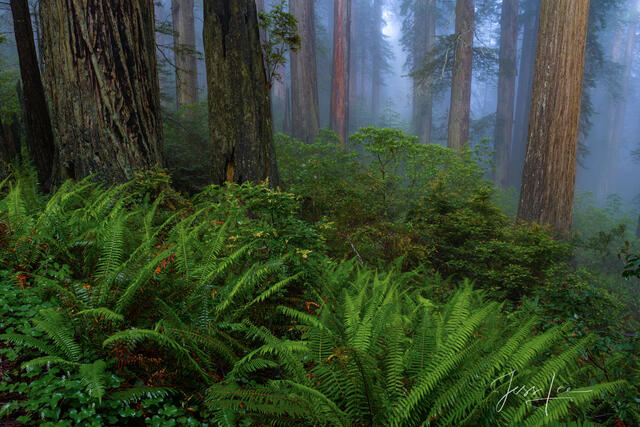
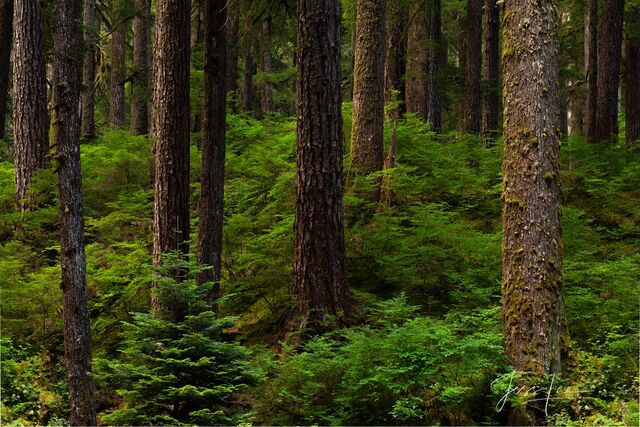
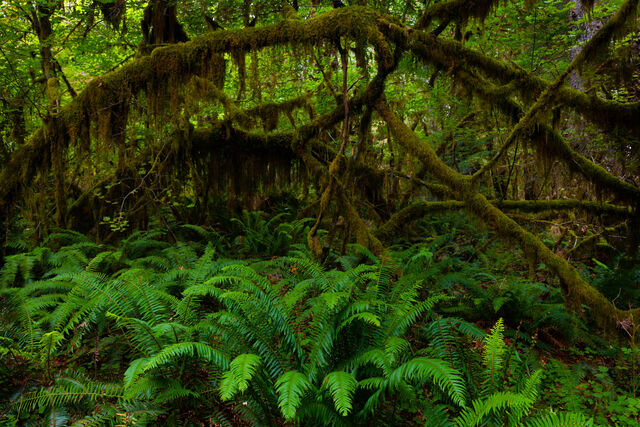
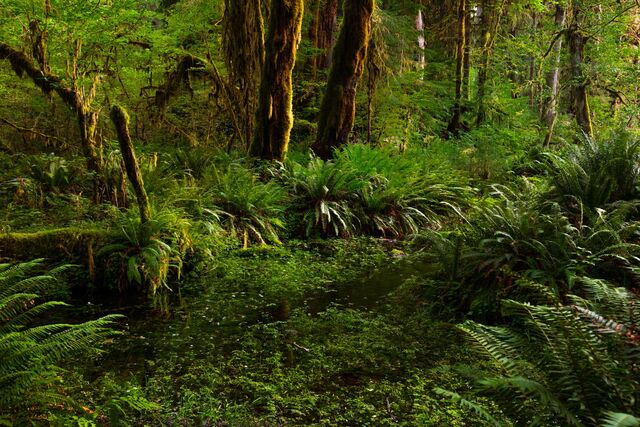
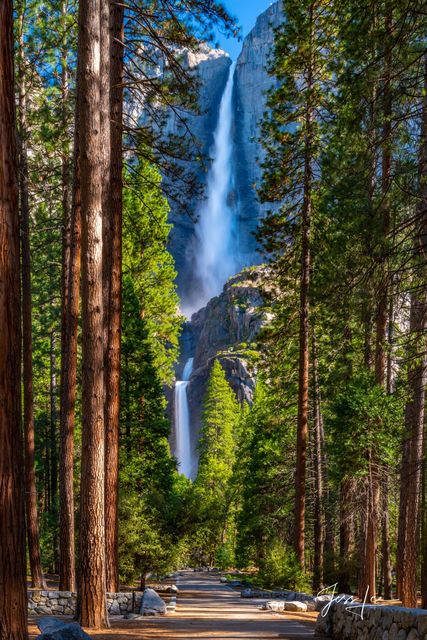
To convey their towering height, I often rely on wide-angle lenses, typically in the 14-24mm range, which are my go-to for encompassing an entire tree or a vast forest scene. Sometimes, I'll use vertical compositions to emphasize their soaring reach towards the sky. To truly illustrate their size, I find it effective to include foreground elements like ferns, fallen logs, or even people, which provide a sense of scale and depth. Focusing on the intricate details of their massive trunks can also highlight their immense presence without needing to show their entire length.
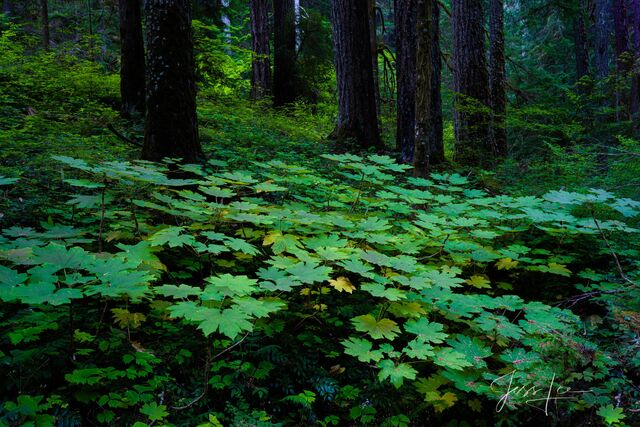
Redwood forests are often dimly lit due to their thick canopies, which can make photography challenging. I've learned to embrace these low-light conditions, always relying on a sturdy tripod to ensure sharp images. Overcast weather is often a blessing, as it provides diffused light that reduces harsh contrasts and reveals more intricate forest details, allowing colors and textures to truly shine. I also find a circular polarizer filter invaluable for cutting down reflections on leaves and enhancing the rich, natural contrast of the foliage.
In post-processing, managing the extreme dynamic range of these scenes is crucial. I often use shadow/highlight recovery and luminosity masking to bring out details without making the image look unnatural. Enhancing the natural color temperature and emphasizing the rich burgundy of the redwood bark helps to convey the true atmosphere of these ancient groves. Locations like Humboldt Redwoods State Park, with its Avenue of the Giants, offer countless compositions, from roadside views to deep forest scenes, each demanding careful attention to light and scale.
The Vibrant Palette of Japanese Maples
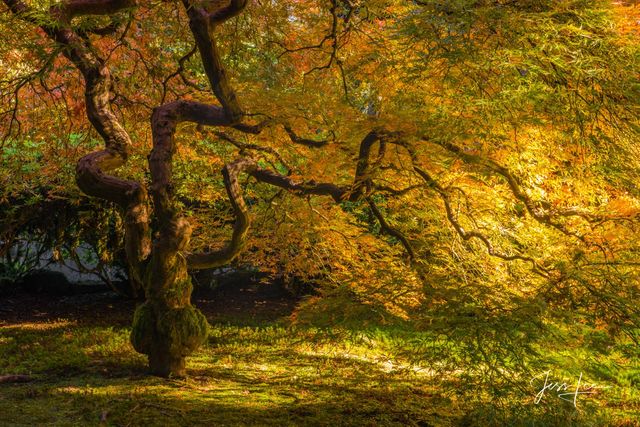
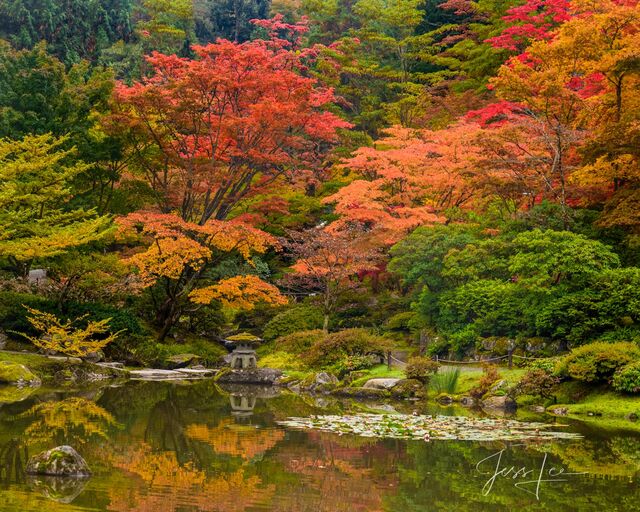
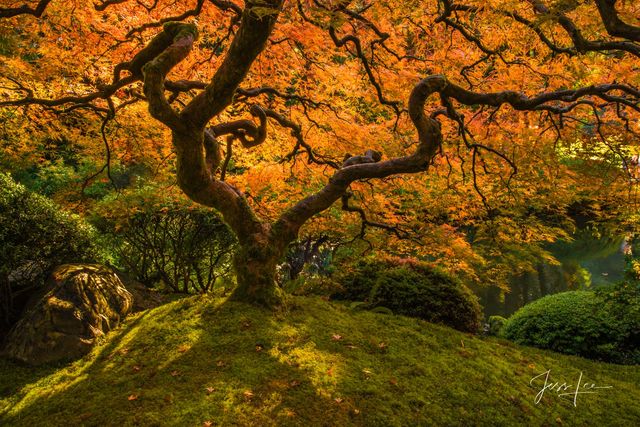
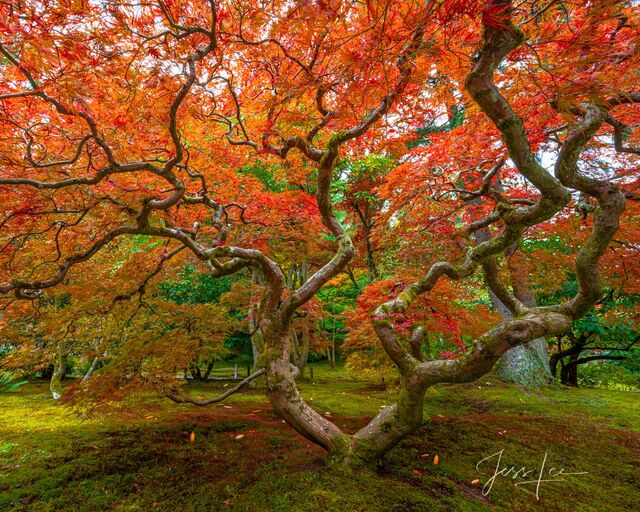
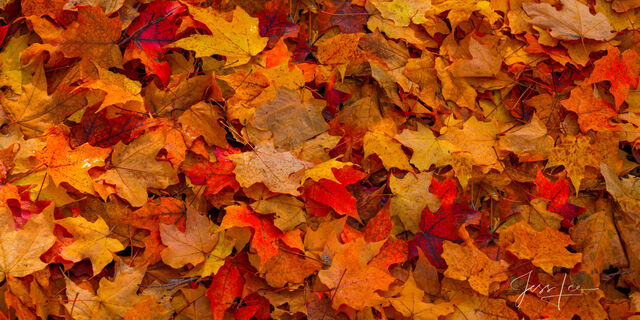
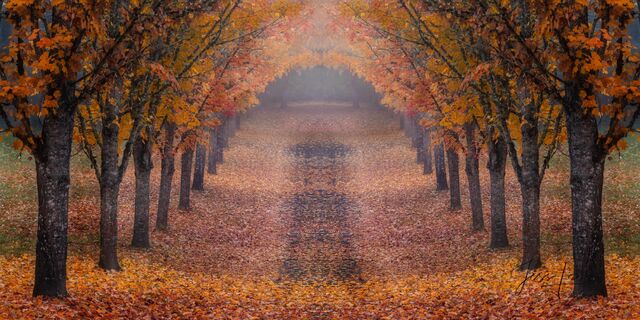
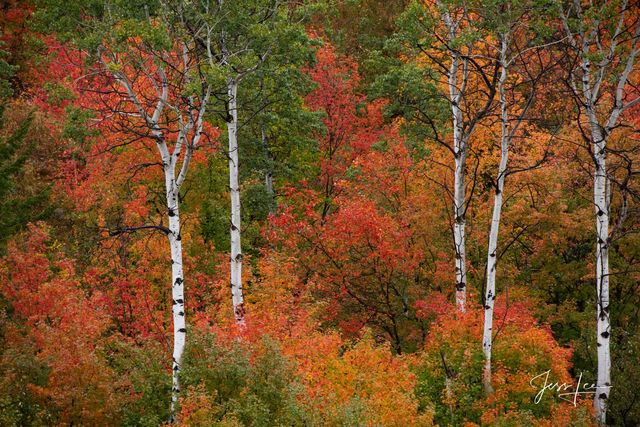
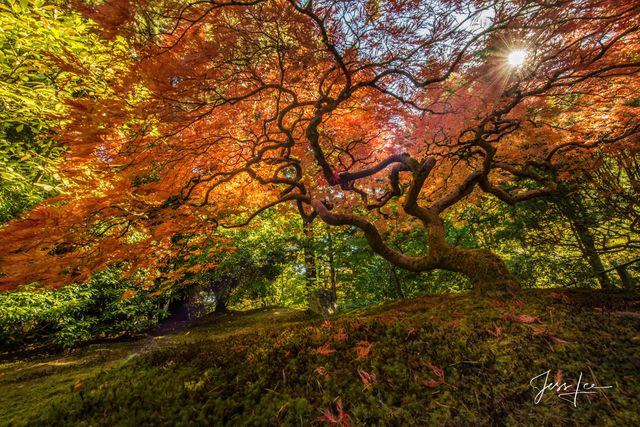
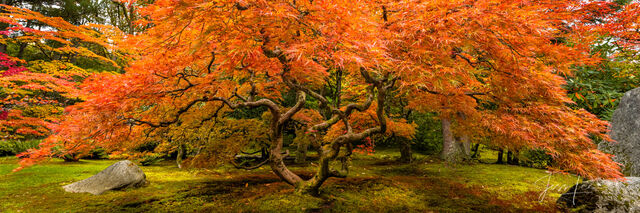
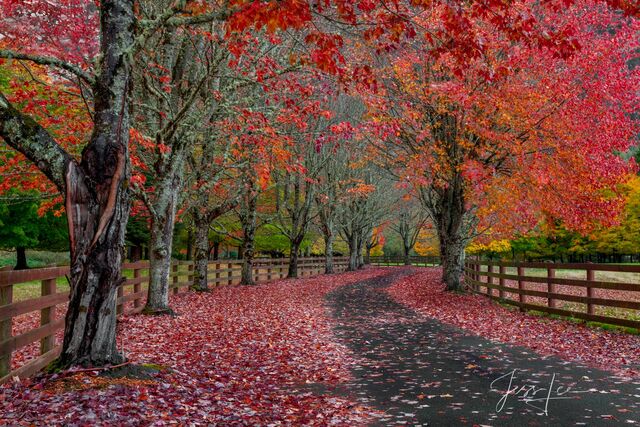
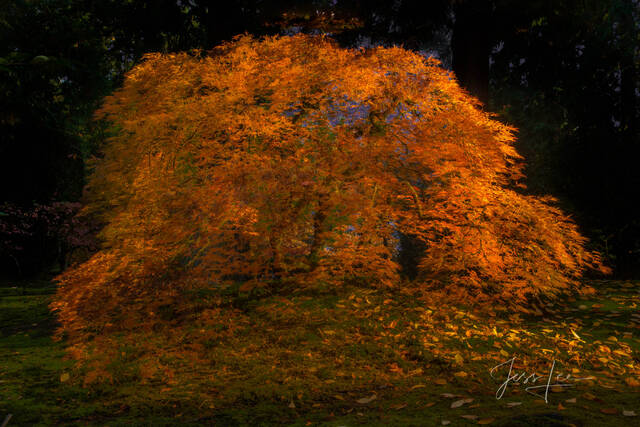
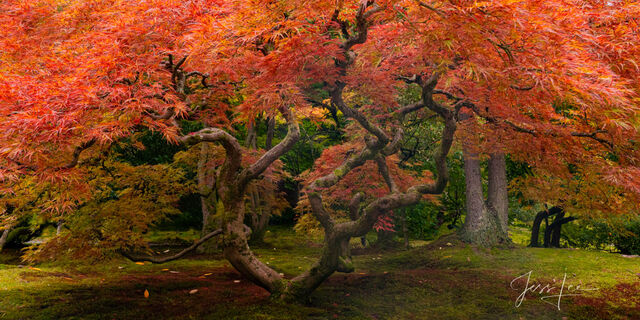
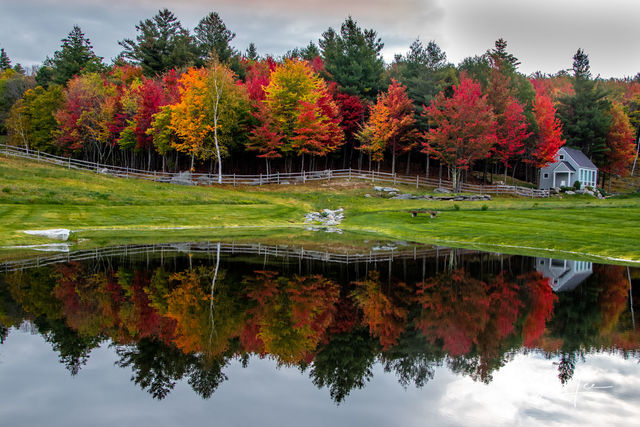
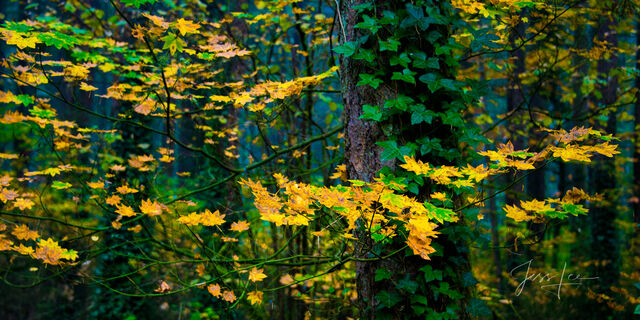
Japanese maple trees are a photographer's dream, especially in autumn when their foliage explodes into a breathtaking array of reds, oranges, and yellows. But their beauty isn't limited to fall; they offer purples, variegated greens, and vibrant new growth throughout the growing season.
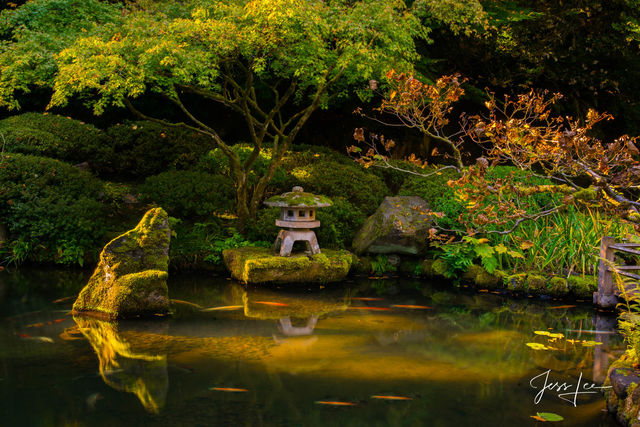
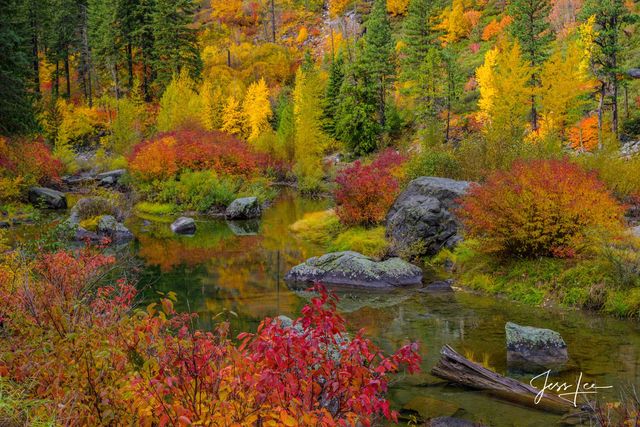
When photographing Japanese maples, I love to play with color contrast. Juxtaposing their fiery red leaves against the deep green of moss or the clear blue of the sky makes the colors truly pop and adds significant visual impact to the image. Achieving the best color often requires the right amount of light – too little, and some varieties might appear greener; too much, and delicate leaves can be damaged. I aim for locations with part-day sun or at least high ambient light to bring out their full brilliance.
After capturing these vibrant scenes, post-processing is key to fine-tuning the image. Adjusting contrast, enhancing colors, and sharpening details can bring out the full beauty of the trees, though I always strive for a subtle touch to maintain a natural feel.
The Golden Hues of Aspens and Beyond
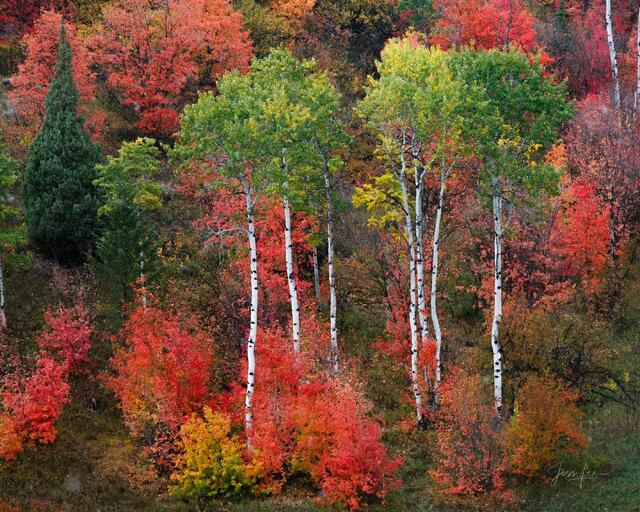
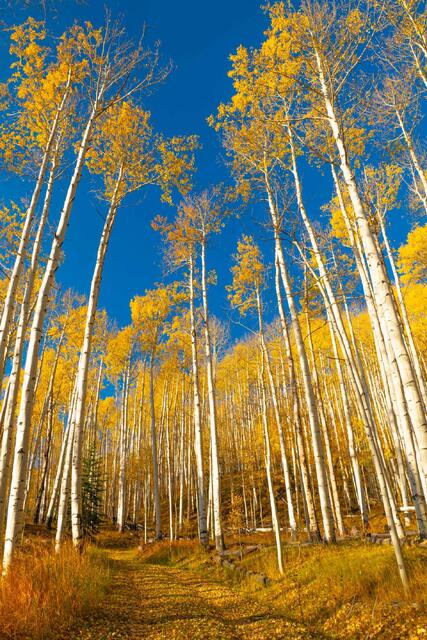
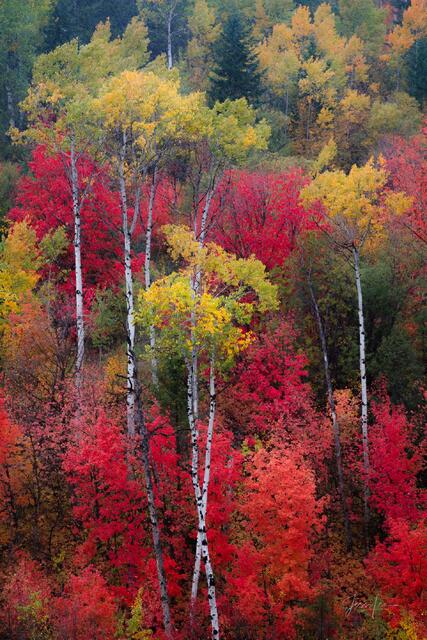
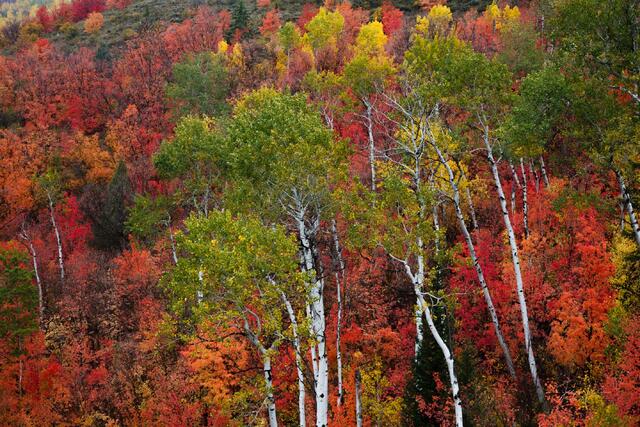
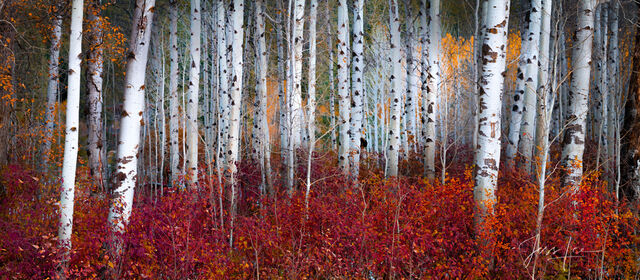
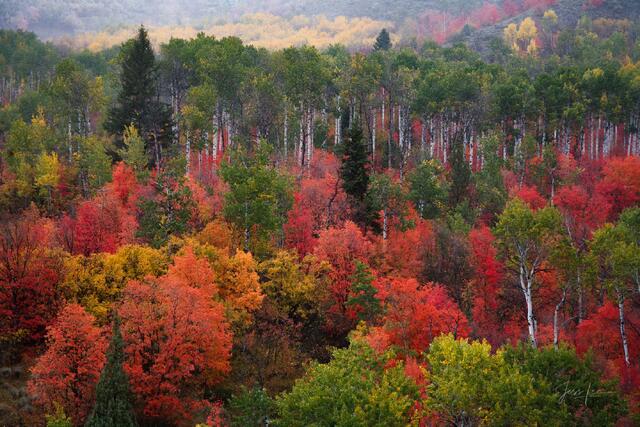
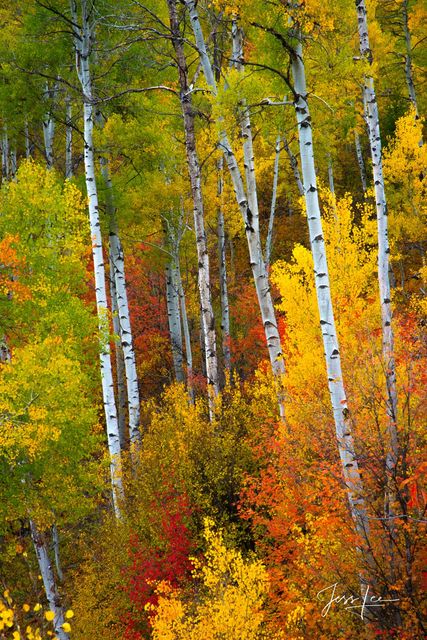
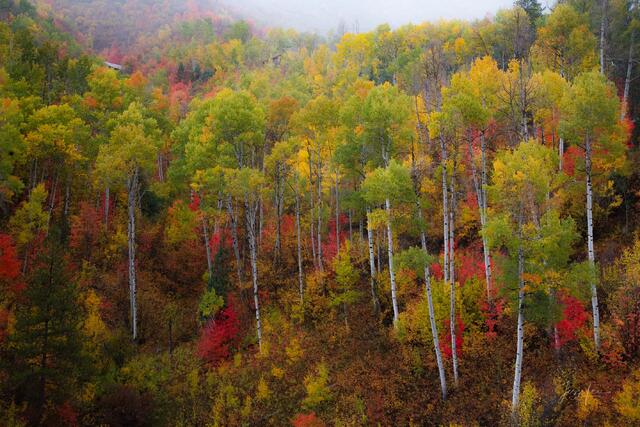
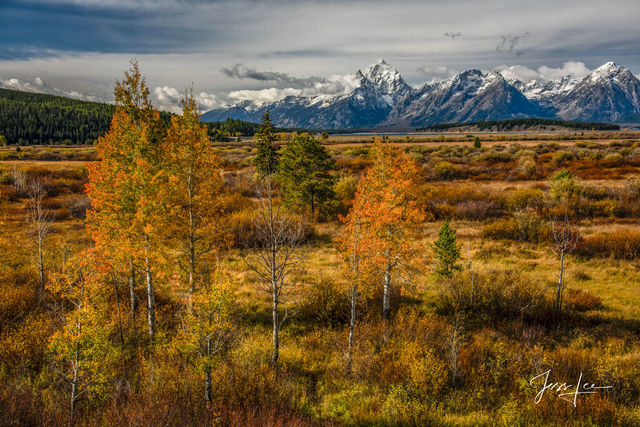
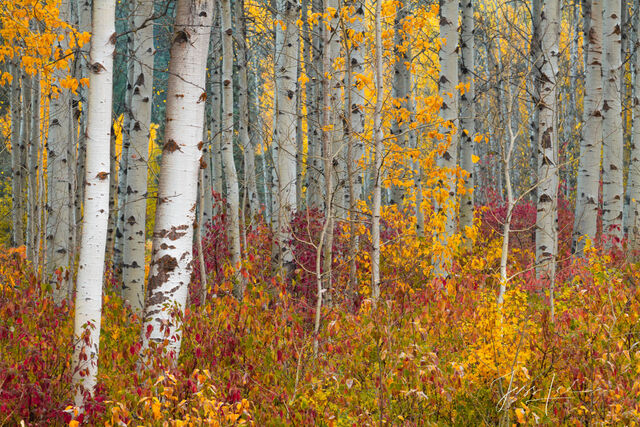
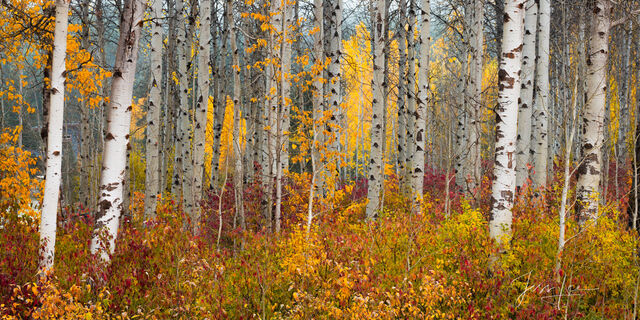
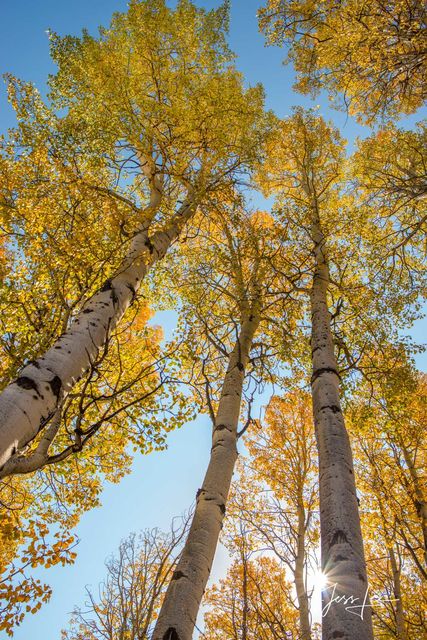
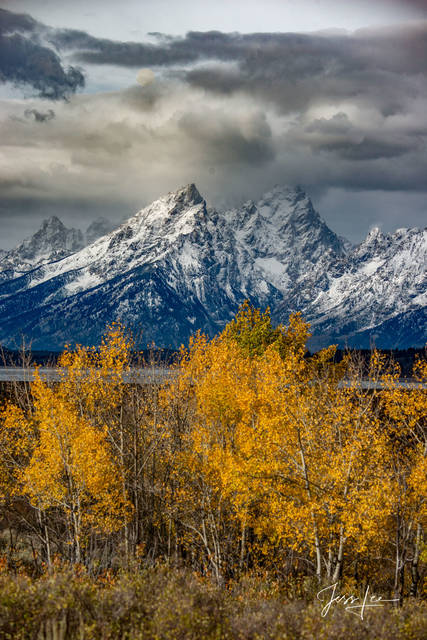
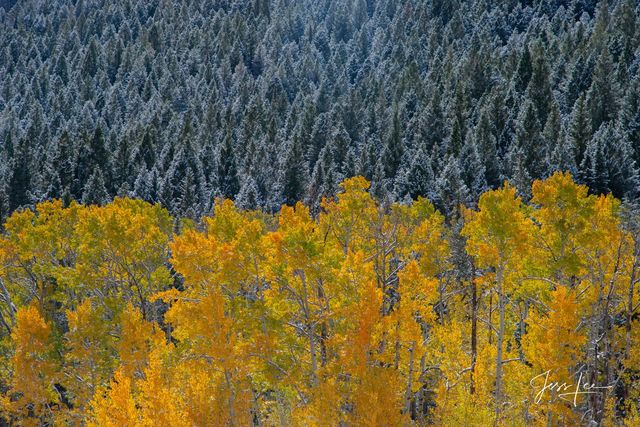
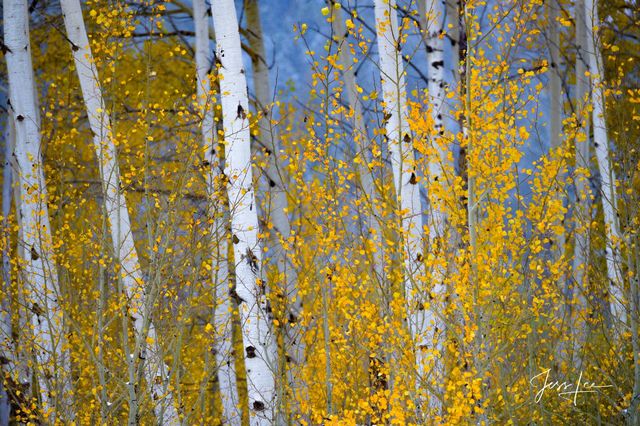
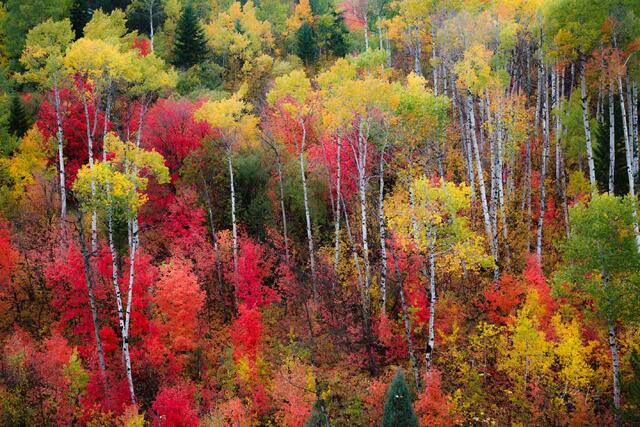
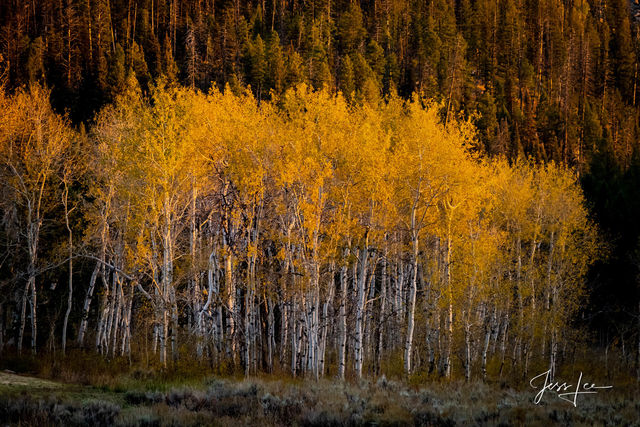
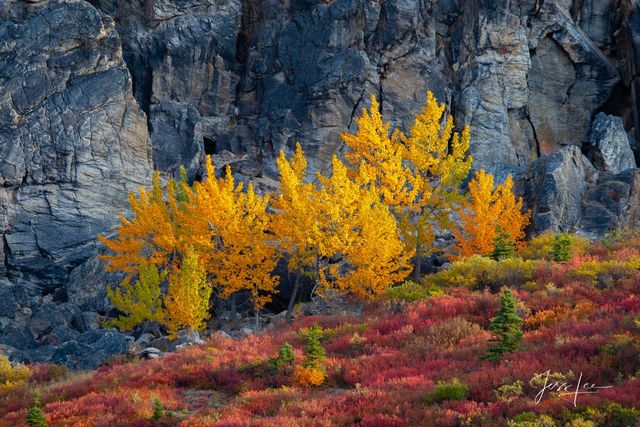
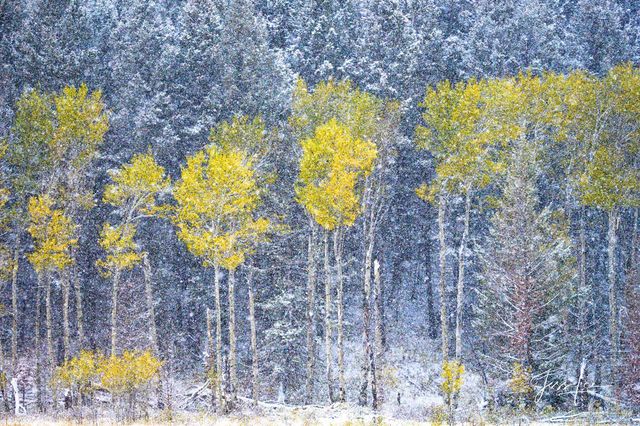
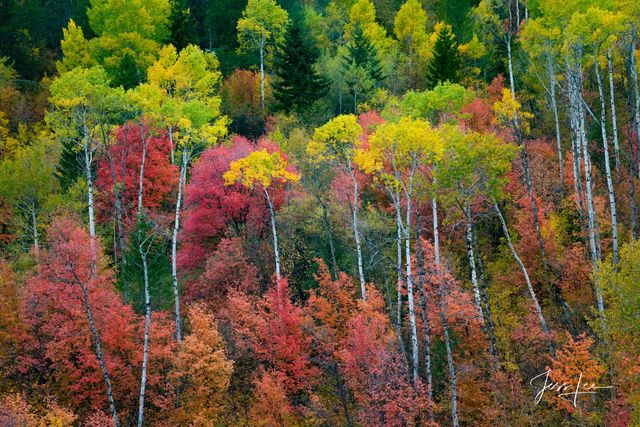
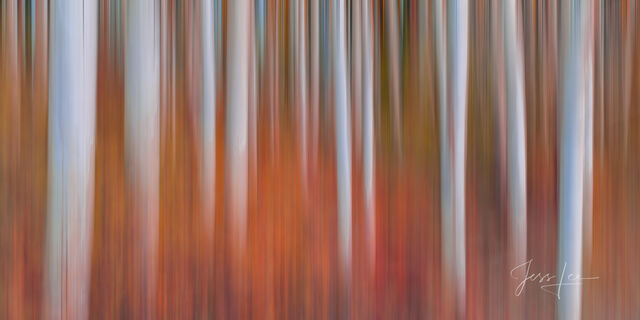
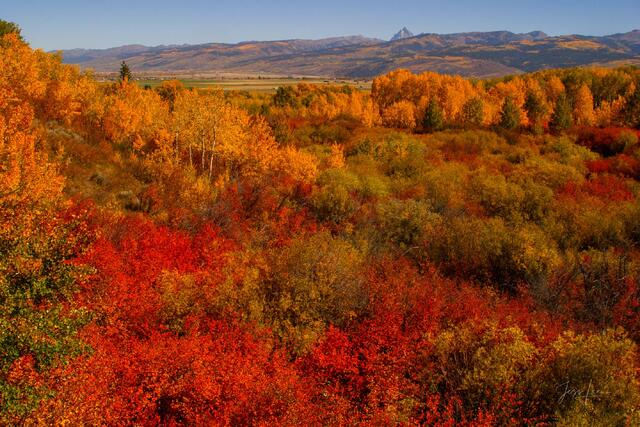
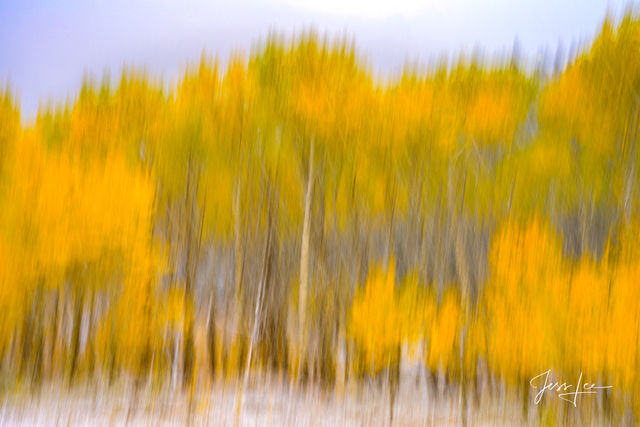
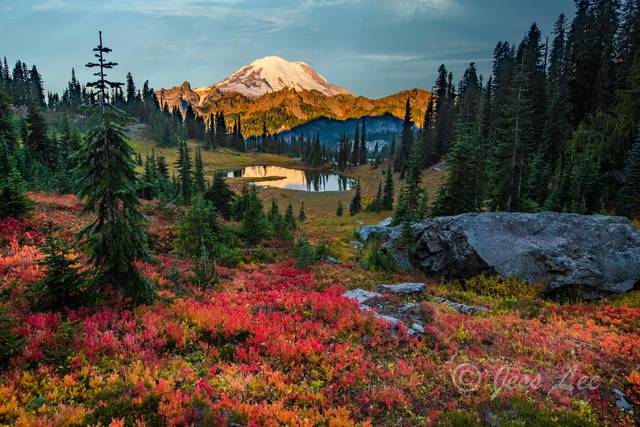
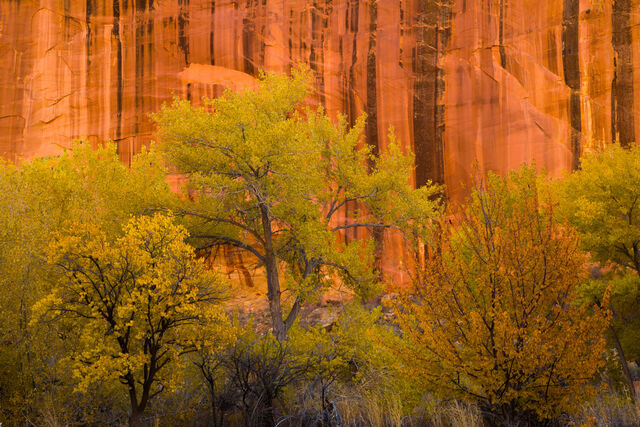
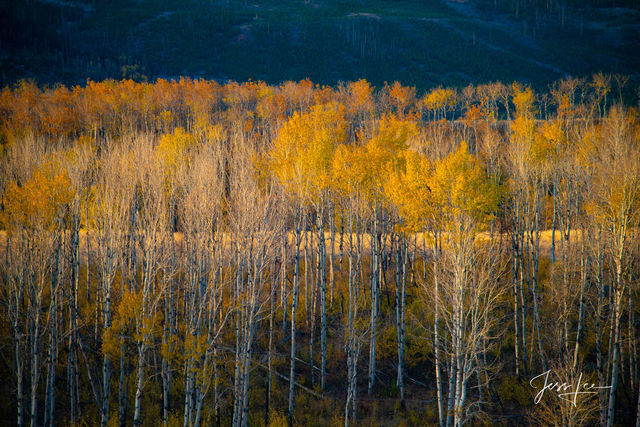
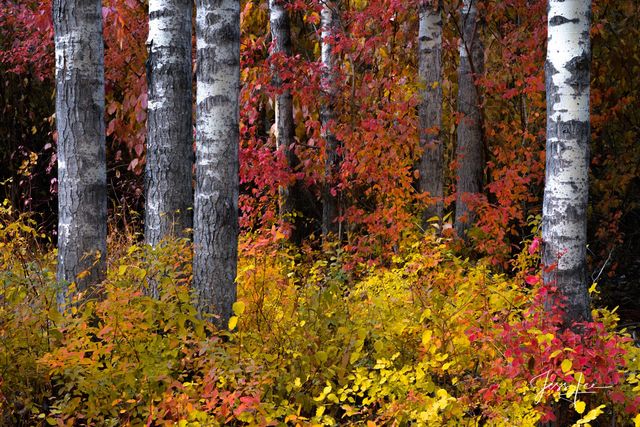
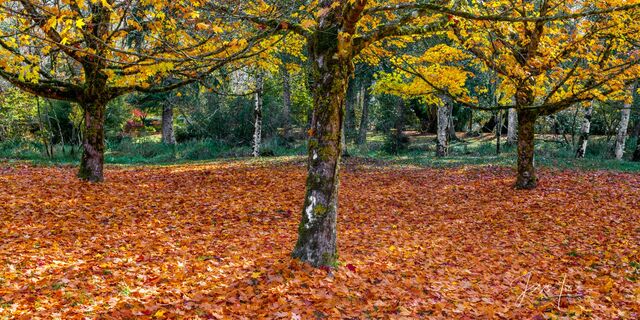
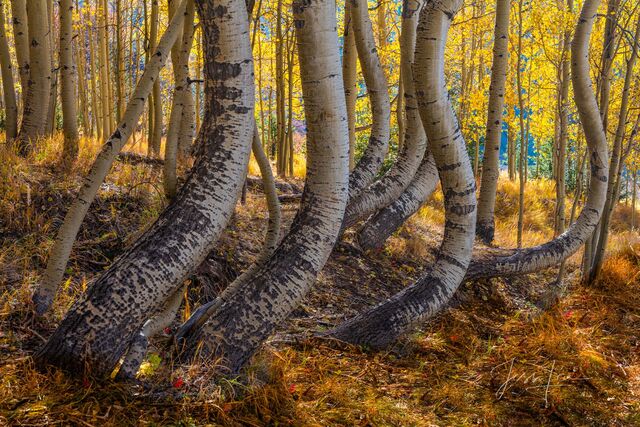
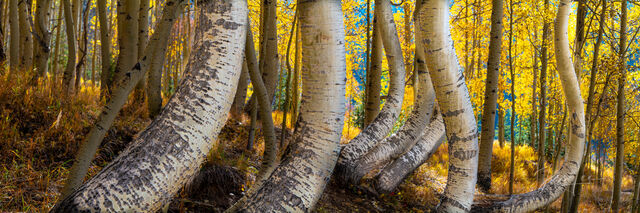
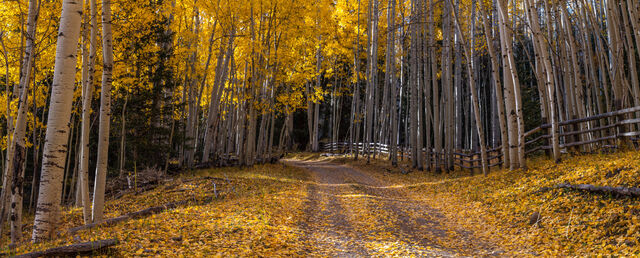
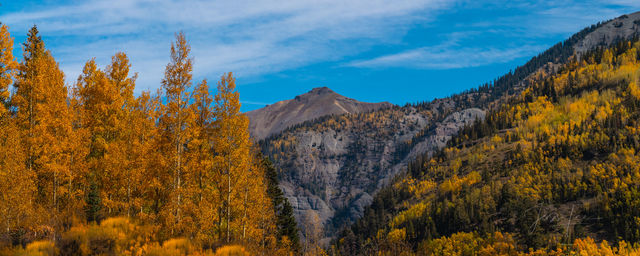
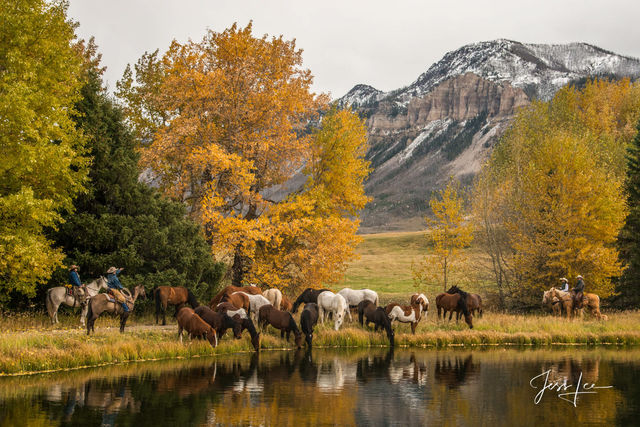
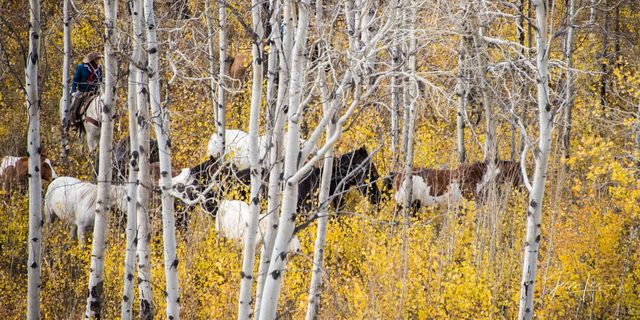
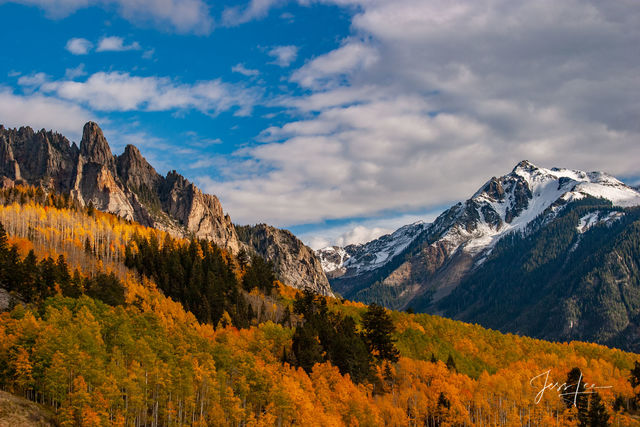
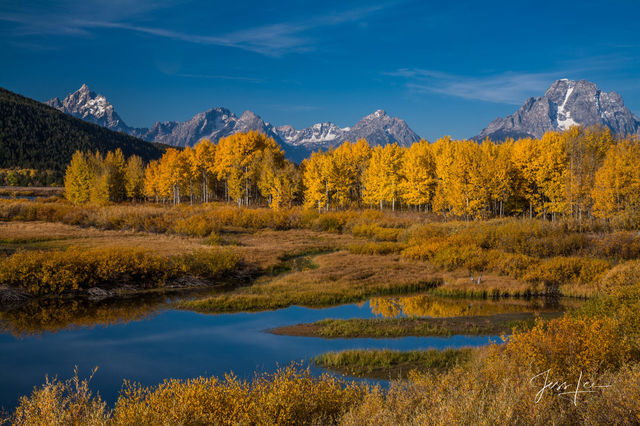
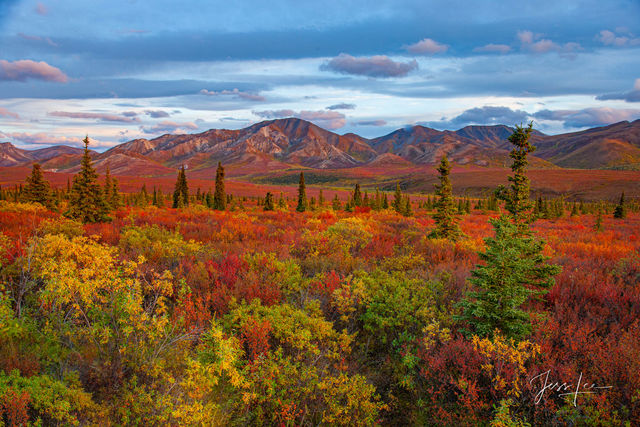
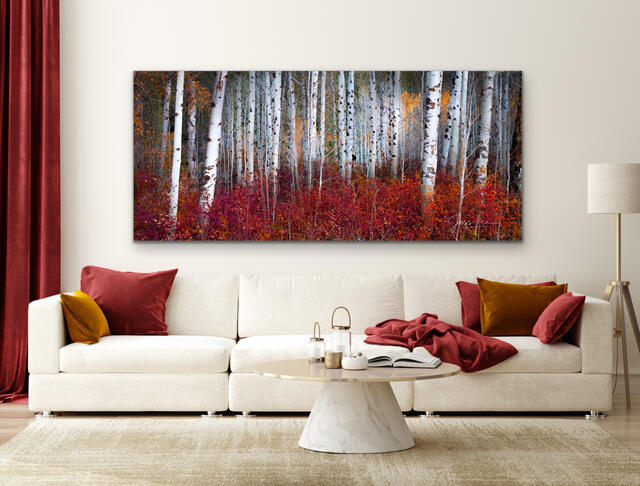
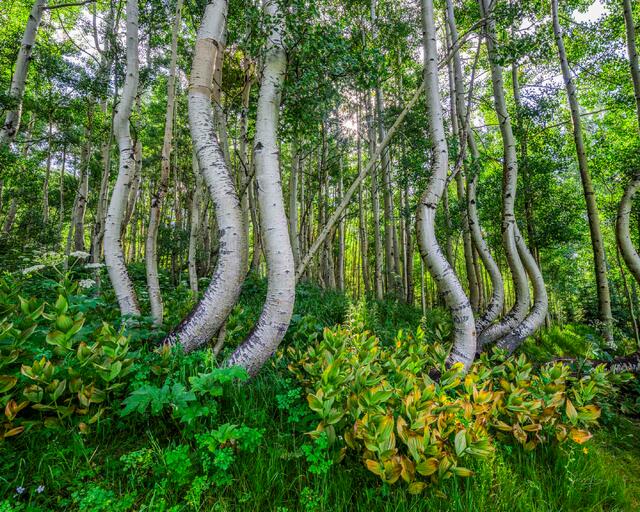
My love for trees extends to the iconic aspen groves, particularly those found in my beloved Colorado. In the fall, these trees transform mountainsides into a sea of gold, orange, and red, creating a truly magical and cozy atmosphere in photographs. Locations like the San Juan Mountains, Rocky Mountain National Park, and the areas around Aspen, Vail, and Crested Butte offer spectacular opportunities to capture these fleeting, golden moments.
Beyond these specific species, my general approach to tree photography involves a few key principles:
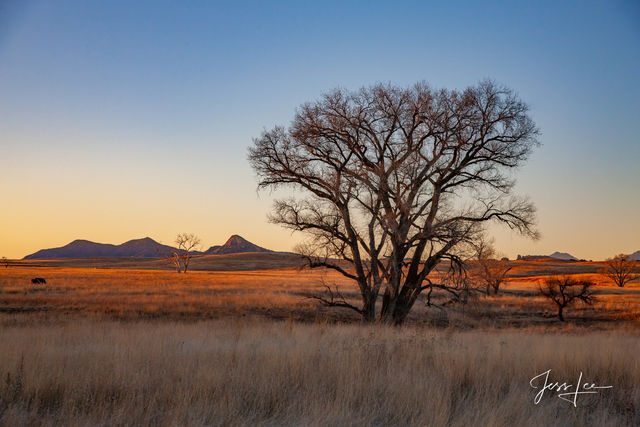
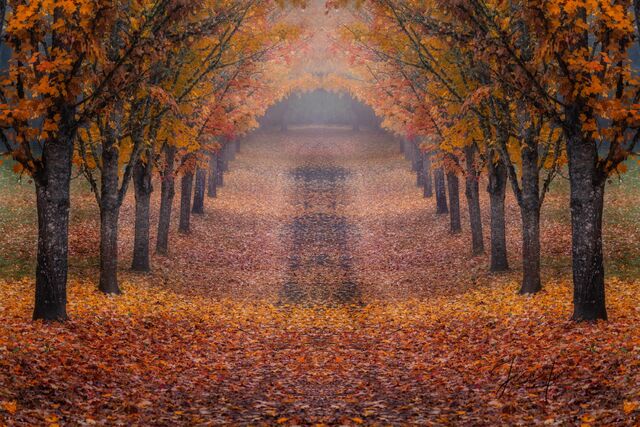
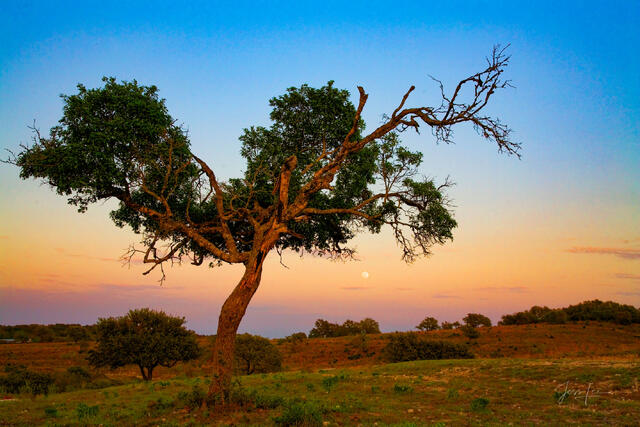
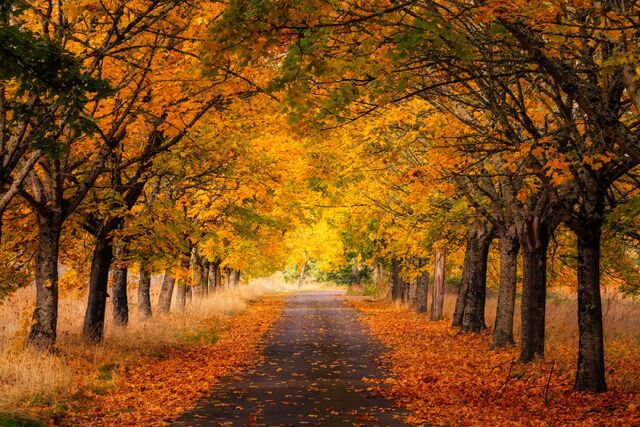
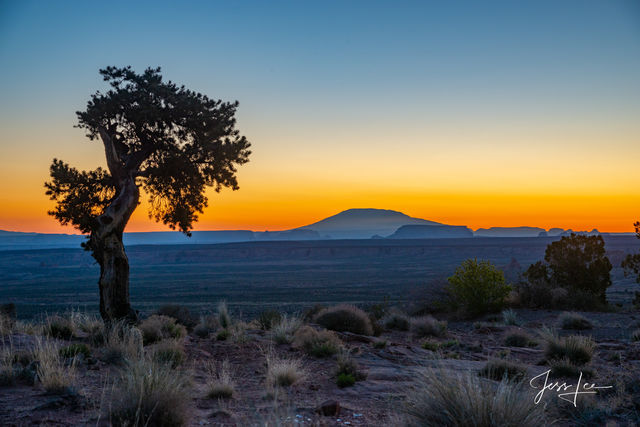
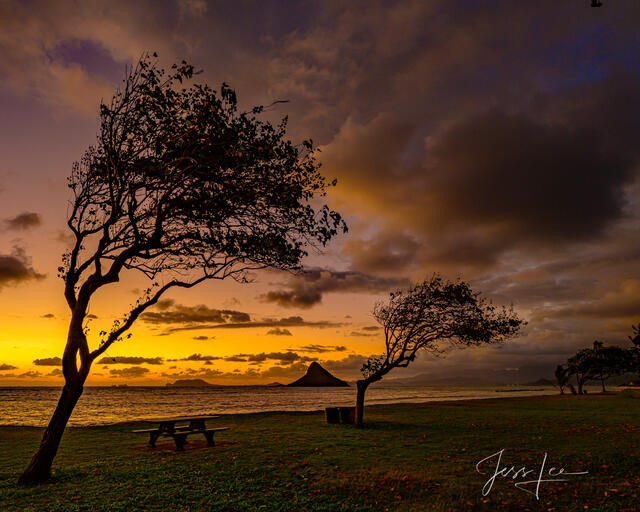
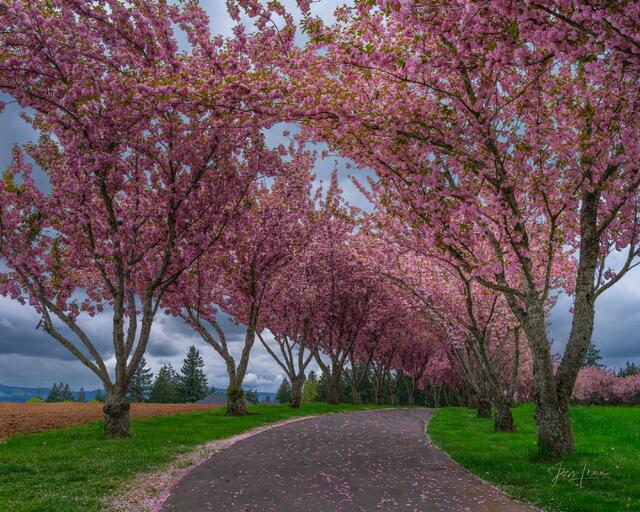
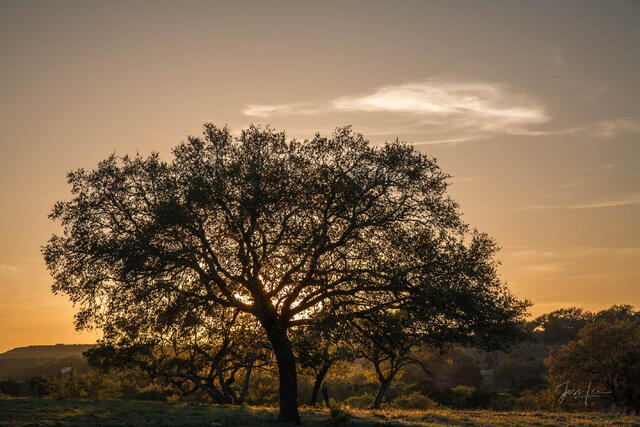
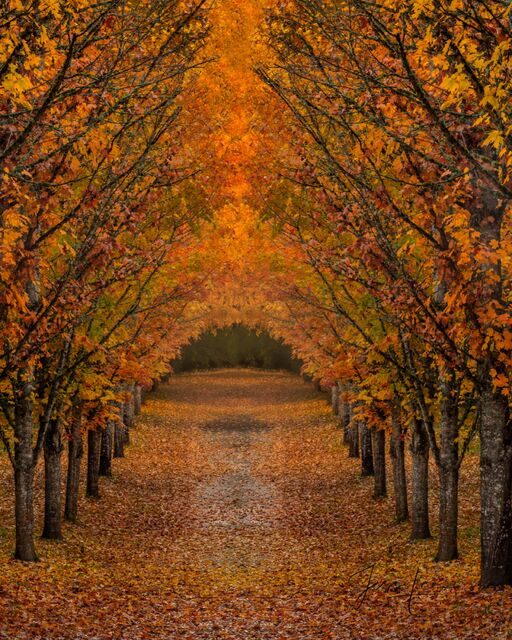
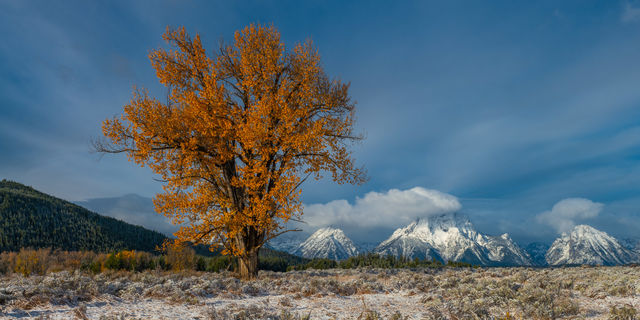
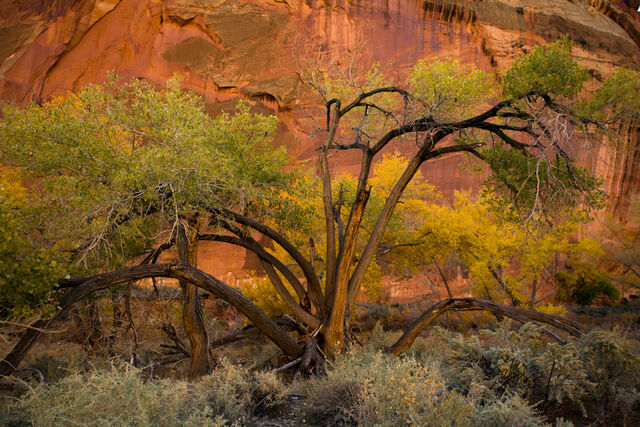
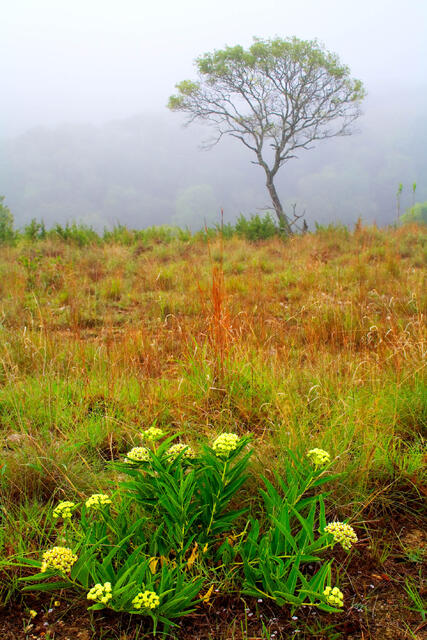
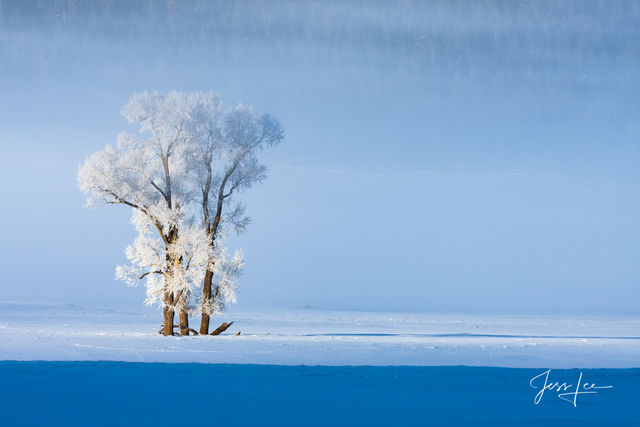
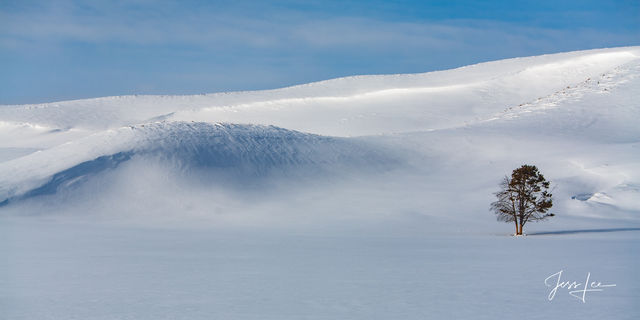
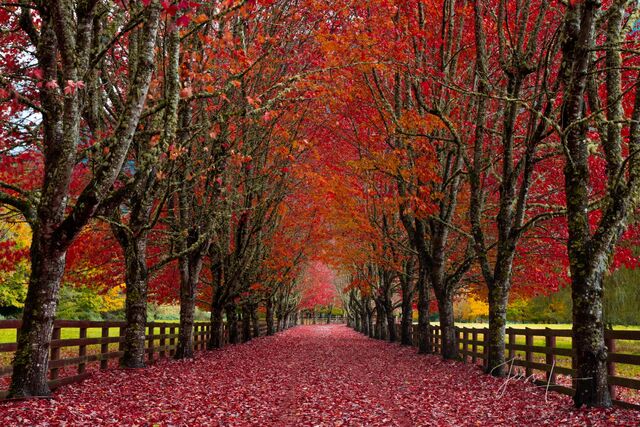
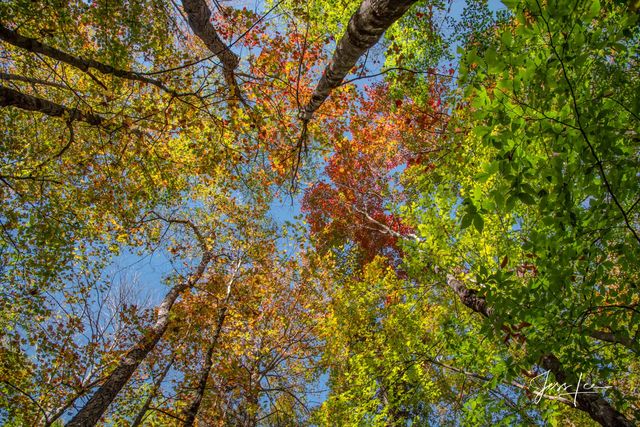
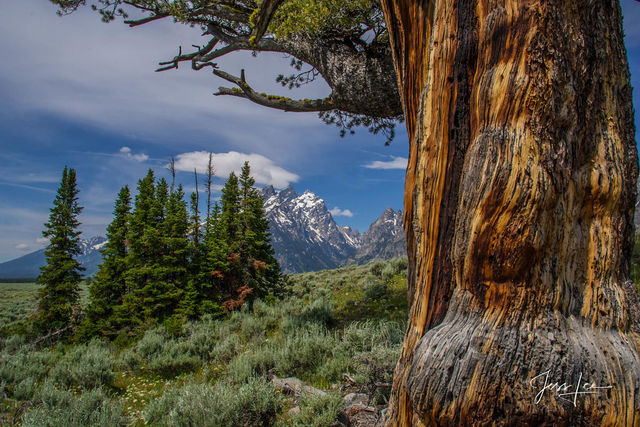
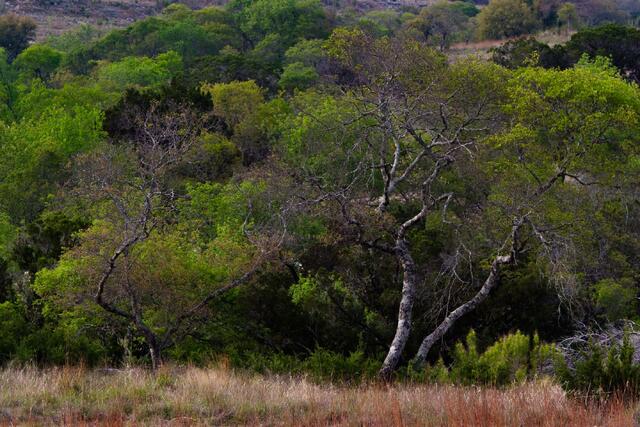
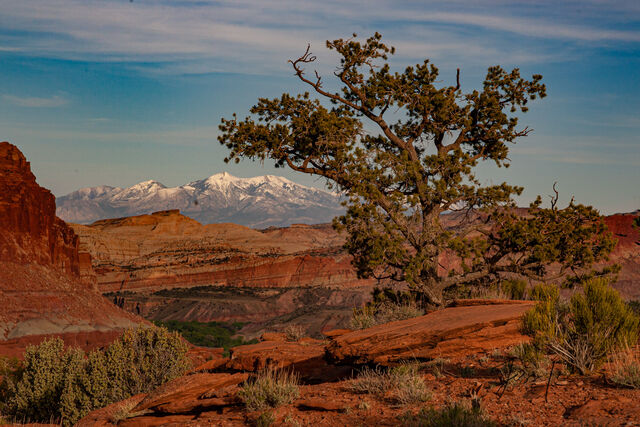
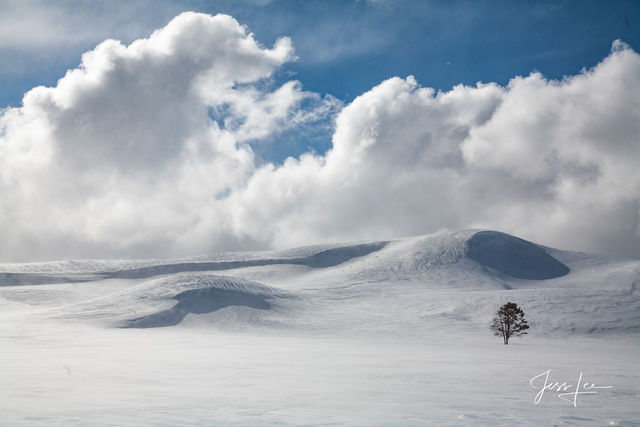
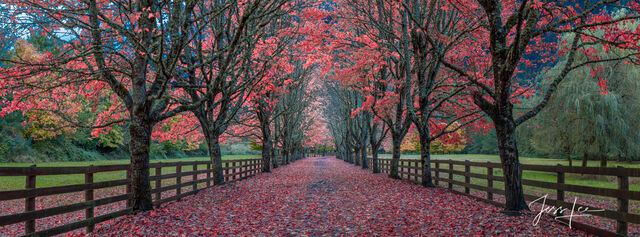
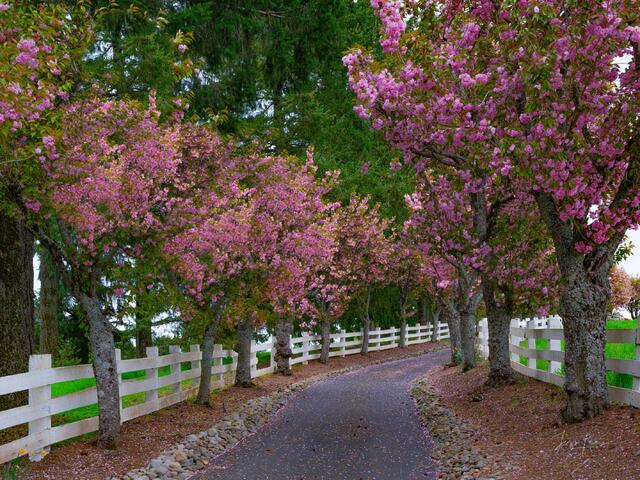
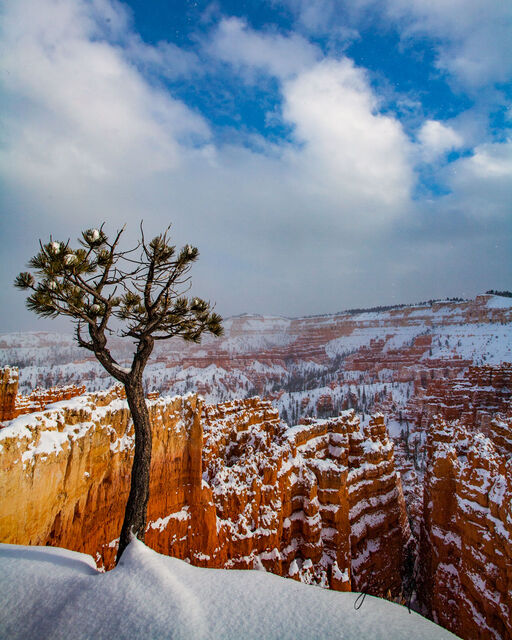
Finding Unique Perspectives: Sometimes, a single tree standing alone can be incredibly powerful, especially when positioned thoughtfully within the frame using the Rule of Thirds. I also seek out "tree tunnels" or use other trees to frame my main subject, adding depth and context. Getting down low for a "worm's-eye view" can emphasize height and grandeur, while a "bird's-eye view" (when possible) reveals the spread of branches and canopy shapes.
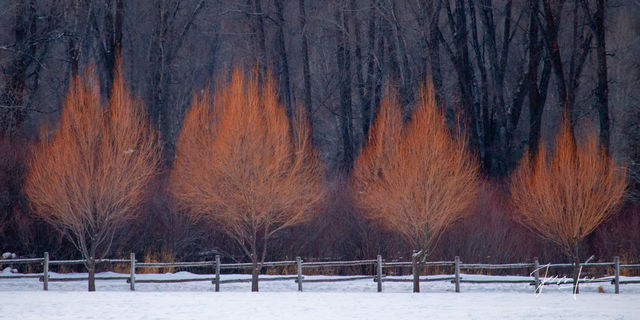
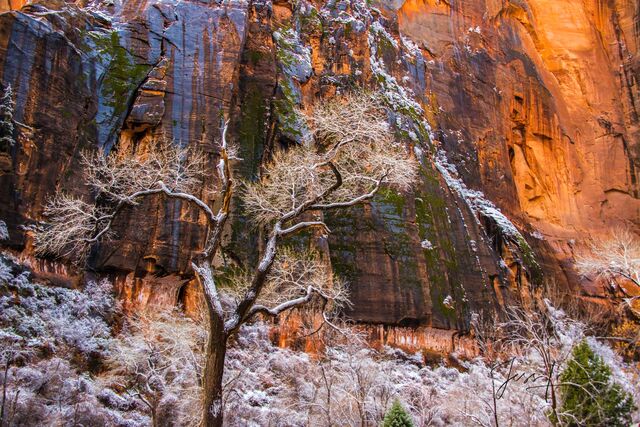
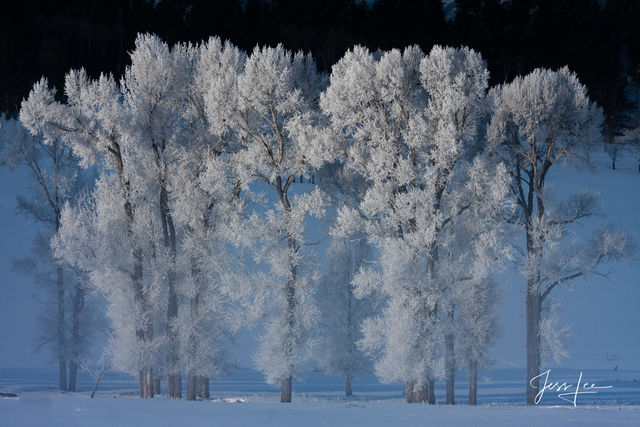
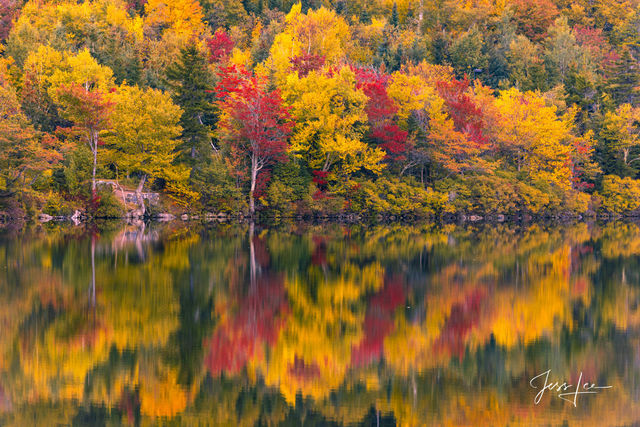
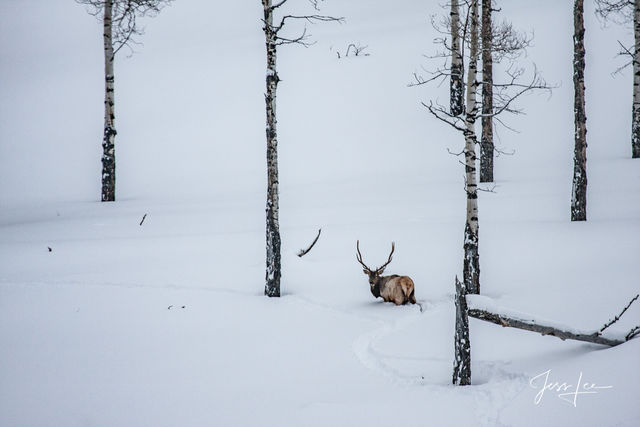
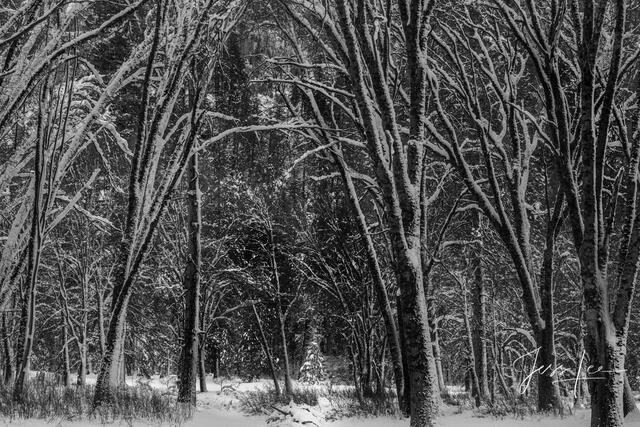
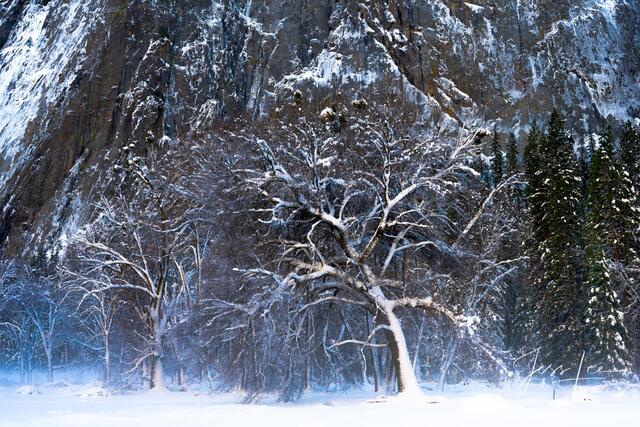
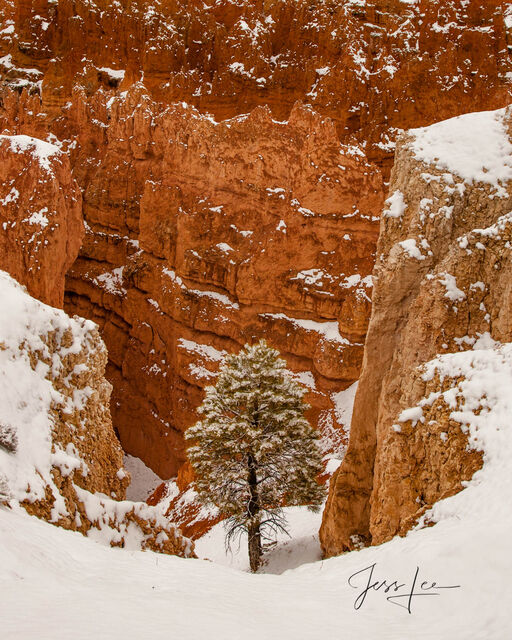
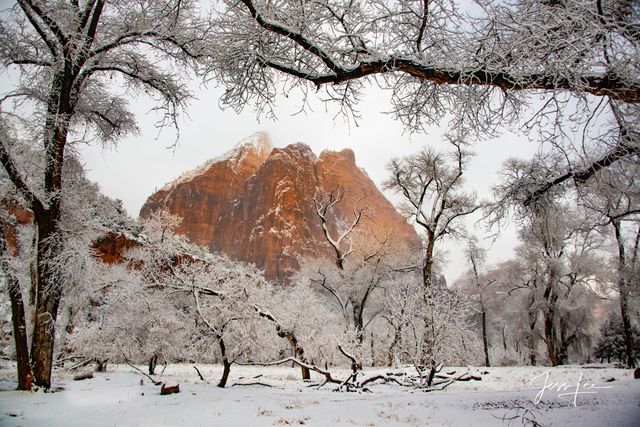
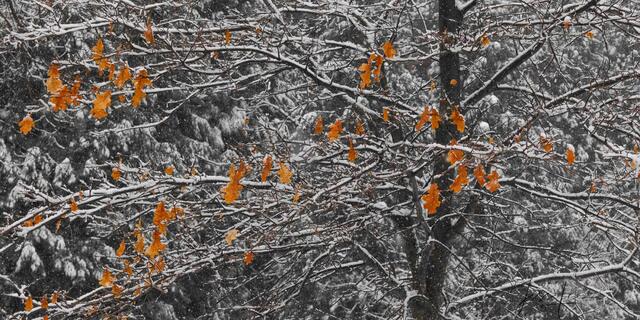
Embracing Seasonal Change: Trees offer a fantastic opportunity for long-term projects. I enjoy photographing the same tree through different seasons, capturing its transformation from budding spring growth to lush summer foliage, vibrant autumn colors, and the stark, intricate beauty of bare winter branches. This requires careful documentation of camera position and settings to maintain consistency.
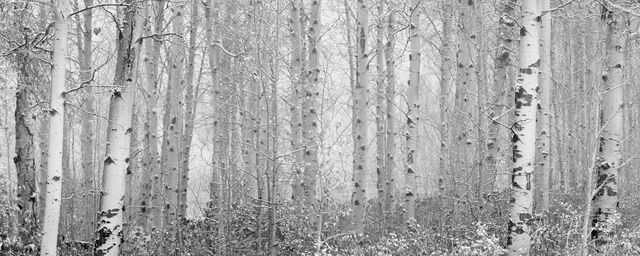
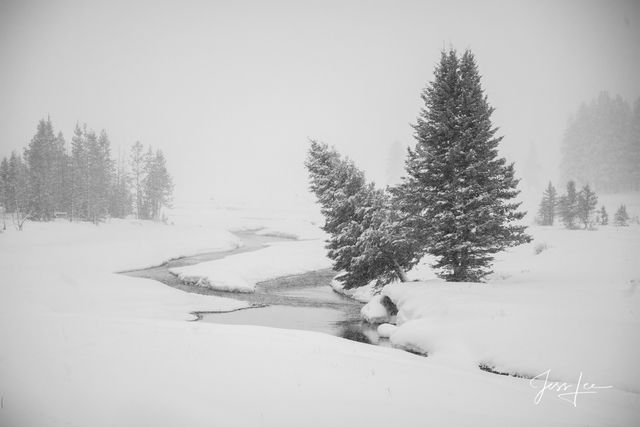
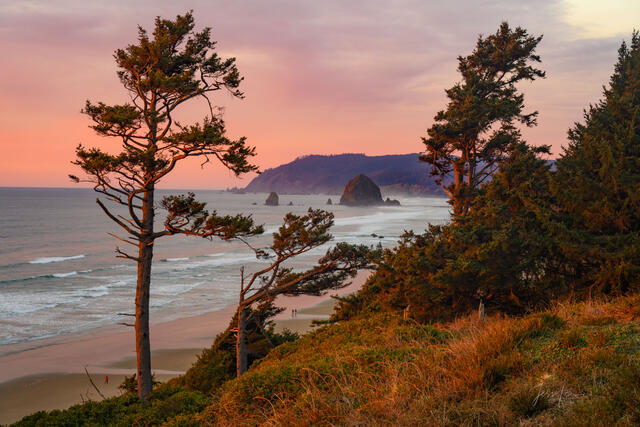
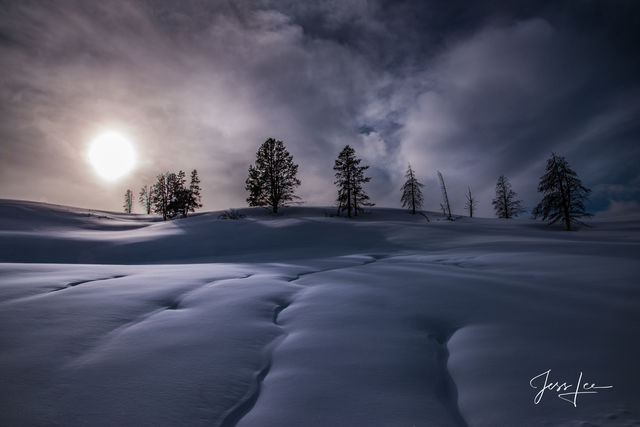
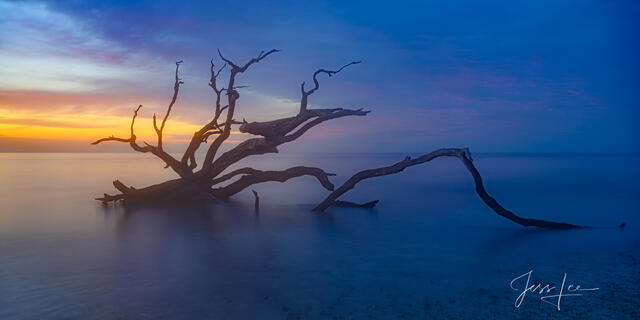
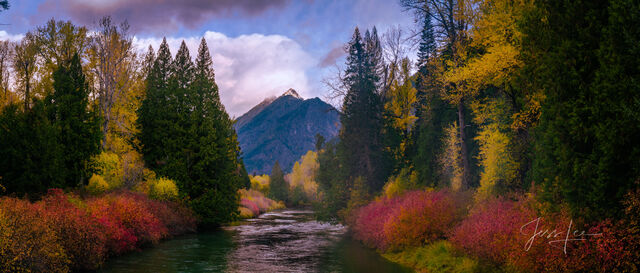
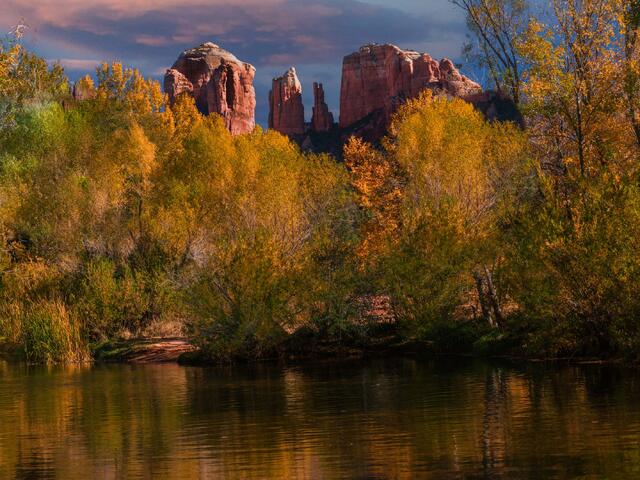
Playing with Light and Atmosphere: The "golden hour" (shortly after sunrise and before sunset) provides soft, warm light that enhances colors and creates dynamic shadows, often transforming a scene into a radiant masterpiece. "Blue hour" offers a serene, introspective mood. I also embrace atmospheric conditions like fog and mist, which can simplify a scene and add a sense of mystery. Backlighting can create magical rim lighting and glowing leaves.
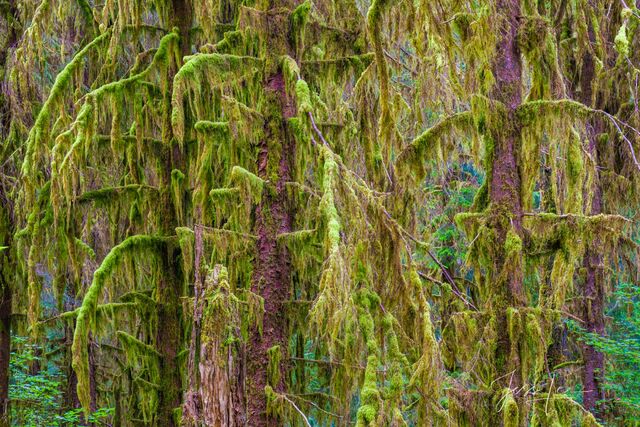
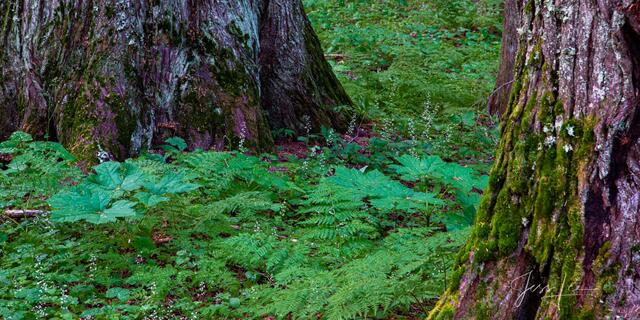
Focusing on Details and Textures: Sometimes, the most compelling images are found in the intimate details—the intricate patterns of bark, the delicate veins of a single leaf, or dew drops on a spiderweb. Using a shallow depth of field can isolate these details, creating beautiful bokeh backgrounds.
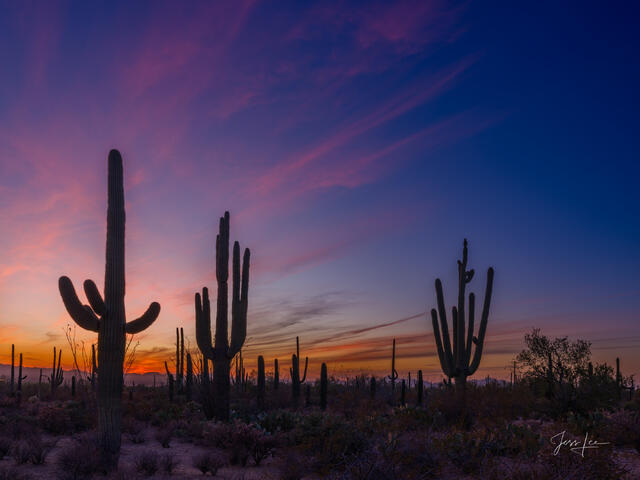
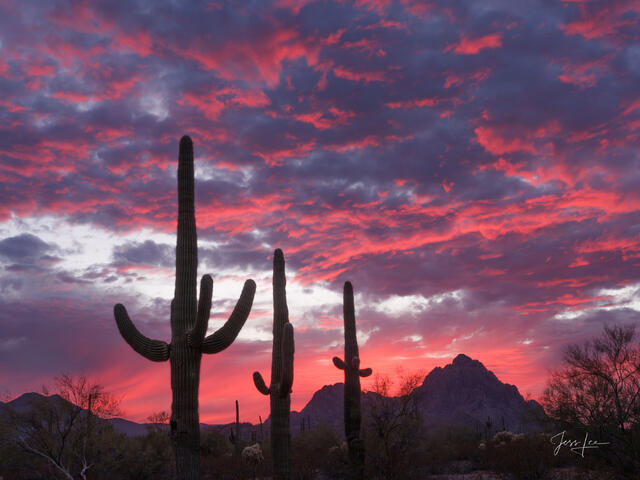
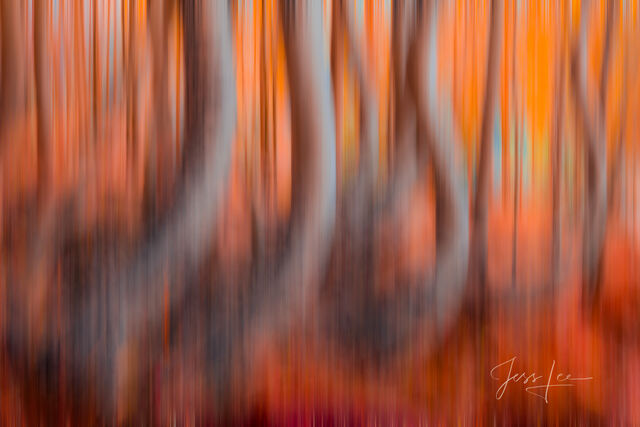
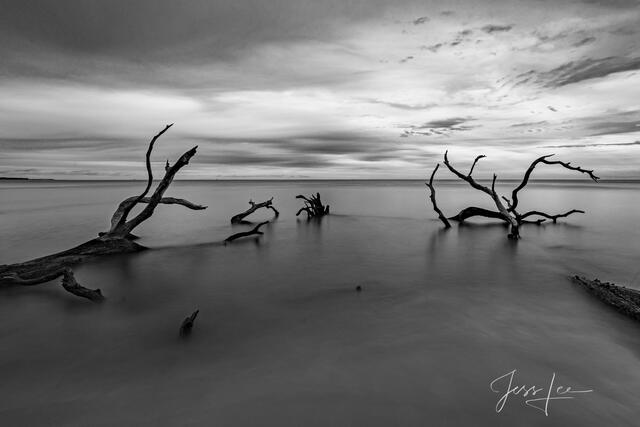
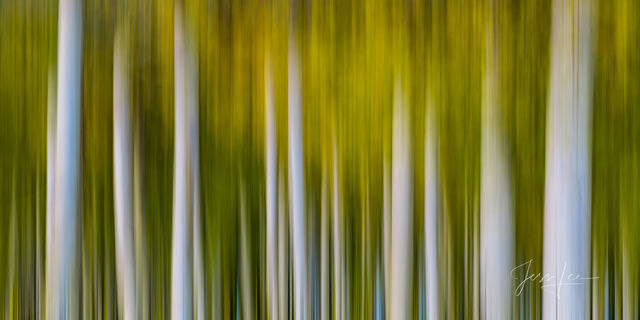
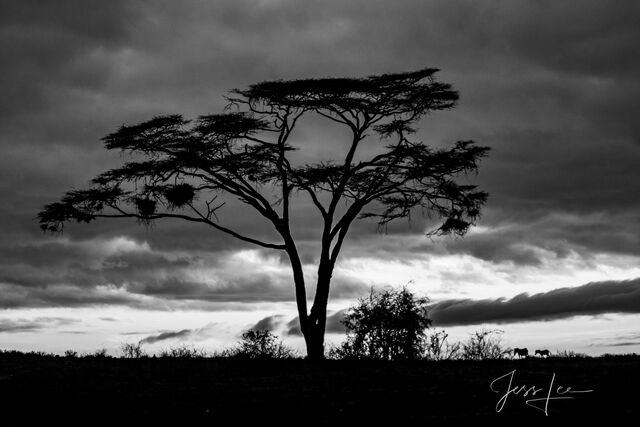
Creative Techniques: I enjoy experimenting with techniques like creating silhouettes against a bright sky, using a lensball for unique refractions, or employing long exposures to blur moving elements like swaying leaves or flowing water, adding a sense of fluidity and dynamism. Intentional Camera Movement (ICM) can also create abstract, painterly effects