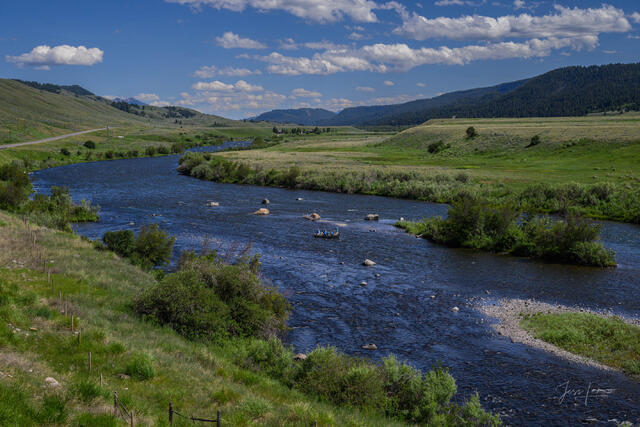
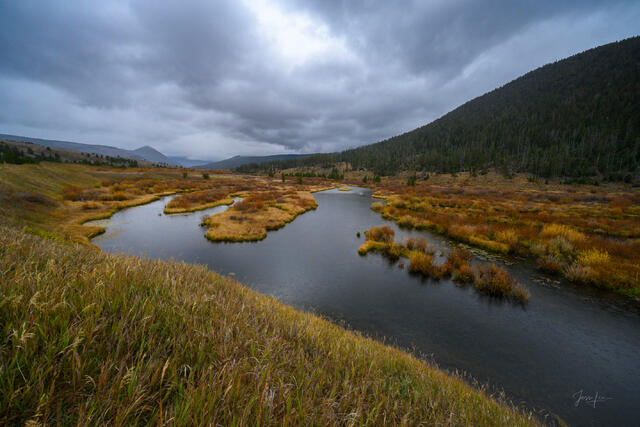
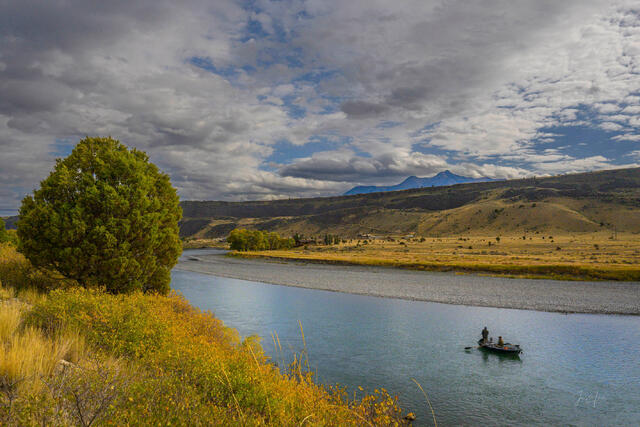
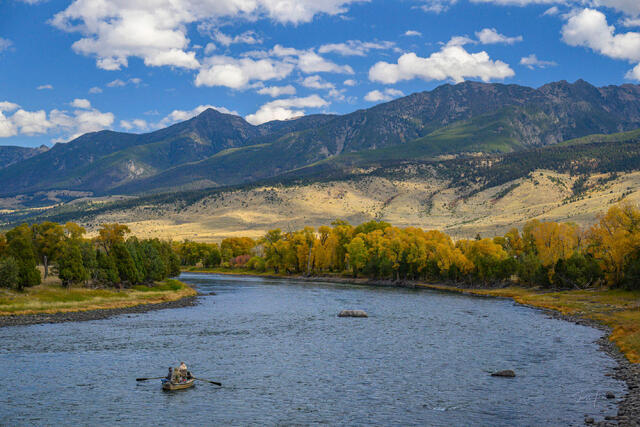
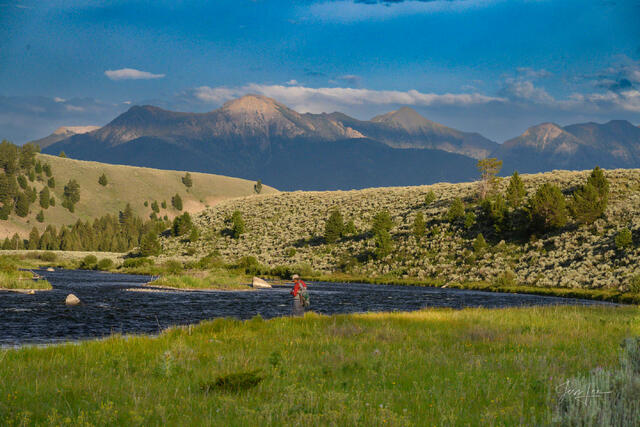
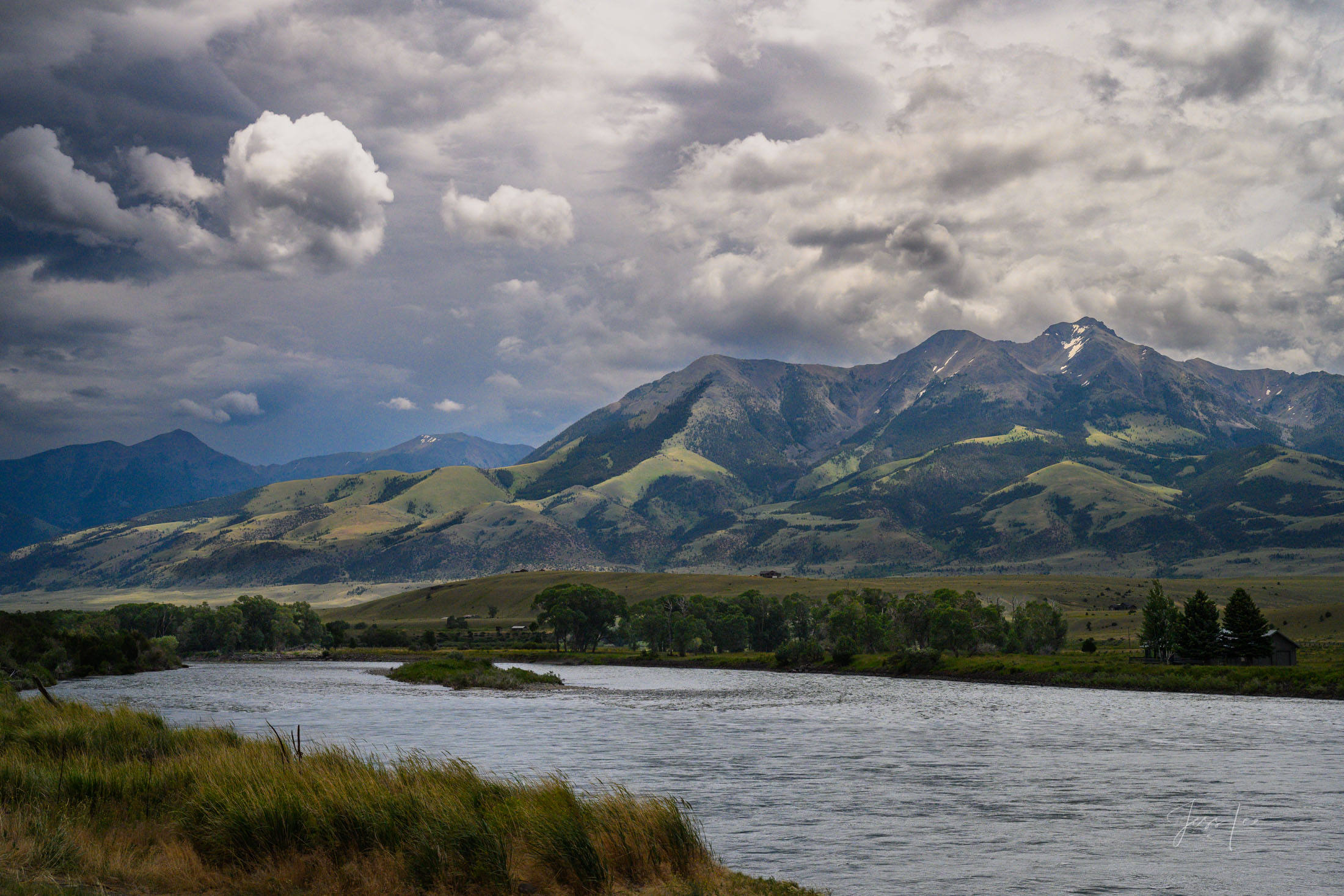
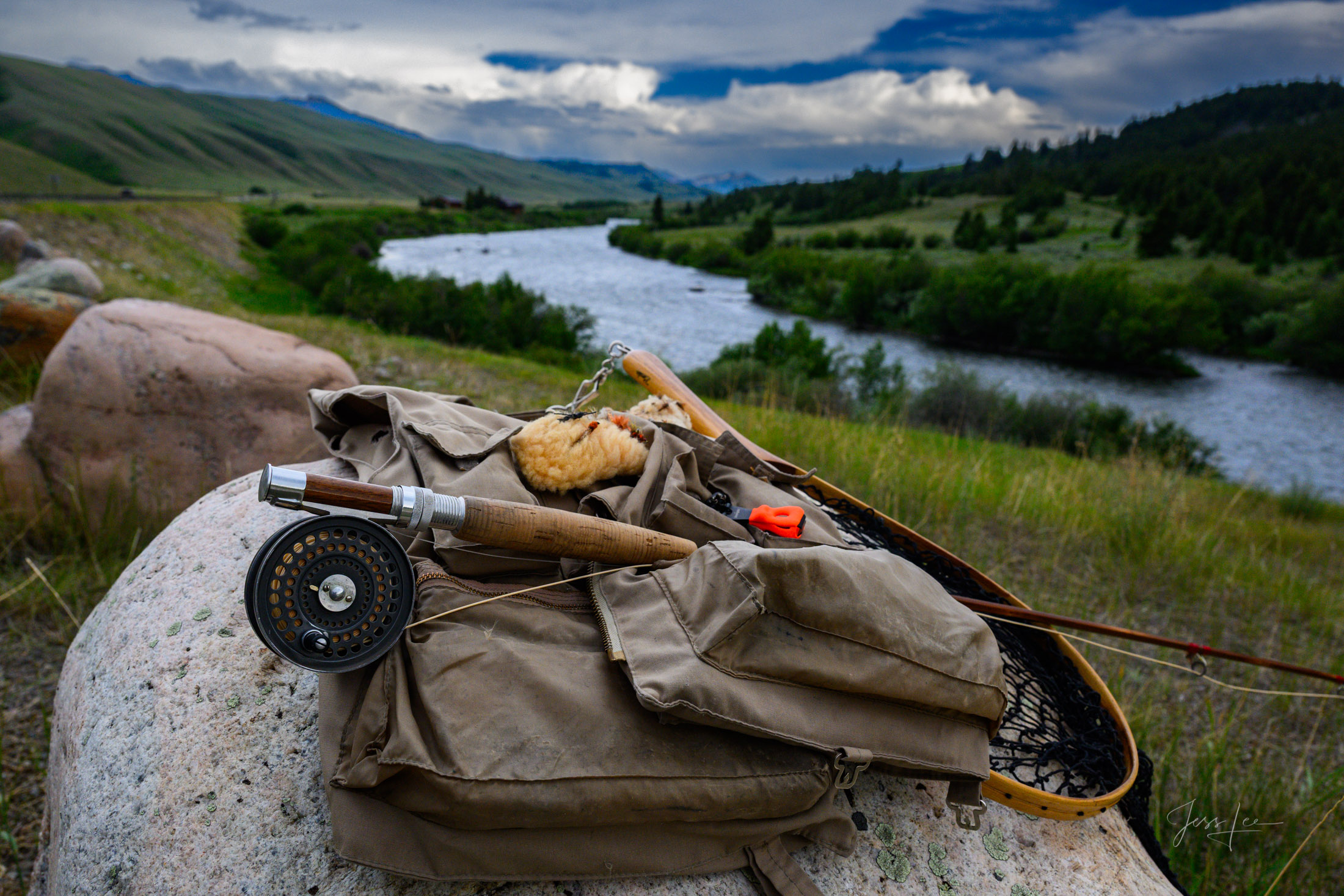
Montana is the pinnacle of American trout fishing — roaring freestone rivers, technical spring creeks, and gold-medal tailwaters, all holding wild, often maddeningly selective fish. This is a working river-by-river guide drawn from 50 years on the water: where to fish each river, its key sections, the hatches to time your trip around, and the tactics that actually move fish.
Written by Jess Lee — a former Henry's Fork fishing guide and past president of the Upper Snake River Chapter of Trout Unlimited, published in Fly Fisherman Magazine, Sports Afield and Trout Magazine.
Montana stands as a world-class destination for one reason above all: the sheer diversity of its trout water. Freestone rivers, spring creeks, and high-alpine lakes each offer a different challenge, and the state's long commitment to wild-trout management keeps the fishing honest. The trout here — especially on pressured water — are notoriously selective, rewarding stealth, the ability to read complex currents, and a drag-free presentation over any single "magic" fly.
Montana's Trout Treasures: A Quick Guide to Fly Fishing the Big Sky State
My Montana Fly Fishing Journey
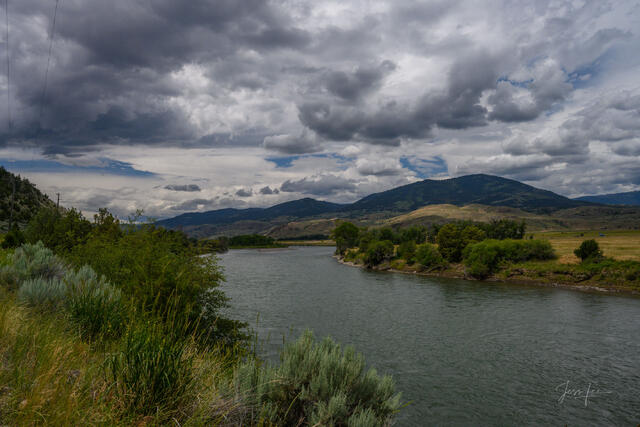
My first cast into the legendary waters of Montana remains a vivid memory, a moment etched into my angling soul. It was on the Yellowstone, its powerful currents hinting at the wildness that defines this state. Montana, for me, isn't merely a destination; it's a profound experience, a continuous dance with nature that demands respect, rewards patience, and offers lessons with every rise and every missed strike. The sheer scale of its landscapes, from towering peaks to vast, open valleys, coupled with the untamed spirit of its trout, creates an angling adventure unlike any other. It’s a place where the pursuit of a fish transcends the act itself, becoming a journey of self-discovery and a deeper connection to the natural world.
Montana stands as a world-class destination for discerning anglers due to its unparalleled diversity of trout water. Here, one can find roaring freestone rivers, intricate spring creeks, and serene high-alpine lakes, each offering a unique challenge and a distinct reward. This variety ensures that regardless of an angler's preference for dry flies, nymphs, or streamers, or their skill level, there is always a new challenge to embrace and a new reward to pursue. The state's unwavering commitment to preserving its wild trout populations and pristine habitats further elevates its status, offering a true "blue ribbon" experience that draws fly fishing enthusiasts from across the globe.
The trout inhabiting Western waters, particularly those in heavily pressured areas, are notoriously selective. Success here is not simply a matter of possessing the correct fly pattern; it demands a mastery of the subtle art of stealth, an acute ability to read complex currents, and the delivery of impeccable, drag-free presentations. It represents a continuous learning curve, consistently pushing me to become a more observant, adaptable, and ultimately, a more refined angler.
General Montana Fishing Regulations & Conservation
Before embarking on any fly fishing adventure in Montana, it is crucial to familiarize yourself with the state's fishing regulations. These rules are designed to protect the diverse fisheries and ensure sustainable angling for future generations. Always consult the latest Montana Fish, Wildlife & Parks (FWP) fishing regulations, which are updated annually (e.g., the 2025 regulations are valid from March 1, 2025, through February 2026). You can find the most current information on the FWP website.
Key aspects of Montana's regulations often include:
Licensing: All anglers must possess a valid Montana fishing license.
District Standards & Exceptions: Montana is divided into Western, Central, and Eastern fishing districts, each with standard regulations. However, specific rivers or sections may have exceptions that supersede these standards.
Hoot Owl Restrictions: During periods of drought and high water temperatures, FWP may implement "Hoot Owl" restrictions, prohibiting angling between 2:00 PM and midnight to protect stressed fish. In severe cases, full fishing closures may occur. Always check for current closures and restrictions before heading out.
Aquatic Invasive Species (AIS): Montana is vigilant about preventing AIS. Anglers are required to clean, drain, and dry their boats and fishing gear, and to stop at AIS check stations.
Montana's Iconic Rivers: My Angler's Atlas
Montana boasts an incredible array of rivers, each with its own unique character, challenges, and rewards. Here, I'll share my insights on some of the state's most renowned fly fishing destinations.
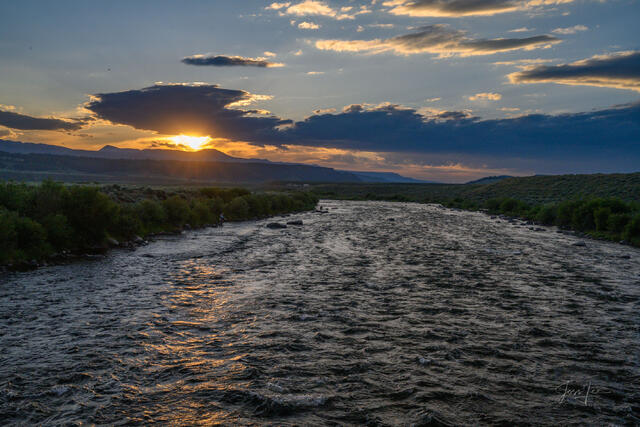
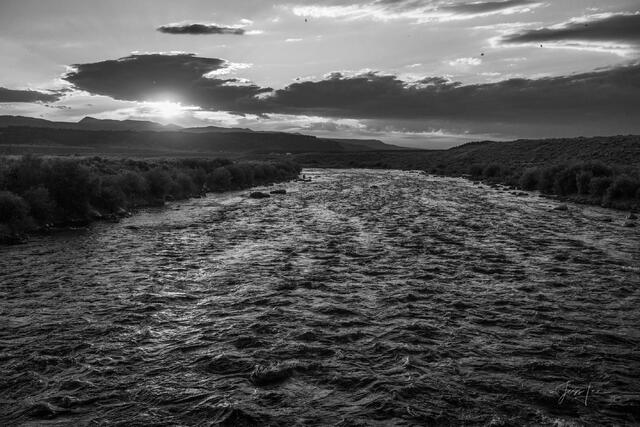
The Yellowstone River, a true freestone icon, is renowned for its dynamic and often erratic behavior. Its flows can fluctuate dramatically, ranging from a winter low of 800 cubic feet per second (cfs) to a thundering 27,000 cfs during the peak of spring runoff. Despite this inherent unpredictability, I have often found that "Anytime you can!" is a genuinely sincere answer to the question of when to fish, as some of my most memorable and successful days on the river have occurred during seasons typically considered less predictable. This river exemplifies classic Western big-water angling, frequently demanding robust gear and specialized techniques, from stripping large rabbit fur streamers to floating bushy foam attractor dry flies. Its immense size and diverse sections mean that truly understanding its full majesty can take years, offering a lifetime of continuous exploration.
The Yellowstone's unpredictable nature, particularly its fluctuating flows and water clarity, is not merely a challenge; it often presents a strategic advantage for the trout and, by extension, a unique learning opportunity for the angler. Reduced visibility, such as the "murky, translucent green water" that is often considered "good" , paradoxically benefits the angler. In these conditions, trout are less able to discern the artificiality of a fly, the presence of a tippet, or the shadow cast by a boat. This forces them into making quick, split-second decisions to strike, especially when they are actively feeding after a long winter and have not seen many flies for months. This dynamic underscores a crucial lesson: what appears to be an adverse condition can, in fact, be leveraged by an adaptable angler. It rewards those who understand how trout react to changing environmental cues, transforming perceived adversity into a genuine opportunity for aggressive fish.
Key Sections & Characteristics:
Grand Canyon (within Yellowstone National Park): Below the iconic falls, the Yellowstone carves through two rugged, boulder-strewn canyons. These sections are loaded with 14-17 inch cutthroat trout, with some browns and rainbows. Dry fly fishing for surface-feeding cutties can be very active. These sections fish best from late June/early July into early fall.
Yellowstone River in the Park (Below the Lake to Gardiner): This pristine upper section, particularly the Thorofare, is challenging to access without horses, often requiring hikes exceeding 15 miles one-way. The section below Yellowstone Lake (excluding permanently closed areas) down to the Gardner River near Gardiner, MT, is guided. Terrestrial fishing is strong here throughout July, August, and September. It is walk-wade only within the park.
Gardiner to Yankee Jim Canyon (outside YNP): Once the Yellowstone exits the park near Gardiner, float fishing is permitted. This stretch is dominated by cutthroat trout, with healthy populations of rainbows and some browns. It's one of the best for consistent dry fly action, as cutthroat often look up even when other species are feeding subsurface. This area offers some of the best Salmonfly fishing on the entire river, with incredible hatches in lower water years. By late July, hopper fishing becomes excellent.
Yankee Jim Canyon (outside YNP): From Joe Brown to Carbella, the river enters Yankee Jim Canyon. This is big water with Class III whitewater, making rafts highly recommended. It typically fishes well at lower water levels, usually by mid-July. Fish composition includes cutthroats, rainbows, and a handful of browns. The complex currents, boulders, and monstrous eddies make for interesting fishing.
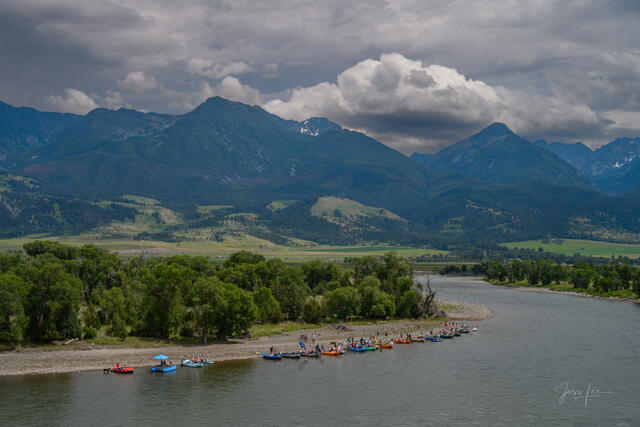
Paradise Valley (below Yankee Jim Canyon): The gradient drops, and the river enters the scenic Paradise Valley. This section is often the first to fish well after runoff due to gentler flows, with good fishing even at flows as high as 10,000 cfs. Its uniform flows make it great for beginning anglers, with spectacular scenery.
Town Stretch (Livingston): The best fishing on the town stretch occurs when the river has dropped below 7,000 cfs due to its higher gradient.
Seasonal Highlights & Recommended Flies:
Spring Streamer Season (Late April - June): This period is prime for targeting large brown trout (24-28 inches) as water temperatures rise (43-48°F). My preferred technique is "pounding the banks," stripping streamers aggressively the moment they hit the water, aiming casts close to the bank. Dark streamers with strong contrast, like #2-4 Home Invaders (white or black), are effective in murky water. The "Bow River rig" (large white streamer followed by a smaller black/olive) is a potent setup. An 8-weight rod with a 300-grain sinking line is ideal.
Mother's Day Caddis Hatch (Late April - Mid-May): This legendary hatch (April 25 - May 15, around 52°F) is notoriously difficult to time due to spring runoff. In rare perfect years, it offers two weeks of dry-fly fishing; usually, it's a three-day window. I favor #12-16 Hi-Vis Elk Hair, Goddard Caddis, and Sparkle Caddis Pupa. Slapping dry flies down hard mimics egg-laying females. Rene Harrop's CDC Fertile Caddis with a bright green tail is also recommended. March Browns, Baetis, and midges are also present.
Summer Hopper-Dropper Action (Mid-July - August): From mid-July to August 30, especially from Gardiner to Columbus, terrestrial fishing is prime. Best on sunny, hot, windy afternoons when hoppers are blown off banks. My box is stocked with #2-8 Grand Hoppers, Chernobyl Hoppers, and BLT Hoppers, often with Pat's Rubber Legs or beadhead nymphs as droppers. Casting at a 45-degree angle ahead of the boat, close to the bank, is key.
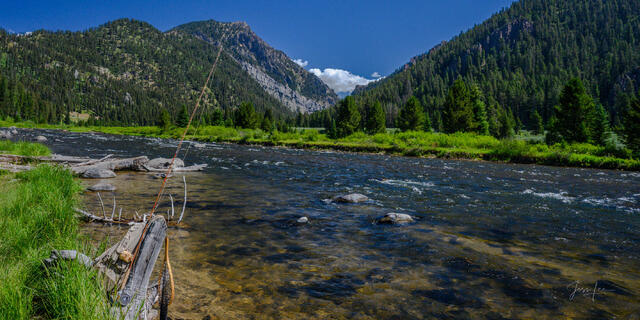
The Madison River is arguably one of the most diverse and challenging fisheries in the Western United States. With over 70 miles of fishable water, it truly embodies the character of eight distinct rivers rolled into one, presenting a wide array of water types from demanding tailwater canyons to flat, highly technical spring creek-like sections, rugged freestone canyons, and gentler, low-gradient riffle-run stretches. This river is widely recognized for harboring some of the most selective trout found anywhere.
The Madison, particularly its "Between the Lakes" and "Wade Section" , functions as a natural proving ground for advanced fly anglers. Its unique combination of crystal-clear, often slow-moving water and hyper-selective trout necessitates an unparalleled mastery of presentation and observation, making it a place where angling skills are truly honed. The clarity and often placid nature of the water, characteristic of spring creeks, afford trout ample time to scrutinize any offering. This, coupled with the abundance and diversity of natural insect hatches throughout the year , leads fish to become highly specialized in their feeding habits, rendering them incredibly selective. Furthermore, the consistent angling pressure on these waters serves to "educate" the trout, making them acutely wary of human presence and any imperfect presentation. This environment creates a demanding feedback loop where only the most precise presentations and perfectly matched, or cleverly "unmatched," flies consistently achieve success. Consequently, achieving success on the Madison is less about the sheer number of fish caught and more about the profound satisfaction derived from outsmarting a truly "educated" trout, solidifying its reputation as a premier destination for those committed to refining their fly fishing craft.
Key Fishing Sections (Montana-specific):
"Between the Lakes" (Hebgen Lake to Quake Lake): This stretch is popular for walk-and-wade fishing, with Hebgen Lake famous for its "gulper" fishing, where large trout rise to dry flies, particularly during Trico and Callibaetis hatches in July and August.
The Wade Section (Lyons Bridge to Story Ditch): This upper end of the Madison proper is the beginning of the “50 mile riffle,” characterized by fast, shallow, boulder-filled water. Boating is legal, but fishing from the boat is not.
Lyons Bridge to Story Ditch (Upper Float Section): This stretch is often broken into two floats. Fishing tactics are similar to the wade section upstream. The Salmonfly hatch here occurs in the last ten days of June most years.
Story Ditch to Ennis FAS (Lower Float Section): This section can be muddy for several weeks in late May/early June due to West Fork drainage runoff. Best tactics involve fishing streamers and nymphs down the middle, or dry-dropper rigs near steep, rocky banks.
Ennis FAS to Ennis Lake (The Channels): This stretch is more wade-friendly with smaller, more numerous channels. Fall fishing is notable here, with a big influx of pre-spawn brown trout and winter-spawning rainbows from Ennis Lake, targetable with nymphs and streamers from early September, with October being better.
The Beartrap Canyon: Offers combo whitewater rafting and fly fishing for adventurous anglers.
Warm Springs to Black's Ford: This section is often referred to as "Old Steady" and is considered the most consistent in the Henry's Fork system (referring to the broader Madison-Henry's Fork region, but specifically this section is on the Madison in Montana). Guides report consistent fishing with occasional trout over 18 inches, effective with hopper-dropper rigs and nymphs under an indicator.
Lower Madison (Warm Springs BLM to Jefferson River confluence): This section is strictly a three-season river, guided primarily in May and June, with occasional fall forays. It's popular for winter fishing but can be crowded with tubers/kayakers in July and August.
Major Hatches & Matching Strategies:
Midges: Present year-round, with peak activity Jan-Mar, Nov-Dec.
Blue Winged Olives (BWOs): Spring (late March-May) and Fall (Sep-Nov) hatches. Overcast days tend to produce the strongest emergences.
March Browns: Late April-mid May, large insects, good on both Upper and Lower Madison.
Mother's Day Caddis: Late April-early May, most predictable on the Lower Madison.
Salmonflies: Mid-June on Lower Madison, migrating upstream into July. Largest aquatic insects, #4-8 nymphs and adults.
Golden Stoneflies: Late June-July, #8-12, follow Salmonflies.
Yellow Sally Stoneflies: Mid-June-early Aug, #8-16 nymphs are crucial.
Pale Morning Duns (PMDs): Late June-July, #14-16, exceptional hatches on the Upper Madison.
Nocturnal Golden Stones: Emerge mid-late August, large stoneflies that hatch at night.
Terrestrials: Late July-mid-September, hoppers, ants, and beetles are effective, though trout don't respond to hoppers as much as they once did.
Tricos: July-August, tiny #18-22 flies, important for "gulper" fishing on Hebgen Lake.
Mahogany Duns: Peak in September.
Advanced Techniques & Flies:
Dry Fly Fishing: Fish can be targeted all across the river. Bigger flies often entice larger fish. Dead drifting is preferred for smaller flies, but giving life to larger stoneflies and terrestrials can trigger strikes from larger fish, especially mid-river.
Nymphing: The Madison is primarily a nymphing river. Stonefly and large attractor nymphs work well in high water, while smaller mayfly and caddis nymphs are better in lower, clearer water. Focus on nymphing the edges, below and in front of large rocks, and mid-river drop-offs. Early and late in the season, target slower, deeper water. Recommended nymphs include Pat's Rubber Legs (#4-10), Prince Nymphs (#6-18), Pheasant Tail (#12-20), Lightning Bug (#12-20), and Shop Vacs (#16-20).
Streamer Fishing: Effective year-round, especially for pre-spawn brown trout in the fall. Olive and tan are standby colors. Use darker flies on overcast days or in off-color water, and brighter flies on sunny days or in cleaner water. Vary your retrieve, and consider sinking lines for deeper holes. A large arbor reel with sufficient drag is crucial for fighting large trout in swift currents.
The Missouri River: A Tailwater Gem
The Missouri River, particularly its tailwater section below Holter Dam, is a renowned fishery offering clear and consistent flows, with trout populations around 5,000 fish per mile. It's often described as a "giant spring creek" due to frequent blanket hatches that bring pods of fish to the surface. The main target is rainbow trout (16-22 inches), but trophy brown trout are also a possibility. This river is a great alternative when other local rivers are high and off-color due to spring snowmelt.
Key Fishing Sections:
From Holter Dam to Cascade: This 40-mile stretch is the primary focus for most anglers. It's characterized as a gigantic spring creek with consistent flows, clear water, weed beds, long riffles, and ample habitat. The upper 10 miles (Holter Dam to Craig) have the highest concentrations of fish (3,500-5,500 fish per mile) and are easily wadeable even at 4,000 cfs. The "Land of the Giants" section below Hauser Dam (a short 5-mile stretch) can produce very large fish for trophy hunters, primarily through nymphing.
Craig to Cascade: This stretch is known for its world-class dry fly fishing, with prolific hatches of various caddis species.
Headwaters to Canyon Ferry Reservoir: This section is not known for great trout fishing, but offers good opportunities for carp, especially in late summer with hoppers.
Major Hatches & Matching Strategies:
Midges: Present year-round, crucial in this tailwater. Sizes #16-22, with #18-20 most common. Trout consume thousands. Any subsurface tandem nymph rig should include a midge imitation (e.g., Zebra Midge, WD-40, Love Bug, RS2).
Blue Winged Olives (BWOs): First major hatch, late March-May and mid-September-October. Strongest on overcast days, bringing pods of trout to the surface in softer water (tailouts, seams, slow riffle corners). Sizes #14-16 (spring) and #16-22 (fall).
Western March Browns: Sporadic hatches late April-May. Ideal conditions are overcast, 44-48°F, light winds. Sizes #12-16.
Skwala Stoneflies: An "under-achieving hatch" in March-April. Adults are rarely seen, but opportunistic trout may rise to a well-presented dry fly. Nymphs are active year-round. Sizes #8-12.
Caddis: Majority of hatches, late April-August, strongest May-early July. Nymphs active year-round. Sizes #10-22. Evening caddis hatches are enjoyable in late summer.
Yellow Sally Stoneflies: Early June-July, nymphs active. Adults have sporadic flying habits, making dry fly fishing difficult. Sizes #8-16.
Brown and Green Drakes: Sporadic emergences in June, around 55°F. Sizes #12-16.
Pale Morning Duns (PMDs): Mid-June-July, most user-friendly hatch. Sizes #14-16. Found in riffles and longer runs.
Trico Mayflies: Late July-August, sunrise hatches. Tiny #18-22 flies, best for experienced anglers. Trout feed on "spinners" (spent mayflies).
Terrestrials: Late July onwards, hoppers, ants, and beetles are important as aquatic hatches wane. Natural tones like gray and tan are effective.
October Caddis: Most reliable October caddis hatches in Montana, late September-mid-October. Sizes #8-10.
The Gallatin River: Diverse Freestone Fishing
The Gallatin River offers a diverse range of fly fishing experiences, from slow meandering meadow streams to faster riffle, run, and pocket water, eventually becoming a classic freestone river. It boasts a diverse range of fish species, including brown, rainbow, cutthroat trout, and whitefish. The trout population from Yellowstone to Spanish Creek is excellent (2,500-3,000 fish per mile).
Key Fishing Sections:
Upper Section (Yellowstone to Spanish Creek): Considered a meadow stream with excellent hatches throughout summer and fall. This section was famously featured in "A River Runs Through It" due to its gin-clear pools and aromatic alpine forests.
Canyon Section (below Spanish Creek): Water picks up speed. Fewer fish, but known to harbor hungry and aggressive trout. Excellent Salmonfly hatch and other stoneflies in July and August.
Lower Valley Section (below Cameron Bridge): Takes on a classic freestone look. Fish population drops dramatically, but this stretch is known to hold trophy browns that migrate up from the Missouri River. Float fishing is allowed on the last 12 miles.
Winter Fishing (near Big Sky junction): Several springs warm the river here, keeping it ice-free and concentrating fish, making it an excellent winter fishery.
Major Hatches & Matching Strategies:
Midges: Year-round, sizes #16-24. Important in winter.
Blue Winged Olives (BWOs): Spring (late March-May) and Fall (mid-September-October). Strongest on overcast days, especially around Big Sky. Sizes #14-16 (spring) and #16-22 (fall).
Western March Browns: Sporadic hatches mid-April-May. Sizes #12-16.
Caddis: Great numbers May-August, strong in early May, June, July. Mother's Day caddis is well-known. Sizes #14-18. Swing patterns at the end of the drift to imitate egg-laying females.
Salmonflies: Mid-June-early July, dependent on runoff. Largest aquatic insect. Trout feed aggressively even in muddy water. Sizes #4-8.
Golden Stoneflies: June-July, sizes #4-10.
Yellow Sallies: July-August, sizes #12-16.
Green Drakes: June-August, sizes #10-12.
Pale Morning Duns (PMDs): June-August, sizes #16-20.
Tricos: July-August, sizes #18-22, especially in the lower reaches.
Terrestrials: July-September, hoppers (#8-14), ants (#16-20), and beetles (#12-18). Spruce Moths can cause fanatical trout to rise late July-mid August.
The Big Hole River: The "Last Best Place" for Trout
The Big Hole River is often called "the last best place" for trout, offering three distinctly different sections over its nearly 150-mile course. It's a classic freestone river known for its Salmonfly hatch and opportunities for large brown trout. It boasts five species of game fish: wild brown, rainbow, cutthroat, and brook trout, plus a healthy population of Arctic grayling.
Key Fishing Sections:
Upper River (Headwaters to North Fork): High country meadows, lazily winding through hay meadows and willow-lined bottom land. Offers small stream fishing for rainbows, brook trout, native grayling, and cutthroat. Dry fly fishing for 10-14 inch fish can be exceptional.
Upper Big Hole (North Fork to Dewey): Becomes floatable with larger fish and the addition of brown trout. Maintains a slow gradient through a wide-open valley. The Wise River joins here, adding cold, clear water. Offers all water types and techniques.
Middle Canyon Section (Dewey to Salmon Fly/Melrose): Drops into a canyon with cliff walls, steeper gradient, small rapids, and large deep pools. Frequently changing water types. Highest concentration of trout (upwards of 3000 fish per mile) and heaviest hatches.
Lower River (Glen to Notch): Runs through expansive ranch land with braided channels. Excellent for Blue Winged Olive hatches in late September and October.
Major Hatches & Matching Strategies:
Skwala Stoneflies: First large insect to hatch, early April (around 42°F). Lasts 3-4 weeks. Sizes #8-12. Opportunistic trout may rise to a well-presented dry fly.
Blue Winged Olives (BWOs): Spring (late March-May) and Fall (mid-September-October). Strongest on overcast days. Sizes #14-16 (spring) and #16-22 (fall). Excellent hatches on the lower river (Glen to Notch) in late September-October.
Western March Browns: Unpredictable emergence early April. Sizes #14-16.
Mother's Day Caddis: Late April-May, dependent on runoff. Can blanket the water.
Salmonflies: June (typically June 15-July 1). Occurs over a long section of the river, moving upstream from Glen to Fishtrap (80 miles). One of the only opportunities for large brown trout on a dry fly the size of your middle finger. Sizes #4-8.
Golden Stoneflies: Late June-July, #8-12, follow Salmonflies. Best dry fly fishing in early morning.
Yellow Sallies: July, #10-16.
Pale Morning Duns (PMDs): July-August, #14-20. Offer consistent action.
Spruce Moths: August, best terrestrial hatch. Fish cruise grassy banks for them. Thickest from Jerry Creek to Maiden Rock.
Hoppers: August, #8-14.
Tricos: September, #18-24. Can be challenging on fine tippet.
Nocturnal Stones: July, best dry fly fishing in early morning. Dewey Canyon is known for this.
The Bitterroot River: A Dry Fly Paradise
The Bitterroot River is the quintessential trout river, a beautiful freestone river with almost 70 miles of log jams, undercut banks, drop-offs, and deep pools. Its main draw is its incredible dry fly fishing, with thriving hatches of Mayflies, Caddis, and Stoneflies from March to November. It holds a mix of native westslope cutthroat, rainbows, and browns.
Key Fishing Sections:
Upper Bitterroot (East and West Forks): The West Fork begins beneath Painted Rocks Reservoir. These forks are concentrated with Salmonfly and Golden Stone hatches in June. The West Fork is an idyllic wading river for native westslope cutthroat.
Middle Bitterroot (New Bridge in Hamilton to Stevensville): Characterized by many braided side channels and snaky logjams, offering amazing fishing structure. Holds rainbows, browns, and cutts.
Lower Bitterroot (below Stevensville to Clark Fork confluence): Widens and slows, providing an ideal environment for casting dries to pods of hard-fighting rainbows and cutthroat trout. Offers excellent dry fly fishing and nymphing opportunities.
Major Hatches & Matching Strategies:
Skwala Stoneflies: First major stonefly hatch, March-May. Main attraction in early season. Sizes #8-12. Larger brown trout are regularly taken.
Blue Winged Olives (BWOs): March-May and September-November. Sizes #16-20. Strongest on overcast days.
Gray Drakes: April. Sizes #12-16.
March Browns: April. Sizes #14.
Mother's Day Caddis: May, dense hatch, blanketing the water.
Salmonflies: June, concentrated on East and West Forks. Huge dry flies. Sizes #4-8.
Golden Stones: June, follow Salmonflies. Sizes #8-10.
PMDs: July. Sizes #16-18. Trout congregate in pods.
Green Drakes: July. Sizes #8-10.
Caddis: July. Sizes #12-16. Strong throughout the season.
Tricos: August-September, morning hatches on the lower river. Tiny #20-24 flies, demanding technical fishing.
Hoppers: August, peak of summer. Trout ambush them along grassy banks. Sizes #2-8.
Beetles & Ants: August. Terrestrials should not be overlooked.
Hecuba (Fall Drake): Mid-August, exciting fishing. Trout have a hard time passing up this juicy mayfly.
Mahogany Duns: Late August-October, size #14-16. Trout become aggressive.
October Caddis: October.
The Clark Fork River: Western Montana's Workhorse
The Clark Fork River covers many miles in western Montana, with distinct upper and lower sections. The upper stretch is smaller and faster, ideal for stoneflies and caddis, while the middle and lower stretches, especially below the Bitterroot River confluence, are slower and broader, perfect for blanket mayfly hatches. It holds rainbow, brown, and cutthroat trout.
Key Fishing Sections:
Upper Clark Fork (East of Missoula): Snakes through open country and cattle ranches, with undercut banks, side channels, and drop-offs providing ideal habitat for brown and rainbow trout. Streamers and large dry flies dominate.
Lower Clark Fork (West of Missoula): Formed by the confluence with the Blackfoot and Bitterroot Rivers, nearly tripling its flows. Features long, wide runs, riffles, and flats. Known for some of the best dry fly fishing in the area due to abundant hatches. Its feisty rainbows are some of the hardest fighting in the state.
Major Hatches & Matching Strategies:
Blue Winged Olives (BWOs): Pre-runoff (March-May) and Fall (September-November). Excellent dry fly hatches.
Skwala Stoneflies: Pre-runoff (March-May). Hatch generally starts around the first week of April and can vary year to year. Some days the skies are black with Skwalas.
Caddis: Summer (June-August). Upper Clark Fork fishes well with caddis.
Golden Stoneflies: Late June-July. Bring strikes across the river. My favorite flies include Rastaman Golden and PK Golden. If surface action slows, a Pat's Rubberlegs in Tan/Brown on a long dropper (7-foot) is effective. Excellent dawn fishing.
PMDs: Summer (June-August), hatch between noon and 3:00 PM. Consistently provide excellent technical dry fly fishing. Fish can be fussy, requiring cripples, emergers, duns, unweighted nymphs, and Klinkhamer styles. Trout pod up, often of the same size.
Tricos: Summer (June-August), continue into fall. Morning hatches provide ample targets.
Drakes (Green & Brown): Summer (June-August).
Terrestrials: Summer (June-August), continue into fall. Hoppers are ungainly flyers, so don't be afraid to shorten your leader (2-3X tippet) and let the hopper land with a "splat." Pav's Yellowstone Hopper or rubber-legged hoppers accentuate movement. Other strong hoppers include Henneberry Hopper and Morrish Hopper. Later in the season, less traditional colors work.
Mahogany Duns: Fall (September-November). Most active below riffles. Use fine tippet (4.5X or 5X) and maintain distance from fish.
Advanced Techniques for Montana's Challenging Trout
Successfully navigating Montana's challenging trout waters, particularly the clear, pressured spring creeks and tailwaters, demands a mastery of fundamental techniques. My experience has consistently shown that attention to detail in these areas is what separates a good day from a truly exceptional one.
The Art of Stealth & Observation
My cardinal rule for clear, pressured waters is simple: never rush. Upon arriving at the water, I always stop, sit down, and meticulously observe the environment. This initial assessment is crucial. I carefully examine the streamside vegetation, watch for subtle trout riseforms, and diligently try to identify the insects present on the water. If circumstances allow, I will even scoop up a few natural bugs to compare them with my fly patterns. Blindly knotting on a fly at the car is a common mistake on these waters; it pays immense dividends to be observant and confirm what the trout are actively feeding on.
Careful movement is equally critical. I minimize wading as much as possible, as the placid and exceptionally clear water of these streams makes careless wading a sure way to spook fish. Often, I find myself kneeling along the banks to cast, keeping a low profile. When wading is absolutely necessary, I do so slowly and deliberately, paying close attention to avoid wading through muck, dense weed beds, or, especially in the fall, the lighter-colored, "clean" patches of gravel known as brown trout spawning redds. I always maintain a distance of several feet back from the water's edge when walking and am acutely aware of my shadow, ensuring it never falls upon the water, as this will immediately send trout fleeing. Fish are highly sensitive to vibrations through their lateral line, so walking lightly and slowly is paramount; even a heavy step can cause fish to dart away from the bank.
Strategic Timing
Beyond simply being on the water, when you are on the water can dramatically impact success. I've found that some of the most productive fishing often occurs outside of typical "banker's hours" (9 AM to 5 PM), either before most anglers arrive or after they have left. This is particularly true for early morning Trico hatches, which occur from late July through August, and late evening Brown Drake hatches in early June. Pale Morning Dun (PMD) spinners are frequently the first insects on the water in the early morning, often disappearing by the time most anglers are rigging up. Conversely, PMDs can emerge late into the evening, with the action lasting until dark, and fish tend to be less selective during these off-peak hours. Similarly, during warm summer months, most caddisflies appear in the late evening, offering good success with either dead-drifting low-riding patterns or skating high-floating dry flies. If fishing at dusk, it is wise to be prepared for potentially brutal mosquito activity, especially in wet years.
I also advocate for exploring the "off" season. While summer is undeniably popular, some of the most dependable fishing, often accompanied by significantly less angling traffic, occurs later in the season, particularly in October and November, even amidst rain and snow. The Mahogany Dun hatch, a size 14-16 mayfly, from late August through October, is a significant event that is eagerly anticipated by both fish and anglers.
Leveraging Environmental Conditions
Understanding and adapting to environmental conditions can turn a challenging day into a productive one:
Embracing the Wind (Terrestrials): A stiff breeze from midsummer through fall can be highly beneficial, as it dislodges and blows grasshoppers, beetles, and ants from streamside vegetation onto the water. Fishing standard terrestrial patterns, such as deer-hair hoppers, beetles, or small fur ants, tight to grassy banks can be exceptionally successful. The wind also serves to break up the still water surface, providing additional cover and potentially making trout less wary of your presence.
Reading Subtle Currents and Weed Beds: Spring creeks, like Silver Creek, are characterized by their clear, slow flows and abundant aquatic vegetation. These thick weed beds create complex, undulating masses that break up currents, causing water to speed up, slow down, or even redirect entirely. Trout often nestle within these weed beds, using them as cover. Learning to read these subtle current seams, drop-offs, and bubble lines is akin to reading a book, with every small detail indicating where fish might be holding or feeding. The challenge lies in achieving a drag-free drift amidst this vegetation, as flies can easily stand still, rise quickly, or be kicked into an entirely different current. It’s crucial to understand that the current you observe on the surface is not uniform throughout the water column; a thin diameter tippet can positively influence your fly's presentation by cutting through these varied currents more effectively.
Advanced Fly Presentations
Success on selective trout often hinges on precise and varied fly presentations:
Dry Fly Mastery: The objective is to achieve a completely drag-free drift, meaning your artificial fly floats exactly like the natural insects. Various techniques are crucial for this:
Reach Cast: This involves stopping the rod tip on the forward presentation and then sliding it to the side, which effectively introduces a mend into the line. This allows the fly to land first, with the leader upstream, creating a longer, drag-free drift.
Pile Cast/Parachute Cast: Helps to collapse the leader, introducing slack that prevents drag from affecting the fly's drift.
Bounce Cast: A straight down cast that minimizes immediate drag.
Line Control: Continuously feed line as the fly drifts downstream, ensuring no slack.
Mimicking Naturals: For caddis, "slapping" dry flies down hard can mimic egg-laying females. For hoppers, the "splat" of a heavier, deer-hair pattern is often more effective than lighter foam versions, as it realistically mimics a natural insect falling onto the water.
"Unmatching the Hatch": This is a counter-intuitive but often effective tactic, particularly during "blanket" hatches where trout are overwhelmed by millions of natural insects (e.g., PMDs or Tricos). In such scenarios, trying a slightly larger or distinctly different pattern, such as a small black ant or a Renegade, can make your fly stand out from the abundance of naturals and trigger a strike.
Nymphing Nuances: Nymphing is often the most consistent strategy for catching fish, especially when surface activity is slow.
Rigging: I typically fish two nymphs. Using a thin diameter fluorocarbon tippet (3x-5x) instead of a tapered leader allows nymphs to sink faster and be less affected by currents. A small barrel swivel can prevent line twist.
Weight & Indicator: The weight (split shot) primarily turns over the nymphs. For deep runs, a dropshot rig (tippet off bottom fly, split shot on end) is effective; the dropshot tippet should be one size smaller so it breaks off first if snagged.
Perfect Drift: A gentle float that touches or is near the bottom, moving naturally with the current just before the projected holding spot of the fish. Cast upstream at a 25-40 degree angle and strip line to maintain connection.
Strike Detection: Maintaining a tight line is key to feeling subtle takes. Lifting the rod tip sharply to set the hook can be effective.
Streamer Strategies: Streamer fishing is a dynamic and often highly productive method for targeting larger, more aggressive trout, particularly brown trout.
"Pounding the Banks": Strip your streamer aggressively the moment it hits the water, aiming casts close to the bank where trout ambush prey.
"Bow River Rig": A highly effective tandem setup with a large white streamer as the lead fly, followed by a smaller black or natural olive streamer, designed to trigger predatory instincts.
Varying Retrieves: Experiment with short strip-pause-strip-pause or rod-tip twitch-stop-strip retrieves. Pauses are crucial for triggering strikes.
Color & Size: Dark streamers with strong contrast show up best in murky water. On darker days, patterns creating a strong silhouette are effective. If fish chase but don't commit, try a slightly smaller fly, then a larger one.
Gear: An 8-weight rod with a 300-grain sinking line is ideal for covering banks and deep runs. A short, strong leader is recommended for turning over heavy flies.
Montana, A Fly Fishing Legacy
Montana offers an unparalleled fly fishing experience, characterized by diverse waters, abundant hatches, and a population of wild, often highly selective, trout. My journey through these iconic rivers—the dynamic Yellowstone, the challenging Madison, the prolific Missouri, the versatile Gallatin, the legendary Big Hole, the beautiful Bitterroot, and the workhorse Clark Fork—has reinforced a core truth: success in fly fishing here is a blend of meticulous preparation, adaptable technique, and a deep respect for the environment.
The pursuit of Montana's large, smart trout is a lifelong endeavor, one that promises not just the thrill of the catch, but a deeper connection to the wild beauty of the Big Sky State. As conditions on Montana's rivers are highly dynamic and subject to continuous change due to weather, runoff, and seasonal variations, static information, however comprehensive, has its limits. Therefore, for real-time conditions and tailored advice, anglers are strongly encouraged to consult local fly shops and consider hiring licensed guides. These local experts possess invaluable, on-the-ground knowledge that complements the foundational information provided in this guide. For the most current and official regulations, always refer to the Montana Fish, Wildlife & Parks (FWP) official website.