II. Understanding the Henry's Fork: A River of Diverse Character
General Overview: The Crown Jewel of Idaho
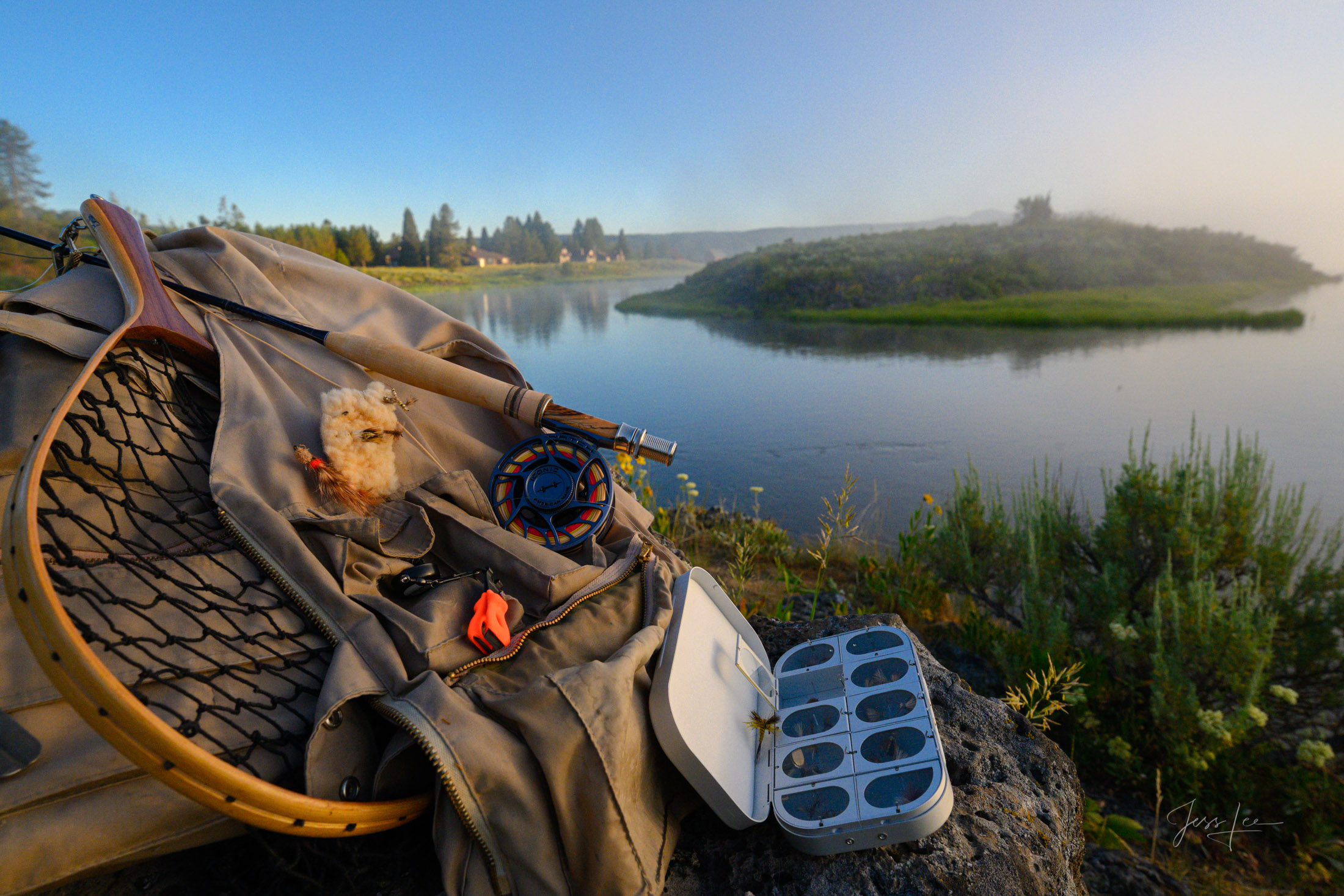
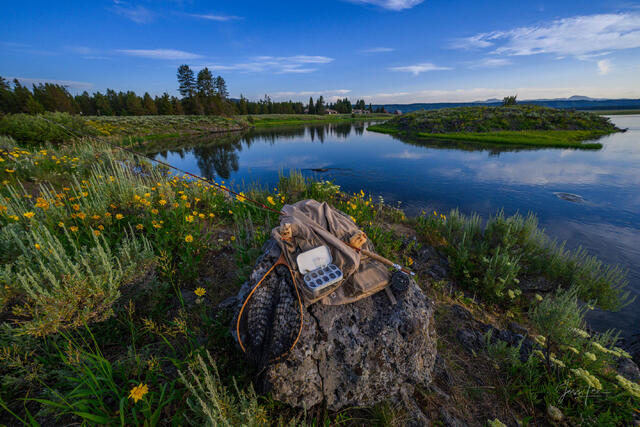
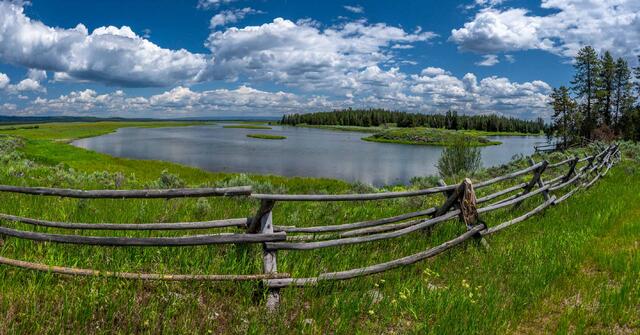
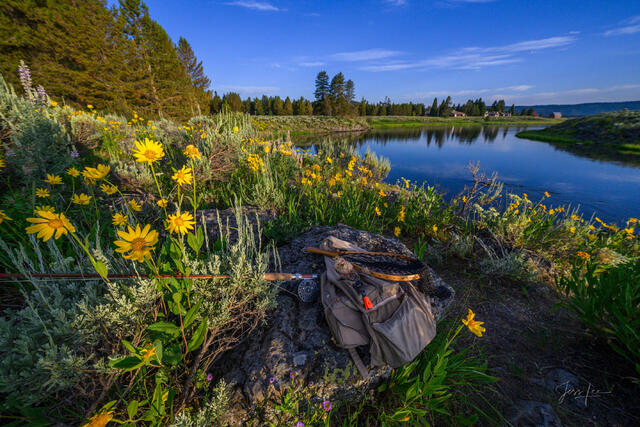
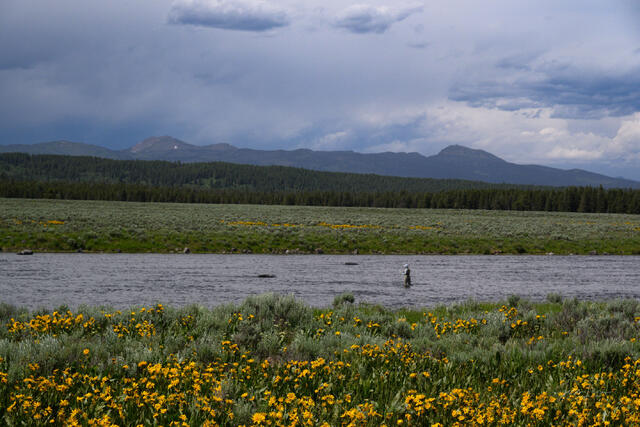
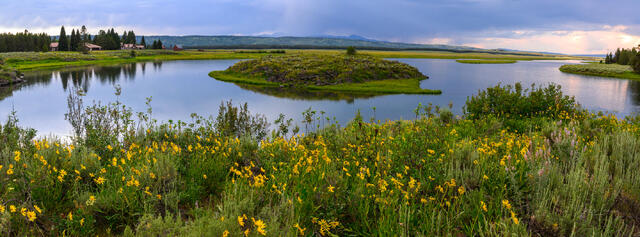
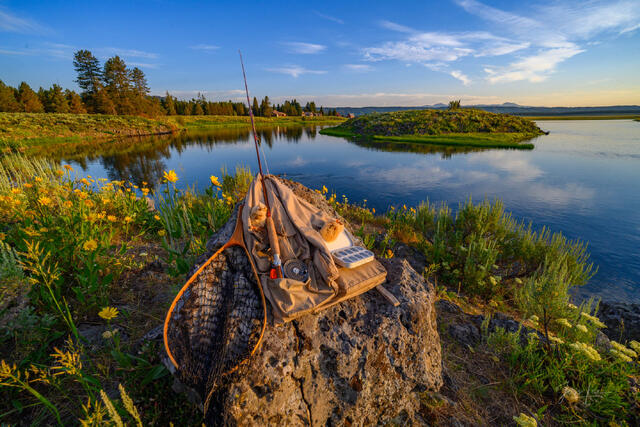
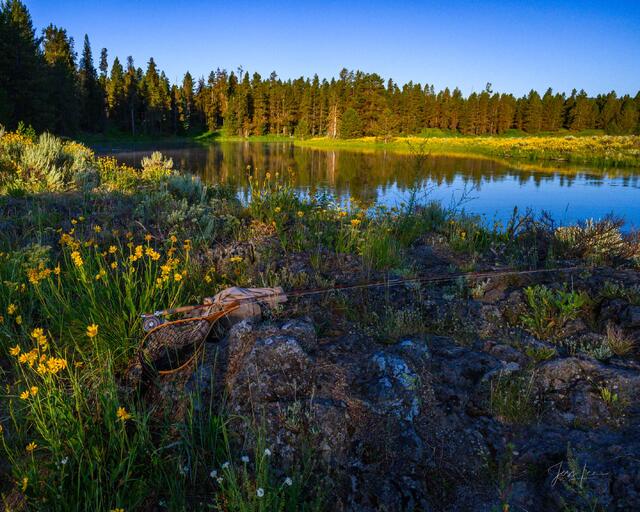
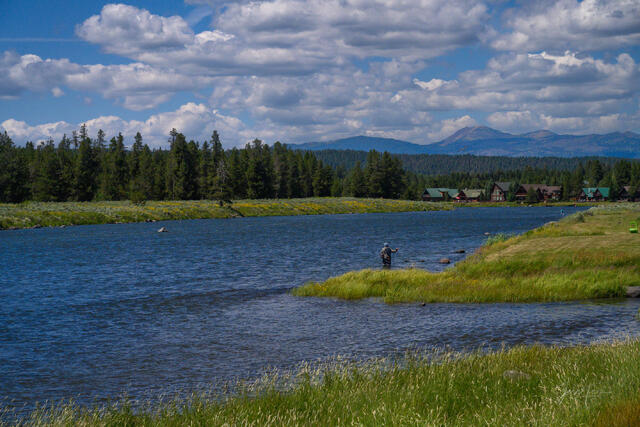
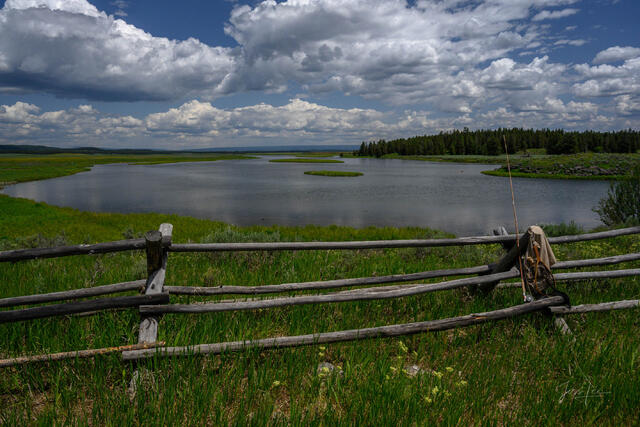
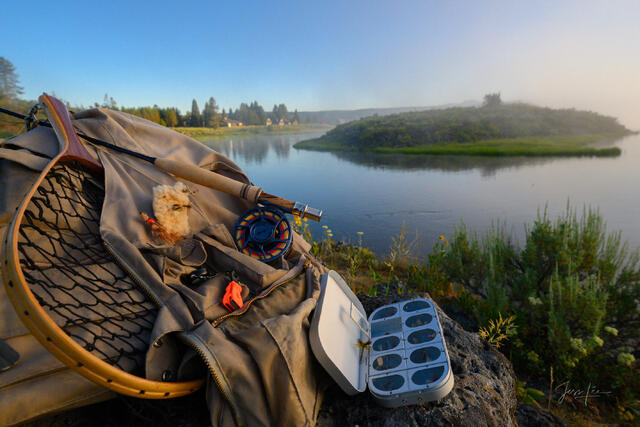
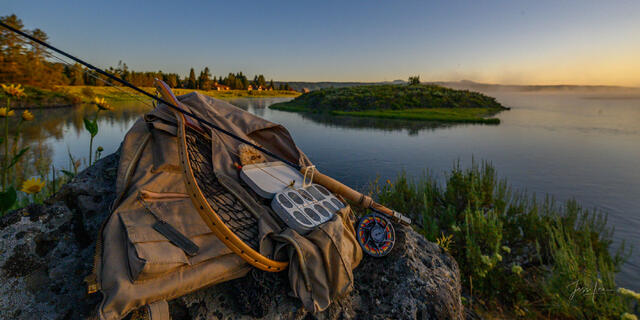
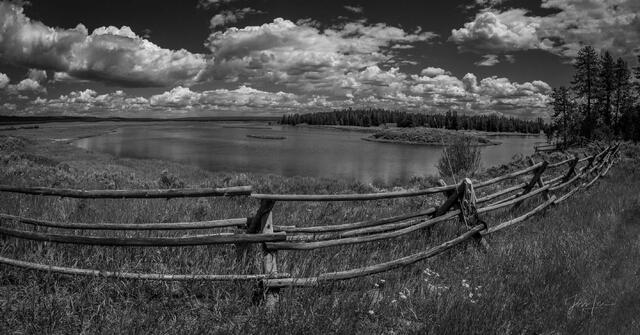
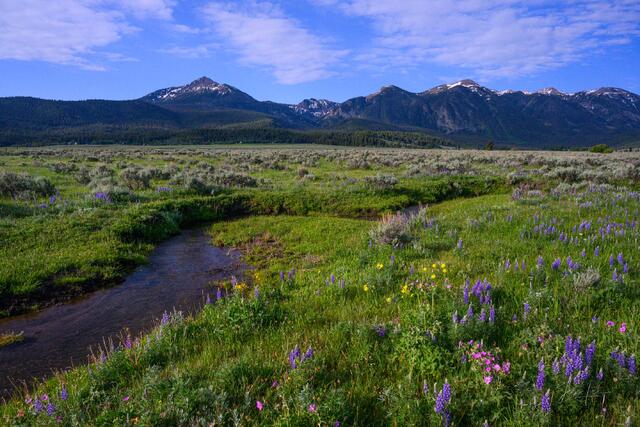
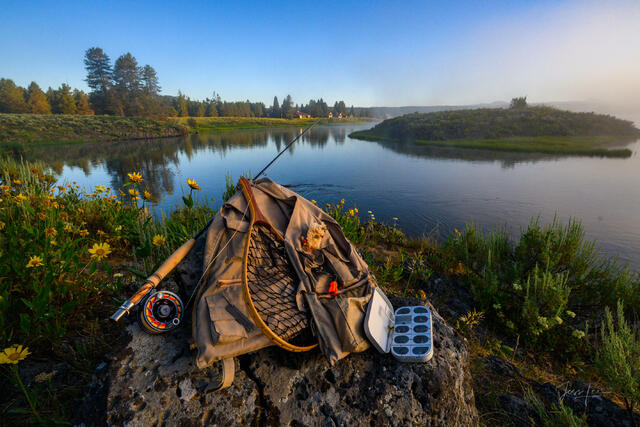
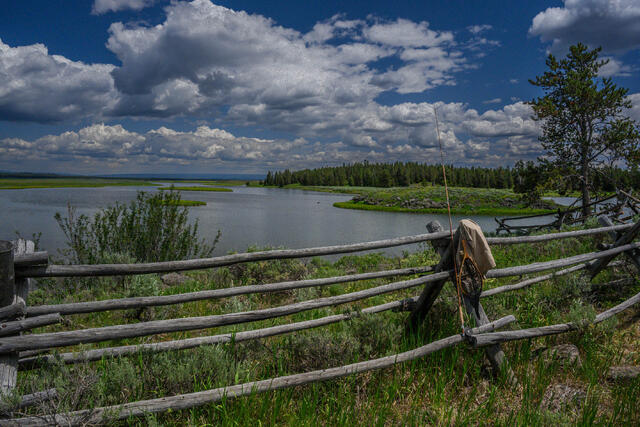
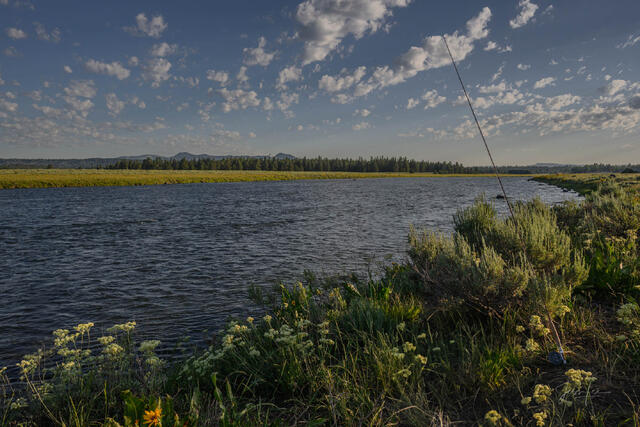
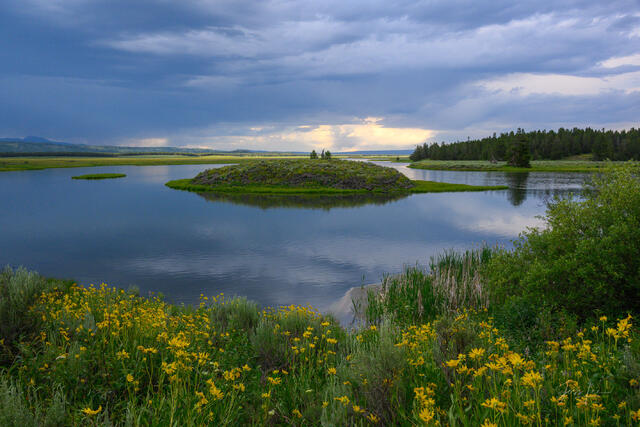
The Henry's Fork is truly a "tremendous dry fly fishery", famed for its "crystal-clear waters and abundant trout population". What makes it so unique is its diverse character, flowing through "gentle flowing ranch land, timber covered canyons, and spring creek like sections". This variety means that within a single river system, you'll encounter vastly different fishing environments, each demanding a distinct approach.
Unlike many rivers in the Rockies, the Henry's Fork benefits from its volcanic geology and spring sources, which result in minimal runoff and consistently fishable water even when other rivers are impacted by high flows. This stable environment, however, contributes to the river's reputation for highly selective trout, demanding precision and perfect presentation. The Henry's Fork, particularly sections like the Railroad Ranch, often behaves like a classic spring creek.This unique characteristic, with its clear, calm waters, presents a particular challenge to anglers. Fish in such environments are highly visible and incredibly wary, demanding a refined approach to presentation, the use of fine tippet, and meticulous fly selection. This underlying characteristic is precisely why the Henry's Fork is considered "the toughest fly fishing" and "the ultimate dry fly test".
The Wild Residents: Species of the Fork
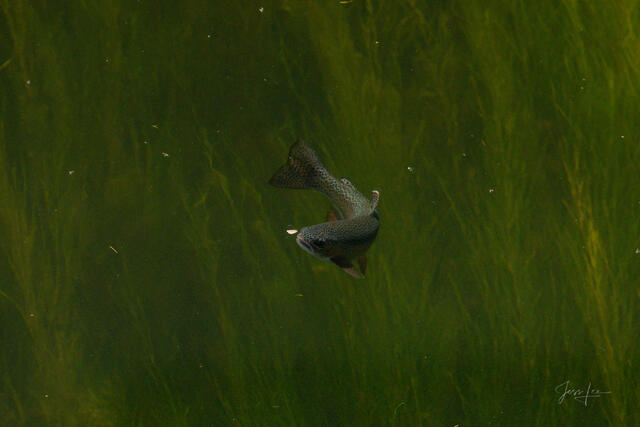
The Henry's Fork is home to a healthy population of wild trout, primarily large wild rainbows and the often elusive brown trout. You'll also encounter brook trout, cutthroat trout, and occasionally, the powerful bull trout. Additionally, cutbows (rainbow x cutthroat hybrids) and mountain whitefish are present. Each species offers a unique challenge and reward, making every cast an adventure. The river's healthy ecosystem supports a rich diversity of aquatic life, which ensures the trout are well-fed and active, providing ample opportunities to test one's skills.
Conservation and Regulations: Protecting Our Waters
As responsible anglers, understanding and adhering to conservation practices and regulations is paramount. The Henry's Fork Foundation (HFF), established in 1984, plays a crucial role, employing a "science-based, collaborative approach" to ensure favorable streamflow, excellent water quality, healthy fish populations, and a positive fishing experience. Henry's Fork Anglers, a long-standing local institution, is also a founding member of HFF and deeply committed to conservation.By supporting these efforts, we contribute to the long-term health of this incredible fishery. The long-term health and exceptional fishing quality of the Henry's Fork are inextricably linked to active conservation and the informed, ethical behavior of anglers. Being a top-tier angler on the Fork means more than just casting skill; it requires understanding and utilizing HFF's real-time data, such as water temperatures to avoid stressing fish during warm periods, and flow data for safe wading. This proactive stewardship is crucial for preserving the very experience we seek.
The Henry's Fork, despite its spring-fed origins, is a managed river. This means that "ideal" conditions for specific sections or hatches can fluctuate significantly from year to year, and even day to day, based on human-controlled water releases. For instance, recent reports indicate that flows from the Island Park Reservoir have decreased, signaling a potential for low flows in the upcoming winter. This dynamic hydrological environment adds a layer of complexity to the "final exam," demanding constant adaptation from the angler. Anglers cannot rely solely on historical patterns; they must consult real-time flow data and current fishing reports to understand accessibility, fish behavior, and optimal techniques.
Here are the key regulations for the Henry's Fork (as of 2025-2027, always check current Idaho Fish and Game regulations):
Note: This table summarizes key regulations. Always consult the latest Idaho Fish and Game regulations for the most current and complete information.
III. Key Fishing Sections: Where I Find My Trophy Trout
The Henry's Fork is a mosaic of different water types, offering over 70 miles of fishable water, each with its own unique character and challenges. Understanding these distinctions is crucial for success, as the river essentially functions as a "multi-river" system, demanding different tactics and a keen understanding of the specific water you're on. Anglers must understand the unique characteristics and appropriate techniques for each section, rather than adopting a one-size-fits-all approach.
The Headwaters & Upper River (Henry's Lake to Mack's Inn/Coffee Pot's Rapids)
This is where the Henry's Fork truly begins, stemming from the impressive Big Springs and Henry's Lake. The water here is incredibly clear, offering sight-fishing opportunities in its tranquil, "gentle flowing ranch land" sections. I often find myself fishing the upper river near Mack's Inn and Coffee Pot's Rapids. This section is often described as a "quiet time" and "uncrowded" in late May into early June , making it an excellent choice when other rivers are still impacted by runoff. It’s also surprisingly beginner-friendly , making it a great place to introduce new anglers to the Fork or for seasoned veterans to warm up their casting arm.
Box Canyon: The Fast Water Challenge and Its Rewards
The Box Canyon is a truly "dramatic and renowned section of the river, characterized by its steep, basalt canyon walls".This three-mile stretch directly below Island Park Dam is defined by its "powerful current, combined with the confined canyon, creates deep runs, turbulent riffles, and limited wading opportunities". This section is a prime habitat for "larger trout". While dry fly fishing can be productive in early June during the Salmonfly and Golden Stone hatches , my consistent success here comes from nymphing and streamer fishing, which are effective "throughout the entire season, well into November".
Wading in Box Canyon is "not for the faint of heart" due to the fast, rocky water, but a hiking trail along its length provides good access points. Guides often "walk the boat" through this short float to allow clients maximum time to cover prime runs and pools. Current fishing reports (July 2025) indicate flows from Island Park Reservoir around 1000-1600 cfs , with higher flows making wading challenging but still fishable. Box Canyon is a section that demands versatility. While it offers exciting, albeit brief, dry fly opportunities during specific early season hatches, its true and more consistent potential lies in mastering subsurface techniques. The powerful currents and deep runs make it a nymphing and streamer paradise, where aggressive presentations can entice large trout. Anglers must be prepared to adapt from delicate dry fly tactics to more robust subsurface strategies, often relying on boat access or carefully chosen wading points due to challenging conditions. Real-time flow data is not merely informative but prescriptive for Box Canyon. High water, while daunting, can actually concentrate fish near the banks, making strategic nymphing and streamer presentations highly effective for those who can manage the strong currents. Conversely, lower flows open up more wading opportunities but might spread fish out. Understanding this dynamic, driven by dam releases, is essential for choosing the right approach and maximizing success, reinforcing the need to check daily conditions.
The Railroad Ranch (Harriman State Park): The Ultimate Dry Fly Test
The Railroad Ranch, nestled within Harriman State Park, is arguably the most famous section of the Henry's Fork, known worldwide as "The Railroad Ranch". It's lauded for its "seven miles of gorgeous, wadeable spring creek flows" and its population of "large free-rising rainbows". This section is considered "the ultimate dry fly test" and "the toughest fly fishing". Its "flat water, intricate currents, incredible hatches and discriminating fish" make it a true proving ground for angler skill, persistence, and knowledge.
The Ranch is open from June 15 through November 30 , with prime times being June until mid-July, and again from September through mid-October. It's strictly fly fishing only and requires barbless hooks. When hopper fishing here, the "presentation...on slow-moving water is critical". The "Jay-Dave's Hopper" (size 12, cream body) is a particularly productive pattern, partly because its "greater mass of the deer-hair tie attracts trout when it lands on the water with a more realistic splat". The Railroad Ranch is not just a location; it's a masterclass in dry fly presentation. Its clear, flat, spring-creek-like conditions expose every flaw in an angler's cast and drift. Success here hinges on achieving a truly drag-free drift, often requiring subtle mends and precise casting techniques. The fish's extreme sensitivity to unnatural movement or sound means that the way a fly lands and drifts is as important as the fly itself, making it a true test of an angler's finesse and attention to minute details.
The Ranch has a specific opening date (June 15) and prime seasons (June-mid-July, Sept-mid-Oct). This limited, well-known window, combined with its legendary status, naturally suggests that it will experience significant angler pressure during peak periods. While not explicitly stated for the Ranch, the mention of "many other anglers" for Slough Creek's popular first meadow serves as a good proxy for the experience here. Maximizing success on the Railroad Ranch involves strategic timing to mitigate angler pressure. While prime hatches occur during the busiest periods, targeting the shoulder seasons (late June/early July or late September/early October) might offer a more rewarding experience with less pressured fish. This requires a willingness to adapt one's schedule to the river's rhythm and the crowds, highlighting that patience extends beyond the cast to the planning of the trip itself.
Last Chance & Below Ashton: Accessible Waters and Terrestrial Action
Last Chance serves as a central hub for Henry's Fork anglers, hosting prominent fly shops like TroutHunter and Henry's Fork Anglers. This area can be dynamic. Recent reports (July 2025) indicate "more rising fish observed" with a drop in flow, though "weeds are rapidly appearing on the lower end".
As summer progresses, it truly becomes "Terrestrial Time," with an increase in hoppers and observations of smaller red and black ants. This makes it a prime location for hopper-dropper rigs. While accessible, the fish here can still be incredibly selective, earning the area the local nickname "No Chance" due to the difficulty of fooling its trout. The consistency and suitability of this section for a wider range of skill levels provide a vital balance to the Henry's Fork's more challenging waters. It makes this area an excellent choice for building confidence, enjoying steady catches, or simply unwinding. This demonstrates that the Henry's Fork, while famed for its difficulty, also offers accessible and rewarding experiences for all anglers, provided they choose the right section.
Warm River to Ashton: Consistent Action for All Skill Levels
This section is often referred to as "Old Steady" and is considered "the most consistent in the Henry's Fork system". It's a fantastic choice for beginners and those who might not prioritize landing trophy fish, though it still offers "occasional trout over 18 inches". I've found great success here using hopper-dropper rigs and nymphs under an indicator. Caddis, PMDs, and Flavs are often present, making for varied fishing.
IV. The Henry's Fork Hatch Calendar: Timing Your Success
Understanding the Henry's Fork's prolific hatches is the cornerstone of dry fly success on this river. Anglers find dry fly fishing excellent from May through September, with the period from late April to June often considered the "peak season for hatches". However, the timing can be a "moving target" due to water conditions and flow management. The Henry's Fork's unique volcanic geology and spring sources mean it "doesn't suffer the runoff and high, murky water of other rivers" , allowing for earlier fishing compared to other Western rivers.
The consistent reports that hatches are a "moving target" due to runoff and water temperature , and that Salmonflies "move upstream quickly" , highlight a crucial aspect of fishing the Henry's Fork: simply knowing
when a hatch generally occurs is insufficient. Anglers require real-time information and a high degree of flexibility. This emphasizes the indispensable role of local fly shops and guides , who possess daily, on-the-water intelligence. This dynamic also necessitates adaptability in fly selection and technique, as conditions can change rapidly.
During prolific hatches like Salmonflies, fish can become "gorged due to the quantity of food" , making them less interested in surface flies
during the peak of the emergence. The advice to fish "three to five days after the hatch has passed" or "below the main hatch" is a critical, often counter-intuitive strategy. This reveals that the physical presence of a peak hatch does not always equate to peak dry fly fishing. It underscores the importance of understanding fish behavior
during and after a hatch, a distinction that often separates a novice from an expert angler.
The detailed explanation of the Jay-Dave's Hopper emphasizes the importance of fly
weight and the "splat" it makes on the water. This goes beyond simple pattern matching. It is a nuanced understanding of how terrestrials behave when they inadvertently land on the water (they don't typically skitter or swim well ), and how trout react to that specific, often audible, impact. This represents a deeper understanding of presentation mechanics for wary fish, especially on flat water like the Ranch. It implies that anglers should consider the physical properties of their flies, not just their visual resemblance, to trigger a strike.
Henry's Fork Annual Hatch Calendar & Recommended Flies
V. Flies for the Fork: My Go-To Patterns for Every Situation
The Henry's Fork's trout are notoriously selective , demanding meticulous fly selection and presentation. While "matching the hatch perfectly" with "realistic imitative flies" is often key , sometimes a nuanced approach, or even "un-matching the hatch" , can be the ticket. My fly box for the Fork is always stocked with these proven patterns:
Essential Dry Flies for Selective Trout
For the delicate PMD and BWO hatches, I rely on Parachute Adams and Olive Sparkle Dun. For specific PMD presentations,
CDC Thorax PMD, Knock down Dun, Captive PMD Dun, and Parachute PMD are highly effective. For spinner falls, a
Rusty Spinner is crucial. When March Browns are on the water, I prefer specific
March Brown patterns over general attractors, as fish can key in on them intensely.
My go-to caddis patterns include Hi-Vis Elk Hair, Goddard Caddis, and Sparkle Caddis Pupa. For mimicking egg-laying females,
Rene Harrop's CDC Fertile Caddis is deadly, and I often "slap" my dry flies down hard to imitate their splashy entry.
Emergent Sparkle Pupa and Elk Hair Caddis are also essential.
For the big Salmonfly and Golden Stone hatches, I carry Flutter Bugs, Sofa Pillows, and Rogue Golden Stones. Other effective patterns include
Chubby Chernobyl (gold), Drowned Golden Stone, Totally Stoned Golden, X-fly Cat Puke, and Yellow Stimulators.The
Golden Stone and Stimulator are also reliable. When the hoppers are active, the
Jay-Dave's Hopper (size 12, cream body) is my top choice, valued for its realistic "splat" on the water. Other excellent options include
Grand Hopper, Chernobyl Hopper, and BLT Hopper. For ants and beetles, I often carry smaller
red and black Ants and foam beetle imitations. For the smallest, most technical dry fly fishing,
Griffith's Gnat and Palomino Midge are indispensable.
The Henry's Fork's reputation for hatches and selective trout often leads anglers to believe that strict "match the hatch" principles are the only path to success. However, my experience, supported by observations, reveals a more nuanced reality. Sometimes, "un-matching the hatch" with an attractor pattern , or focusing on the
weight and splat of a hopper rather than just its visual resemblance , proves more effective. This suggests that while visual imitation is foundational, the Henry's Fork's wary trout can be triggered by a perfectly presented, slightly "off" fly, or one that elicits a different instinct, such as the commotion of a heavy hopper hitting the water or a streamer mimicking a predatory chase. This understanding is a critical distinction for expert anglers.
Productive Nymphs for Subsurface Success
Large stonefly imitations are a staple, especially in Box Canyon. My box always includes Rubberlegs (black, #6-10) ,
Bitch Creek ,
Yuk Bugs, Rock N' Roller Stone, Jimmy Legs, and Bead head Golden Stones. For smaller subsurface patterns, I rely on
Perdigons, Daggers, and Pheasant Tails (PTs).
Zebra Midges are also highly effective, as are
Micro Mays. Other productive PMD nymphs include
Sawyer's Pheasant Tail, Split-Case PMD, Floating PMD Nymph, and PMD Thread Nymph. I often fish two nymphs.Hot spot nymphs and San Juan Worms can also be effective, especially in off-color water or after a rain.
Streamers for Aggressive Predators
When targeting the Henry's Fork's larger, more aggressive trout, especially big browns, streamers are key. My favorites include Home Invaders (white or black) , various
Wooly Buggers ,
Zonkers , and other
leech, sculpin, and baitfish imitations. In murkier or greenish water, dark streamers with contrast show up best. On darker, overcast days or early/late in the day, patterns that produce a strong silhouette are more effective. Olive or tan sculpin patterns are always a good bet. I often fish streamers in tandem, using a "Bow River rig" with a large white streamer as the lead fly followed by a smaller black or natural olive streamer. This setup triggers a brown's predatory instinct.
Streamer fishing is frequently mentioned for targeting "large brown trout" and "aggressive fish". One observation notes that while catch rates might be lower with spey-style streamer fishing, the "quality of fish is fairly high". This suggests that streamers are not necessarily chosen for high-volume days but strategically for targeting
trophy-sized fish. This aligns directly with the pursuit of "large and smart fish" on the Henry's Fork, indicating that streamer fishing is a strategic choice for specific angling goals, rather than merely another technique. It transforms the pursuit into a hunt for the biggest fish, prioritizing quality over sheer numbers.
VI. Advanced Techniques for Henry's Fork's Smart Fish
The Henry's Fork is where your angling skills are truly put to the test. Its large, wary trout demand a mastery of presentation, stealth, and an understanding of their behavior. Here are the advanced techniques I employ to consistently find success.
General Principles for Wary Trout
- Stealth is Paramount: Always "stay low and avoid profiling your body". The Henry's Fork's clear water means fish can spot you easily. Work on getting as close as you can without spooking the fish , minimizing ripples and shadows.
- Presentation Rules the Roost: As many guides will tell you, "Presentation, above everything else, rules the roost".Your goal is a "drag-free drift," meaning your fly drifts exactly like the naturals, without any unnatural pull from your line.
- Timing is Everything: Wait for a "happy" fish – one that is actively feeding. The "first shot at a wise, selective fish is easily the most important cast". If your fly drags or you "line" the fish, it's often time to move on or take a break.
- Patience and Adaptability: Don't be afraid to take a "time out" if you spook a fish. Experiment with different retrieves and be willing to change your fly if fish aren't responding.
- Equipment Matters: A medium-fast 9-foot, 4-weight rod is my preference for larger rivers with smaller flies, offering both precision and tippet protection. A good quality reel with a smooth drag system and ample backing capacity (100-150 yards) is essential for fighting large fish on light tippet. A low-stretch core fly line will help you detect subtle strikes. Fine tippet (down to 6x for Last Chance ; generally 5x ) is crucial for selective trout.
- Conservation: Always play fish quickly, especially in warmer water, and ensure proper revival and release. Avoid fishing when water temperatures are too high.
Advanced Henry's Fork Techniques at a Glance
Dry Fly Mastery
The Henry's Fork's reputation as "the ultimate dry fly test" stems from its clear, slow-moving waters where fish have ample time to inspect your offering. My success here hinges on perfecting my casting and presentation. The "Henry's Fork paradox" of rod weight emerges here: while light tippet is crucial for selective trout , which typically suggests a lighter rod to protect it , the presence of "large and smart fish" [User Query] and the effectiveness of streamers often call for heavier rods. The solution lies in a versatile arsenal, often involving multiple rods , and mastering specific casting and fighting techniques, such as a controlled hook set and relying on the rod tip for finesse.
- Casting Techniques: I employ several specialized casts to achieve a drag-free drift. The Reach Cast is invaluable: as I stop my rod tip on the forward presentation, I slide it to the side, throwing a mend into the line. This allows the fly to land first, with the leader upstream, creating a longer, drag-free drift. I adapt this to the right or left depending on the current. For delicate presentations, especially when collapsing the leader to extend reach, I use a
Pile Cast or Parachute Cast. Sometimes, a straight down
Bounce Cast is the most effective way to get the fly into the zone quickly and naturally. - Line Control: After the cast, diligent line control is paramount. I continuously feed line as the fly drifts downstream, ensuring there's no slack that could cause drag.
- Mimicking Naturals: Beyond the perfect drift, I pay attention to how the fly lands. For caddis, I often "slap" my dry flies down hard to mimic the egg-laying females trying to break through the surface. Similarly, subtly twitching my dry fly as it hits the water or continuously like a popper can imitate egg-laying females. For hoppers, the "splat" of a heavier, deer-hair pattern like the Jay-Dave's Hopper is often more effective than lighter foam versions, as it realistically mimics a natural insect falling onto the water.
Nymphing Nuances
While the Henry's Fork is famous for its dry fly fishing, nymphing is often the most consistent strategy for catching fish, especially in sections like Box Canyon. The importance of "feel" in nymphing is profound. While indicators are commonly used , the emphasis on maintaining a "tight line" and detecting "subtle ticks and strikes" suggests that visual indication is not the only, or even primary, method for strike detection on wary Henry's Fork trout. The observation that "you feel or detect strikes much better and faster when your line is tight" indicates that tactile feedback is crucial for these smart fish, which might take a nymph very subtly. This demands a higher level of angler sensitivity and line control.
- Rigging for Success: I typically fish two nymphs. To ensure my nymphs sink quickly and are less affected by varying currents, I use a thin diameter fluorocarbon tippet (3x-5x) rather than a traditional tapered leader. I also attach a small barrel swivel to my tippet, which helps prevent line twist, especially when performing the "flipping" casts common in nymphing.
- Weight and Indicator Placement: Leader length is crucial for depth control. The weight (split shot) is what primarily turns over the nymphs, allowing flexibility with indicator placement. I usually place my indicator about six inches below my fly line on the leader. For deep runs, especially when fishing from land, I often use a dropshot rig: I run another piece of tippet off my bottom fly and add the split shot to the end of that dropper tippet. I always make this dropshot tippet one size smaller than my main tippet (e.g., 5x if the main is 4x), so if I snag, only that section breaks off. This allows my nymphs to float through the water column while the weight bounces on the bottom, improving presentation and strike detection.
- The Perfect Drift: The "perfect drift is a gentle float that touches the bottom or near bottom with the water current right before the spot you project the fish are lurking". The fly shouldn't go straight down; it needs depth above the target zone to float naturally into it. I typically cast upstream at a 25-40 degree angle and strip line as it drifts to maintain control.
- Strike Detection: Maintaining a tight line is key to feeling subtle takes. I'm always prepared to lift my rod tip sharply to set the hook, as trout often smash the fly in that instant.
- Casting for Nymphs: For shorter nymphing casts (20-30 feet), a slow and steady roll cast with a high rod tip is effective. For a double nymph setup, the water haul is a standard and efficient cast.
Streamer Strategies
When the Henry's Fork's larger trout are on the hunt, especially in sections like Box Canyon or the lower river, streamers can be incredibly effective. Streamer fishing is often mentioned for targeting "large brown trout" and "aggressive fish".My observation indicates that while catch rates can be lower with spey-style streamer fishing, the "quality of fish is fairly high". This suggests that streamers are not necessarily for high-volume days but are strategically employed for targeting
trophy-sized fish. This aligns directly with the pursuit of "large and smart fish" on the Henry's Fork, indicating that streamer fishing is a strategic choice for specific angling goals, rather than merely another technique. It transforms the pursuit into a hunt for the biggest fish, prioritizing quality over sheer numbers.
The repeated observation that trout "smash your fly in that instant" or strike "as soon as the fly hits the water, or within the first few strips" , along with the emphasis that "pauses are the key" , points to a deeper understanding of the "psychology" of the strike. This is not just about mechanical movement; it's about mimicking natural prey behavior and triggering a predatory instinct. This goes beyond mere retrieval patterns to understanding the
trigger points for aggressive fish, suggesting a more psychological approach to streamer fishing.
- Covering Water: The more water you can cover, the more likely you are to catch fish. Float fishing in a drift boat is an excellent way to cover significant ground quickly and increase your chances of encountering aggressive fish.When walk-and-wade fishing, I pack light to make it easier to cover a substantial amount of water, working my way downriver with the current.
- Retrieve Variations: Experimentation is key. I strip my streamer as soon as it hits the water, as natural prey won't sit still when the chase begins. Effective retrieves include a short strip-pause-strip-pause technique or a rod-tip, twitch-stop-strip retrieve. The pauses are particularly crucial, as they often give trout a chance to catch up and attack. Sometimes, twitching the fly constantly like a popper can also be effective.
- Targeting: I focus on "pounding the banks," shooting flies toward the bank where trout often look to ambush baitfish, suckers, and juvenile trout. Aiming casts as close to the bank as possible is imperative. If no strike occurs in the first few feet, I let the sinking tip take the flies deeper and work the water 10 feet off the bank.
- Setting the Hook: Be prepared for sudden, aggressive strikes, often as soon as the fly hits the water or within the first few strips. The "Daffy" strike, involving quickly raising the rod with one hand and pulling down on the line with the other, helps remove slack rapidly for a solid hook set.
- Rigging: I use a short, strong leader to turn over two heavy flies. The "Bow River rig" – a large white streamer as the lead fly followed by a smaller black or natural olive streamer – is a common and effective setup that triggers a brown's predatory instinct. Sometimes, I'll add a small, bright "tracer" streamer a couple of feet above my main streamer to give me a visual clue about what's happening subsurface.
- Gear: My go-to streamer rod is an 8-weight with a 300-grain sinking line, ideal for covering banks and deep runs. I also keep a 7-weight rigged with a floating line for "shotgunning" bankside pockets.
My Essential Gear for the Henry's Fork
Equipping yourself properly for the Henry's Fork is non-negotiable. The "Henry's Fork paradox" of rod weight is a key consideration: how to effectively handle large fish on light tippet and cast heavy flies? The solution lies in a versatile arsenal and specific casting/fighting techniques.
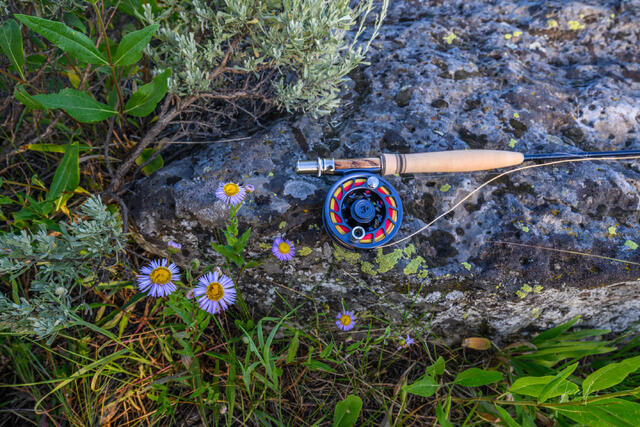
- Rods: I carry a versatile selection: a 9-foot, 4-weight rod for delicate presentations with smaller flies on larger rivers , a 5-weight for general versatility , and a 6-weight for lighter streamer work. For serious streamer fishing, a 7- or 8-weight rod with sinking lines is essential. I also find a trout spey or switch rod invaluable for swinging streamers, particularly in colder months.
- Reels: A large arbor reel is crucial, providing ample backing capacity (100-150 yards) and minimizing tangles. A smooth, reliable drag system is paramount when fighting large fish on light tippet.
- Lines: I stock weight-forward floating lines for dry flies and nymphs , various sinking lines (including a 300-grain) for streamers , and a skagit head for my spey rod. A low-stretch core line is beneficial for detecting subtle takes.
- Leaders & Tippet: A short, strong leader is necessary for turning over heavy streamers. For dry flies and nymphs on selective fish, fine tippet (down to 6x for Last Chance ; generally 5x ) is critical. I prefer fluorocarbon tippet for its invisibility and sink rate in nymphing scenarios.
- Waders & Boots: Chest waders are recommended for deeper sections , along with non-slip wading boots. It's important to note that felt-soled footgear is prohibited in Yellowstone National Park due to aquatic invasive species concerns; I extend this practice to all my fishing to protect the ecosystem.
- Accessories: A good landing net , forceps, nippers , tippet spools , and well-organized fly boxes are indispensable. I always carry floatants , polarized sunglasses (essential for spotting fish and reducing glare), a wide-brimmed hat , bug spray, and bear spray. A waterproof rain jacket and a small waterproof backpack complete my essential kit.
My Final Thoughts on the Henry's Fork – A Lifelong Pursuit
The Henry's Fork is more than just a place to fish; it's a profound teacher for any angler. Its reputation as "the final exam" is well-deserved, as it forces one to elevate their skills, demanding unparalleled precision, patience, and an intimate understanding of entomology and fish behavior. The detailed techniques discussed—from the nuanced dry fly presentations to the intricate nymphing rigs and aggressive streamer tactics—all contribute to this continuous learning process. The river constantly challenges, pushing anglers to refine their craft and adapt to its ever-changing conditions, making it not just a destination, but a place that fosters continuous improvement and a deeper understanding of the sport.
My journey on the Henry's Fork has been one of continuous learning and immense reward. It's a river that demands respect, both for its wild inhabitants and its delicate ecosystem. By embracing ethical angling practices, staying informed about its unique regulations, and supporting the vital conservation efforts of organizations like the Henry's Fork Foundation, we ensure that this incredible fishery remains a "Mecca" for generations to come. The pursuit of its large, smart trout is a lifelong endeavor, one that promises not just the thrill of the catch, but a deeper connection to the wild beauty of Idaho. I hope this guide serves as your trusted companion on your own Henry's Fork adventures, helping you unlock its secrets and experience the true majesty of this unparalleled fly fishing destination.