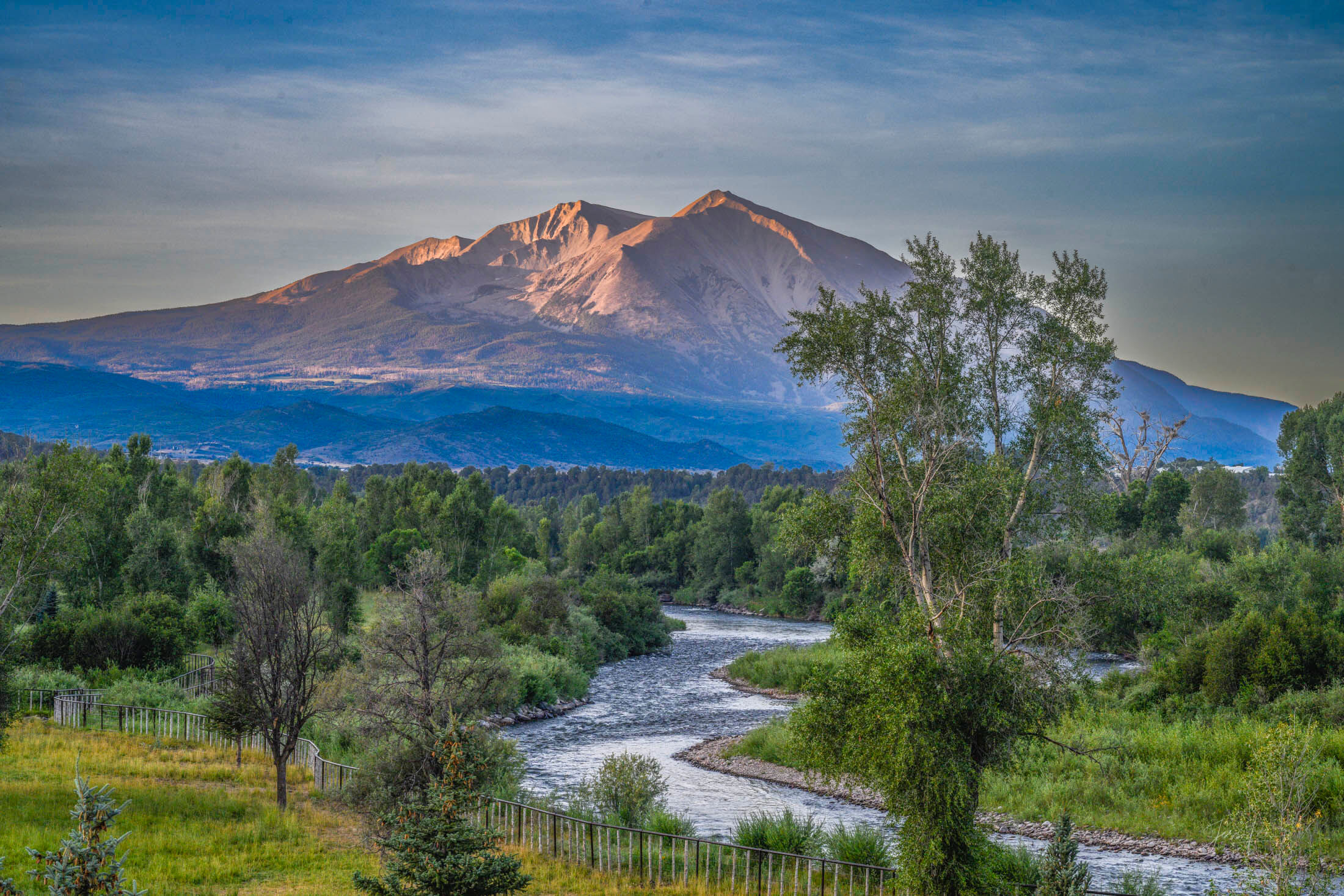
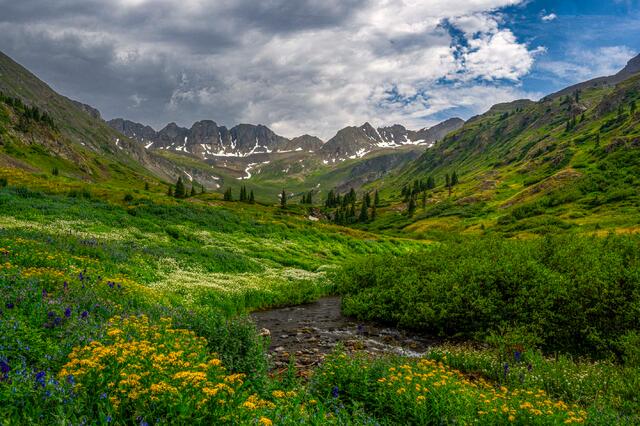
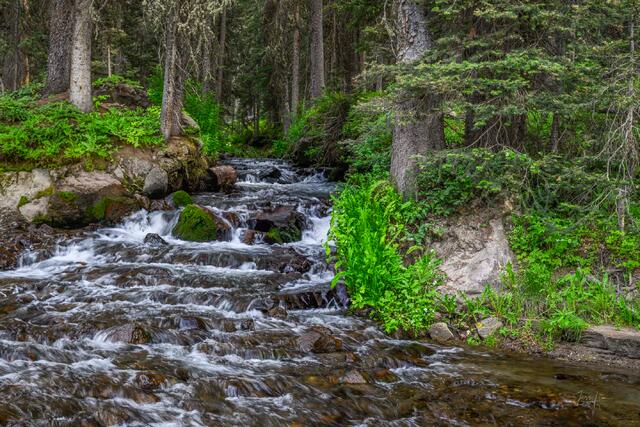
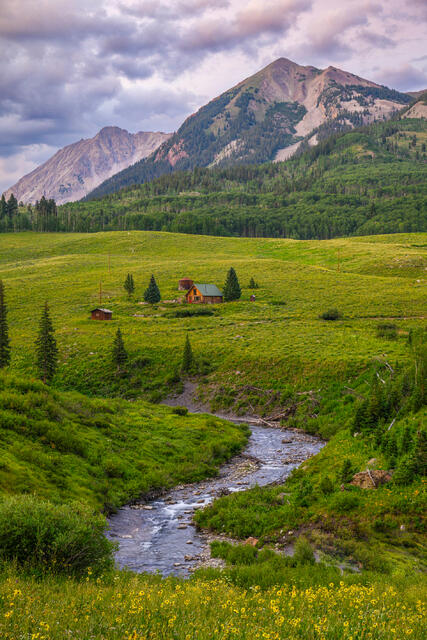
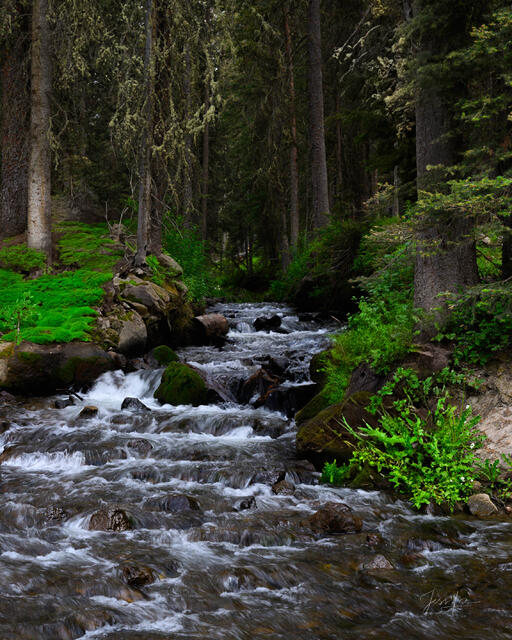
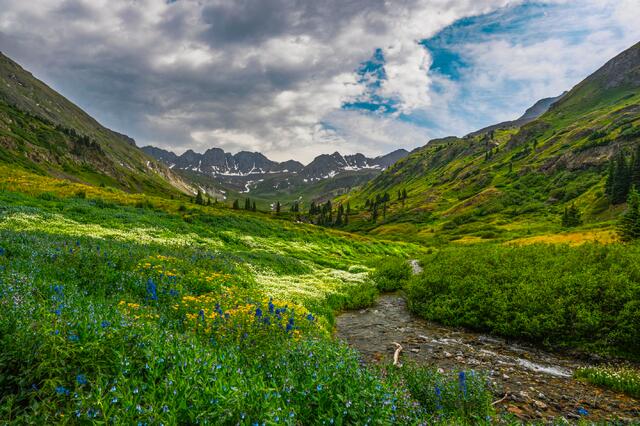
Navigating the varied aquatic environments of Colorado also necessitates an understanding of river typology:
Freestone Rivers: These waterways, exemplified by the Roaring Fork and Arkansas Rivers, derive their flows from natural precipitation and snowmelt. Their conditions, including flow rates, water clarity, and temperature, can fluctuate considerably in response to weather patterns. This inherent dynamism means that trout behavior and feeding patterns are in a constant state of flux, requiring anglers to exhibit significant adaptability in their approach.
Tailwater Rivers: Rivers such as the Frying Pan, South Platte, and Blue River are classified as tailwaters, as they flow downstream from a dam or reservoir. The controlled release of water from these dams typically results in more consistent flows, stable and often colder temperatures (due to water being released from the reservoir's deeper, cooler layers), and generally clearer water conditions. This environmental stability often fosters prolific insect hatches and supports larger, yet more discerning, trout populations, as abundant food and clear water allow fish to become highly selective.
The fundamental difference between freestone and tailwater rivers lies in their flow regulation. Freestones are entirely dependent on natural weather cycles, leading to variable conditions that directly impact trout metabolism and insect life cycles. For instance, stable tailwater conditions can lead to consistent, prolific hatches and larger trout that become highly selective due to clear water and abundant food. Conversely, freestones compel anglers to continuously assess the water and adjust to fluctuating flows and clarity. This can sometimes make fish less particular about fly patterns in certain conditions, such as during higher flows. Therefore, a proficient angler must not only identify the river type but also fully comprehend how that classification dictates the entire fishing strategy. This includes selecting appropriate flies (smaller, more imitative patterns for clear tailwaters; larger, flashier options for off-color freestones), refining presentation techniques (delicate for tailwaters; potentially more aggressive for freestones), and optimizing fishing times (mid-day in cold tailwaters; early or late in warmer freestones). This deep understanding moves beyond simple factual recall about a river to the ability to anticipate and react to its unique character.
The Roaring Fork River: A Freestone Powerhouse
Originating from Independence Pass and winding through Aspen, Basalt, and Glenwood Springs before joining the Colorado River, the Roaring Fork stands as a quintessential freestone fishery. This river demands adaptability from the angler but consistently offers rewarding experiences across its diverse sections.
Locations & Characteristics
The Roaring Fork is broadly divided into three distinct sections, each presenting unique angling opportunities:
Upper Roaring Fork (Independence Pass to Aspen): This upstream section is characterized by its smaller size, abundant pocket water, and faster-moving currents. It is particularly well-suited for wade fishing and offers excellent dry fly action during the warmer months. However, anglers should note that this section is prone to freezing over in winter. The trout population here includes smaller brown, rainbow, cutthroat, and brook trout.
Middle Roaring Fork (Aspen to Basalt): As the river gains volume in this stretch, it develops more pronounced deep pools and riffles. Public access for wade fishing is excellent here, especially near Woody Creek and Jaffe Park.This section is widely regarded as the most scenic portion of the river.
Lower Roaring Fork (Basalt to Glenwood Springs): The lower river is significantly wider and features higher flows, making it predominantly a float fishing destination. This is largely due to the prevalence of private land along its banks. Nevertheless, productive wading spots can still be found near Carbondale, Westbank, and the airport. This section is home primarily to brown and rainbow trout. A significant portion of the Roaring Fork—22 miles below its confluence with the Fryingpan River, extending to the Colorado River in Glenwood Springs—holds Gold Medal status.
Understanding the river's flow is critical for a safe and productive outing. Ideal wading flows range from 100 to 600 CFS (cubic feet per second), depending on the specific location. Flows between 600 and 1,000 CFS present challenging but still possible wading conditions, while anything over 1,000 CFS is generally not recommended for wading. For float fishing, optimal flows are considerably higher, typically between 700 and 2,500 CFS. The upper and middle sections provide superior wade fishing opportunities, whereas the lower river's higher flows make wading more difficult. It is always advisable to check USGS flow gauges before heading out.
As a freestone river, the Roaring Fork's flows are entirely dependent on natural precipitation and snowmelt. This means that successful angling on the Roaring Fork is heavily contingent upon checking current flow conditions before embarking on a trip. High flows can render wading unsafe and alter fish holding patterns, often pushing trout into softer water and closer to the banks. Conversely, lower flows tend to concentrate fish in deeper runs and riffles. This necessitates a real-time assessment of conditions, rather than relying solely on historical hatch charts. The ability to interpret and react to these fluctuating conditions is a hallmark of an experienced angler on freestone systems.
Key Hatches & Timing
The Roaring Fork River offers year-round fishing, with effective tactics shifting with the seasons.
Spring (March-May): As water temperatures begin to rise, fish become more active. Blue Wing Olives (BWOs) are a significant hatch during this period, active from September through winter into April.
Summer (June-August): Following the subsidence of snowmelt runoff in mid-to-late June, the river provides exceptional dry fly fishing opportunities. Key hatches during this prime time include golden stones, caddis, and green drakes. Pale Morning Duns (PMDs) are also active from June to mid-September. Terrestrial insects, such as ants, become important from mid-April through September.
Fall (September-November): This season is notable for aggressive brown trout as they prepare for their spawning period. Cooler temperatures lead to lower and clearer river flows, and BWOs remain an active food source.
Winter (December-February): While the upper reaches near Aspen may become ice-bound, the middle and lower sections of the river typically remain fishable. During these colder months, midges and small nymphs constitute the primary food sources for trout.
Trophy Tactics
Targeting the larger, trophy-sized fish on the Roaring Fork requires specialized techniques tailored to the season and prevailing conditions.
Dry Fly Action: The summer months, particularly after runoff subsides, offer fantastic dry fly fishing, especially when golden stones, caddis, and green drakes are hatching. Specific dry fly patterns that have proven effective include Yellow Sally Trude, Yellow Stimi, Royal Wulff, BDE Drake, Drake Comparadun, Drake Cripple, Caddis Variant, Foam Elk Hairs, Dry Humpers, Stimi's, Chubby Chernobyls, CDC Comparadun PMD, FlagDun PMD, and Polywing Rusty Spinner.
Streamer Fishing: This technique becomes highly effective in the fall, capitalizing on the aggressive behavior of brown trout as they prepare to spawn. Recommended streamer patterns include Jig Thin Mint, Mini Dungeons, Sculpzilla, Goldies, and Ebonies. The Roaring Fork supports year-round fishing, but the tactics change significantly with seasons. Specifically, brown trout become aggressive as they prepare to spawn in the fall, making streamers particularly effective. This contrasts sharply with the summer's focus on dry fly fishing. This behavioral shift is a direct consequence of their biological imperative to reproduce, leading them to seek larger, higher-calorie meals. Furthermore, the cooler temperatures in fall result in lower, clearer flows, which also influences where these fish hold. To target trophy brown trout on the Roaring Fork, the fall season is prime for streamer fishing. This approach moves beyond simply matching a hatch; it exploits a fundamental biological drive. Anglers should concentrate their efforts on traditional brown trout holding lies—undercut banks, deep pools, and significant structure—where these larger, territorial fish are prone to ambush baitfish imitations. This marks a distinct shift from the more delicate dry fly presentations commonly employed during the summer months.
Nymphing: This method remains consistently productive, particularly in the lower river during fall and winter.Effective nymph patterns include Jig Sally, Psycho Prince, Translucent Sally, Tactical Turd, 20Incher, BH Poxyback Drake, Rubberlegs, Licorice Gumdrop, Prince, Soft Hackle PT, Guides Choice HE, Frenchie, Perdigon Orange Quill, Halfback PMD, Poxyback PMD, and Split Case PMD, Lightsabre PMD.
Regulations & Conservation
Anglers on the Roaring Fork River must adhere to specific regulations to ensure the health and sustainability of the fishery. Certain sections of the river are designated with Gold Medal regulations: from Maroon Creek downstream to the upper Woody Creek bridge, fishing is restricted to artificial flies only, and all trout must be immediately released. From the upper Woody Creek bridge downstream to the Fryingpan River confluence, artificial flies and lures are permitted, with a bag and possession limit of two trout, each 16 inches or longer. Beyond these specific rules, catch and release is generally encouraged throughout the river. It is also imperative to follow all local regulations and respect private property boundaries, as much of the river flows through private land, necessitating the use of designated access points.
The Frying Pan River: Tailwater Trout Factory
The Frying Pan River, originating from the Ruedi Reservoir Dam, is a celebrated tailwater fishery renowned for its consistent cold flows and a remarkable abundance of large trout, particularly rainbow trout, which are significantly influenced by a diet of mysis shrimp. This 14-mile stretch, entirely designated as Gold Medal Water, offers some of Colorado's most technical yet profoundly rewarding fly fishing experiences.
Locations & Characteristics
The Frying Pan River presents several distinct fishing environments along its Gold Medal stretch:
Below Ruedi Dam ("Toilet Bowl"): This area is famous for its exceptionally large trout, predominantly rainbows, which achieve impressive sizes largely due to a steady supply of mysis shrimp that pass through the dam. Its easy access often leads to significant crowding.
The Flats (Directly below the Toilet Bowl): This section is characterized by shallow, flat, and wide water, demanding highly technical angling. Trout here are notoriously difficult to spot, and a flawless presentation is paramount. Euro nymphing and the use of very small patterns (size #22 or smaller) with fine 6-8x fluorocarbon tippet are recommended for success.
The Bend Pool: A short, yet productive, natural aquarium-like section where numerous trout, primarily browns, can often be observed stacked along the banks. This area can provide excellent dry fly action during hatches, even in the dead of winter. Larger streamers can entice big fish, particularly during early morning or late evening hours.
Further Downstream (Middle and Lower Pan): As the river progresses downstream, it widens, and flows gradually slow. These sections are notably less pressured and offer a more secluded angling experience. While they require a bit more effort to access, the rewards can be substantial.
The Frying Pan is a tailwater where mysis shrimp, introduced into the reservoir, pass through the dam and become a primary food source for trout. This constant, high-calorie diet is directly responsible for the impressive size and "trophy" potential of the rainbow trout in this fishery. However, the very abundance and consistency of this food source also contribute to the trout becoming exceptionally "selective" and "picky," demanding "technical angling skills" and "flawless technique" from the angler. The presence of mysis shrimp creates a unique feeding dynamic. Anglers must therefore carry specific mysis imitations, such as Candy Cane Mysis, Charlie's Mysis, Tim's Mysis, BTS Mysis, or Miller's Candy Cane Shrimp, typically in sizes 20-24. Furthermore, the fish's high selectivity, a direct consequence of this rich diet, means that even when other insect hatches are occurring, a mysis pattern, fished deep and with a perfectly drag-free drift, can often be the key to success, especially for the largest fish. This scenario serves as a prime example of how a specific food source dictates both the size of the fish and the level of technicality required for successful angling.
The river's water characteristics are largely defined by the dam. The bottom discharge from Ruedi Dam ensures that the river remains consistently cold, even during the hottest summer months, all the way to its confluence with the Roaring Fork. Typical flows in the tailwater section range from 50 to 150 CFS.
Key Hatches & Timing
The Frying Pan River experiences a variety of hatches throughout the year, influencing effective fly selection:
Midges: These insects are important year-round, but their significance increases notably during the winter months.They are typically fished in sizes 20-26. Light Green midge larva and pupa patterns are particularly popular.
Blue-winged Olives (BWOs): The first significant mayfly hatch of the year, appearing from early February through March. They are also active from September to April and are typically found in sizes 16-24.
Salmonflies: A substantial hatch that typically occurs around early May and lasts for two to three weeks.
Pale Morning Duns (PMDs): These mayflies begin hatching around early July and continue through mid-September. They are generally fished in sizes 14-20 , with cripple patterns often proving most effective.
Green Drakes: Present from June to August. In early summer, the epicenter of this hatch is often observed in the Snowmass/Aspen area.
Little Yellow Stoneflies (Yellow Sallies): These stoneflies hatch from July to August and are typically imitated in sizes 12-18.
Caddis: Caddis hatches are active from early May through the end of October.
Terrestrials (Ants): Terrestrial activity, particularly with ant patterns, is important from mid-April through September.
Trophy Tactics
Consistently landing trophy trout on the Frying Pan, especially in its renowned C&R section, demands highly refined techniques.
Technical Nymphing: This is the primary and most effective method for targeting trophy fish, particularly in the C&R section. It requires a keen eye and the ability to execute flawless dead drifts of tiny nymphs. Recommended nymph patterns include Juju Baetis, Slim Pheasant Tail, D-Midge Purple, Tron Emerger, Flash Bang Midge, Mercury Midges, Zebra Midges, Mercury Black Beauties, Mercury Brassies, Tungsten Pheasant Tails, Mighty Mite Baetis, Mercury Pheasant Tails, and Sparkle Wing RS2s.
Sight Fishing: This technique is particularly effective during late winter and early spring when river flows are low and clear, allowing anglers to spot individual large trout.
Light Tippets: The use of fine fluorocarbon tippets, often in the 6-8x range, is highly recommended, especially in the clear, shallow sections like the Flats, where fish can be exceptionally leader-shy.
Streamer Fishing: This method can be effective in the Bend Pool for enticing large brown trout, particularly during early morning or late evening hours.
The Frying Pan, particularly the C&R section, is known for producing "some of the biggest trout in Colorado" , with their growth fueled by a "constant food source" of mysis shrimp and midges. However, this very abundance leads to the fish being "very challenging" and "technical" to catch, as they become "very selective". This highlights a direct relationship: a consistent and rich food supply results in large, healthy fish, but also in highly educated and discerning feeders. Success on the Frying Pan is therefore less about locating fish, as they are plentiful, and more about presenting the
perfect imitation with a perfect drift. This necessitates meticulous fly selection, often involving tiny patterns, the use of long, fine tippets, and a stealthy approach. The river is known to humble even seasoned anglers but offers immense rewards for those who master its technical demands.
Regulations & Conservation
The entire 14-mile stretch of the Frying Pan River from the Ruedi Reservoir Dam down to its confluence with the Roaring Fork River is classified as Gold Medal Water. This designation imposes specific angling regulations: fishing is restricted to artificial flies and lures only. Furthermore, all rainbow trout caught must be immediately released, while for brown trout, a bag limit of two fish up to 14 inches long is permitted. Anglers are also reminded of the critical importance of avoiding wading on cleared gravel beds, known as redds, to protect freshly fertilized trout eggs and ensure the future health of the fishery. Adhering to catch and release principles, packing out all waste, and practicing Leave No Trace ethics are strongly encouraged to preserve this precious resource.
The South Platte River: Front Range Trophy Haven
The South Platte River, particularly its renowned tailwater sections such as Deckers, Cheesman Canyon, and the Dream Stream, stands as arguably Colorado's most celebrated fly fishing destination. It offers exceptional year-round opportunities for large brown and rainbow trout. Its close proximity to Denver contributes to its immense popularity, which in turn leads to significant angling pressure.
Locations & Characteristics
The South Platte River features several distinct and highly productive sections:
Deckers: This area is recognized as a world-class fishery, offering easy access and abundant angling opportunities.The prime fishing stretch extends from Bridge Crossing downstream to the lower boundary of the Tee Pee Club.Trout in this section typically range from 10 to 24 inches, consistently yielding large fish. Due to its accessibility, Deckers can be quite crowded, especially in the areas immediately above the Deckers bridge. Optimal flows for fishing in the Deckers area are between 150 and 400 CFS.
Cheesman Canyon: Located near Deckers, Cheesman Canyon is known for its challenging terrain and a population of large trout. Access to this section typically requires a hike, which helps to mitigate some of the crowding seen elsewhere. The fish here are particularly spooky and demand perfectly drag-free drifts through complex, multi-current environments. Cheesman Canyon is predominantly a nymph fishery, where success hinges on using small flies and being highly sensitive to subtle takes on indicators.
Dream Stream (Charlie Meyers State Wildlife Area): This world-famous stretch is celebrated for its trophy-sized rainbow, brown, and cutthroat trout, with peak fishing often occurring during their spawning seasons. The Dream Stream is situated between Spinney Mountain and Eleven Mile Reservoirs.
The river's overall characteristics include a diverse mix of riffles, runs, shelves, gravel bars, and excellent pocket water. It flows through a dense pine forest, characterized by a gravelly riverbed in many areas.
The South Platte is highly accessible from Denver, which leads to significant crowding. Despite this pressure, the river consistently produces sizable and large trout. However, these fish are described as challenging to catch, spooky, and picky.This suggests that while high angling pressure does not necessarily reduce fish size (due to the stable tailwater conditions and stocking efforts), it does increase their wariness and selectivity, thereby demanding a higher level of skill from the angler. Consequently, anglers targeting trophy fish on the South Platte must prioritize stealth, precise presentations, and accurate matching of the prevailing insect hatches. It is not sufficient to merely be in the correct location; the execution of the cast and drift must be flawless. This also implies that seeking out less-pressured areas, such as Cheesman Canyon (despite the required hike), or fishing during off-peak times like early mornings or weekdays, can significantly improve success rates for larger, less-pressured fish.
Key Hatches & Timing
The South Platte River offers diverse angling opportunities year-round, with various insect hatches influencing tactics:
Year-Round Importance: Midges are crucial throughout the year, with their importance peaking from fall through spring. Mayflies are consistently present, and Caddis are significant from spring through fall. Stonefly nymphs are a year-round food source.
Summer: This season sees hatches of Tricos, Midges, Blue-Winged Olives (BWOs), Yellow Sallies, and Caddis.Hoppers are active from June to September, and Ants from April to October. Dry fly fishing is particularly good in the late morning and late afternoon. Pale Morning Duns (PMDs) are also prominent in July.
Fall: BWOs and Tricos are key hatches during this period. Green Drakes and Yellow Sallies can be found on the lower river , and Caddis continue to be a factor. Brown trout become aggressive as they prepare to spawn in mid-October.
Winter: Midges dominate the insect activity , with BWOs also present.
Trophy Tactics
Successfully targeting trophy trout on the South Platte demands highly refined techniques and meticulous attention to detail.
Nymphing: The majority of fish caught on the South Platte are taken by skilled nymphers. This technique requires the use of small flies (typically size 20-24), fine diameter tippet (5-7x fluorocarbon), and frequent adjustments to fishing depth. Tungsten head point flies or heavier split shot are often necessary to ensure flies reach the desired depth quickly. Effective nymph patterns include Mercury Midges, Bling Midges, Top Secret Emergers, Chocolate Thunders, RS2s, small Baetis patterns, Mercury Pheasant Tails, Barr Emergers, Black Beauties, Rojo Midges, Rainbow Warriors, and South Platte Brassies. Attractor patterns such as UV scuds, worms, cranefly larvae, and brown or olive leeches can also be highly effective.
Dry Fly Fishing: Excellent dry fly opportunities arise in the late morning and afternoon, particularly when hatches are active. Recommended dry flies include Adam's, No Mercy Midge, Mole Flies, Matt's Midge, and Griffith's Gnats. Matching the prevailing hatch is paramount for success with dry flies.
Streamer Fishing: Mini leeches can be effective in enticing trout when other patterns fail. Streamers are also particularly effective for targeting aggressive fall-run brown trout.
Stealth & Presentation: Given the spooky and selective nature of the trout, achieving perfect drag-free drifts through complex multi- and cross-currents is essential. When water levels are lower, using smaller indicators can also improve presentation.
The South Platte River is often referred to as the "Graduate School of Fly-Fishing for PH. D. Trout". This description is not merely hyperbole; it refers to fish that are "well-educated" and "challenging to catch" due to constant angling pressure and consistently clear water. This situation demands a strategy of micro-adaptations from the angler. This includes downsizing flies, using finer tippets, frequently adjusting fishing depth, and executing perfectly drag-free drifts. For trophy trout on the South Platte, it is not sufficient to merely identify the correct insect hatch; the manner in which that imitation is presented is critical. This necessitates mastering advanced casting techniques, such as the reach cast, to achieve immediate drag-free drifts. It also requires precise weight adjustments and keen observation to detect the most subtle takes. Anglers must be prepared to switch patterns and adjust depths frequently until they discern precisely what the fish are keying on at any given moment.
Regulations & Conservation
Several sections of the South Platte River are designated as Gold Medal Water, including the Middle Fork, stretches below Cheesman Reservoir Dam, and the area from the north boundary of the Wigwam Club to Scraggy View Picnic Ground. Specific regulations for the Deckers area permit the harvest of two trout over 16 inches, with fishing restricted to flies and lures only. However, catch and release is strongly encouraged for all fish caught in this area. Generally, much of the South Platte's water is protected, and catch and release practices are almost always preferred and often mandated by regulation.
The Blue River: Urban Tailwater Challenge
The Blue River, particularly its section near Silverthorne below Dillon Reservoir, stands as a unique urban tailwater fishery. It is celebrated for its clear, stable flows and the consistent opportunity to catch trophy rainbow trout. Despite its easy accessibility, the fish in the Blue River are notoriously selective due to constant angling pressure.
Locations & Characteristics
The Blue River offers several accessible and distinct fishing zones:
Silverthorne Outlet Section: This area provides classic urban tailwater angling, characterized by picky yet plentiful trout. Wading is generally easy, making it a very popular zone.
Blue River Trail – Town Stretch: This section offers opportunities for active hatches and sight-fishing. Wading is moderate, though anglers should be aware of slick rocks.
Below I-70 – Lower Town Exit: This area features pocket water and typically experiences less angling pressure. Wading here is more technical and can vary significantly with flow conditions.
North of Town – Toward Silverthorne Rec Center: This stretch offers reduced pressure but is home to particularly spooky fish, demanding technical drifts. Despite the challenge, it provides beginner-friendly access points.
The river's water characteristics are defined by its tailwater nature. Flows below Dillon Dam are consistently crystal clear.Water temperatures typically range from 44°F to 48°F. As a tailwater, the Blue River remains fishable even during runoff periods, as its flows are regulated and tend to stay relatively stable and clear.
The Blue River's urban setting and easy access contribute to its immense popularity. However, the trout in this river are consistently described as "picky," "spooky," and requiring "technical angling skills". This creates a paradox where accessibility does not translate to easy fishing. The constant human presence and the inherent clarity of tailwater environments lead to a population of highly educated and wary trout. Therefore, anglers seeking trophy trout on the Blue River must master stealth and precision. This involves maintaining a low profile, moving slowly and deliberately, minimizing any disturbances, and executing flawless casts with light tippets and small flies. The Blue River serves as a proving ground for technical skills, where even a slight drag in the line or an errant splash can cause fish to scatter.
Key Hatches & Timing
The Blue River experiences a variety of insect hatches throughout the year:
Midges: These insects are important year-round, but their significance increases from September through winter into April. They are typically imitated in sizes 16-24.
Baetis (Blue Wing Olives): Active from September through winter to April. They also appear as a secondary hatch in May , with typical sizes ranging from 16-24.
PMDs (Pale Morning Duns): These are the main hatch in June and are active from June to mid-September. They are generally fished in sizes 14-20.
Caddis: The main hatch in July , with activity extending from early May to the end of October. They are typically imitated in sizes 10-20.
Terrestrials: These insects are important from mid-April to September. This category includes Hoppers (June-September), Ants (mid-April-September), Beetles (May-September), and Flying Ants (mid-August-mid-September).
Trophy Tactics
Successfully targeting trophy trout in the Blue River demands a high degree of precision and specific tactical approaches.
Precision & Downsizing: Anglers should employ long leaders, typically 5X or 6X tippet, and should not hesitate to downsize their flies, as trout here are highly selective.
Nymphing: This technique is crucial for success. Anglers should use tiny midges and tungsten-weighted flies to ensure their presentations reach the necessary depths, focusing on technical seams where fish hold. The Mercury Midge (size 22) has proven to be a consistently effective pattern.
Dry Fly Fishing: Targeting late-day risers with small mayflies is a productive strategy. The upstream reach cast is a valuable technique for achieving drag-free drifts. The Parachute Adams (size 20) is particularly deadly for trout sipping flies in slick water.
Streamer Fishing: This method becomes effective when skies are overcast. Anglers should fish white or olive patterns, concentrating their efforts on undercut banks and deeper slots where larger fish may be ambushing prey.The Baby Gonga (white or olive, size 10) is a recommended streamer pattern.
Regulations & Conservation
The Blue River near Silverthorne operates as a catch-and-release fishery, and anglers are strongly encouraged to use barbless hooks to minimize harm to the fish. Below Dillon Dam, regulations specifically mandate the use of artificial flies and barbless hooks only. It is imperative to respect private property boundaries along certain sections and to utilize only designated public access points. A 19-mile stretch of the Blue River north of Silverthorne notably lost its Gold Medal status in 2016 due to impaired fish habitat and a lack of essential nutrients. This delisting served as a significant "wakeup call" to the local community regarding the ongoing need for conservation efforts, even in managed waters. This situation underscores that while tailwaters offer consistent conditions, they are not immune to environmental challenges and require continuous stewardship.
The Arkansas River: Colorado's Longest Gold Medal Stretch
The Arkansas River proudly holds the distinction of having Colorado's longest continuous stretch of Gold Medal Water, extending for an impressive 102 miles. This makes it a premier destination for wild brown trout and offers a wide array of diverse angling experiences. As a large freestone river, its conditions naturally fluctuate, necessitating an adaptive and informed approach from the angler.
Locations & Characteristics
The Arkansas River can be divided into several key sections, each offering distinct opportunities:
Upper Arkansas (Leadville to Parkdale): This extensive section is officially designated as Gold Medal Water.Historically, it was significantly impacted by mining runoff, but extensive habitat restoration efforts and a cooperative flow management program have transformed it into a world-class fishery. Wild brown trout are a primary target species in this stretch. River flows are carefully managed to provide optimal conditions for recreational activities, such as rafting in summer, and stable flows crucial for trout spawning and egg incubation during the fall and winter months.
Middle Arkansas (near Salida): This section is known for its abundant insect life throughout the year. It is characterized by medium popularity and difficulty, with relatively easy accessibility.
Lower Arkansas (Salida to Pueblo Reservoir, near Canon City): This section offers easily accessible water, making it an excellent choice for beginner fly anglers. It is particularly famous for its prolific hatches that originate in the canyon area and extend upstream.
The Arkansas River is classified as a large freestone river. While flows can be high from late spring to early summer due to snowmelt, the clarity of the headwaters remains exceptional.
The Arkansas River's Gold Medal status and its designation as the state's "longest reach" of such water are directly attributable to the "Voluntary Flows Management Program" (VFMP). This program, a collaborative effort involving Colorado Parks and Wildlife (CPW), various water districts, and Trout Unlimited, meticulously manages water releases to benefit both recreational users, such as rafters, and the critical trout habitat, including spawning grounds and the flushing of toxins and sediment. The river even benefits from transbasin diversions from the Frying Pan River, which provides "extra water" that enhances operational flexibility. The Arkansas River thus serves as a prime example of how active, collaborative water management can successfully rehabilitate and sustain a world-class fishery, even within a region prone to water scarcity. For the angler, this translates to more predictable conditions within a freestone system, with specific flow regimes optimized for different times of the year (e.g., maintaining at least 700 CFS for summer rafting and ensuring lower, stable flows for fall spawning). This detailed understanding of managed flows enables anglers to strategically plan their trips for optimal success.
Key Hatches & Timing
The Arkansas River experiences a diverse array of insect hatches throughout the seasons:
Midges: These insects are present year-round but are most important from September through winter into April.They are typically imitated in sizes 16-24.
Mayflies: Aside from Blue Wing Olives, mayflies are most active from May to August.
Blue Wing Olive (BWO): Active from September through winter to April. Sizes 16-24.
Pale Morning Dun (PMD): Present from June to mid-September. Sizes 14-20.
Caddis: Caddis hatches occur from early May through October. Prolific hatches are particularly common in late spring and early summer. They are typically imitated in sizes 10-20 , with Elk Hair Caddis (sizes 14-18) being a staple pattern.
Stoneflies: Stonefly adult patterns can be fished with confidence from May to September.
Golden Stone: Active from June to August. Sizes 8-14.
Yellow Sally Stonefly: Active from mid-June to August. Sizes 12-18. Yellow Sally nymph patterns (sizes 14-16) are particularly effective during their hatch.
Salmonfly: Present from mid-May to mid-July. Sizes 6-14.
Terrestrials: Terrestrial insect activity is important from mid-April to September. This includes Ant Patterns (mid-April-September, sizes 14-18), Beetles (May-September, sizes 14-18), Hoppers (June-September, sizes 8-16, with Morrish Hopper and Parachute Hoppers being effective), and Flying Ants (mid-August-mid-September, sizes 14-18).
Trophy Tactics
Targeting the larger, trophy-sized trout on the Arkansas River often involves specific techniques that capitalize on their predatory nature.
Streamer Fishing for Browns: Anglers heavily rely on streamers for pursuing hefty brown trout. Go-to patterns include Woolly Buggers, Sculpzillas, and Dungeons (sizes 4-8). Using sink-tip lines and stripping streamers through deep pools, pockets, and undercut banks is highly effective. Varying the retrieve speed and incorporating erratic twitches can often trigger aggressive strikes. Darker colors like black or olive are effective in low-light conditions. The Arkansas is known for its "hefty brown trout" and is considered one of the best "wild brown trout habitats". The recommended tactics for these larger browns heavily emphasize streamer fishing. This indicates that trophy browns, being apex predators, are often keyed into larger prey items such as baitfish, leeches, or crayfish, rather than exclusively focusing on insect hatches. The guidance to "strip streamers through deep pools, pockets, and undercut banks" and to "vary your retrieve speed and don't be afraid to use some erratic twitches" directly mimics the predatory behavior of larger fish. For the expert angler, this means that a dedicated trophy hunt for browns often shifts the focus to "throwing meat." This approach requires a different mindset and specialized gear, such as heavier rods and sink-tip lines, to effectively present and retrieve larger, more aggressive patterns. The most opportune times for this strategy are frequently during periods of low light, such as early morning, late evening, or on overcast days, or when the water is slightly off-color.
Nymphing: This is often the most productive technique, particularly during non-hatch periods or when fish are holding in deeper water. A suspender rig, with a larger, heavier nymph (e.g., stonefly or Hare's Ear) as the lead fly and a smaller, more imitative dropper (e.g., Pheasant Tail or Copper John), is a common and effective setup. Other effective patterns include Pheasant Tails, Hare's Ears, Prince Nymphs, and Copper Johns (sizes 14-18) , as well as San Juan Worms.
Dry Fly Fishing: This method is excellent during prolific caddis and BWO hatches. Elk Hair Caddis, Parachute Adams, and BWO patterns (sizes 18-22) are essential flies. Attractor patterns like Royal Wulffs, Humpies, and Stimulators can entice strikes even when no specific hatch is occurring. Skating Stimulators across the surface can provoke explosive strikes.
Adapting to Flow: The river's flow conditions can change, necessitating adjustments in fly selection, fishing depth, and presentation techniques.
Regulations & Conservation
The Arkansas River's Gold Medal Water designation spans from its confluence with the Lake Fork of the Arkansas, near Leadville, downstream to Parkdale at the U.S. 50 bridge crossing. This 102-mile stretch is the longest continuous Gold Medal section in Colorado. Regulations can vary along different portions of this extensive stretch, so anglers should always check specific section rules. Adherence to catch and release practices, packing out all waste, and following Leave No Trace principles are strongly encouraged to preserve the river's health and beauty.
The Colorado River: A Western Classic
The Colorado River offers a quintessential Western fly fishing experience, providing outstanding opportunities for large trout across its diverse sections. These range from high-elevation freestone headwaters to wider, slower lower stretches.The river features designated Gold Medal sections and a variety of water types, making it a versatile destination for anglers.
Locations & Characteristics
The Colorado River's character evolves significantly along its course, influencing angling strategies:
Upper Colorado (Fraser River to Troublesome Creek, near Hot Sulphur Springs): This section is characterized as a large freestone river with excellent public access. It holds Gold Medal Water designation from the Fraser River to Troublesome Creek. The primary species are brown and rainbow trout, typically ranging from 13 to 17 inches.Fishing here can be "downright incredible" when conditions are favorable.
Middle Colorado (Kremmling to Glenwood Springs): This stretch features larger water, supports bigger fish, and offers an increased abundance of food sources. It also includes Gold Medal Water from Canyon Creek to Rock Creek.
Lower Colorado (Below Glenwood Springs): As the river progresses downstream, it becomes slower and warmer. This section is known for holding some "absolute pigs"—exceptionally large trout.
The Colorado River is predominantly a large freestone river.
The Colorado River is described as evolving across its sections: the Upper is a freestone with 13-17 inch fish, best targeted with dries and nymphs, and often requiring technical wading. The Middle section features bigger water, larger fish, and more abundant food. The Lower section becomes slower and warmer, holding exceptionally large trout. This natural progression of the river's character, as it gains volume and descends in elevation, directly influences the size and behavior of the fish, as well as the most effective angling techniques. Therefore, an expert angler planning a trip on the Colorado River should carefully consider which section aligns best with their target species, preferred fishing methods, and tolerance for crowds or accessibility challenges. The Upper Colorado typically demands more precise dry fly and nymph work, while the Middle and Lower sections are better suited for larger patterns and more aggressive streamer fishing, particularly for bigger, potentially less selective fish, especially during low light conditions or when the water is off-color. This understanding of the "river evolution" is crucial for strategic trip planning.
Key Hatches & Timing
The Colorado River experiences a variety of insect hatches throughout the year:
Midges: Important year-round, particularly from September through winter into April. Sizes 16-24.
Mayflies: Most active from May to August.
Blue Wing Olive (BWO): Active from September through winter to April. Also a major fall hatch. Sizes 16-24.
Pale Morning Dun (PMD): Present from June to mid-September. Sizes 14-20.
Caddis: Caddis hatches occur from early May through October. Sizes 10-20. Elk Hair Caddis are particularly effective during summer hatches.
Stoneflies: Stonefly adult patterns can be fished with confidence from May to September.
Golden Stone: Active from June to August. Sizes 8-14.
Yellow Sally Stonefly: Present from mid-June to August. Sizes 12-18.
Salmonfly: Active from mid-May to mid-July. Sizes 6-14.
Terrestrials: Terrestrial insect activity is important from mid-April to September. This includes Hoppers (June-September), Ants (mid-April-September), Beetles (May-September), and Flying Ants (mid-August-mid-September). For fall fishing, Pearl Hippie Stomper, Army Ant, Chubby Chernobyl, and Parachute Black Ant are recommended patterns.
Trophy Tactics
Targeting trophy trout on the Colorado River often involves aggressive techniques, particularly in its larger sections.
Streamer Fishing: This method is highly effective for trophy fish, especially in the fall. Anglers should use 6 or 7-weight rods with 6-foot 0x leaders. Large articulated flies in olive, white, brown, or black are productive, and throwing double streamers can also be effective. Recommended patterns include Muddler Minnow, Sculpzilla, Black Woolly Bugger, Peanut Envy, Thin Mint, Mini Dungeon, Sparkle Minnow, Double Bunny, Mirrored Minnow, Mo-Hair Leeches, Slump Busters, Strung Out Leeches, Bush’s Dad, The Thing, and The Big Nasty. Retrieves should vary, incorporating fast strips, dead-drifts, or jiggy twitches. Targeting eddies, rocks, boulders, and deep pools is key. Fishing parallel to the bank or even upstream can also be effective. The Colorado River, particularly its middle and lower sections, is characterized by "bigger water, bigger fish" and is home to "absolute pigs". The consistent recommendation for these sections, especially when pursuing trophy fish, is streamer fishing. This indicates that in larger river environments, big trout often become opportunistic predators, primarily keying into larger prey items rather than solely insects. The descriptions of "stripping fast, dead-drifting, or giving it some jiggy twitches" and "provoking a reaction" align with triggering a predatory instinct. When targeting trophy fish on the Colorado, the approach shifts from "matching the hatch" to actively "provoking a strike." This involves using larger, more aggressive streamer patterns, often on heavier rods and sinking lines, and focusing on structure where large fish ambush prey. The visual impact of a fish "smashing" a streamer makes this a thrilling and highly effective method for targeting the river's largest residents.
Nymphing: This technique is effective year-round. Recommended patterns include Pat's Rubber Legs, Guide's Choice Hare's Ear, Two-Bit Hooker, Rainbow Warrior, RS2, Pheasant Tail, and Zebra Midge. Using heavier nymphs and tungsten weights is crucial for reaching deeper holding lies.
Dry Fly Fishing: Effective dry fly patterns include Parachute Adams, Elk Hair Caddis, Chubby Chernobyl, Extended Body BWO, and Griffith's Gnat.
Runoff Strategies: During periods of high flows, anglers should use heavier line, larger or flashier flies (such as a chartreuse trout bead), and focus on soft pockets or newly formed side channels where fish seek refuge from turbulent currents. High flows can also dislodge trophy fish that typically hold close to the bottom.
Regulations & Conservation
The Colorado River features multiple Gold Medal Water sections: from the Fraser River to Troublesome Creek, and from Canyon Creek to Rock Creek. It is important to note that specific regulations can vary along different stretches of the river, so anglers should always consult the local regulations for the area they intend to fish. Practicing catch and release is strongly encouraged to help sustain the fish populations.
The Gunnison River: Canyon Giants
The Gunnison River, particularly its Black Canyon and North Fork sections, is a formidable fishery renowned for its challenging access but exceptional rewards, including very large rainbow and brown trout. It is a designated Gold Medal Water that demands skill, preparation, and a willingness to explore rugged terrain.
Locations & Characteristics
The Gunnison River offers diverse angling environments across its various sections:
Black Canyon of the Gunnison: This section holds both Gold Medal and Wild Trout Water designations. It is celebrated for phenomenal fishing but is notorious for its "brutal hike in and out". Anglers planning to camp in the canyon require permits, and access fees apply. While floating is possible, it demands significant experience due to safety concerns and the extreme difficulty of rescue access within the canyon. This section is home to "ginormous rainbow and brown trout". Fishing is prohibited within 200 yards downstream of Crystal Dam.
North Fork of the Gunnison (near Hotchkiss): This section is predominantly private, with public access available primarily around Pleasure Park. It is a large river, primarily yielding brown trout and some rainbows in the 12-20 inch range. Stoneflies are abundant in this river.
Smith Fork: Often overlooked, the upper reaches of the Smith Fork hold populations of cutthroat trout. This area can be a good option for anglers seeking to avoid crowds.
The Gunnison River is classified as a large freestone river. Although it is dammed in several areas, its overall character and fishing dynamics largely resemble those of a freestone system.
The Black Canyon section of the Gunnison is consistently described as offering "phenomenal fishing" and "ginormous" trout, but it comes with the caveat of a "brutal hike in and out". This direct correlation between difficult access and the presence of large, less-pressured fish is a recurring pattern observed in many premier trophy fisheries. The physical effort required to reach these areas naturally deters casual anglers, allowing the fish to grow larger and become less wary of human presence. For the expert angler willing to undertake the physical challenge, the Black Canyon offers a significantly higher probability of encountering truly trophy-sized fish. This approach is not merely about locating fish, but about finding
less pressured fish. The angling strategy shifts from outwitting highly educated trout to simply reaching them in their prime, undisturbed habitat.
Key Hatches & Timing
The Gunnison River supports a rich diversity of insect hatches throughout the year:
Midges: Important year-round, particularly from September through winter into April. Sizes 16-24.
Mayflies: Most active from May to August.
Blue Wing Olive (BWO): Active from September through winter to April. Also present in early spring (March-April). Sizes 16-24.
Pale Morning Dun (PMD): Present from June to mid-September. Sizes 14-20. Lingers into July-August.
Green Drakes: Active from June to August. Sizes 8-14.
Caddis: Caddis hatches occur from early May through October. Sizes 10-20. Also present in early spring (March-April) and linger into July-August.
Stoneflies: Stonefly adult patterns can be fished with confidence from May to September.
Little Black Stone: Active from January to May. Sizes 16-20.
Golden Stone: Present from June to August. Sizes 8-14. Emergence occurs from late May to June.
Yellow Sally Stonefly: Active from mid-June to August. Sizes 12-18. Lingers into July-August.
Salmonfly: Present from mid-May to mid-July. Sizes 6-14. Emergence occurs from late May to June.
Terrestrials: Terrestrial insect activity is important from mid-April to September. Hoppers typically peak in July-August.
Trophy Tactics
Successfully targeting trophy trout in the Gunnison River, particularly its larger specimens, often involves aggressive and strategic approaches.
Streamer Fishing: This is considered the best method for catching the "biggest fish" and "apex predators" in the Gunnison. Streamers are effective year-round, but particularly shine during early spring runoff, late fall pre-spawn, and after summer rains. Recommended patterns include Sex Dungeon, Sculpzilla, and articulated Peanut Envy.Natural olive, black, and white colors are standard, but anglers should not shy away from bold flash, as Gunnison trout can be surprisingly reactive to color contrast. Streamers should be stripped through deep pools, undercut banks, and structured areas. Using sink-tip lines or weighted flies helps to ensure patterns reach the desired depth.Woolly Buggers are also a consistently effective choice. The Gunnison River is home to "bruiser browns and hefty rainbows" , particularly within the Black Canyon. The recommended technique for these fish is streamer fishing, which is described as a "mindset" focused on "provoking a reaction" rather than merely matching a hatch. This indicates that the largest trout in this system are primarily piscivorous (fish-eating) and respond best to aggressive, imitative patterns that mimic injured baitfish or other large prey. The emphasis on "boldness" in fly selection and casting further reinforces this predatory focus. To consistently catch trophy trout in the Gunnison's deeper, more structured waters, anglers must embrace streamer fishing as a primary tactic. This involves using larger, often articulated patterns, concentrating on ambush points such as undercut banks, logjams, and deep pockets, and varying retrieve speeds to trigger strikes. It is typically a high-impact, lower-numbers game that specifically targets the biggest and most aggressive fish.
Nymphing: This technique is highly productive on the Gunnison. Anglers can employ dead-drift presentations under indicators or utilize Euro-nymphing with tight-line setups. Focus should be on deep pockets and areas with significant changes in depth. Effective patterns include Hare's Ear Nymph, Pheasant Tail Nymph , Zebra Midge, RS2 , Pat's Rubberleg, Prince Nymph, Rainbow Warrior, Mercury Midge, Mercury Baetis, and Copper John.
Dry Fly Fishing: This method can be effective during active insect hatches. Recommended patterns include Elk Hair Caddis and Adams. The Chubby Chernobyl is a good choice for summer dry fly fishing.
Regulations & Conservation
The Gunnison River holds Gold Medal Water status in several key sections: from Almont to the U.S. 50 bridge, and from 200 yards downstream of Crystal Reservoir Dam to the North Fork of the Gunnison. Within the Gold Medal sections of the Black Canyon, specific regulations apply: fishing is restricted to artificial flies or lures only, all rainbow trout must be immediately released, and the daily bag limit for brown trout is four, with a possession limit of eight. Anglers are strongly encouraged to practice catch and release, pack out all waste, and adhere to Leave No Trace principles to preserve the river's pristine environment.
The Animas River: Southwestern Trophy Potential
The Animas River, carving its path through the stunning San Juan Mountains, is a dynamic freestone river that offers diverse habitats and the compelling potential for trophy brown trout. This potential is particularly realized when employing strategic streamer tactics. A notable 4-mile stretch of the river, flowing directly through Durango, is officially designated as Gold Medal Water.
Locations & Characteristics
The Animas River presents varied angling opportunities across its sections:
Headwaters Section (near Silverton): This upper section is highly fishable and supports populations of rainbow, brown, and brook trout. It is characterized by medium popularity and difficulty, with relatively easy access.Notably, this section remains fishable despite a 2015 waste spill into Cement Creek, a main tributary that joins the Animas downstream of Silverton.
Upper Section (near Durango): This is an excellent freestone river offering a variety of fish species. While often challenging to access due to the surrounding canyon, it provides extensive habitat for trout. Miles of public access are available. Trout in this section typically range from 10 to 15 inches, but with diligent effort, anglers can find sizeable brown trout. The 4-mile Gold Medal stretch runs from Lightner Creek to the Rivera Crossing Bridge.
The Animas River is classified as a medium freestone river. Its conditions are consistently changing, with fluctuations in water clarity, temperature, and flow levels.
The Animas River's Gold Medal status has faced challenges from factors such as heavy metals leaching from abandoned mines, elevated water temperatures, sediment loading, and urban runoff, all of which have negatively impacted natural fish reproduction. Despite these ongoing issues, the river continues to offer "endless habitat" and supports "sizeable browns" , relying in part on annual stocking by Colorado Parks and Wildlife (CPW). This situation highlights the inherent resilience of the fishery and the continuous management efforts required to sustain it. This also underscores the importance of responsible angling practices, including strict adherence to catch and release protocols and proper fish handling, to support both the stocked and wild populations, particularly given the difficulties observed in natural reproduction.
Key Hatches & Timing
The Animas River experiences a range of insect hatches throughout the year:
Midges: These insects are present year-round but are most important from September through winter into April.They are typically imitated in sizes 16-24.
Mayflies: Most active from May to August.
Blue Wing Olive (BWO): Active from September through winter to April. Also present earlier in the year.Sizes 16-24.
Pale Morning Dun (PMD): Present from June to mid-September. Sizes 14-20. PMDs are particularly active in July.
Green Drakes: Active from June to August. Sizes 8-14.
Mahogany Dun: Present from September to October. Sizes 10-16.
Tricos: Appear in late summer, particularly on Ute water. Sizes 18-22.
Caddis: Caddis hatches occur from early May through October. Sizes 10-20. Green Caddis Larva, Caddis Pupa/Emergers, Peacock Caddis, and Elk Hair Caddis (sizes 14-16) are effective patterns.
Stoneflies: Stonefly adult patterns can be fished with confidence from May to September.
Golden Stone: Active from June to August. Sizes 8-14. While present, golden stones are not abundant.
Yellow Sally Stonefly: Active from mid-June to August. Sizes 12-18. Also not abundant.
Salmonfly: Present from mid-May to mid-July. Sizes 6-14. Salmonflies are rare.
Stonefly Nymphs: Pat's Rubberlegs (sizes #4-12) and 20 Incher Stones (sizes 8-12) are effective.
Terrestrials: Terrestrial insect activity is important from mid-April to September. This includes Hoppers (June-September), Ants (mid-April-September), Beetles (May-September), and Flying Ants (mid-August-mid-September). Morrish Hopper and Parachute Hoppers are good patterns.
Trophy Tactics
Targeting trophy trout on the Animas River, particularly its larger brown trout, often involves specific and aggressive approaches.
Heavy Streamers for Browns: This is considered the best method for catching 20+ inch fish, largely due to the abundance of sculpin in the river. Black, olive, or brown sculpin patterns are highly recommended. White streamers can be effective when fingerlings are stocked. Anglers should focus on working transition water (from deep to shallow, or shady to sunny) and around large rocks. Patterns such as the double bugger or peanut envy are also effective. Streamer fishing is often most productive early or late in the day, and on overcast days. The Animas River's "abundance of sculpin" is directly linked to the effectiveness of "heavy sculpin style streamers" for catching "the biggest fish" and "sizeable browns". This indicates that a specific food source is driving the growth and predatory behavior of trophy brown trout in this river. For the expert angler, this means prioritizing sculpin imitations in their streamer box when fishing the Animas. Understanding the sculpin's bottom-dwelling, ambush-predator nature will inform retrieve techniques—short, erratic strips, pauses, and targeting structure where sculpin typically hide. This represents a more refined approach than general streamer fishing, specifically tailored to the unique forage base of the Animas's trophy brown trout.
Covering Water: Given the miles of public access available, anglers should be prepared to cover significant ground. A recommended strategy is to make 2-3 casts per fishable area before moving upstream to the next promising spot.
Dry Flies and Nymphs: While streamers target the largest fish, dry flies and nymphs will consistently yield many catches. Effective dry fly patterns include Parachute Adams (sizes 12-18). For nymphing, recommended patterns include PMD nymphs, RS-2s, and PMD Emergers/Dries (sizes 16-18). Attractor nymphs such as Copper Johns (sizes 8-16), CDC Pheasant Tails (sizes 14-18), RS-2s (sizes 16-22), Hare's Ears (sizes 14-18), and Duracell (sizes 12-16) are also effective , as are San Juan Worms.
Regulations & Conservation
A 4-mile stretch of the Animas River, specifically from Lightner Creek to the Rivera Crossing bridge, is designated as Gold Medal Water. Anglers are strongly encouraged to adhere to catch and release practices, pack out all waste, and follow Leave No Trace principles to ensure the long-term health and sustainability of the fishery.
The Taylor River: Mysis-Fed Monsters
The Taylor River, particularly its Catch & Release (C&R) section below Taylor Park Reservoir—affectionately known as the "Hog Trough"—is celebrated for producing some of Colorado's largest trout. These fish often weigh between 8 and 12 pounds and can exceed 20 inches in length. This section is a highly technical tailwater where mysis shrimp and midges form the cornerstone of the trout's diet, contributing to their impressive size and extreme selectivity.
Locations & Characteristics
The Taylor River offers distinct angling experiences across its various sections:
Catch & Release (C&R) Section / "Hog Trough" (below Taylor Park Reservoir): This short, approximately quarter-mile section is renowned for its trophy trout. Fish here are exceptionally large, often weighing 8-12 pounds, with some specimens much larger, exceeding 21 inches. Their diet consists of a constant supply of mysis shrimp and midges. This section is highly challenging and demands advanced technical angling skills due to the fish's extreme selectivity. The fish are known to be very discerning.
Lower Section (near Almont): This area boasts some of the highest fish counts in the state, with populations of brown, rainbow, cutthroat, and cutbow trout of various sizes. While predominantly private land, some clearly marked public access exists up to the dam. Float fishing is possible when flows are sufficiently high.
Upper Section (above Taylor Park Reservoir): This pristine area features beautiful trout waters within national forest lands, offering opportunities for privacy and seclusion. It is home to wild brown trout, as well as rainbow and brook trout.
The Taylor River is characterized by consistent cold flows, a result of bottom releases from Taylor Reservoir. It is a medium-sized river with a diverse structure, including deep pools, pocket water, riffles, and runs. Wading in many sections can be difficult, necessitating the use of a wading staff for safety.
The Taylor River's C&R section is a "trophy trout water" where fish "fatten quickly on a diet of tiny midges, mayflies, and Mysis shrimp". Despite their impressive size, catching them is "no easy task," requiring "flawless technique" and a "keen eye" for "tiny nymphs". This indicates an extreme level of selectivity, where the abundance of a consistent, small food source (mysis) allows trout to become incredibly discerning. The presence of mysis shrimp in the Taylor River's tailwater section, combined with the fish's rapid growth on this rich diet, creates a unique scenario where the trout become exceptionally wary and selective. This means that success here is not about finding fish, as they are plentiful, but about perfecting micro-presentations. Anglers must focus on ultra-technical nymphing, employing the smallest mysis and midge patterns (typically sizes 20-24), often with delicate 7X tippet, and ensuring absolutely drag-free drifts. This environment demands a high level of patience and meticulous attention to detail from the angler.
Key Hatches & Timing
The Taylor River experiences a consistent progression of insect hatches:
Midges & Mysis Shrimp: These form a constant food source for trout year-round. Midges are particularly important from September through winter into April , typically in sizes 16-24. Mysis patterns, such as Candy Cane Mysis, Charlie's Mysis, Tim's Mysis, BTS Mysis, and Miller's Candy Cane Shrimp, are effective in sizes 20-24.
Blue Wing Olive (BWO): Active in spring and fall , specifically from September through winter to April. Sizes 16-24. The Film Critic BWO is a recommended pattern.
Caddis: Caddis hatches occur from early May through October. Sizes 10-20. Missing Link Caddis, Puterbaugh Caddis, and Corn Fed Caddis are effective patterns.
Golden Stoneflies: Present from June to August. Sizes 8-14. Royal and Yellow Stimulators, and Chubby Chernobyl's are effective dry fly imitations.
PMDs (Pale Morning Duns): Active from June to mid-September. Sizes 14-20.
Green Drakes: Present from June to August. Sizes 8-14.
Trico Mayflies: Active from mid-July to mid-September. Sizes 18-26.
Mahogany Dun: Present from September to October. Sizes 10-16.
Terrestrials: Important from mid-April to September. This includes Hoppers (June-September), Ants (mid-April-September), Beetles (May-September), and Flying Ants (mid-August-mid-September). The Parachute Ant Black is a recommended pattern.
Trophy Tactics
Consistently landing trophy trout in the Taylor River, particularly in the "Hog Trough," requires highly specialized and precise techniques.
Ultra-Technical Nymphing: This is the primary and most effective method for targeting trophy fish in the C&R section. It demands a focus on dead-drifting tiny nymphs with flawless technique. Recommended patterns include Juju Baetis, Slim Pheasant Tail, D-Midge Purple, Tron Emerger, Flash Bang Midge , Tungsten Pheasant Tails, Mighty Mite Baetis, Mercury Pheasant Tails, Sparkle Wing RS2s, Zebra Midges, Mercury Black Beauties, and Mercury Brassies.
Dry Fly Fishing: While nymphing is dominant, dry flies can be effective during active hatches. Mole Flies, Film Critic BWO, Parachute Adams, and Corn Fed Caddis are recommended patterns. Most dry fly takes occur on midge patterns in sizes 20-26.
Streamer Fishing: This can be productive, especially in the Canyon section of the river. Patterns such as Swim Coach, Sculpzilla, and Thin Mints have proven successful.
Wading Staff & Chest Waders: These are highly recommended for safety due to the often difficult wading conditions in the river.
The C&R section is explicitly referred to as the "Hog Trough" and is known for delivering an "ego check" because the fish are "very selective" and will "humble even the best angler". This highlights not just the fish's pickiness, but the profound psychological challenge posed by consistently large, highly educated trout in a confined, heavily fished area. The constant food source, primarily mysis shrimp, means these fish do not
need to expend energy on a poorly presented fly. For the expert angler, this translates to approaching the Taylor C&R with humility and a willingness to accept failure as part of the learning process. It is a place to refine the most minute details of presentation—casting accuracy, leader turnover, micro-mends, and the detection of the most subtle takes. It serves as a test of ultimate technical proficiency, where every cast is a high-stakes proposition for a truly massive fish.
Regulations & Conservation
The Taylor River holds Gold Medal Water status from the Taylor Park Reservoir dam downstream to Almont. The upper section immediately below the dam is specifically designated as catch-and-release (C&R) water. Anglers are urged to avoid wading on cleared gravel beds, known as redds, to protect fertilized trout eggs. Adhering to catch and release principles, packing out all waste, and practicing Leave No Trace ethics are strongly encouraged to ensure the long-term health and vitality of this precious fishery.
Mastering Trophy Trout: Advanced Techniques & Mindset
Consistently landing trophy trout in Colorado transcends mere knowledge of rivers and their hatches. It demands a sophisticated understanding of trout behavior, a mastery of advanced angling techniques, and an unwavering commitment to ethical angling practices.
Reading Water: Identifying Lies, Current Seams, and Feeding Lanes
Trout are highly efficient organisms, instinctively seeking areas where they can expend minimal energy while maximizing their food intake. Their chosen locations are strategically determined by factors such as current strength, food availability, and the presence of protective cover.
Slow, Deep Pockets: Trout exhibit a preference for these areas, as they offer concealment from predators and provide a steady delivery of oxygen and food with minimal effort on the fish's part. During winter, when water temperatures are very cold, trout retreat to slow, deep pools to conserve energy and reduce their metabolic rate.
Oxygenated Runs & Riffles: When water temperatures are optimal (typically in the mid-fifties), trout become more active and are frequently found in faster, well-oxygenated runs and pocket water, where they can feed multiple times throughout the day. The presence of lines of bubbles or foam on the surface often indicates areas of high oxygen concentration and food accumulation, signaling prime feeding lies.
Cover: Trout utilize various forms of cover, including large rocks, submerged logs, and undercut banks, for both protection and ambush points. Fish will frequently hold along seams where faster currents meet slower water, allowing them to conserve energy while waiting for food to drift by.
The consistent observation that a trout's primary objective is to expend the least amount of energy while obtaining the most amount of food represents a fundamental biological principle. This principle directly dictates where fish position themselves (their "seasonal lies") and when they choose to feed. For example, in cold water, trout will instinctively conserve energy by holding in deep pools. Conversely, in warmer, well-oxygenated water, they will relocate to faster runs to actively feed. Therefore, reading water is not simply about identifying physical structures; it is about understanding the underlying biological rationale for a trout's position. An expert angler leverages knowledge of water temperature, flow rates, and the time of year to accurately predict where the most actively feeding (and thus most catchable) fish will be holding. This predictive capability, rooted in the energy-efficiency principle, is a definitive characteristic of advanced water reading.
Precision Casting & Presentation: Stealth, Drag-Free Drifts, and Advanced Casts
In the clear, often shallow waters inhabited by trout, achieving precision in casting and presentation is paramount. Trout are inherently wary and easily spooked.
Stealth is a Must: To avoid alarming fish, anglers must maintain a low profile, move slowly and deliberately, wear drab or muted colors that blend with the natural environment, keep their shadow off the water, and speak softly. It is also crucial to avoid kicking up sediment, which can signal danger to wary trout. Multiple sources emphasize stealth and soft, drag-free presentations. The statement that "if they see you, your shiny fly reel, or even the shadow of your fly rod waving through the air, you can forget about catching them" highlights the extreme wariness of educated trout. This goes beyond a basic understanding of "don't spook the fish" to an active, conscious effort to become virtually "invisible" to the trout. For trophy trout, the battle is often won before the cast is even made. Mastering stealth involves not just moving quietly, but also understanding how light, shadow, and movement are perceived underwater. Precision casting, particularly techniques like the reach cast, becomes a tool for achieving this invisibility, allowing the fly to land and drift naturally without alerting the fish. This holistic approach to stealth is critical for consistently fooling large, wary fish.
Soft Presentations: A harsh or "slapped" line landing on the water will typically scare fish away. Anglers should minimize false casting and strive for delicate, soft landings of their fly and line to avoid disturbing the fish.
Drag-Free Drifts (Dead Drifts): A fly presentation that exhibits unnatural drag will cause fish to flee. Achieving a perfectly drag-free drift is especially critical in tailwater environments, where fish are highly discerning.
Reach Cast (Mend Cast): This advanced casting technique is highly efficient for presenting dry flies or dry-dropper rigs. It involves incorporating an in-air mend during the forward cast, which allows the fly to land with immediate slack upstream, facilitating a longer, drag-free drift.
Steeple Cast: This cast is particularly useful in situations where there is limited room for a traditional backcast, such as when faced with obstacles like trees or steep banks. It involves bringing the line up vertically over the angler, stopping early, and then powering forward.
Nymphing Strategies: Deep Water, Indicator Rigs, Euro Nymphing, Tandem Rigs
Nymphing is a highly effective technique for targeting trout, especially when they are feeding below the surface.
Deep Nymphing: Trout often feed subsurface, and weighted flies or added split shot are necessary to reach them.Tungsten jigs and other weighted fly patterns are particularly effective for quickly getting flies to depth.
Tandem Rigs (Two-Fly Nymph Rigs): These setups are exceptionally effective, often accounting for a significant majority of trout caught. A common and successful approach is to use a larger attractor nymph as the lead fly, followed by a smaller, more imitative match-the-hatch nymph as a dropper.
Indicator Nymphing: While common, trout can sometimes be wary of indicators. Well-floating, highly visible indicators, such as Thing-a-ma-bobbers, are recommended. Balloons can also serve as effective indicators due to their sensitivity and minimal impact on the water's surface.
Euro Nymphing: This specialized technique is highly effective for detecting subtle bites in swift currents. It utilizes long, sensitive rods and heavy nymphs to maintain direct contact with the flies and feel the slightest take.
Depth Adjustment: Continuously adjusting the fishing depth is crucial as anglers move through different runs, tailouts, and shelves, as fish may hold at varying depths.
Short vs. Long Rigs: The choice between "long and light" and "short and heavy" nymph rigs depends on the water type. "Long and light" rigs, typically with 10-14 foot leaders, are effective in 1-4 feet of water, slow inside bends, shallow riffles, and slow tailouts, allowing flies to sink slowly and remain in the strike zone longer. "Short and heavy" rigs are best suited for pocket water, turbulent boils, heavy currents over sharp shelves, or when fish are holding at a very specific depth, as they allow flies to reach depth almost immediately.
Winter trout are described as "extraordinarily selective," and their strikes are often "very subtle and easily missed". This characteristic extends to educated fish throughout the year. The advice to "watch for opening mouths and flashes" and to "set at the slightest bump" indicates that trophy trout frequently do not aggressively strike a fly. This necessitates constant observation and a willingness to "dial it in" —continually adjusting depth, weight, and fly patterns until a successful combination is found. Nymphing for trophy trout is therefore a game of extreme sensitivity. Anglers must develop the ability to interpret minute changes in their indicator or line, as well as subtle visual cues from the fish. This "dialing in" process is iterative and requires significant patience, as the fish's preferred depth and pattern can change throughout the day or even within a single run.
Streamer Fishing: Aggressive Retrieves, Color Selection, Targeting Structure
Streamer fishing is often the most effective method for targeting larger brown trout. These flies are designed to imitate larger prey items such as smaller fish, leeches, and crayfish.
Best Times: Streamer fishing is particularly effective during the early and late seasons, on overcast days, and especially in the fall when brown trout become aggressive in preparation for spawning. It can also be highly productive during runoff conditions.
Color Selection: Olive and tan are standard and reliable colors for streamers. Darker flies are generally more effective on overcast days or in off-color water, while brighter flies tend to perform better on brighter days or in clearer water. Black or olive colors are often preferred in low-light conditions.
Retrieve: Varying retrieve speed and incorporating erratic twitches are crucial for enticing strikes. Anglers can strip streamers fast, dead-drift them, or employ jiggy twitches. A slower retrieve may be more enticing in colder water or during periods of low fish activity, while a faster, more erratic retrieve can trigger aggressive strikes in warmer water or when fish are more active.
Targeting Structure: Focus on fishing around deep pools, undercut banks, submerged logs, and other forms of cover where large trout ambush prey. Fishing tight seams near banks can also be highly productive.
Flies: A wide array of patterns is effective, including Wooly Bugger, Thin Mint, Delekta’s Screamer, Zonker, Mini-loop Sculpin, Sculpzilla, Articulated Fat Head, Articulated Boogie Man, Articulated Sex Dungeon, Articulated Mini Dungeon, Home Invader, Dirty Hippy , Muddler Minnow, Peanut Envy, Sparkle Minnow, Double Bunny, Mirrored Minnow, Mo-Hair Leeches, Slump Busters, Strung Out Leeches, Bush’s Dad, The Thing, and The Big Nasty.
Streamer fishing is often described as "provoking a reaction" and is the preferred method for targeting "apex predators".The technique frequently involves "aggressive" stripping and "erratic twitches" , and is most effective when fish are already "aggressive" or "mad". This shifts the angler's focus from passively imitating a natural drift to actively mimicking injured or fleeing prey, directly appealing to the trout's predatory instincts. For trophy trout, especially large browns, streamer fishing is a proactive rather than reactive technique. It is about triggering an aggressive take, not a subtle sip. This requires confidence in the retrieve, a willingness to experiment with speed and action, and a focus on the strongholds of dominant fish. It is a method that often yields fewer fish but significantly larger ones.
Dry Fly Mastery: Matching the Hatch, Attractor Patterns, Twitching
Dry fly fishing offers some of the most visually exciting and rewarding experiences in fly fishing, particularly when targeting trophy trout.
Matching the Hatch: This remains a crucial principle for dry fly success, especially in clear water environments where trout can be highly selective. Anglers should diligently observe the water for rising fish or the presence of flying insects to identify the prevailing hatch.
Attractor Patterns: These flies can often entice strikes even when no specific insect hatch is occurring. Patterns such as Royal Wulffs, Humpies, and Stimulators are effective general attractors.
Twitching/Movement: For larger stoneflies and terrestrials, imparting subtle movement or "giving life" to the fly can often trigger strikes from bigger, more aggressive fish. Twitching hoppers or streamers has also proven to be highly effective.
Flies: Common and effective dry fly patterns include Parachute Adams, Elk Hair Caddis, PMDs, BWOs, Green Drakes, Golden Stones, Yellow Sallies, Hoppers, Ants, and Beetles, among many others, with specific patterns and sizes varying by river and season.
While matching the hatch is a fundamental aspect of dry fly success, the concept of "giving life" to larger patterns or "twitching" them to provoke strikes suggests moving beyond passive imitation. This active presentation is particularly effective for larger, more aggressive fish. Dry fly fishing for trophy trout is not always about achieving a perfect, static dead drift. Sometimes, a subtle twitch or a slight skate across the surface can effectively mimic a struggling or escaping insect, thereby triggering a more aggressive take from a larger, opportunistic fish. This adds another layer of artistry and strategic thinking to dry fly presentation, requiring the angler to experiment with active retrieves even on the surface.
Table 2: Colorado Trout River Hatch Chart (Seasonal Overview)
Insect Type
General Hatch Period
Key Rivers (Examples)
Typical Sizes
Recommended Patterns (General)
Midge
Year-Round
All Rivers (esp. Tailwaters)
#16-26
Zebra Midge, Mercury Midge, Black Beauty
BWO
Spring (Mar-May), Fall (Sept-Oct)
All Rivers
#16-24
Parachute BWO, CDC Comparadun BWO, RS2
Caddis
Spring-Fall (May-Oct)
Roaring Fork, Frying Pan, Arkansas, Colorado, Blue, Gunnison, Animas, Taylor
#10-20
Elk Hair Caddis, Missing Link Caddis, Corn Fed Caddis
PMD
Summer (June-Sept)
Roaring Fork, Frying Pan, South Platte, Arkansas, Colorado, Blue, Taylor, Animas, Gunnison
#14-20
Parachute PMD, FlagDun PMD, PMD Cripple
Golden Stone
Summer (June-Aug)
Roaring Fork, Arkansas, Colorado, Gunnison, Taylor, Animas
#8-14
Royal Stimulator, Chubby Chernobyl, Pat's Rubber Legs
Salmonfly
Early Summer (May-Jul)
Frying Pan, Arkansas, Colorado, Gunnison, Animas
#6-14
Sofa Pillow, Rubber Legs, Yuk Bugs
Green Drake
Summer (June-Aug)
Roaring Fork, Blue, Gunnison, Animas
#8-14
Drake Comparadun, Drake Cripple, Furimsky’s Gray Foam Drake
Hopper
Summer-Fall (Jun-Sept)
Arkansas, Colorado, Blue, Gunnison, Animas
#8-16
Morrish Hopper, Chubby Chernobyl, Parachute Hopper
Ant
Spring-Fall (Apr-Oct)
Arkansas, Colorado, Blue, Gunnison, Animas
#14-18
Parachute Ant, Flying Ant, Harrop's CDC Ant
Beetle
Summer-Fall (May-Sept)
Arkansas, Colorado, Blue, Gunnison, Animas
#14-18
Fat Albert, Crystal Flash Foam Beetles
Trico
Late Summer (Jul-Sept)
South Platte, Arkansas, Taylor, Animas
#18-26
Trico Spinner, Trico Dun, Trico Nymph
Mysis Shrimp
Year-Round (Tailwaters)
Frying Pan, Taylor
#20-24
Candy Cane Mysis, Charlie's Mysis, Miller's Candy Cane Shrimp
Export to Sheets
Table 3: Trophy Trout Techniques Summary
Technique
Primary Target
Key Principles
Recommended Flies (General Examples)
Technical Nymphing
Selective Tailwater Trout, Wary Fish
Stealth, Drag-Free, Deep Presentation, Micro-adjustments
Mercury Midge, Juju Baetis, Tungsten Pheasant Tail
Streamer Fishing
Aggressive Browns, Large Predators
Erratic Retrieve, Color Selection, Targeting Structure
Sex Dungeon, Sculpzilla, Woolly Bugger
Dry Fly Match-the-Hatch
Rising Fish, Selective Feeders
Matching Size/Color/Profile, Delicate Presentation
Parachute Adams, PMD Cripple, Elk Hair Caddis
Dry Fly Attractor/Provocation
Opportunistic Trout, Aggressive Takes
Movement/Twitching, High Visibility, Larger Profile
Chubby Chernobyl, Royal Wulff, Stimulator
Export to Sheets
Ethical Angling & Conservation: Preserving Colorado's Legacy
As experienced anglers, our responsibility extends far beyond the immediate thrill of the catch. It encompasses a profound commitment to the preservation and enhancement of these invaluable natural resources for the benefit of future generations. Adhering to ethical angling practices and actively participating in conservation efforts is paramount to fulfilling this stewardship.
Catch & Release Best Practices
The careful handling of fish during catch and release is critical for their survival and the long-term health of the fishery.
Barbless Hooks: The use of barbless hooks, or the practice of pinching down barbs on existing hooks, significantly reduces injury to the fish and facilitates quicker, easier hook removal. While this may occasionally result in losing a fish during the fight, it is a small trade-off for the long-term survival of the trout.
Minimize Fight Time: Employing a tippet strong enough to land the fish quickly is essential. A prolonged fight can exhaust trout, making their recovery more difficult and increasing post-release mortality. Anglers should strive to bring fish in as swiftly as possible, avoiding overplaying them to the point of exhaustion.
Wet Hands & Rubber Net: Fish possess a delicate protective slime coating that acts as a defense against infections and disease. Handling fish with dry hands can remove this vital layer, rendering the trout more susceptible to illness. Therefore, always wet hands thoroughly before touching a fish. The use of a rubber net is also recommended, as it is significantly gentler on a fish's skin and fins compared to traditional mesh nets.
Keep Fish in Water: Whenever feasible, anglers should endeavor to remove the hook while the fish remains submerged. If it is necessary to lift the fish for a photograph, this should be done quickly (ideally no more than 15-30 seconds out of water) and with extreme gentleness. A useful guideline is to hold one's breath while the fish is out of water; if the angler needs to breathe, so does the fish.
Proper Hook Removal: Forceps or small needle-nose pliers should be used for quick and efficient hook removal.If a fish is deeply hooked, the line should be cut just above the lure, rather than attempting to pull the hook out, which can cause severe internal damage.
Allow Self-Release: When releasing a fish, avoid forcefully pushing it back into the water. Instead, gently cradle the trout in the net or hands and allow it to swim away under its own power when it is ready. Holding the fish facing upstream into the current can help it regain equilibrium and oxygenate its blood, facilitating a stronger recovery.
Water Temperature Guidelines: It is critically important to refrain from fishing when water temperatures exceed 66-67 degrees Fahrenheit. Such high temperatures cause extreme physiological stress to trout, making the hooking and releasing process particularly difficult and often fatal. Brown trout generally exhibit a slightly higher tolerance for warmer water than rainbow trout.
The detailed guidelines for catch and release 1 and the explicit warnings regarding high water temperatures 2 collectively underscore the inherent fragility of trout and their aquatic habitats.