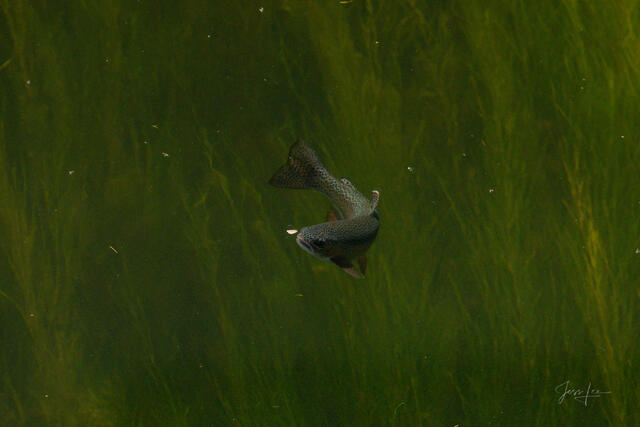
The South Platte River: Deckers – A Tailwater Masterclass
The Deckers section of the South Platte River stands as a prime example of Colorado's world-class tailwater fisheries. Located approximately 60 to 90 minutes from Denver, it offers miles of publicly accessible water teeming with brown and rainbow trout, many of which can exceed 20 inches in length. This stretch, celebrated for its challenging yet immensely rewarding angling, demands precision, patience, and a thorough understanding of subsurface tactics.
River Characteristics & Prime Sections
The prime fishing stretch at Deckers extends from Bridge Crossing downstream to the lower boundary of the Tee Pee Club, offering extensive public access. The river's physical composition is remarkably diverse, featuring a dynamic mix of riffles, runs, shelves, gravel bars, and excellent pocket water, which together provide varied environments for trout to hold and feed. The river bottom itself is a blend of gravel and larger river stones, contributing to the varied habitat.Optimal flows for successful fishing in the Deckers area are generally considered to be between 150 and 400 cubic feet per second (cfs). Recent reports indicate flows around 246-252 cfs, which are considered ideal for trout fishing in this area. The explicit mention of an "optimal flow" range (150-400 cfs) is more than just a hydrological data point; it is a critical determinant of trout behavior. Trout are inherently efficient organisms, constantly seeking holding lies that offer ample oxygen and food while minimizing energy expenditure against the current. When flows are lower, such as the reported 252 cfs, trout tend to concentrate in riffles and faster currents. This concentration, in turn, can make them less spooky and more actively feeding due to the increased delivery of food. This establishes a direct causal relationship: specific flow rates lead to predictable trout distribution and feeding patterns, which directly informs an angler's strategic approach. Anglers should not merely observe current flow rates but actively interpret what those rates mean for trout behavior. Low flows suggest focusing efforts on faster, oxygenated water, while understanding that higher flows might push fish towards slower banks and eddies. This emphasizes the dynamic, rather than static, nature of river fishing.
Access Points & Navigating Crowds
Deckers is highly accessible, a significant factor in its popularity and frequent crowding, particularly given its close proximity to Denver and Colorado Springs. Public access is extensive, offering miles of fishable water. Key access points include Deckers Bridge, the Bridge Crossing day-use area, and Scraggy View Picnic Area. Despite the crowds, it is often possible to find less pressured water by driving further along the river. The dual description of Deckers as a "world-class fishery" with "easy access" but also "often pretty crowded" highlights a common dilemma in popular fisheries. While the abundance of fish is a draw, heavy angling pressure can make trout warier and more challenging to catch. The advice to "find open water" by exploring further or considering less accessible sections like Cheesman Canyon (which requires a hike) directly addresses this trade-off. This suggests that the "challenging to catch" nature of Deckers trout is amplified by human presence. Successful angling in highly popular Gold Medal Waters like Deckers often necessitates a strategic approach to minimize interaction with other anglers and target less-pressured fish. This may involve sacrificing some convenience for a more rewarding and solitary fishing experience, underscoring the importance of adapting to human factors as much as environmental ones.
Seasonal Hatches & Matching the Micro-Diet
Deckers is renowned for its prolific midge, mayfly, and caddis hatches, which occur year-round. Year-round staples include Midges, which are present throughout the year but are most effective from fall to spring. Common colors for midge patterns include black, white, and olive, typically in sizes 20-22. Blue-winged Olives (BWOs) are also present year-round, with strong hatches occurring in spring and fall, particularly on overcast days. Sizes 20-22 are common for BWO imitations. Caddisflies are active from spring to fall, with common sizes ranging from 16-20.
Seasonal highlights for Deckers include Pale Morning Duns (PMDs), which are active mid-morning, especially on overcast days. Tricos typically appear in the late morning and late afternoon. Yellow Sallies and Green Drakes can be found on the lower river. Terrestrials, such as Hoppers, are effective from June to September, while Ants are productive from April to October. Subsurface attractors like Cranefly Larva, San Juan Worms (in pink, red, and brown), and Scuds (in grey, pink, orange, and olive) are effective year-round, particularly when flows rise. Leeches, especially mini leeches in brown and olive, also serve as excellent attractors. While dry fly fishing opportunities exist, the data strongly suggests that "a good nympher will catch the majority of fish". This is supported by the consistent emphasis on "small flies" (sizes 20-24) and "micro flies". The year-round prevalence of midges and BWOs, often requiring tiny imitations, points to a consistent subsurface food base. Furthermore, the effectiveness of "UV scuds, worms, cranefly larvae, stoneflies, and brown and olive leeches" as "great attractors" confirms that trout frequently key on subsurface food forms, even when adult insects are visible on the surface. Anglers targeting Deckers should prioritize nymphing techniques and carry a comprehensive selection of small subsurface patterns. This means being prepared to fish deep and precisely, even during periods of seemingly active dry fly hatches, as trout may still be feeding primarily sub-surface.
Techniques for Deckers' Wary Trout
Mastering the nymph rig is paramount for success on the Deckers section of the South Platte. A "good dead drift" is essential, with "no substitution" for it, given the clear water and the highly educated nature of the fish. Deep presentations are key to catching more fish. Anglers should utilize heavier split shot or larger tungsten head point flies to ensure their flies reach the feeding zone quickly, adjusting depth frequently as conditions change. Small flies are critical for success in these pressured waters , with anglers advised to downsize their patterns to sizes 20-24, especially during warmer weather.Fluorocarbon tippets in 5X, 6X, and even 7X are recommended for nymphing due to their invisibility and strength.Strikes are often very subtle, requiring a keen eye for any unusual movement, such as an opening mouth or a flash, indicating a take. Recommended nymph patterns include: #8 Pat's Rubber Legs (as an attractor or lead fly), #20-22 Jujubaetis, #18-20 Top Secret Baetis, #20-22 Top Secret Midge, #20-22 Black Beauty, #18-20 Pale Olive Midge Larva, #20-22 Chocolate Foam Wing Emerger, #20-22 Mercury Midge, Splitcase BWO, Epoxyback Baetis, BTS Baetis, CDC RS2s, Mayhems, CDC RS-2, Guides Choice HE, CDC PTail, Barr Emerger PMD, Poxyback PMD, Halfback PMD, Tunghead Pheasant Tail, Rojo Midge, Bead Head Brassie, and Juan's Money Midge. If the micro-flies and midges are not producing, consider switching to "attractor" patterns like scuds, leeches, eggs, or San Juan worms. Mini leeches are particularly effective for enticing trout when other patterns fail.
While nymphing dominates, good dry fly fishing opportunities can occur, typically in the late morning and late afternoon.Overcast days are noted for producing the best hatches and subsequent dry fly action. Recommended dry flies include: #20 Sparkle Dun, #22-24 Trico Spinner, #14 Yellow Sally, #18 Barr Emerger, PMD, #18 Mole Fly, Adams, Griffith's Gnats, Matt's Midge, and No Mercy Midge. When reading the currents, anglers should note that with lower flows, fish tend to concentrate in riffles and faster water, making these areas prime targets. Anglers should also focus on the complex multi- and cross-currents created by the large granite boulders, as these often create prime feeding lanes. Tailwaters like Deckers are characterized by consistent, nutrient-rich water flows, which contribute to the growth of large trout but also make them notoriously "spoiled" and "choosy". This directly translates into the angling demands: the need for "perfect drag free drifts," the use of "small flies," fish being "indicator and split shot shy," and the necessity of "smaller diameter tippet". The causal link is clear: the consistent, high-quality food source and clear water allow trout to become highly discerning, demanding the utmost finesse in presentation. Anglers fishing Deckers must prioritize presentation and stealth above all else. Even a minor drag on the line or a slightly visible tippet can be enough to spook these highly educated fish, making the mastery of delicate techniques paramount for consistent success.
Conservation & Regulations
The Deckers section of the South Platte River is designated as Gold Medal Water. Current regulations permit a bag and possession limit of two trout over 16 inches in length, and fishing is restricted to artificial flies and lures only. Despite the harvest limit, catch and release is strongly encouraged for all fish caught in this area to maintain the quality of the fishery.Anglers are advised to refrain from fishing if the water temperature exceeds 66-67 degrees Fahrenheit. This is crucial to reduce stress on trout, especially during the hooking and releasing process, as fish are not actively feeding in such warm conditions. Brown trout are noted to withstand warmer water temperatures better than rainbows. The emphasis on "bright fish" and "quality fishing areas" is directly supported by the conservation measures and regulations in place. The practices of catch and release, and strict adherence to water temperature limits are not merely rules but direct contributions to the health and long-term viability of the trout population. The explicit instruction to cease fishing at high water temperatures because "fish are not eating much in these conditions, and fishing for them would cause more harm than voluntarily not fishing" directly links ethical practice to fish welfare and the preservation of future angling opportunities. For the expert angler, success extends beyond the immediate catch to responsible stewardship. Adhering to ethical angling practices, including careful fish handling and environmental awareness, is fundamental to ensuring that these world-class trout fisheries remain vibrant for future generations.
Table 1: Deckers (South Platte) Key Hatches & Recommended Flies
Hatch/Food Source
Season/Timing
Type(s)
Size Range
Specific Patterns (Examples)
Midges
Year-Round (Fall-Spring Best)
Nymph, Emerger, Dry
20-22, 20-24
Top Secret Midge, Black Beauty, Mercury Midge, Polywing Midge Adult, Zelon Midge, Rojo Midge, Bead Head Brassie, Juan's Money Midge, Matt's Midge, No Mercy Midge, Griffith's Gnats
Blue-winged Olives (BWOs)
Year-Round (Spring/Fall Peaks)
Nymph, Emerger, Dry
20-22, 20-24
Jujubaetis, Top Secret Baetis, Splitcase BWO, Epoxyback Baetis, BTS Baetis, CDC RS2s, Mayhems, CDC RS-2, Para Quill BWO, Adams
Pale Morning Duns (PMDs)
Summer (Mid-Morning Peak)
Nymph, Emerger, Dry
18-20, 14-20
Barr Emerger PMD, Poxyback PMD, Halfback PMD, Sparkle Dun, Flag Dun PMD, Melon Quill, CDC Biot Comparadun
Tricos
Summer (Late Morning/Afternoon)
Spinner
22-24
Trico Spinner, Adams, Griffith's Gnats
Yellow Sallies
Summer
Nymph, Dry
14
Yellow Sally, Yellow Stimi
Green Drakes
Summer
Nymph, Dry
10-12
(Lower River)
Caddis
Spring-Fall
Larva, Pupa, Adult
16-20
Caddis Variant, Stimi's, Elk Hair Caddis
Hoppers
June-September
Dry
6-16
(Terrestrial)
Ants
April-October
Dry
14-20
(Terrestrial)
Beetles
Summer-Fall
Dry
14-18
(Terrestrial)
Cranefly Larva
Year-Round (High Flows)
Nymph
-
(Attractor)
San Juan Worms
Year-Round (High Flows)
Nymph
-
Pink, Red, Brown (Attractor)
Scuds
Year-Round
Nymph
-
Grey, Pink, Orange, Olive (Attractor)
Leeches
Year-Round
Streamer
-
Mini Leeches, Brown/Olive Leeches (Attractor)
The Frying Pan River: Tailwater Giants and Technical Precision
The Frying Pan River, flowing below Ruedi Reservoir, is a legendary fourteen-mile tailwater renowned for its immense trout and the demanding technicality required to catch them. This Gold Medal fishery offers a unique blend of challenging sight-fishing and prolific hatches, all sustained by the cold, nutrient-rich waters released from the dam.
River Characteristics & Distinct Reaches
The Frying Pan is a significant tributary of the Roaring Fork River. The most popular and productive stretch is the 14-mile section from Ruedi Dam down to the town of Basalt. As a tailwater, the river maintains very cold water temperatures year-round, even during hot summer months, due to the bottom discharge from the dam. The "Toilet Bowl" is a deep, circular pool located directly at the base of the dam's spillway. It is famous for holding some truly monstrous trout that feed heavily on mysis shrimp, a small freshwater shrimp stocked in the lake that passes through the dam. These mysis shrimp are believed to be a primary factor in the huge size attained by the rainbow trout in this section. While productive, it can be a loud, chaotic, and often crowded area. Immediately downstream from the Toilet Bowl, the "Flats" section is shallow, flat, and wide. It presents a highly technical fishing environment where trout are often difficult to spot, their numbers are slightly lower, and a perfect, drag-free presentation is absolutely essential for success. The "Bend Pool," a short but worthy section following the Flats, is often described as a "large natural aquarium." It is common to see dozens of trout, predominantly browns, stacked along its banks. The sections further downstream from the dam are significantly less pressured and more secluded. While they may require a bit more effort to access, they offer rewarding fishing opportunities away from the crowds. Typical flows range between 50 and 150 cfs, which are considered ideal for creating optimal fishing conditions given the river's size and structure. The Frying Pan is explicitly defined as a tailwater, with water released from the bottom of Ruedi Dam. The "Toilet Bowl" section directly below the dam is noted for "monstrous trout" that "feed heavily on mysis shrimp". Critically, these mysis shrimp, a "small freshwater shrimp stocked in the lake," are believed to be the primary reason for the "huge size" of the rainbow trout. This establishes a clear causal link: the dam's unique discharge mechanism provides a consistent, nutrient-rich food source (mysis shrimp) that directly contributes to the exceptional size and condition of the trout. This also explains why trout in such environments are often "spoiled, choosy brats" —they have an abundant and predictable food supply. Understanding the specific food sources and consistent environmental conditions of tailwaters is paramount. This knowledge directly informs fly pattern selection (e.g., mysis imitations) and prepares the angler for the highly selective feeding behavior characteristic of these large, well-fed trout.
Access Points & Navigating the Pan
Access to the Frying Pan River is generally easy and plentiful, though the upper sections, particularly near the dam, can become quite crowded due to their popularity. There is a healthy amount of public water available, especially in the Gold Medal stretch below Ruedi Reservoir. To mitigate crowding, anglers are advised to fish on weekdays, during the winter months, or in less favorable weather conditions. For the highly popular mile below the dam, arriving in the early mornings or late afternoons can help avoid peak crowds. Exploring the middle and lower sections of the river, while potentially requiring slightly more effort to access, can offer greater solitude and rewarding fishing experiences.
Seasonal Hatches & The Mysis Influence
The Frying Pan is celebrated for its "huge hatches of aquatic insects". Key hatches include Midges, present year-round, with light green larva and pupa patterns being particularly popular and effective. Blue-winged Olives (BWOs) hatches typically begin around the first of February and continue through March, reappearing in the fall. Salmonflies are a significant hatch that usually starts around the first of May and can last for two to three weeks. Yellow Sallies (Little Yellow Stoneflies) emerge during July and August. Pale Morning Duns (PMDs) hatches begin around the first of July and extend through mid-September. Green Drakes are active from June to August, with midday hatches noted below mile marker 4, appearing later closer to the dam. Caddis (Green Sedge, Spotted Sedge) larva, pupa, and adult imitations are effective. Terrestrials, particularly Ants, can be important from mid-April to September. As previously noted, fish below the dam feed heavily on mysis shrimp, which are a crucial factor in the exceptional size of the trout in this tailwater. The Frying Pan boasts "huge hatches" and a consistent supply of mysis shrimp —an environment seemingly overflowing with food. However, this abundance paradoxically makes the trout "not pushovers" and prone to "selectively feed on one insect at times". This is a classic characteristic of highly productive, clear tailwaters: the sheer volume and consistency of food allow trout to become incredibly discerning. The challenge for the angler shifts from finding food to precisely matching the specific insect or food source the trout are keying on at any given moment. Anglers on the Frying Pan must be prepared for highly selective trout. This demands not just a general awareness of the prevalent hatches but meticulous observation of what insects are actually on the water and what the fish are actively eating. This often necessitates carrying a wide variety of patterns and being willing to change flies frequently and patiently.
Techniques for Selective Pan Fish
Sight fishing offers an "excellent and exciting" opportunity, particularly during late winter and early spring when dam discharges are low and large trout can be visually spotted. Technical dry fly and nymphing requires "good drifts" and maintaining a low profile to "stay hidden from the trout". Light tippets, with 6X being standard, and delicate, soft landings are crucial for presenting small flies to wary fish. Small, dull flies are generally more successful; patterns with excessive flash or bright colors are often refused by these educated trout. Euro nymphing is noted as a "most productive approach" in the technical "Flats" section. Recommended nymph patterns include: Light Green midge larva and pupa (often pre-rigged in tandem), 2Bit Hooker, PTs Olive, Split Back BWO, Epoxyback Baetis, BTS Baetis, CDC RS2s, Mayhems, CDC RS-2, Guides Choice HE, CDC PTail, Barr Emerger PMD, Poxyback PMD, and Halfback PMD. Recommended dry flies include: Para Quill PMD, Flag Dun PMD, Melon Quill, CDC Biot Comparadun, Mole Fly, Almost Dun, Wild Turkey Emerger, Para Quill BWO, Polywing Midge Adult, Zelon Midge, Caddis Variant, Stimi's, and CDC Rusty Spinner. Lightly twitching or bumping dry flies can often entice these wary fish to strike. For streamer tactics, stripping small but heavy streamers through the deeper sections, particularly in the Bend Pool during early mornings or late evenings, can provoke aggressive strikes from larger fish. Recommended patterns include: Sculpin and White Belly Sculpin, Articulated streamers (sizes 6/4), Black Matuka and Olive Matuka Sculpin (sizes 4/6), PSLs, Sculpzillas, Jig Thin Mint, and Conehead BiteMe Bugger.
Conservation & Regulations
The entire stretch of the Frying Pan River from Ruedi Dam down to its confluence with the Roaring Fork is classified as Gold Medal Water. Fishing in this Gold Medal section is restricted to artificial flies and lures only. Specific species limits apply: Rainbow trout must be released immediately (catch and release only). For brown trout, the bag limit is two fish up to 14 inches long. In some areas, the harvest of brown trout under 14 inches is actively encouraged to reduce competition and promote growth among other trout. Anglers are advised to always check current regulations, as they are subject to change.
Table 2: Frying Pan River Key Hatches & Recommended Flies
Hatch/Food Source
Season/Timing
Type(s)
Size Range
Specific Patterns (Examples)
Midges
Year-Round
Larva, Pupa, Dry
16-22
Light Green Midge Larva/Pupa (tandem), Polywing Midge Adult, Zelon Midge
Blue-winged Olives (BWOs)
Feb-Mar; Sep-Oct
Nymph, Emerger, Dry
16-24
Para Quill BWO, Split Back BWO, Epoxyback Baetis, BTS Baetis, CDC RS2s, Mayhems, CDC RS-2
Salmonflies
Early May (2-3 weeks)
Nymph, Adult
-
(Large Stonefly)
Yellow Sallies
Jul-Aug
Nymph, Adult
14-16
(Little Yellow Stoneflies)
Pale Morning Duns (PMDs)
Early Jul-Mid Sep
Nymph, Emerger, Dun, Spinner
16-18
Para Quill PMD, Flag Dun PMD, Melon Quill, CDC Biot Comparadun, Barr Emerger PMD, Poxyback PMD, Halfback PMD
Green Drakes
Jun-Aug
Nymph, Emerger, Dun
-
(Midday, below Mile Marker 4)
Caddis
Spring-Fall
Larva, Pupa, Adult
14-16
Green Sedge Caddis, Spotted Sedge Caddis, Caddis Variant, Stimi's
Terrestrials (Ants)
Mid Apr-Sep
Dry
-
(Beetles, Hoppers also present)
Mysis Shrimp
Year-Round
Nymph
-
(Key food source for large trout below dam)
Sculpins
Year-Round
Streamer
4-6
Sculpin, White Belly Sculpin, Black Matuka, Olive Matuka Sculpin, PSLs, Sculpzillas, Jig Thin Mint, Conehead BiteMe Bugger
Crayfish
Year-Round
Streamer
The Roaring Fork River: Freestone Dynamics and Diverse Opportunities
The Roaring Fork River, a quintessential Colorado freestone, offers a dynamic angling experience from its headwaters near Independence Pass to its confluence with the Colorado River. Its diverse character, ranging from intimate pocket water to wider, floatable sections, provides varied opportunities for brown, rainbow, cutthroat, and brook trout, adapting to the natural rhythms of snowmelt and seasonal hatches.
River Characteristics & Sectional Breakdown
The Roaring Fork is classified as a premier freestone fishery, meaning its flow is entirely dependent on natural runoff from rain or snowmelt, rather than being regulated by dams. This natural dependency leads to constantly changing conditions throughout the year. The river is home to a variety of trout species, including brown, rainbow, cutthroat, brook trout, and mountain whitefish. Generally, the lower sections hold more browns and rainbows, while the upper reaches near Aspen and its tributaries are populated by cutthroat and brook trout.
The Upper Roaring Fork, from Independence Pass to Aspen, is characterized by smaller water, abundant pocket water, and faster-moving currents. It is particularly well-suited for wade fishing and offers excellent dry fly action during the warmer months. However, it tends to freeze over in the winter. This upper stretch is often more braided, creating a classic small stream fishing environment. The Middle Roaring Fork, from Aspen to Basalt, gains volume as the river flows downstream and features more defined deep pools and riffles. This is often considered the most scenic part of the river.The Lower Roaring Fork, from Basalt to Glenwood Springs, is significantly wider and carries higher flows, making it primarily suited for float fishing. While private land is abundant along the banks, productive wading spots can still be found near Carbondale, Westbank, and the airport. This section can experience warmer temperatures in late summer, necessitating careful fish handling. The confluences with the Frying Pan and Crystal rivers further increase its size and floatability. The defining characteristic of the Roaring Fork is its "freestone" nature, meaning its flows are "dependent on natural runoff". This direct reliance on precipitation results in "constantly changing conditions" , a stark contrast to the regulated flows of tailwaters. The detailed breakdown of the river into distinct upper, middle, and lower sections, each with unique water characteristics (pocket water, deep pools, wider flows) , directly reflects this inherent variability. Anglers must understand that successful fishing on the Roaring Fork requires continuous adaptation of techniques and target species based on the specific section and real-time flow conditions. Anglers on freestone rivers must cultivate a highly adaptable mindset. This includes consistently checking USGS flow gauges , understanding how different river sections respond to snowmelt and rain, and being prepared to switch between wading and floating, or adjust fly patterns and presentation methods frequently throughout the day. This dynamic challenge is a core part of the freestone experience.
Access Points & Float vs. Wade
The Roaring Fork offers numerous public access points along its course. For wade fishing, the upper and middle sections provide better opportunities. Notable wade access points include areas near Woody Creek and Jaffe Park. Even in the lower river, productive wading spots can be found near Carbondale, Westbank, and the airport. For float fishing, the lower river, due to its increased width and higher flows, is best suited for float trips. Popular float sections include the classic drift from Carbondale to Glenwood Springs, and the stretch from Basalt to Carbondale, which sees less boat traffic. Flow guidelines for wading indicate that ideal wading flows are typically between 100-600 CFS (depending on the specific location). Wading becomes challenging but possible between 600-1,000 CFS, and is generally not recommended above 1,000 CFS. Anglers should always check USGS flow gauges before heading out.
Seasonal Hatches & Adapting to Freestone Flows
Fly fishing is possible year-round on the Roaring Fork, but optimal conditions and effective tactics shift significantly with the seasons. In spring (March-May), as water temperatures rise, fish become more active, signaling the start of more consistent feeding. Summer (June-August), once the snowmelt runoff subsides (typically mid-to-late June), the river offers fantastic dry fly fishing opportunities. Prominent hatches include Golden Stones, Caddis, Green Drakes, PMDs, and Yellow Sallies. The epicenter of the Green Drake hatch often moves to the Snowmass/Aspen area during its peak, generally active from June to August. PMDs occur from June to mid-September. Yellow Sallies are known for "splashy eats in fast seams" during mid-morning hatches. Terrestrials (Hoppers, Ants, Beetles) become increasingly important from mid-July, peaking in August.
In fall (September-November), brown trout become aggressive as they prepare for their spawning season, making streamers particularly effective. Nymphing also remains productive in the lower river sections. Cooler temperatures lead to lower and clearer flows. BWOs return in force in September, with small dries (sizes 18-22) being effective on overcast days. In winter (December-February), the upper reaches near Aspen may experience significant icing, but the middle and lower sections of the river typically remain fishable. Midges and small nymphs constitute the primary food source during these colder months.
Techniques for Roaring Fork Trout
For dry fly action, capitalizing on the abundant summer hatches is a highlight. Recommended dry flies include: Yellow Sally Trude, Yellow Stimi, Royal Wulff, BDE Drake, Drake Comparadun, Drake Cripple, Caddis Variant, Foam Elk Hairs, Dry Humpers, Stimi's, Chubby Chernobyls, CDC Comparadun PMD, FlagDun PMD, and Polywing Rusty Spinner.As water levels drop and insects become smaller later in the season, fishing becomes more technical, requiring anglers to "earn the fish". Light tippets (6X standard) are crucial. Downstream drifts and lightly twitched or bumped dry flies can be effective. Streamer fishing is particularly effective for targeting aggressive brown trout in the fall. Recommended streamer patterns include: Jig Thin Mint, Mini Dungeons, Sculpzilla, Goldies, and Ebonies. Nymphing strategies remain a productive technique year-round, especially in deeper and varied flow sections. Recommended nymph patterns include: Jig Sally, Psycho Prince, Translucent Sally, Tactical Turd, 20Incher, BH Poxyback Drake, Rubberlegs, Licorice Gumdrop, Prince, Soft Hackle PT, Guides Choice HE, Frenchie, Perdigon Orange Quill, Halfback PMD, Poxyback PMD, and Split Case PMD, Lightsabre PMD. Fishing from a drift boat allows for long, controlled drifts with nymph rigs, aggressive streamer fishing along the banks, and excellent dry fly action during hatches, enabling anglers to cover more water and access less-pressured areas.
Conservation & Regulations
The Roaring Fork River holds Gold Medal Water status for a 22-mile stretch below its confluence with the Fryingpan River, extending to where it joins the Colorado River in Glenwood Springs. Regulations vary by specific sections: from Maroon Creek down to the upper Woody Creek bridge, fishing is restricted to artificial flies only, and all trout caught must be immediately returned to the water (catch and release). From the upper Woody Creek bridge down to the Fryingpan River, fishing is permitted with artificial flies and lures only, and the bag and possession limit for trout in this section is two fish, with a minimum size of 16 inches. Proper catch-and-release practices are essential to preserve fish populations and should be followed diligently. A significant portion of the river flows through private land. Anglers must be mindful of property boundaries and utilize only designated public access points. Anglers are advised to "reel it in" when water temperatures reach 68°F to prevent undue stress on the fishery. The Roaring Fork's classification as a "freestone river" means its flows are naturally dictated by "rain or snowmelt". This direct reliance on natural precipitation inherently links river conditions, including water temperature, to external weather patterns. The explicit warning to "reel it in when water temperatures reach 68F to protect the fishery" highlights a critical ethical and practical consideration, particularly during warmer periods when lower flows and high air temperatures can significantly stress trout. This establishes a direct causal relationship between the river's natural characteristics (freestone, snowmelt-fed) and the angler's responsibility to practice conservation. Anglers on freestone rivers must develop a heightened awareness of environmental conditions beyond just insect hatches. Monitoring water temperatures and being willing to cease fishing when conditions become detrimental to fish welfare is a fundamental aspect of responsible angling and contributes directly to the long-term health and sustainability of the trout population.
Table 3: Roaring Fork River Key Hatches & Recommended Flies
Hatch/Food Source
Season/Timing
Type(s)
Size Range
Specific Patterns (Examples)
Green Drakes
Jun-Aug
Nymph, Cripple, Comparadun, Dry
-
BDE Drake, Drake Comparadun, Drake Cripple
Pale Morning Duns (PMDs)
Jun-Mid Sep
Nymph, Comparadun, Dry
-
CDC Comparadun PMD, FlagDun PMD, Halfback PMD, Poxyback PMD, Split Case PMD, Lightsabre PMD
Caddis
Spring-Fall
Larva, Pupa, Adult
-
Caddis Variant, Foam Elk Hairs, Dry Humpers, Stimi's
Yellow Sallies
Summer
Nymph, Dry
-
Yellow Sally Trude, Yellow Stimi, Jig Sally, Psycho Prince, Translucent Sally
Stoneflies (General)
Year-Round (Nymphs); Summer (Dries)
Nymph, Dry
-
Rubberlegs (Nymph), Chubby Chernobyls (Dry)
Terrestrials
Mid Apr-Sep
Dry
-
Hoppers, Ants, Beetles
Blue-winged Olives (BWOs)
Sep-Apr
Nymph, Dry
18-22
Polywing Rusty Spinner (BWO spinner imitation)
Midges
Winter
Nymph, Dry
-
(Winter staple)
Brown Trout (Fall)
Fall
Streamer
-
Jig Thin Mint, Mini Dungeons, Sculpzilla, Goldies, Ebonies
Export to Sheets
5. Advanced Angling: Universal Principles for Colorado's Bright Fish
Beyond river-specific tactics, certain universal principles elevate an angler's success, particularly when pursuing the large, wary trout found in Colorado's premier waters. These encompass a mastery of observation, deception, and fish-fighting techniques, all underpinned by a strong ethical commitment.
Reading the Water Like a Pro
Trout are inherently efficient creatures; they instinctively seek out slow, deep pockets of water that offer concealment from predators while providing a consistent supply of food and oxygen with minimal energy expenditure. A key indicator of oxygenated water and potential feeding lies are lines of bubbles or foam on the surface. These often form just after sections of fast-moving water, waterfalls, or sudden river bends, concentrating both oxygen and food. Such areas frequently attract actively feeding trout. Trout behavior and holding patterns are significantly influenced by varying flow rates (CFS). Understanding a river's specific high, low, and mid-range CFS values is crucial, as a "high" flow on one river might be "low" on another. Water clarity—whether clear, off-color, murky, or even "chocolate milk"—plays a significant role in determining a trout's sensitivity to an angler's presence and the visibility of flies. Generally, clarity tends to improve with lower flows, though this is not always the case. Trout are naturally drawn to areas where abundant food sources are falling into the water, such as under overhanging trees and bushes where insects reproduce and eventually fall. This phenomenon, known as a "spinner fall," can create intense feeding frenzies. The information collectively highlights that trout are "efficient" and "lethargic," constantly seeking optimal holding lies that maximize food intake while minimizing energy output. This fundamental biological drive dictates their location. The ability to "read" the river by observing surface clues (bubbles, foam), understanding the impact of flow rates and water clarity on fish behavior, and recognizing food sources (spinner falls, terrestrials from overhanging vegetation) are all interconnected elements of this skill. It is not merely about visually spotting fish, but about interpreting the environmental cues that explain
why they are in a particular spot and what they are likely feeding on. Effective water reading transcends simple observation; it is a complex, integrated skill that combines hydrological understanding, entomological knowledge, and fish behavioral ecology. Mastering this allows anglers to predict where trout will be, even in the absence of visible fish, and to anticipate their feeding patterns, leading to a more strategic and successful angling approach.
Stealth and Presentation: The Art of Deception
Trout are inherently wary creatures, and this wariness is amplified in the clear, often shallow waters they inhabit. Even a slight disturbance can send them fleeing. When approaching wary trout, it is essential to maintain a low profile by crouching or kneeling when approaching the water, reducing one's silhouette and making one less of a perceived threat.Movement should be slow and deliberate, avoiding any sudden or jerky motions, as fish are highly attuned to disturbances. Utilizing natural cover such as trees, rocks, or streamside vegetation helps anglers remain hidden from the fish's view.
For casting and drift, minimizing false casting and executing delicate, soft landings are crucial. Anglers should avoid casting shadows over the water. Perfect drag-free drifts are paramount. The "reach cast" is an efficient technique for dry flies or dry-dropper rigs, allowing for an in-air mend that creates a drag-free drift upon landing, speeding up the time flies spend in the strike zone. The "steeple cast" is useful in situations with limited backcasting room, such as when obstacles like trees or steep banks are present. Fly selection for wary trout often involves realistic patterns, especially in slow-moving water where fish have ample time to inspect the fly. Dull colors and minimal flash are generally more successful, as bright patterns can be refused. While matching the hatch is key, anglers should also carry versatile "searching" patterns like leeches or streamers and be prepared to vary their retrieve until a strike is achieved. Leaders should be long, sometimes up to 15 feet for stillwater applications. Light tippets, typically 5X to 6X, are recommended for delicate presentations. Fluorocarbon tippets are particularly effective due to their invisibility in clear water.
Fighting Large, Bright Fish
Successfully landing a large trout begins with a precise hook set. A downstream motion is recommended to set the hook in the corner of the fish's mouth, where it tends to hold firmly. The rod should be held at a low angle, and the hook set should be an aggressive sideways rip. Anglers should avoid breaking the plane of their shoulder during the hook set to prevent applying excessive power that could break the tippet. It is a good practice to assume every fish is large until visually confirmed otherwise.
After a solid hook set, the fish will likely react with powerful runs. During these initial seconds, it is important to err on the side of caution, allowing the fish to run rather than applying maximum pressure. The rod should be lifted high and then tilted at a shallow angle, allowing the reel's drag to take over once any slack line has been pulled through the guides.Anglers should keep their hands off the reel handle during runs to avoid "knuckle busters" or inadvertently stopping the reel, which could break the line. Maintaining a 45-degree rod angle is generally optimal for applying pressure to the fish while allowing the rod to act as a shock absorber, protecting the tippet. If a fish charges directly towards the angler, stripping line aggressively is faster than reeling to take up slack and maintain tension. When a large fish moves downstream quickly, it is often necessary to move downstream with it, as bringing a big fish back upstream against heavy current is very difficult. The art and science of fighting large trout is a blend of instinct, physics, and understanding fish behavior under stress. Each step—from the initial hook set to managing powerful runs, maintaining the correct rod angle, and moving with the fish—is crucial not only for successfully landing the fish but also for minimizing harm to the trout.
Ethical Angling & Conservation
Responsible angling is fundamental to preserving the quality of Colorado's trout fisheries. Catch and release is essential for the sustainability of fish populations, particularly for native species. When handling fish, best practices include wetting hands before touching the fish to protect its protective slime coating. Air exposure should be minimized, ideally no more than 15-30 seconds; anglers can use holding their breath as a personal guide. If possible, the fish should be kept in the water for hook removal. Using a rubber net is gentler on a fish's skin and fins. After unhooking, the fish should be gently cradled and allowed to swim off on its own power when ready. Fingers should never be placed in the gills. Barbless hooks, or hooks with pinched-down barbs, are mandatory or highly recommended to reduce injury and ease hook removal.
Water temperature awareness is critical; anglers should cease fishing if the water temperature exceeds 65-68°F, as warmer water significantly stresses trout. Protecting spawning beds, known as redds, is vital for future fish populations. Anglers should avoid wading through or fishing to these light patches of clean gravel where fish have laid eggs. Adherence to Leave No Trace principles is paramount: all trash, including small pieces of tippet and leaders, must be packed out. Fish entrails should be disposed of in deep or moving water, or packed out, rather than left on banks, as they attract bears, are unsightly, and can spread disease. Human waste should be properly managed to avoid polluting water sources. Respect for wildlife is non-negotiable: observe from a distance (100 yards for bears and wolves, 25 yards for other wildlife) and never entice or feed animals. Finally, respecting other anglers ensures a positive experience for all. This includes giving ample space, communicating, avoiding casting over others' lines, keeping voices down, and sharing prime fishing spots rather than "hole hogging". True expert angling extends beyond catching fish to active participation in conservation, ensuring the health and future of the fishery. This includes ethical handling, environmental responsibility, and respectful interaction with fellow anglers and wildlife.
6. Conclusion: The Enduring Pursuit of Colorado's Trout
The Gold Medal Waters of Colorado, exemplified by the South Platte at Deckers, the Frying Pan, and the Roaring Fork, represent the pinnacle of trout fishing in the American West. These rivers offer a unique blend of challenge and immense reward, consistently producing the "bright fish" that captivate expert anglers. Success in these premier fisheries is not merely a matter of luck but a direct outcome of meticulous preparation, a deep understanding of river ecology, and the application of advanced angling techniques.
The distinct characteristics of each river—the South Platte's technical tailwater dynamics, the Frying Pan's mysis-fueled giants, and the Roaring Fork's adaptive freestone flows—demand a tailored approach. Whether it is deciphering subtle currents, matching microscopic insect patterns, or executing a flawless cast, the pursuit of these educated trout refines an angler's skill set. Moreover, the quality of these fisheries is inextricably linked to the collective commitment to conservation. Adherence to ethical angling practices, from careful catch-and-release and water temperature awareness to respecting wildlife and fellow enthusiasts, directly contributes to the sustainability of these precious resources. The vibrant trout populations and stunning natural environments are a testament to both nature's bounty and the dedicated stewardship of the angling community. Ultimately, the enduring allure of Colorado's trout rivers lies in this harmonious blend of challenge, natural beauty, and the profound responsibility to preserve them for generations to come