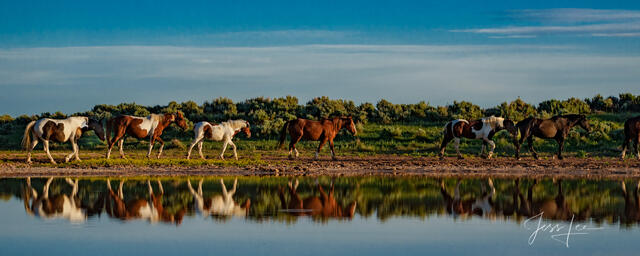
What Makes Wild Horse Photography Special for Wall Art?
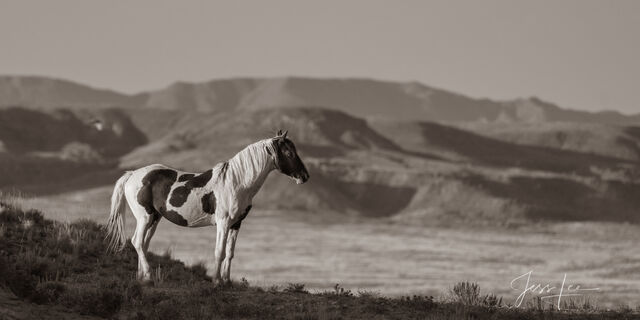
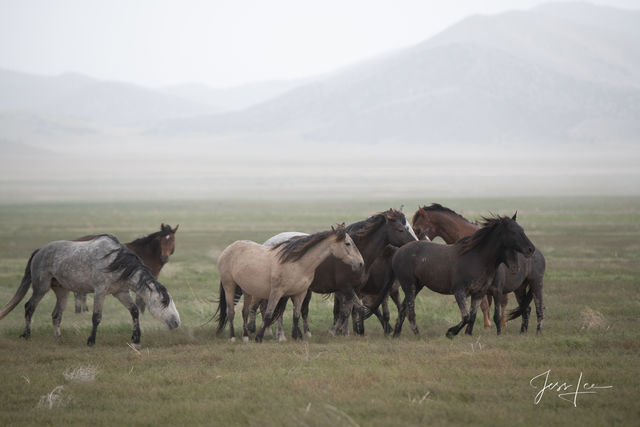
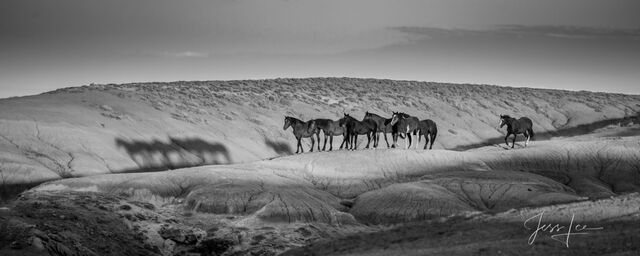
Wild horse photography captures more than beautiful animals—it embodies the spirit of the American West, freedom, strength, and untamed wilderness. Mustangs roaming freely across open range represent enduring symbols deeply embedded in American heritage and western mythology. Displaying wild horse photography creates emotional connections to western heritage, wild nature, and the pioneering spirit that defines American identity.
Icons of American Heritage
Wild horses, more properly called feral horses or mustangs, descend from domestic horses brought by Spanish explorers in the 16th century and later European settlers. These horses escaped or were released, establishing free-roaming populations across western states. While not technically native (the original North American horse went extinct during the Ice Age), mustangs have roamed the American West for over 400 years, becoming integral to the region's identity.
Historical Significance: Wild horses witnessed westward expansion, supported Native American tribes, inspired cowboys and pioneers, and became symbols of freedom in American literature, film, and art. Photographs of wild mustangs connect viewers to this rich historical tapestry.
Cultural Iconography: Few animals symbolize American freedom and western heritage more powerfully than wild horses. From Wild West shows to Hollywood westerns, from literature to art, wild horses represent independence, strength, and untamed nature.
Conservation Story: Today's wild horses face complex challenges involving public land management, population control, and habitat protection. Wild horse photography raises awareness while celebrating these magnificent animals' continued existence.
The Power of Motion and Freedom
Wild horse photography captures dynamic movement impossible to achieve with domestic horses in controlled settings.
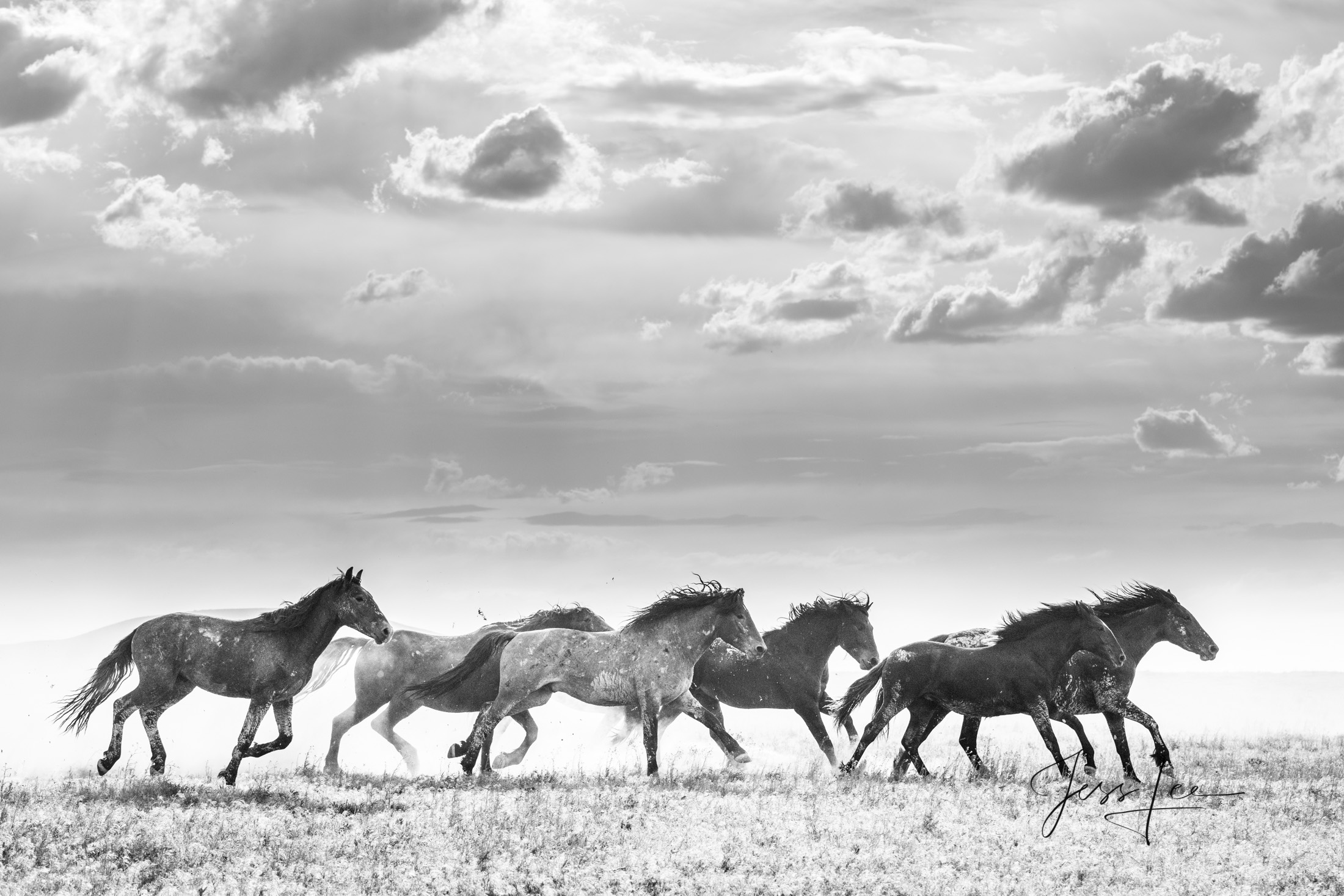
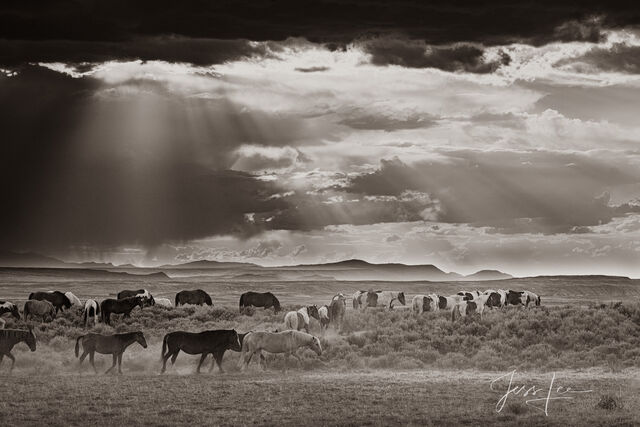
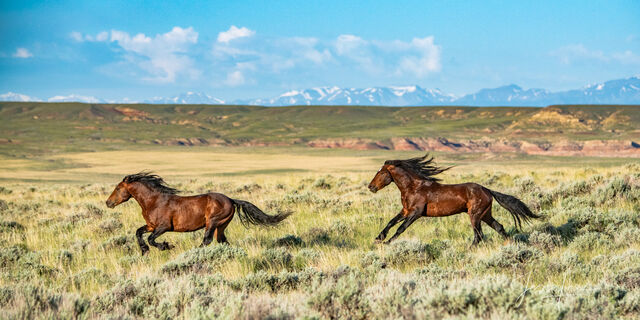
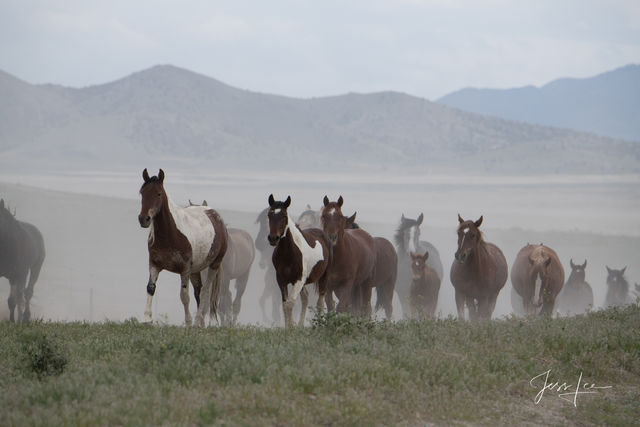
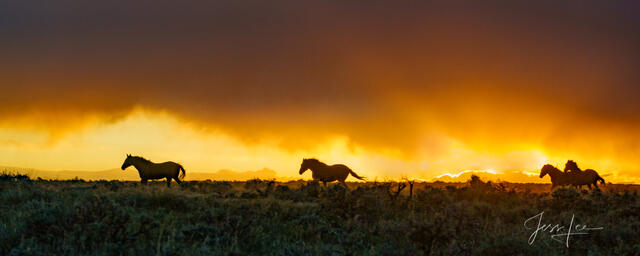
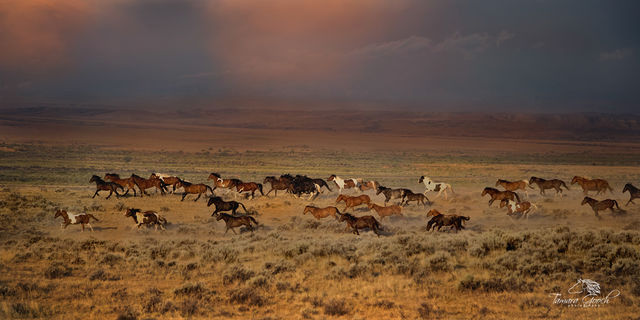
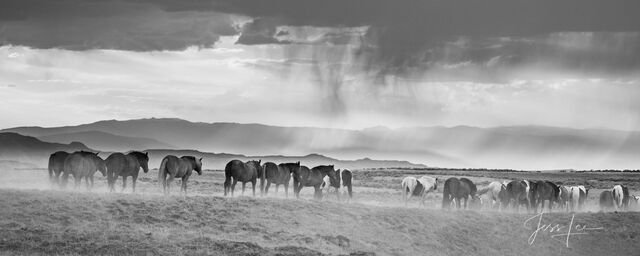
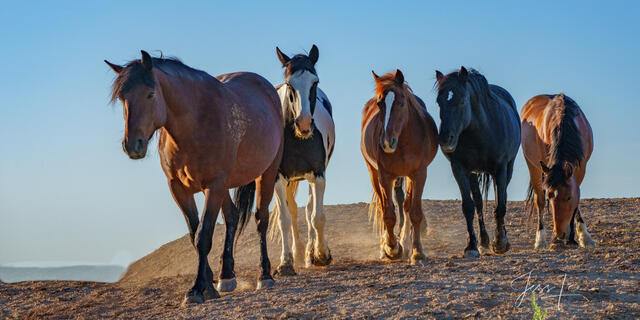
Running Herds: Mustangs galloping across open desert, kicking up dust, manes flying—these action shots convey pure energy and freedom. The power of multiple horses running together creates dramatic visual impact.
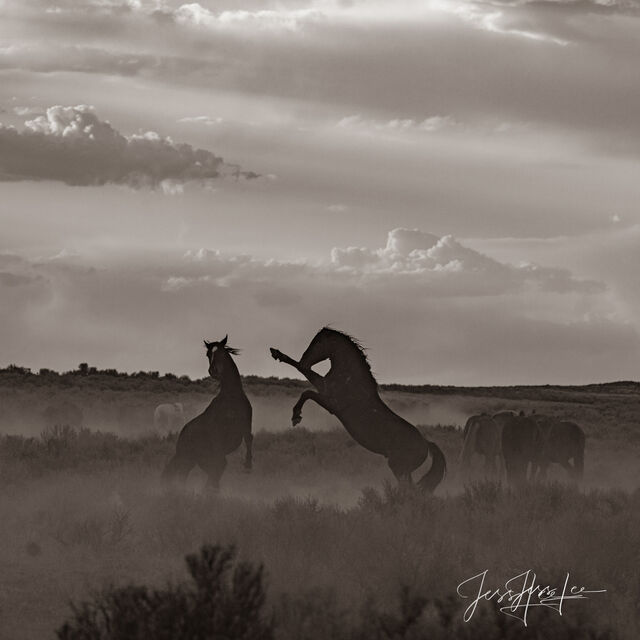
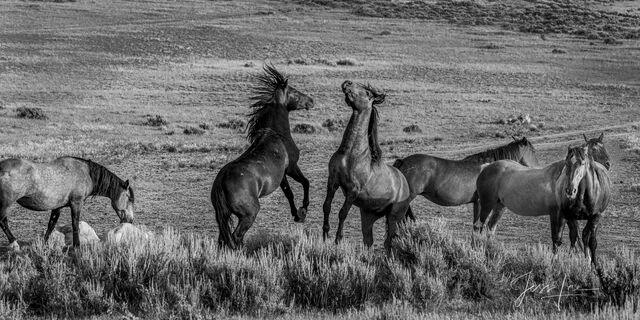
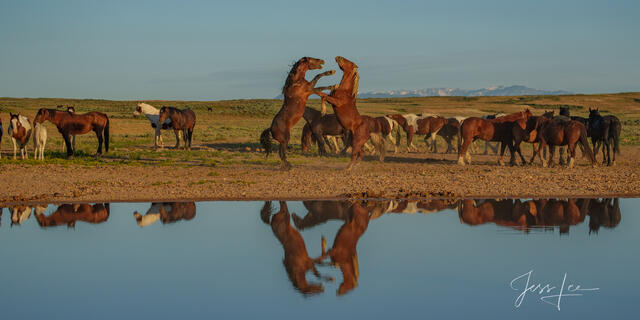
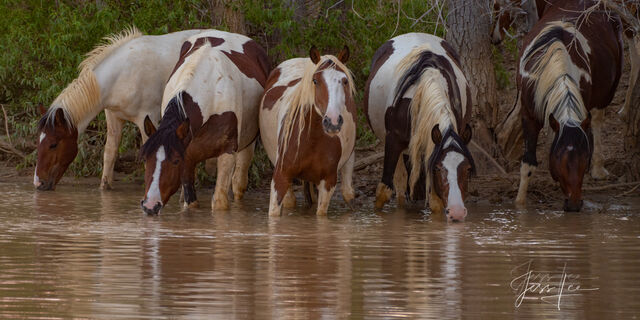
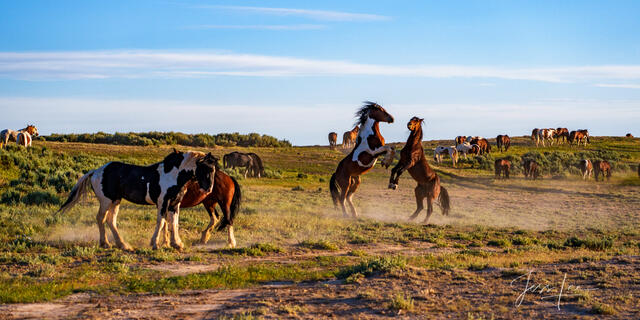
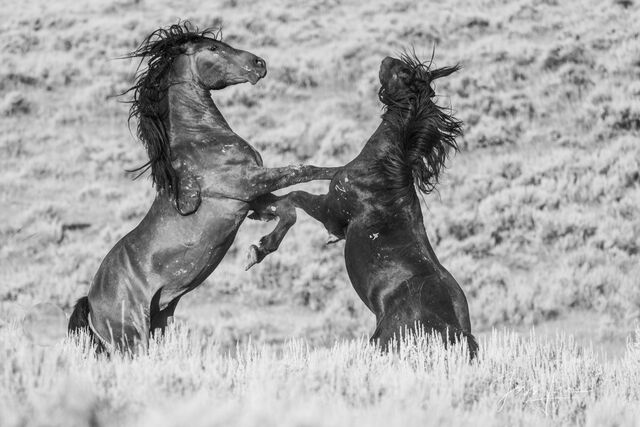
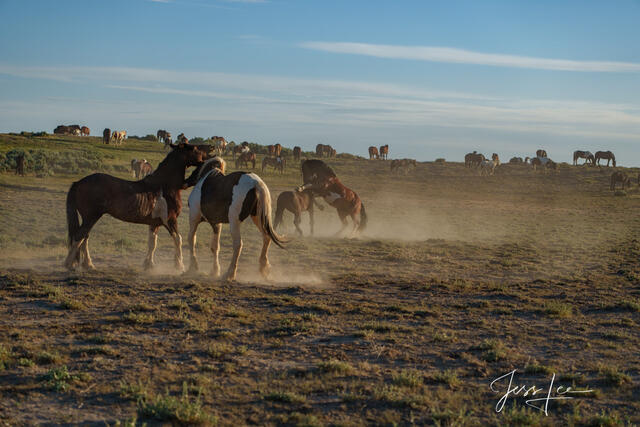
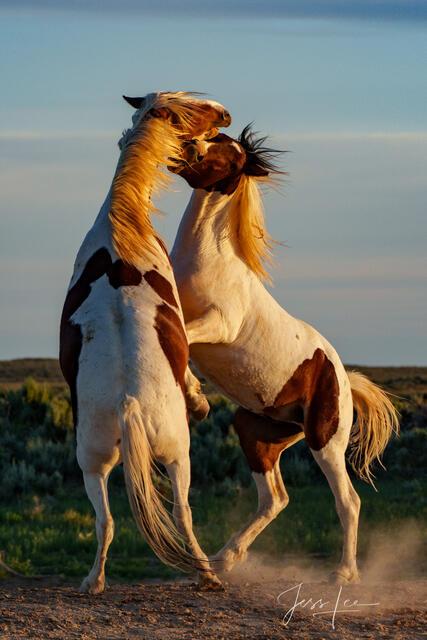
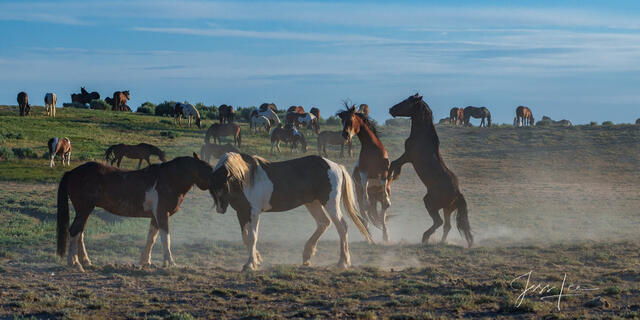
Natural Behaviors: Wild horses display authentic behaviors—stallions fighting for dominance, mares protecting foals, herds socializing at waterholes. These unscripted moments provide narrative depth absent from staged equine photography.
Untamed Spirit: Wild horses possess a wariness and intensity distinct from domestic horses. Their eyes reflect wilderness experience, their bodies show weather-hardened strength, their movements demonstrate self-sufficiency. This untamed quality translates powerfully to photography.
Dramatic Western Landscapes
Wild horse photography combines magnificent animals with spectacular western scenery.
Desert Backdrops: Utah's high desert, Nevada's basins, Arizona's Sonoran Desert provide rugged, authentic western settings. Sagebrush, juniper, and red rock formations create quintessential western imagery.
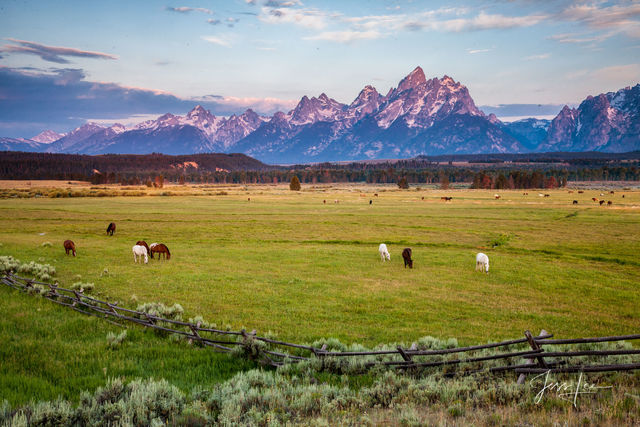
Mountain Settings: Wyoming's McCullough Peaks, Montana's Pryor Mountains, Colorado's mountains provide dramatic elevation and snow-capped backdrops emphasizing the horses' hardiness.
Open Range Vistas: The vast, empty landscapes where wild horses roam emphasize their freedom and the wide-open spaces defining the American West. These compositions create powerful statements about wilderness and space.
Design Versatility
Wild horse photography complements diverse interior styles:
Western and Rustic: Natural choice for ranch homes, mountain lodges, and western-themed interiors. Wild horse imagery reinforces authentic western character.
Contemporary Western: Modern homes embracing western heritage appreciate wild horse photography's blend of tradition and artistic sophistication.
Equestrian Enthusiasts: Horse lovers of any style appreciate authentic wild horse photography celebrating equine beauty in natural settings.
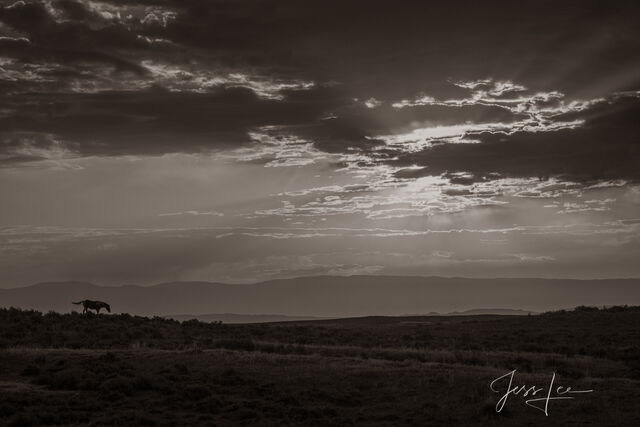
Modern Minimalist: Dramatic silhouettes, clean compositions, and powerful forms suit contemporary interiors seeking strong visual statements without traditional western styling.
What Are the Most Iconic Wild Horse Locations?
Utah's Onaqui Mountain Mustangs
The Onaqui herd in Utah's west desert, approximately 90 miles southwest of Salt Lake City, represents one of America's most photographed wild horse populations. The Onaqui Herd Management Area covers over 200,000 acres of high desert rangeland.
The Horses: The Onaqui herd exhibits diverse coloring including pintos, bays, blacks, chestnuts, and grays. Many horses display distinctive markings making individual identification possible, allowing photographers to document specific horses and family bands over years.
The Landscape: Tooele County's high desert features sagebrush, juniper, and dramatic mountain backdrops including the Onaqui Mountains and Stansbury Range. The open terrain provides visibility for locating horses and capturing them against expansive western landscapes.
Accessibility: The area is public land managed by the Bureau of Land Management (BLM), accessible via gravel roads suitable for most vehicles. This accessibility combined with photogenic horses makes the Onaqui herd extremely popular with photographers.
Seasonal Opportunities: Spring brings foals, summer provides harsh light emphasizing survival, autumn offers golden light and cooler temperatures, winter creates dramatic snow scenes showing the horses' resilience.
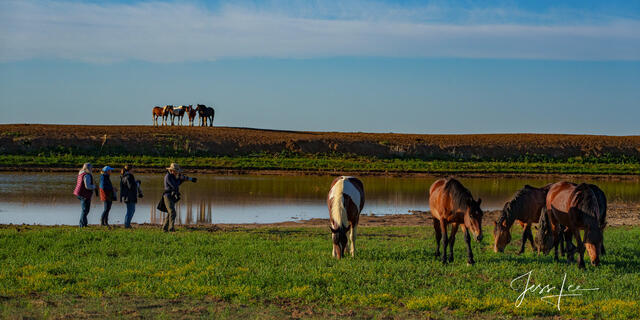
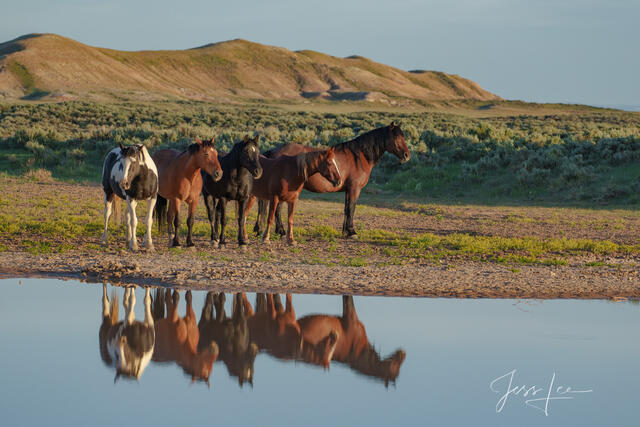
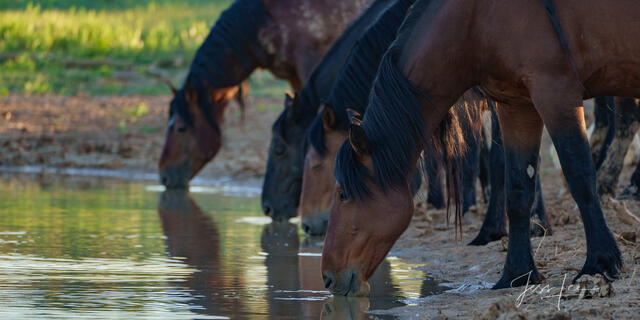
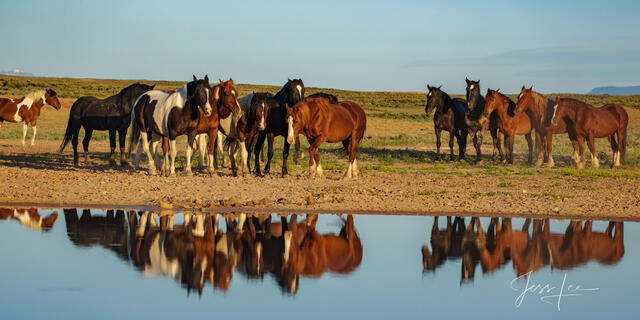
Water Holes: During dry summer months, horses congregate at limited water sources, providing concentrated photography opportunities as bands interact and stallions display dominance behaviors.
Wyoming's McCullough Peaks Wild Horses
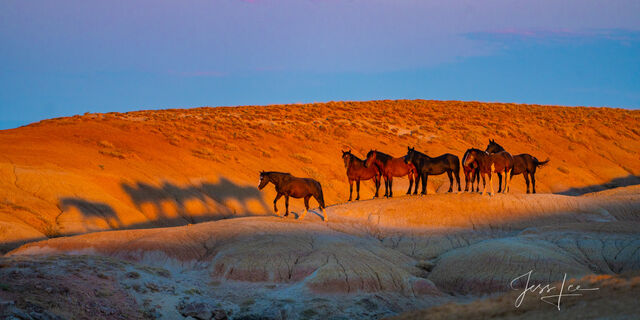
Located just east of Cody, Wyoming, the McCullough Peaks Herd Management Area encompasses approximately 109,000 acres of classic badlands terrain.
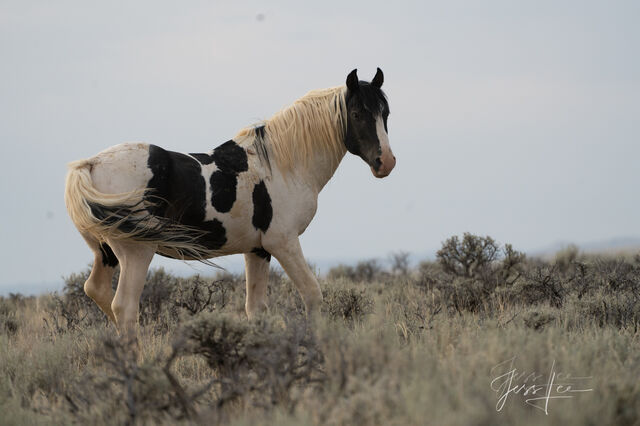
The Horses: The McCullough Peaks horses are known for striking colors and long manes. The herd includes dramatic pintos, solid colors, and distinctive individuals recognizable to regular photographers.
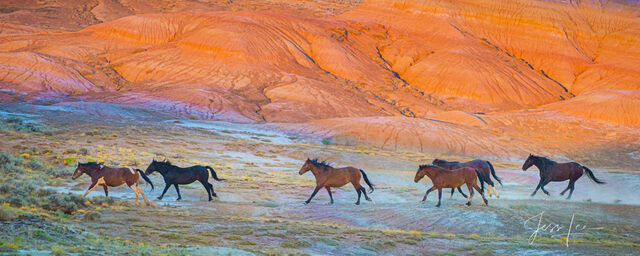
The Landscape: Badlands terrain features colorful sedimentary formations, rolling hills, and distant mountain views. The varied topography creates diverse compositional opportunities from intimate portraits to vast landscape scenes featuring horses as elements within wilderness.
Proximity to Cody: The iconic western town of Cody, founded by Buffalo Bill Cody, provides western heritage context. The historic town combined with nearby wild horses creates authentic western photography opportunities.
Photography Infrastructure: The area has designated viewing areas and established roads, though significant portions require four-wheel drive or hiking access to reach remote bands.
Arizona's Salt River Wild Horses
The Salt River horses roam the Tonto National Forest just outside Phoenix, making them among the most accessible wild horse herds in America.
The Horses: The Salt River herd exhibits diverse coloring and includes families documented by local advocacy groups. Individual horses are named and tracked, creating storylines photographers follow over years.
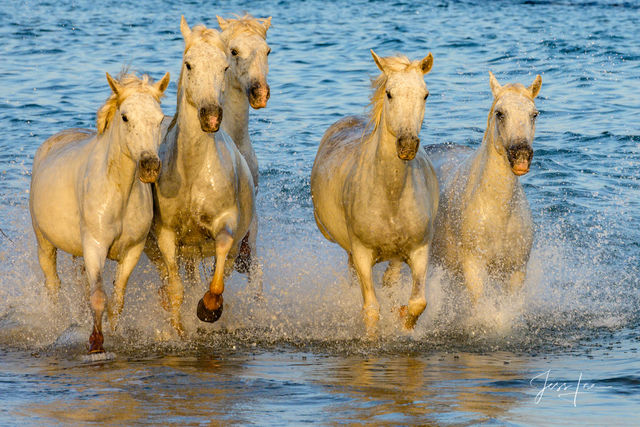
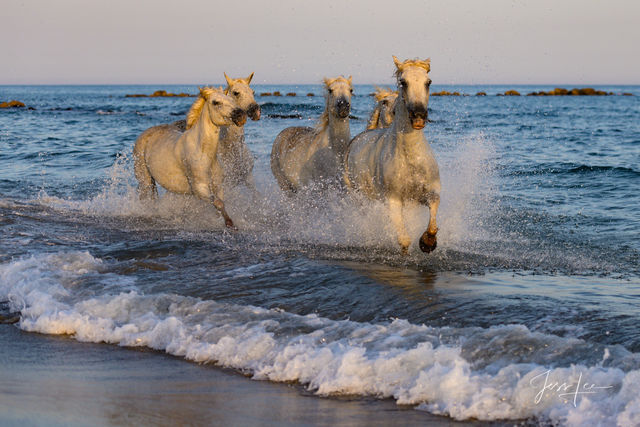
The River Setting: Unlike most wild horse populations in arid environments, Salt River horses are frequently photographed in and around water. Horses splashing through the river, drinking, or playing in water create unique imagery unavailable in desert-only locations.
Seasonal Considerations: Winter (November through March) provides the best conditions—cooler temperatures bring horses to the river more frequently, and lower sun angles create better light.
Urban Proximity: The location near Phoenix creates accessibility advantages but also challenges including weekend crowds. Weekday visits and dawn/dusk timing reduce human congestion.
Colorado's Sand Wash Basin
Sand Wash Basin in northwestern Colorado provides remote, pristine wild horse photography in classic high desert terrain.
The Horses: The Sand Wash herd numbers approximately 800 horses across 157,000 acres, providing opportunities to photograph large bands in wild settings.
Remote Beauty: The area's remoteness means fewer photographers and more opportunities for undisturbed natural behaviors. The vast basin creates powerful compositions emphasizing space and freedom.
Sagebrush and Open Range: Classic Great Basin desert landscape with sagebrush, juniper, and expansive views creates quintessential western imagery.
Spring Foaling: April through June brings newborn foals, providing tender family photography opportunities as protective mares bond with vulnerable offspring.
Nevada's Wild Horse Populations
Nevada hosts the largest wild horse populations in America, with herds throughout the state's vast public lands.
Virginia Range: Near Reno, the Virginia Range horses are accessible and photogenic, often seen against the backdrop of Sierra Nevada mountains.
Great Basin Herds: Numerous herds across Nevada's Great Basin provide remote photography opportunities in classic high desert environments.
Diverse Landscapes: Nevada's varied terrain—from valleys to mountains, from salt flats to sagebrush plains—creates diverse photographic settings.
How to Choose the Right Wild Horse Print for Your Space
Understanding Wild Horse Color and Mood
Wild horse photography encompasses diverse aesthetic approaches:
Dramatic Action: Horses galloping, kicking up dust, running in herds. These dynamic images convey energy, power, and freedom. Suitable for active spaces—home gyms, offices, living rooms seeking bold statements.
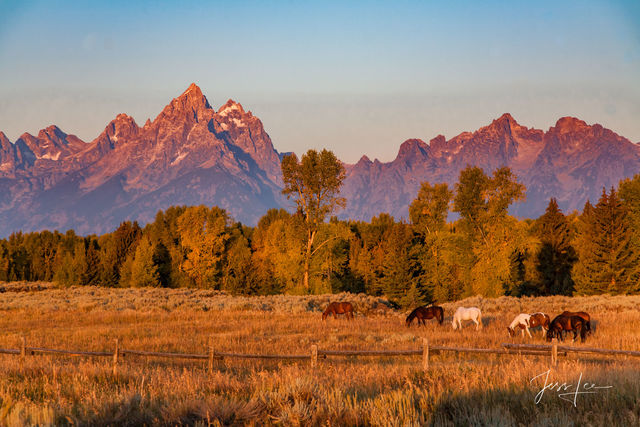
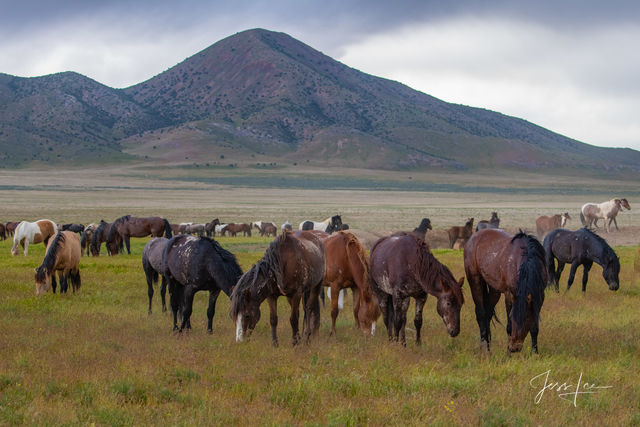
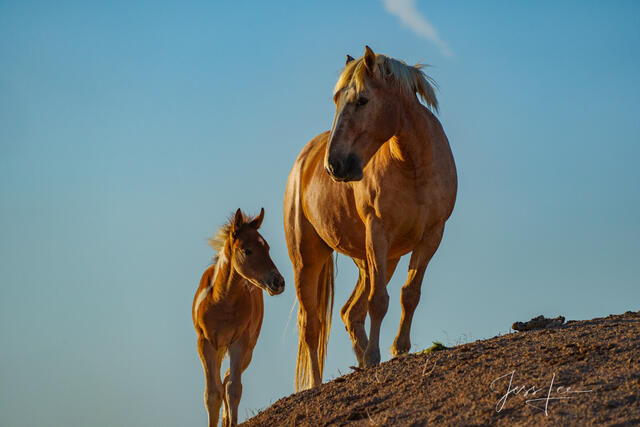
Peaceful Family Scenes: Mares with foals, horses grazing peacefully, bands resting together. These gentler images create calm, nurturing atmospheres suitable for bedrooms, family rooms, spaces emphasizing connection.
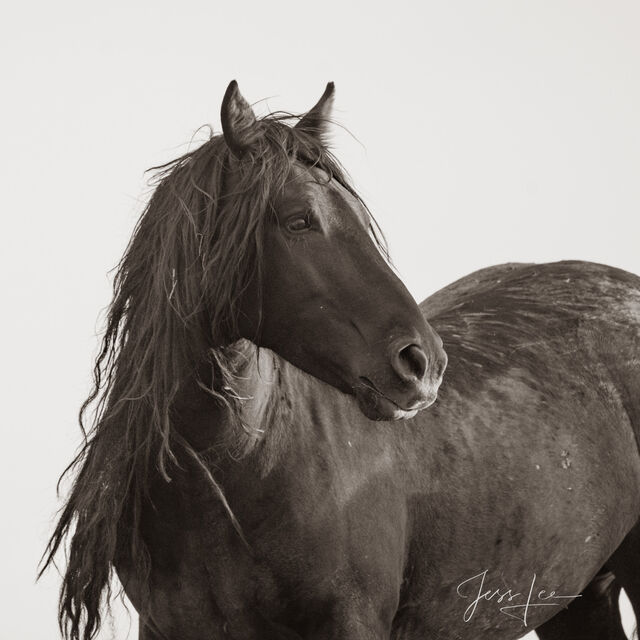
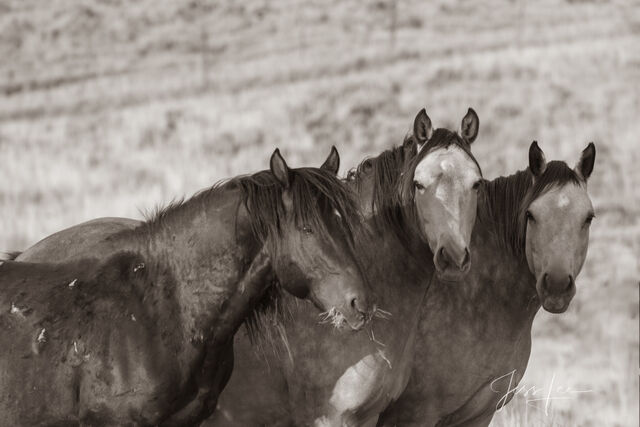
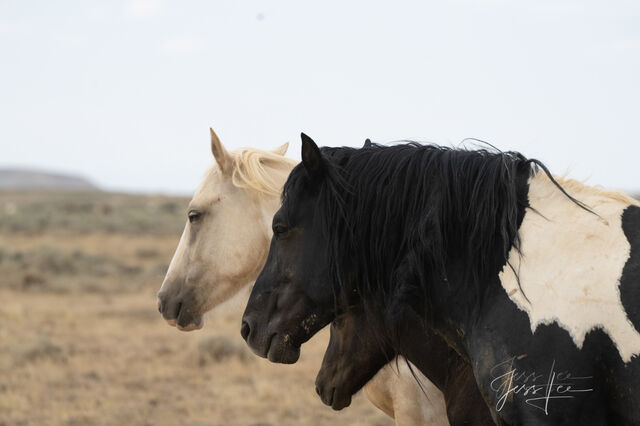
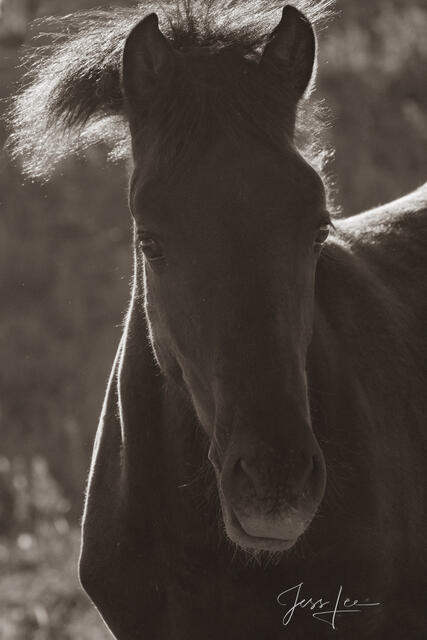
Powerful Portraits: Close-up studies of individual horses showing strength, character, and spirit. Portrait-orientation prints suit narrower walls, hallways, and create intimate connections with individual animals.
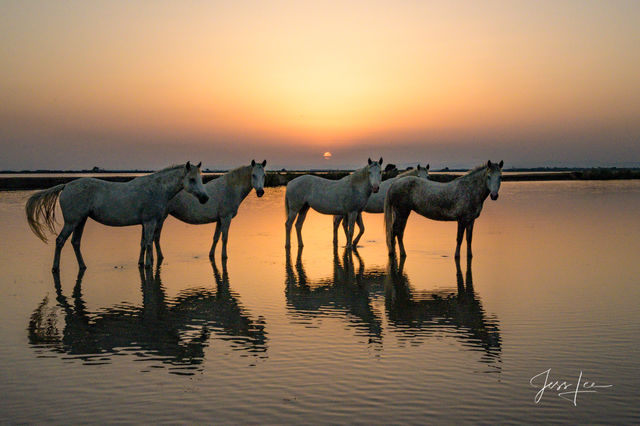
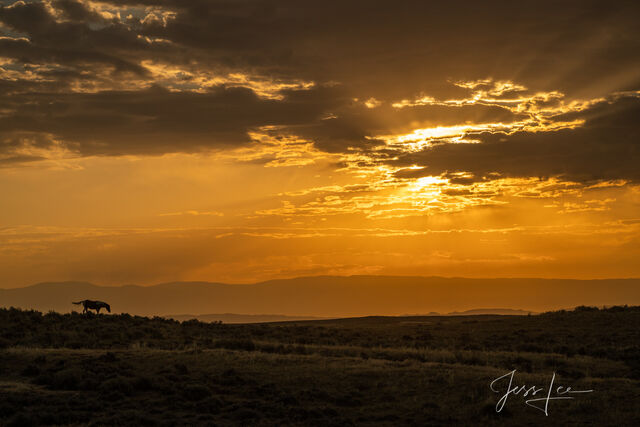
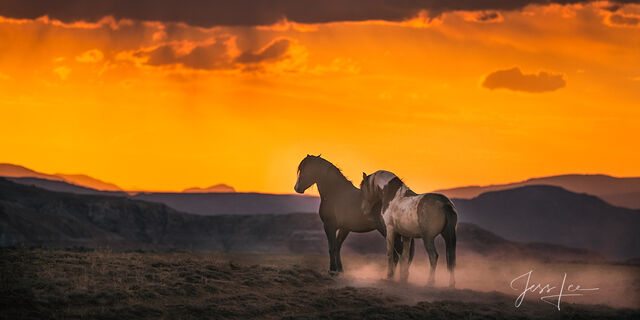
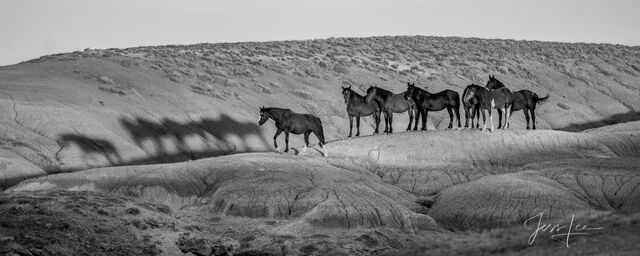
Silhouettes and Artistic Studies: Horses backlit at sunset, silhouetted against dramatic skies, or photographed in fog create artistic, moody imagery. These sophisticated compositions suit contemporary interiors avoiding overtly western styling.
Stallion Confrontations: Powerful imagery of stallions rearing, fighting, displaying dominance. These testosterone-fueled photographs suit masculine spaces—man caves, offices, hunting lodges.
Size Selection Guidelines
Large Format (40x60" to 60x90"): Running herds, multiple horses in dramatic landscapes, panoramic western vistas. Large format emphasizes the scale of wild horse country and the power of galloping herds. Best for great rooms, over fireplaces, large feature walls.
Medium Format (24x36" to 36x48"): Versatile sizing for most applications. Individual horses, small family groups, action shots work beautifully at these dimensions. Suitable above sofas, beds, in dining rooms.
Small Format (16x20" to 24x30"): Intimate portraits, foal studies, detailed character studies. Perfect for gallery walls, offices, bedrooms, creating collections.
Vertical Orientations: Rearing stallions, horses drinking at waterholes, portrait-style individual studies suit vertical presentations. Ideal for narrow wall spaces, flanking doorways or windows.
Subject Selection by Design Intent
Western Ranch/Lodge: Choose authentic action shots, multiple horses in natural settings, horses in harsh western environments. Select imagery emphasizing toughness, freedom, and western heritage.
Contemporary Western: Artistic interpretations, silhouettes, horses at sunset, clean compositions. Choose wild horse imagery suggesting western heritage through sophisticated artistic vision rather than overt western clichés.
Equestrian Enthusiasts: Any wild horse imagery appeals, but consider focusing on specific behaviors—mares with foals for breeders, stallion action for those appreciating power, herd dynamics for those understanding equine social structure.
Conservation Focus: Choose imagery emphasizing wild horses' relationship with landscape, their survival challenges, the vast public lands they inhabit. Select photographs raising awareness while celebrating beauty.
What Print Materials Work Best for Wild Horse Photography?
Trulife Acrylic: Premium Presentation
Trulife Acrylic mounting creates extraordinary depth and impact particularly effective for wild horse action photography and dramatic western landscapes.
Advantages for Wild Horse Photography:
- Dramatically enhances the power of action shots—dust, movement, energy
- Creates depth emphasizing western landscapes' vast scale
- Provides 99% UV protection preserving earth tones and dramatic skies
- Eliminates glare—important for bright western light in photographs
- Modern presentation suits contemporary western interiors
- Gallery-quality presentation worthy of iconic American subjects
Best Wild Horse Subjects for Trulife Acrylic: Running herds kicking up dust, horses at sunset, dramatic action shots, powerful close-ups emphasizing eyes and expression.
Investment Level: Premium pricing reflecting highest quality. Ideal for serious collectors and luxury western homes.
Metal Prints: Modern Western Style
Aluminum metal prints create contemporary presentations perfect for wild horse photography. The material's durability and modern aesthetic suits western imagery for contemporary spaces.
Advantages for Wild Horse Photography:
- Exceptional contrast emphasizing dramatic western light
- Durable surface ideal for western-themed spaces
- Lightweight for large format action shots
- Modern presentation avoids traditional western clichés
- Easy maintenance in high-traffic ranch homes or lodges
Best Wild Horse Subjects for Metal: Silhouettes, high-contrast action, horses against dramatic skies, clean compositions emphasizing form.
Investment Level: Mid-to-upper range offering excellent durability and modern western appeal.
Canvas Gallery Wraps: Classic Western Style
Canvas printing creates organic, traditional presentations perfectly suited to classic western and rustic design themes.
Advantages for Wild Horse Photography:
- Texture adds organic, natural feel appropriate for wildlife subjects
- Traditional presentation suits ranch homes and classic western interiors
- No glass means no glare—important for western-themed spaces often featuring leather and wood creating light challenges
- Cost-effective for multiple prints creating western gallery walls
Best Wild Horse Subjects for Canvas: Peaceful family scenes, horses in natural settings, traditional compositions, imagery emphasizing western heritage.
Investment Level: Mid-range pricing offering excellent value for comprehensive wild horse collections.
Archival Paper with Museum Framing: Collector's Choice
Traditional photographic paper printing provides maximum detail reproduction and tonal range essential for capturing individual hairs, subtle expressions, and landscape details.
Advantages for Wild Horse Photography:
- Superior detail capturing texture of coats, manes, environmental elements
- Traditional presentation honored by western art collectors
- Customizable framing matching western design—rustic wood, weathered finishes, custom matting in earth tones
- Museum-quality materials ensuring longevity
Best Wild Horse Subjects for Paper: Portrait studies, fine detail shots, black and white photography, images where subtle tonal gradations are paramount.
Investment Level: Variable based on framing selections from affordable to premium custom western framing.
Why Are Limited Edition Wild Horse Prints Valuable?
Scarcity and Collectibility
Limited edition photography maintains value through controlled scarcity. Each wild horse print offered by Jess Lee Photography is numbered and limited to specific edition sizes, typically 25 to 100 prints.
Wild horse subject matter attracts particularly strong collector interest due to:
- Deep emotional connection to American western heritage
- Growing awareness of wild horse conservation issues
- Nostalgic appeal crossing generational boundaries
- Authentic wilderness subjects becoming increasingly rare
Investment-Grade Credentials
Investment-quality photography requires established photographer credentials. Jess Lee's publication history with National Geographic—including cover photographs—establishes credibility essential for collectible photography. Over 30 years photographing the American West demonstrates deep knowledge and artistic commitment to western subjects.
Appreciation Potential
Limited edition photography by established photographers typically appreciates as editions sell out. Wild horse subject matter maintains particularly strong demand due to universal appeal, emotional resonance, and connection to American identity.
Popular action shots, iconic herd scenes, and powerful stallion photography often sell out within months or years, driving secondary market values higher.
Certificate of Authenticity
Every limited edition wild horse print includes:
- Photographer signature and edition number
- Certificate of authenticity with print specifications
- Location information (herd and state)
- Documentation of archival materials used
This documentation establishes provenance essential for insurance and potential resale value.
How Should I Display Wild Horse Photography in My Home?
Lighting Considerations
Wild horse photography features dramatic western light and deserves illumination emphasizing this quality.
Natural Light: Position wild horse prints on walls receiving natural light, ideally warm afternoon light suggesting western golden hour. Avoid direct sunlight on the prints themselves to prevent fading.
Artificial Lighting: Install adjustable LED picture lights with warm color temperatures (2700-3000K) enhancing western earth tones and golden hour light in photographs. Consider track lighting for western gallery walls featuring multiple wild horse prints.
Dramatic Accent Lighting: Wild horse photography suits dramatic lighting approaches. Consider uplighting for large prints creating dramatic shadows, or spotlighting for theater-like effect emphasizing the power of the subject.
Creating Wild Horse Gallery Collections
Herd Story: Multiple prints from the same herd (Onaqui, McCullough Peaks) tell comprehensive stories—stallions, mares with foals, running herds, peaceful grazing. This approach creates narrative depth.
Seasonal Journey: Four prints showing wild horses across seasons—spring foals, summer survival, autumn herding, winter resilience. Seasonal collections demonstrate year-round challenges wild horses face.
Behavioral Studies: Collection focusing on behaviors—running, fighting, family bonding, survival. This educational approach appeals to those appreciating natural history alongside aesthetics.
Geographic Diversity: Combine wild horse photography from multiple western states showcasing how different environments create varied imagery—Utah desert, Wyoming badlands, Arizona rivers, Colorado mountains.
Room-by-Room Placement
Living Rooms: Large format running herds, dramatic action shots, multiple horses in western landscapes create powerful focal points. Living rooms accommodate western gallery walls celebrating wild horse diversity.
Home Offices: Inspirational wild horse imagery—horses running free, stallions displaying strength, herds conquering challenges. The symbolism of freedom, strength, and perseverance motivates during work.
Bedrooms: Peaceful family scenes, mares with foals, horses at rest. Choose calming wild horse imagery rather than intense action for sleep spaces.
Western Dens/Man Caves: Powerful stallion confrontations, dramatic action, high-testosterone imagery. These spaces embrace bold, powerful wild horse photography.
Hallways and Stairways: Vertical compositions of rearing horses, portrait-style individual studies. Gallery walls featuring multiple wild horse prints transform transitional spaces.
Frequently Asked Questions About Wild Horse Photography Prints
What makes Jess Lee's wild horse photography unique? Over 30 years photographing the American West provides intimate knowledge of wild horse locations, seasonal timing, and behavior. As a National Geographic published photographer, Jess Lee brings proven expertise to wild horse photography. Years of repeated visits to specific herds allow recognition of individual horses and family bands, capturing authentic relationship dynamics impossible for casual visitors to witness.
Which wild horse herds do you photograph? The collection features Utah's Onaqui Mountain horses, Wyoming's McCullough Peaks mustangs, Arizona's Salt River horses, Colorado's Sand Wash Basin herds, and Nevada's various populations. Each location provides unique settings and horse characteristics.
Are these truly wild horses? Yes. These are free-roaming horses living on public lands managed by the Bureau of Land Management. They are not fed, fenced, or cared for by humans. They survive entirely through natural foraging, find their own water sources, and face predators, weather extremes, and other survival challenges. They are properly called feral horses or mustangs but are commonly referred to as wild horses.
What season is best for wild horse photography? Each season offers unique opportunities. Spring brings newborn foals and family bonding. Summer provides dramatic survival imagery as horses cope with heat and drought. Autumn offers beautiful light and moderate temperatures. Winter creates dramatic snow scenes showing resilience. The collection represents all seasons.
How long do wild horse prints take to produce? Museum-quality production requires 2-3 weeks for printing, quality inspection, and proper material curing. Trulife Acrylic mounting requires additional production time. Custom framing adds 1-2 weeks.
Do you offer wild horse photography workshops? Yes. Jess Lee leads exclusive wild horse photography workshops in Utah (Onaqui Mountains) and Wyoming (McCullough Peaks). These multi-day experiences combine photography instruction with wild horse education, optimal positioning, and insights from decades of experience. Visit the workshops page for current schedules.
Are sales of wild horse prints connected to conservation? While Jess Lee Photography doesn't directly donate percentages to wild horse organizations, the photography raises awareness about wild horses' beauty, challenges, and importance to American heritage. Many clients become wild horse advocates after experiencing the imagery.
Can I commission photography of specific wild horse herds? Limited commission opportunities exist for significant projects requiring travel to specific locations and extensive time with particular herds. Contact the gallery to discuss custom wild horse photography projects.
What's the difference between your wild horse photography and other equine photography? Wild horse photography captures authentic behaviors, natural environments, and the untamed spirit impossible to achieve with domestic horses. The settings are vast western landscapes rather than arenas or farms. The horses display wariness, survival instincts, and natural social dynamics distinct from domestic horse photography.
Do you photograph wild horses ethically? Absolutely. All photography maintains respectful distance using long telephoto lenses. No baiting, approaching on foot, or interference with natural behaviors occurs. The photography documents wild horses as they live naturally without human manipulation or disturbance.
About Photographing Wild Horses: Jess Lee's Western Heritage
For over three decades, Jess Lee has documented America's wild horses, capturing what makes these animals enduring symbols of western heritage and freedom. From countless pre-dawn drives across Utah's high desert searching for Onaqui horses, to days spent in Wyoming badlands waiting for McCullough Peaks stallions, to hours observing Salt River family dynamics—this collection represents dedicated commitment to wild horse photography and conservation awareness.
As a National Geographic published photographer with cover photographs featured in the magazine, Jess Lee brings proven expertise recognized globally. His western work has appeared in numerous prestigious publications celebrating American heritage and wilderness.
The wild horse collection represents thousands of hours spent in remote western locations studying herd dynamics, learning individual horses, understanding seasonal movements, and developing intimate knowledge of where and when wild horses reveal their most authentic behaviors and dramatic moments.
This sustained commitment shows in the imagery—not opportunistic snapshots of roadside horses, but carefully composed photographs revealing why wild horses captivate Americans and represent enduring values of freedom, strength, and untamed wilderness.
Start Your Wild Horse Photography Collection Today
Wild horse photography brings the spirit of the American West into your home, creating daily reminders of freedom, strength, and western heritage. Whether you have personal connections to the West, passion for horses, or appreciation for American symbols, limited edition fine art wild horse prints capture the authentic spirit of America's mustangs.
Jess Lee's three decades photographing wild horses, combined with National Geographic recognition and museum-quality production standards, make his limited edition wild horse prints the discerning choice for collectors, western enthusiasts, equestrian lovers, and anyone seeking authentic American heritage photography.
Each print is produced to archival standards using premium materials, personally inspected for quality, and numbered as part of strictly limited editions. As editions sell out, remaining prints become increasingly difficult to acquire. Secure your preferred wild horse photograph and edition number while availability remains.
Browse the Complete Wild Horse Photography Collection or Schedule Your Complimentary Design Consultationto discuss your project, receive personalized recommendations, and explore how wild horse photography can bring the spirit of the American West into your space.
Quick Collection Overview
Most Popular Wild Horse Prints:
- Onaqui Mustangs Running Herd | Limited Edition 1-50 | From $XXX
- McCullough Peaks Stallion at Sunset | Limited Edition 1-25 | From $XXX
- Salt River Horses in Water | Limited Edition 1-50 | From $XXX
- Wild Horse Mare and Foal | Limited Edition 1-50 | From $XXX
- Wyoming Mustangs Dust Storm | Limited Edition 1-25 | From $XXX
Available Print Materials:
- Trulife Acrylic (Premium)
- Metal Prints (Modern Western)
- Canvas Gallery Wraps (Classic Western)
- Archival Paper + Custom Framing (Traditional)
Print Sizes Available:
- Small Format: 16x20" to 24x30"
- Medium Format: 30x40" to 36x48"
- Large Format: 40x60" to 60x90"
- Custom Sizes: Available on request
Every Purchase Includes:
- Numbered limited edition certificate
- Photographer signature
- Archival materials guarantee (100+ years)
- Herd and location information
- Secure shipping with insurance
- Satisfaction guarantee
- Free design consultation
Contact Information: 📧 Email: [contact email] 📞 Phone: [phone number] 🌐 Website: jessleephotos.com/gallery/wild-horse-wall-art/ 📍 Wild horse workshop information available
Limited edition wild horse photography prints by Jess Lee capture the authentic spirit of American mustangs through over 30 years of dedicated western photography. Each print is personally signed, numbered, and produced using museum-quality archival materials. Featured in National Geographic and collected worldwide, these prints bring the power, freedom, and untamed beauty of wild horses to homes celebrating western heritage. Editions sell out permanently—secure your preferred wild horse photograph today.