The Heart of Texas: Exploring the Culture and Beauty of the Texas Hill Country
Nestled in the heart of Central Texas, the Hill Country stands as one of America's most culturally rich and visually stunning regions. This rolling landscape of limestone bluffs and spring-fed rivers has captivated visitors for generations, offering a unique blend of natural beauty, German heritage, and authentic Texas culture that exists nowhere else in the world.
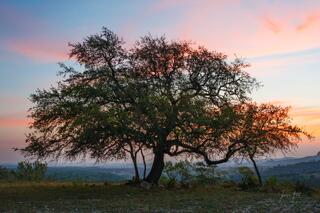
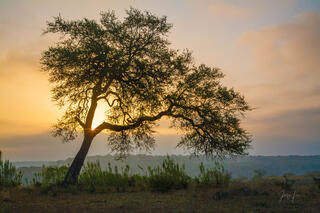
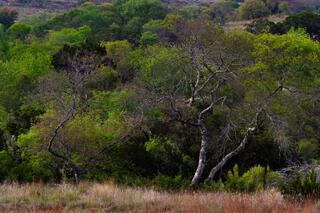
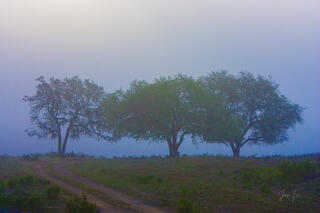
The Texas Hill Country's distinctive beauty stems from millions of years of geological history. The curving boundary is a rise of hundreds of feet from lower, flatter lands to the east and south and is known as the Balcones Escarpment or Fault Line, the result of an upheaval in Tertiary times. This ancient geological event created the dramatic topography that defines the region today, where prairies end against heights dark with juniper and oak, the valleys between them watered by cypress-shaded rivers and creeks.
The limestone foundation of the Hill Country creates a karst landscape dotted with caves, underground rivers, and natural springs that bubble up to form some of Texas's most beautiful swimming holes. Hamilton Pool Preserve exemplifies this geological wonder, where the dome of an underground river collapsed thousands of years ago, creating a stunning grotto with a 50-foot waterfall cascading into emerald waters.
Rising majestically above the surrounding terrain, Enchanted Rock serves as the region's most iconic landmark. This massive pink granite dome, 425 feet tall, has been sacred to Native American tribes for centuries and continues to draw visitors who come to witness spectacular sunrises and sunsets from its summit.
The Hill Country's cultural identity was profoundly shaped by German immigration in the mid-1800s. Led by Prince Carl of Solms-Braunfels, German settlers established communities throughout the region, bringing with them European traditions, architectural styles, and agricultural practices that continue to influence the area today.
Fredericksburg stands as the crown jewel of German Hill Country culture. Founded in 1846, this charming town has preserved its European heritage while embracing its Texas identity. Fredericksburg is the most fun, most interesting, and most well-known town in the Hill Country, where visitors can stroll down Main Street and discover authentic German bakeries, biergartens, and specialty shops housed in historic limestone buildings.
The German influence extends far beyond architecture and cuisine. The settlers brought with them a strong work ethic, a love of music and festivals, and a commitment to education that helped establish the Hill Country as a center of learning and culture. Today, Oktoberfest celebrations, polka music, and traditional German foods remain integral parts of Hill Country life, creating a unique cultural blend that sets the region apart from the rest of Texas.
New Braunfels, another significant German settlement, showcases this cultural heritage through its historic downtown, traditional festivals, and the famous Wurstfest celebration. The town's location along the Guadalupe and Comal Rivers made it an ideal spot for German settlers, who recognized the area's potential for both agriculture and commerce.
Cowboy Culture and Ranch Heritage
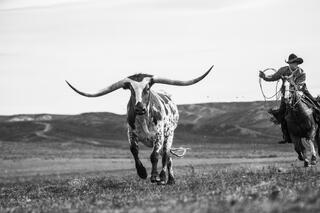
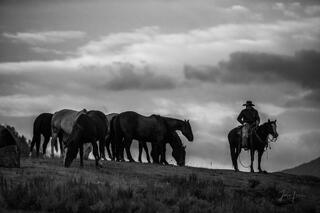
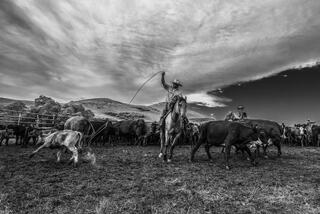
While German culture provided one foundation for Hill Country identity, the region's cowboy and ranching heritage represents another equally important cultural pillar. The Hill Country played a crucial role in the development of the American cattle industry, serving as home to legendary ranchers and the iconic Texas Longhorn cattle that helped define the American West.
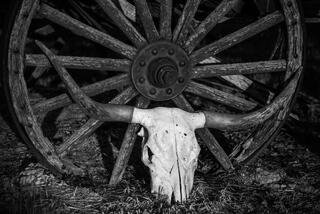
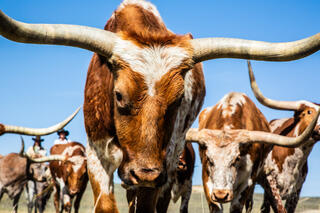
Texas Longhorns were the first cash crop of Texas, and the cattle drives became an economical turning point for the region. These remarkable animals, descendants of Spanish cattle introduced in the 1490s, developed unique characteristics that allowed them to thrive in the challenging Texas environment. Their ability to survive on limited water and poor grazing while traveling long distances made them ideal for the great cattle drives that connected Texas ranches to northern markets.
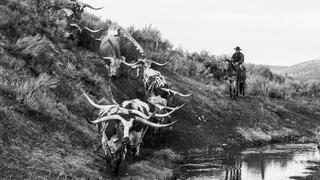
The legendary cattle drives that originated in the Hill Country created some of America's most enduring myths and stories. By 1895 more than 10 million head of longhorn cattle had been driven the length of the Chisholm, Goodnight-Loving, and other trails from Texas. These epic journeys, fraught with danger from stampedes, river crossings, and conflicts, created the cowboy culture that continues to influence American identity today.
Modern Hill Country ranches maintain many traditional practices while adapting to contemporary challenges. Each cow is met with great kindness, respect, and an empathic understanding of her unique needs and stories, demonstrating the enduring connection between ranchers and their livestock that defines authentic ranch life.
Natural Beauty Through the Seasons
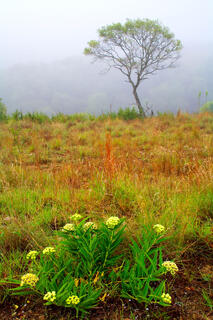
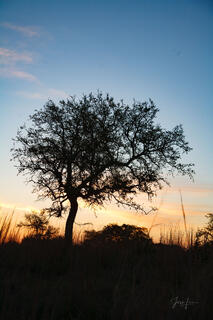
The Hill Country's beauty transforms dramatically throughout the year, with each season bringing its own palette of colors and experiences. Spring arrives with an explosion of wildflowers that has made the region famous worldwide. The beloved bluebonnet, Texas's state flower, carpets entire hillsides in brilliant blue, creating natural gardens that stretch to the horizon.
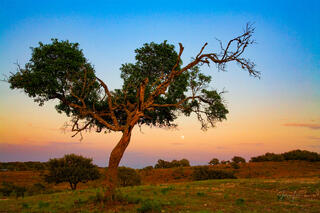
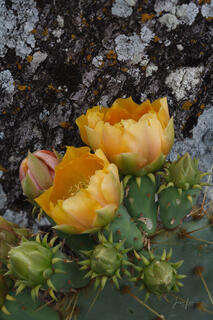
The rolling hills of granite and limestone are home to spring and summer wildflowers, including bluebonnets, prickly pear cacti, grasslands, hidden valleys, cold fed springs, creating a diverse ecosystem that supports both native wildlife and spectacular seasonal displays. The famous Willow City Loop is essentially 13 miles of winding country road, best visited during wildflower season when it's gorgeous scenery attracts photographers and nature lovers from around the world.
Summer brings its own beauty to the Hill Country, when the spring-fed rivers and swimming holes provide relief from the Texas heat. The Guadalupe, Comal, Pedernales, and Frio Rivers create natural corridors of coolness and beauty, their cypress-shaded banks offering respite and recreation for locals and visitors alike.
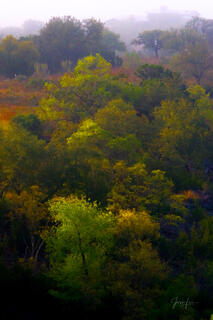
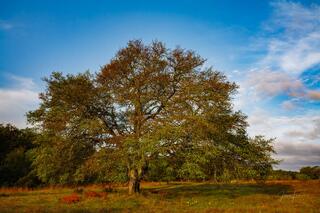
Autumn in the Hill Country may lack the dramatic foliage of northern regions, but it offers its own subtle beauty. The harsh summer light softens, creating perfect conditions for enjoying the region's many outdoor activities and festivals. This is often considered the ideal time to explore the Hill Country's numerous state parks and natural areas.
Winter occasionally brings rare ice storms that transform the landscape into a crystalline wonderland, though such events are uncommon enough to create excitement when they occur. More typically, winter offers mild weather perfect for hiking, exploring, and enjoying the Hill Country's many cultural attractions without the crowds of peak season.
Wine Country and Culinary Culture
The Hill Country's emergence as Texas's premier wine region represents a modern chapter in its cultural evolution. The limestone soil and climate conditions that German settlers found ideal for farming have proven equally suitable for grape cultivation. Today, the region boasts over 290 wineries, creating a thriving wine tourism industry that attracts visitors from around the world.
The wine culture has elevated the Hill Country's culinary scene, with farm-to-table restaurants, artisanal food producers, and specialty markets showcasing local ingredients and traditional techniques. German influences remain strong, with authentic sausages, pretzels, and traditional breads available alongside contemporary Texas cuisine that incorporates local ingredients like prickly pear, pecans, and Hill Country lamb.
Fredericksburg's culinary scene exemplifies this cultural blend, where visitors can enjoy authentic German pastries for breakfast, Texas barbecue for lunch, and locally-produced wines for dinner. The town's numerous festivals celebrate this culinary diversity, from Oktoberfest to the annual Peach JAMboree that highlights the region's agricultural bounty.
Music and Arts Traditions
The Hill Country's cultural richness extends to its vibrant music and arts scene, where German polka traditions blend with country, folk, and contemporary styles. Historic dance halls like Gruene Hall, built in 1878, continue to host live music performances that range from traditional German polka to modern country and rock.
The region's natural beauty has long attracted artists and craftspeople who draw inspiration from the limestone bluffs, flowing rivers, and expansive skies. Art galleries in Fredericksburg, Wimberley, and other Hill Country towns showcase work by local artists who capture the region's essence through various media.
Music festivals throughout the year celebrate the Hill Country's diverse cultural heritage. From traditional German festivals featuring oompah bands to contemporary music events that draw national acts, the region's music scene reflects its unique cultural blend.
Small Town Character and Community Spirit
Perhaps the most endearing aspect of Hill Country culture is the strong sense of community that characterizes its small towns. Places like Comfort, Boerne, Dripping Springs, and Johnson City maintain the small-town atmosphere that has become increasingly rare in modern America. Sometimes it's all in a name – and Comfort brings all the quintessential sweetness you could desire for a small town, exemplifying the charm that draws people to Hill Country communities.
These towns serve as gathering places where neighbors know each other, local businesses are family-owned, and community events bring together people from all walks of life. The Hill Country's small towns preserve a way of life that many Americans remember from their past but fear may be disappearing in our increasingly urbanized society.
Preservation and Future Challenges
As the Hill Country's beauty and cultural richness attract more visitors and new residents, the region faces the challenge of preserving its character while accommodating growth. Conservation efforts focus on protecting the natural springs, maintaining wildlife corridors, and preserving the rural landscapes that define the region's identity.
Cultural preservation efforts work to maintain the German heritage, support working ranches, and protect historic buildings and sites that tell the Hill Country's story. Organizations throughout the region work to balance economic development with environmental and cultural preservation, recognizing that the Hill Country's appeal lies in its authentic character and natural beauty.
The Texas Hill Country represents something increasingly rare in American life: a place where natural beauty, cultural heritage, and community spirit combine to create an authentic sense of place. Whether experienced through a wildflower-lined country road, a traditional German festival, or an evening spent listening to music under the stars, the Hill Country offers visitors and residents alike a connection to both the land and the traditions that make Texas unique.
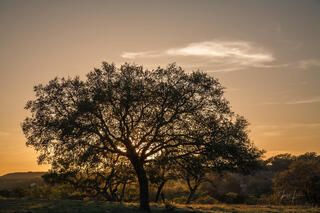
In an age of increasing homogenization, the Hill Country stands as a reminder that regional character and local traditions continue to matter. This rolling landscape of limestone and live oaks, where German settlers and Texas cowboys created something entirely new, continues to inspire all who experience its beauty and embrace its welcoming culture.
The Untold Story: Texas Cowboys and Longhorn Cattle
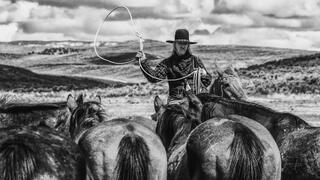
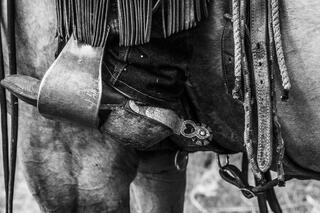
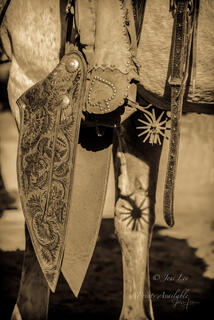
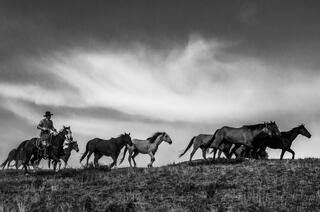
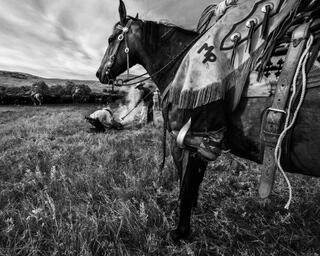
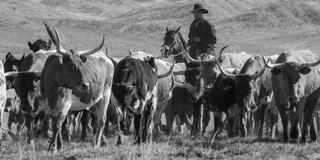
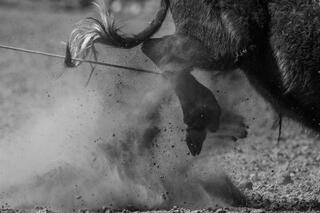
While the Hill Country's landscapes have been photographed extensively, the authentic working cowboy culture and the magnificent Texas Longhorn cattle that roam these lands represent largely untapped photographic subjects. These are not the romanticized cowboys of Hollywood, but real working ranchers who continue traditions passed down through generations.
The Legacy of Texas Longhorns
Texas Longhorns were the first cash crop of Texas, and the cattle drives became an economical turning point for the region Texas Longhorn Cattle Information | Dickinson Cattle Co . These remarkable animals, descendants of Spanish cattle introduced in 1493, developed unique characteristics that allowed them to thrive in the harsh Texas environment.
The history of these cattle is intertwined with legendary figures like Charles Goodnight and Oliver Loving, who partnered up to drive longhorns to market, breaking the Goodnight-Loving trail in the process Texas Longhorn Cattle Information | Dickinson Cattle Co . Goodnight's famous lead steer, Old Blue, became a legend in his own right, leading thousands of cattle north to market over eight years.
Modern Working Cowboys: Keepers of Tradition
Today's Hill Country cowboys represent a living link to this storied past. Each cow is met with great kindness, respect, and an empathic understanding of her unique needs and stories, demonstrating the deep connection between rancher and livestock that defines authentic ranch life.
These modern cowboys face challenges their predecessors never imagined—environmental regulations, fluctuating cattle prices, and decades of drought—yet they continue to maintain the traditions and values that have defined Texas ranching for centuries.