Capturing Red Rock Magic: Jess Lee's Sedona Photography
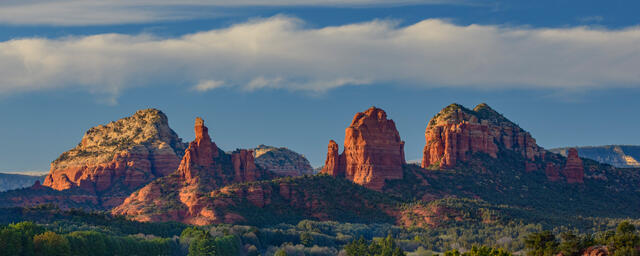
I invite you to explore my Sedona photography collection and experience the magic of this incredible landscape through my lens. With each print, you'll bring a piece of Sedona's timeless splendor into your daily life, creating a space that reflects your love for the great outdoors and the untamed beauty of the red rock country.
My Photographic Journey Through Arizona's Soulful Landscape
The Ever-Shifting Canvas – Light and Seasons in Sedona
The dramatic interplay of light and shadow, combined with the distinct seasonal shifts, transforms Sedona into a dynamic and ever-changing canvas for photography. Understanding and anticipating these changes is paramount to capturing the true essence of its red rock formations.
Golden Hour Alchemy: Harnessing Sunrise and Sunset for Vibrant Red Rock Hues
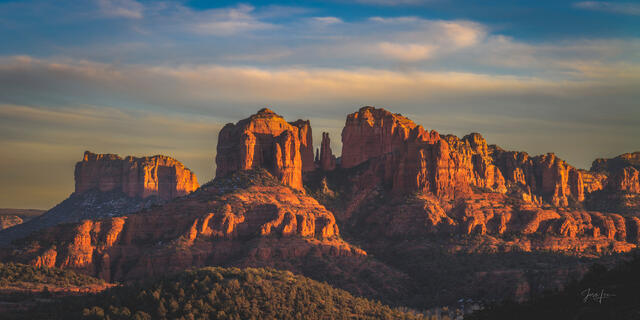
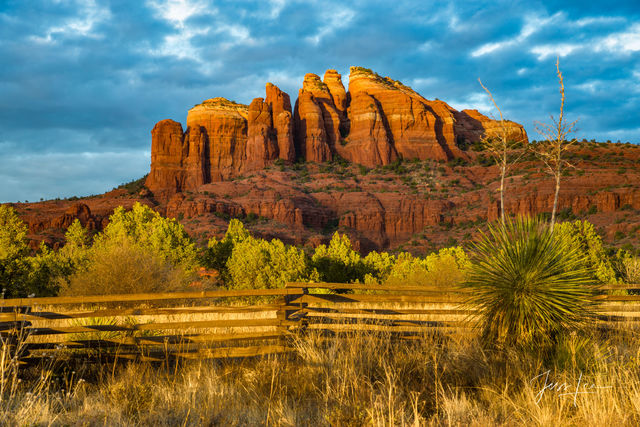
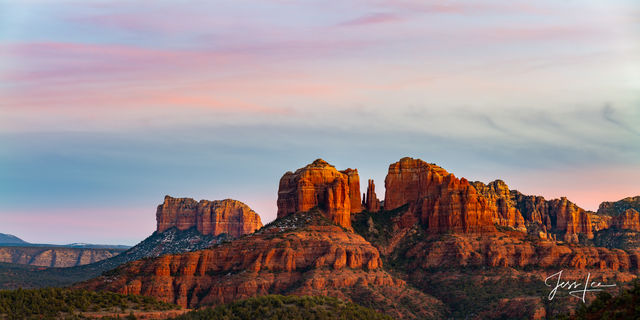
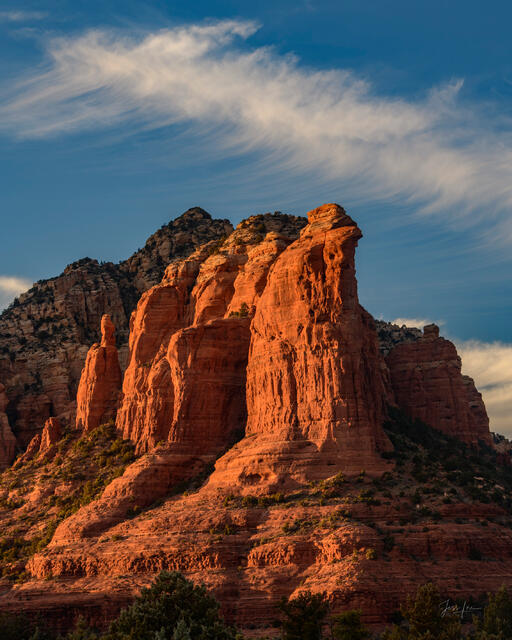
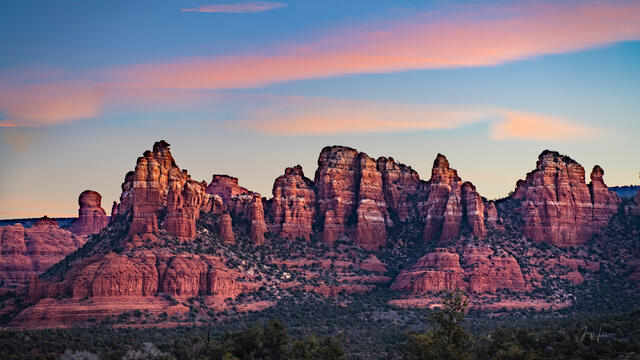
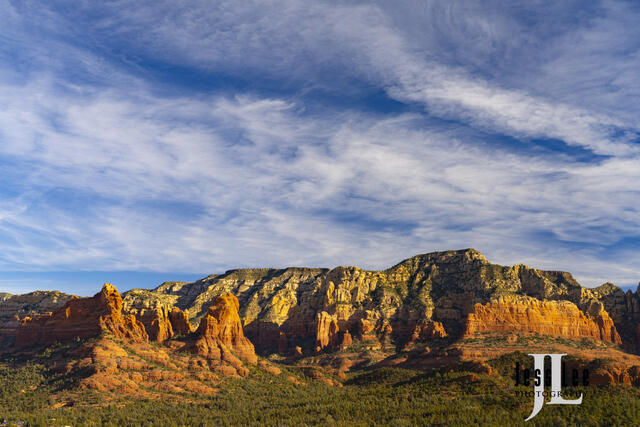
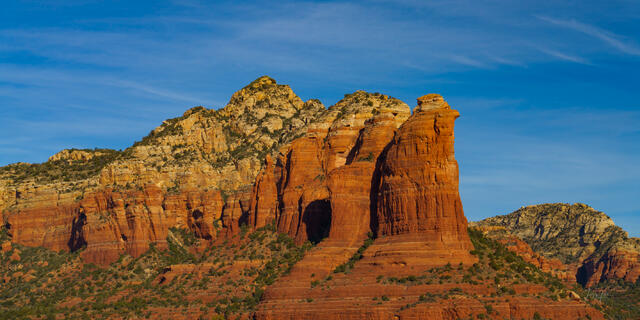
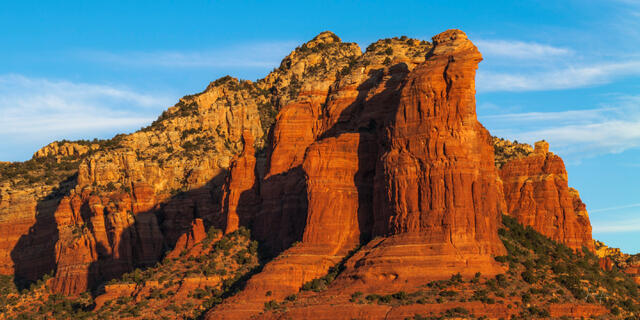
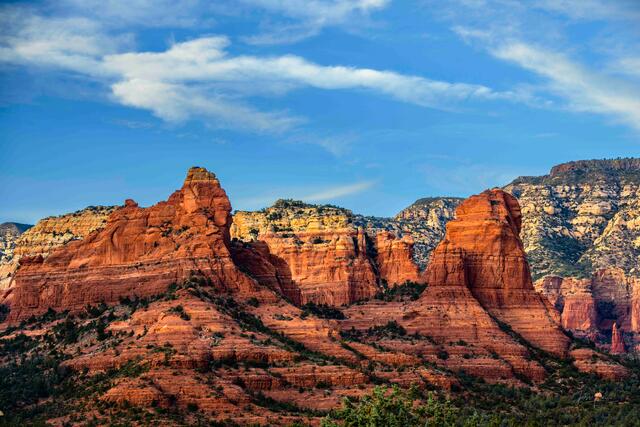
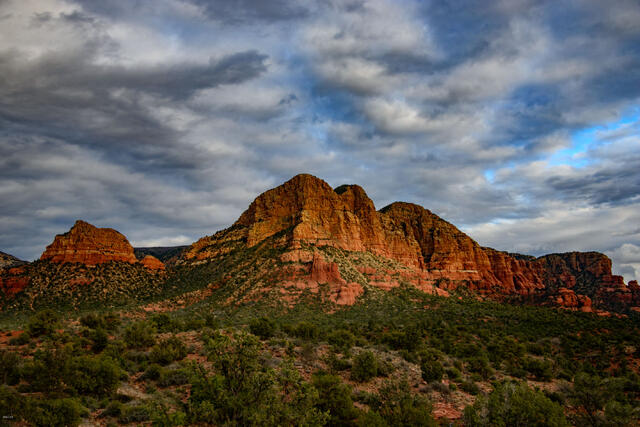
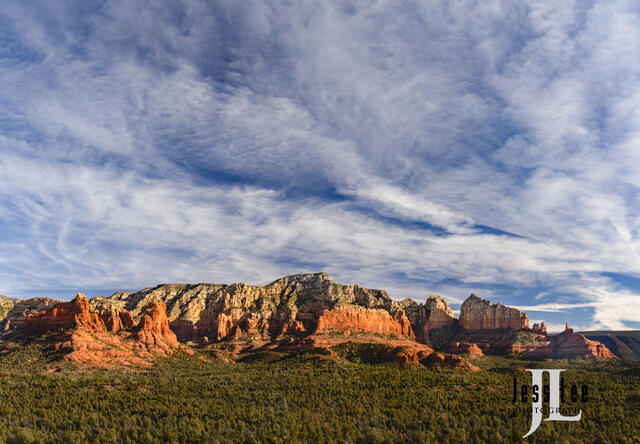
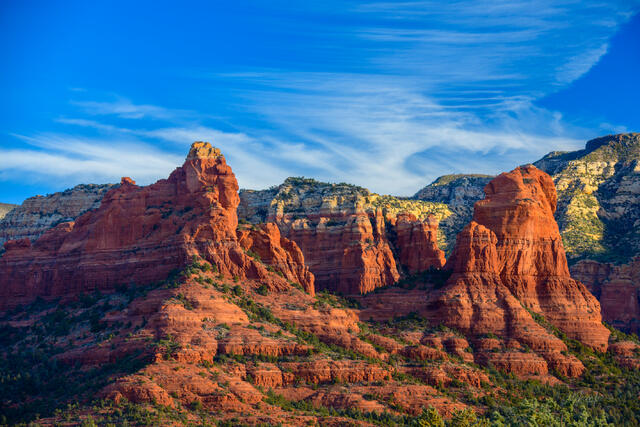
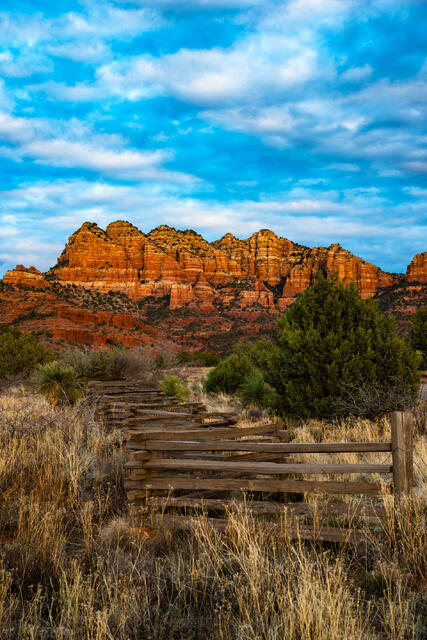
The "golden hours" surrounding sunrise and sunset are universally acknowledged as critical for landscape photography, but in Sedona, they are nothing short of alchemical. During these fleeting periods, the warm, soft light dramatically enhances the rich red tones of the rocks, making them incredibly vibrant against the bright blue sky. This specific timing is consistently identified as the optimal window for photography.
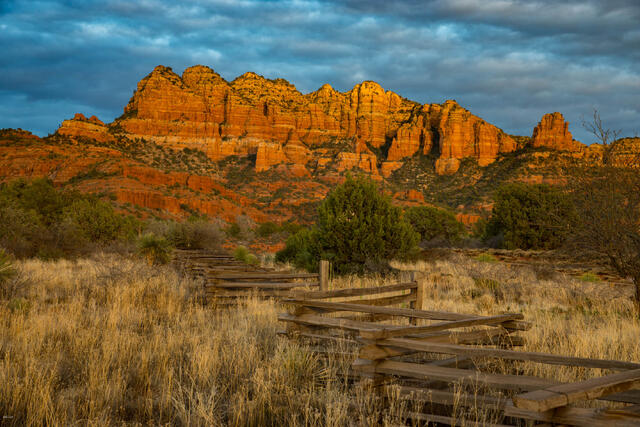
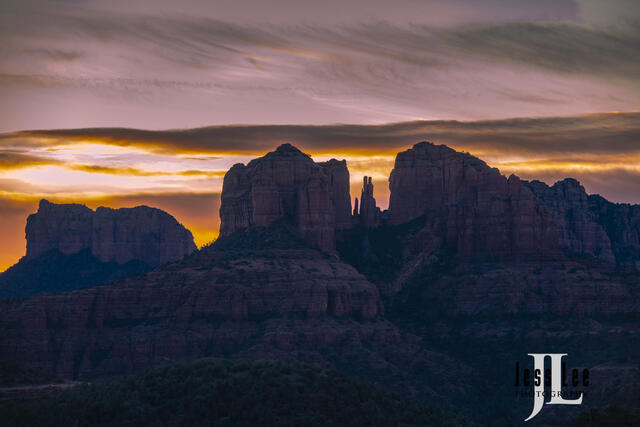
My preference often leans towards sunrise sessions, which offer a soft, glowing light that imbues the landscape with a serene quality. A significant advantage of early mornings is the reduced crowd density, allowing me to experience popular spots like Cathedral Rock in a quieter, more intimate setting. This absence of distraction allows for a more stress-free and personal photographic experience, directly influencing my ability to connect with the landscape and capture genuine emotion in my images. Conversely, sunset sessions provide their own unique magic, casting a golden hour glow that makes Sedona's red rocks appear especially vibrant, creating truly dreamy and colorful photographs. The deliberate choice to be on location during these specific, brief windows is not merely a technical preference; it is a strategic imperative for capturing the iconic, transformative light that defines Sedona's visual identity. The unique coppery glow that is so characteristic of Sedona is a direct result of this precise light quality.
Midday's Bold Strokes: Finding Drama in Harsh Light and Deep Shadows
While conventional landscape photography often advises against shooting in the harsh midday sun due to its tendency to produce flat or overly contrasty results, Sedona's unique red rock environment presents an opportunity to defy this rule. The intense midday light, when approached creatively, can be harnessed to capture the stark contrasts and deep shadows that are characteristic of the desert landscape. This is not about avoiding a challenge, but rather about reimagining what is often considered "bad" light into an asset for narrative depth. The deeply textured and sculpted forms of the red rocks respond uniquely to this direct illumination, allowing for a deliberate artistic choice to portray a different mood—perhaps one of ruggedness, resilience, or stark grandeur, rather than just soft beauty. A photographer's skill is demonstrated not only by adapting to challenging conditions but by understanding how different lighting scenarios can serve distinct artistic narratives, thereby expanding the creative palette.
Celestial Wonders: Embracing Sedona's Dark Skies for Astrophotography
Sedona's night sky is celebrated for its exceptional clarity, offering incredible opportunities for astrophotography and the creation of truly jaw-dropping Milky Way images. While many locations globally offer opportunities for night sky photography, Sedona's unique combination of clear, unpolluted skies and its dramatic, silhouetted red rock formations creates an unparalleled aesthetic. The distinctive foreground elements elevate astrophotography from a generic celestial shot to a truly "Sedona-specific" fine art piece. This highlights the importance of recognizing and exploiting a location's unique environmental advantages. Photographers seeking specialized or distinctive imagery can significantly benefit from researching and planning their visits around such specific environmental features, transforming their work into something truly unique.
Nature's Palette: Documenting Seasonal Transformations (Monsoon Storms, Rare Snow, Spring Blooms)
Sedona's landscape is a dynamic entity, its appearance constantly shifting with the changing weather and seasons. This temporal variability offers a rich narrative for a photographer committed to capturing the full spectrum of a place's character.
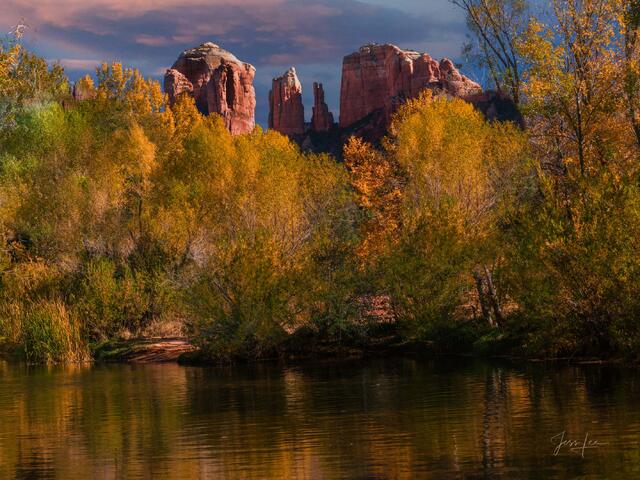
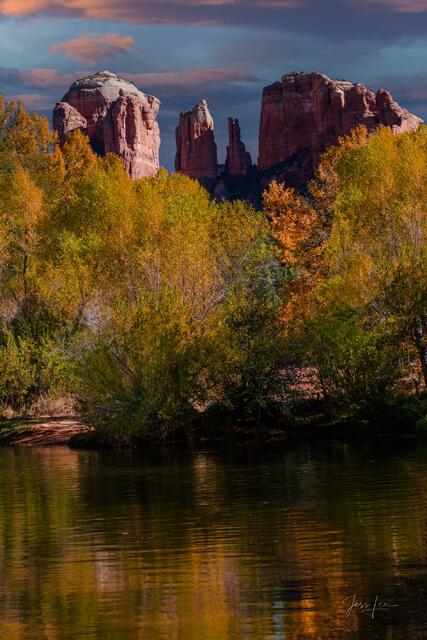
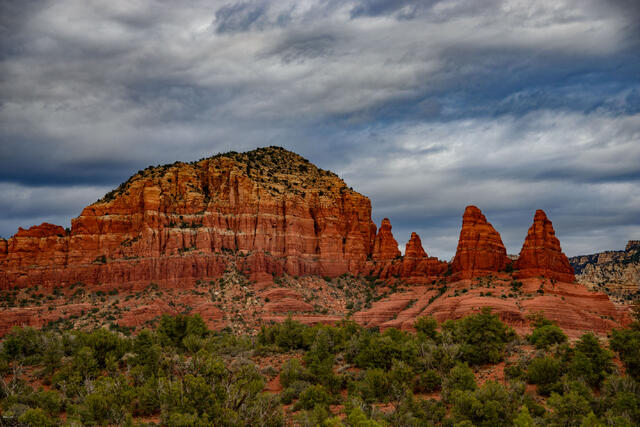
Summer monsoon storms, for instance, create dramatic opportunities, with dark clouds, intense lightning, and vibrant rainbows providing dynamic elements that contrast powerfully with the red rocks. Spring brings mild temperatures, blooming wildflowers, and fresh greenery, making it an ideal season for capturing the landscape's renewal. In the fall, the crisp air and golden light enhance the beauty of the red rocks, with bursts of fall foliage adding a rich palette of colors to the scene. Even winter, with its occasional snowfall, transforms the landscape, creating striking contrasts against the vivid red rock formations.
The most powerful images often emerge from time, patience, and a deep understanding of how landscapes evolve. Returning to the same location throughout the year offers endless opportunities for new images, as the light in winter differs significantly from that in summer—not just in color and quality, but in the angles it casts and the way it interacts with the land. Elements like snow, rain, fog, and ice each contribute their own unique character, revealing details that might otherwise go unnoticed. This iterative process of observation and capture, akin to photographing the same tree through all four seasons to document its transformation, allows a photographer to build a comprehensive visual narrative of the location's many moods and aspects. This sustained engagement cultivates true mastery and a profound connection to the place.
Sedona's Seasonal Photography Highlights
Season Key Photographic Opportunities Optimal Conditions/Considerations
Spring Blooming wildflowers, fresh greenery, vibrant red rocks. Mild temperatures (mid-60s to low 80s °F), clear skies. Expect larger crowds and higher lodging rates. Ideal for hiking and scenic vistas.
Summer Monsoon storms, dark clouds, lightning, rainbows. Hot temperatures (upper 80s-90s °F), but early mornings and evenings are pleasant. Less crowded, more affordable lodging. Dramatic skies during monsoons.
Fall Crisp air, golden light on red rocks, fall foliage. Temperatures cool (upper 70s to 50s-60s °F). Excellent for hiking and sightseeing. Peak season, so expect crowds.
Winter Occasional snowfall creating stark contrasts against red rock. Transforms landscape with snow. Offers unique photographic opportunities due to striking contrasts. Can be cold with challenging road conditions.
Year-Round Astrophotography (Milky Way), iconic red rock formations. Exceptional clarity for night skies. Golden hours (sunrise/sunset) are crucial for enhancing red rock colors. Midday light can be used for stark contrasts.
Crafting the Vision – Techniques for Evocative Imagery
Beyond understanding the landscape's temporal shifts, mastering the technical and artistic tools of photography is essential to translate Sedona's unique beauty into evocative imagery.
Lens Choices and Perspective: From Wide-Angle Grandeur to Telephoto Intimacy
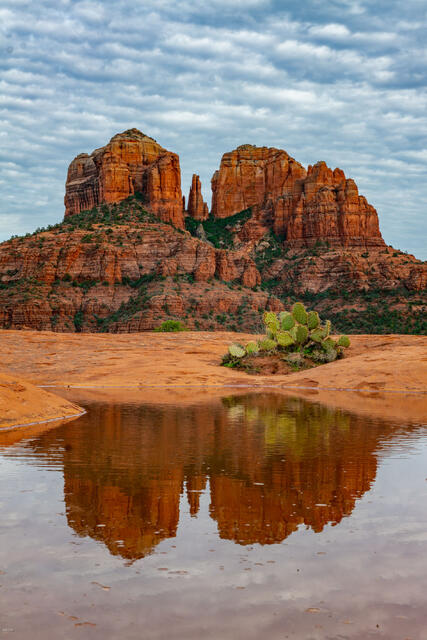
Selecting the right lens and perspective is crucial for conveying the true scale and emotion of Sedona's vast landscapes. While wide-angle lenses are invaluable for capturing the sweeping grandeur and expansive views of mountain scenes, I've learned that they can paradoxically diminish the perceived size of distant elements. For instance, Cathedral Rock, which is so dramatic to the eye in person, can appear tiny in a wide-angle photograph. This perceptual distortion is a critical consideration; the technical choice of lens directly impacts the emotional and perceived scale of the image, not just the field of view.
To overcome this, telephoto lenses become indispensable. They are crucial for bringing distant elements, such as snow-capped mountains, closer into the frame, or for making the iconic red rocks appear more dramatic and imposing, as they truly feel on location. Telephoto lenses are also effective for isolating specific features, like distant aspen groves, within a broader landscape. Beyond focal length, experimenting with different perspectives—such as getting low to the ground or climbing to higher vantage points—can dramatically alter the mood and impact of a photograph. I often find myself getting down low and placing my camera close to the foreground to emphasize intimate details and create a sense of immersion. This deliberate choice of lens and perspective allows me to convey the felt grandeur of the red rocks, translating my subjective experience into a powerful photographic output.
Compositional Flow: Guiding the Eye Through Sedona's Unique Formations
Effective composition is not merely about adhering to a set of rules; it is a narrative device, a deliberate arrangement of elements within the frame that guides the viewer's eye towards understanding the story or the mood I intend to convey. In Sedona, the landscape itself often dictates the compositional flow. I consistently apply accepted rules of good composition, such as the rule of thirds and the use of leading lines.
I frequently utilize natural leading lines, whether they are trails winding through the landscape or the gentle flow of Oak Creek, to draw the viewer's eye through the frame and create a sense of depth. Sedona's unique geological features, with their abstract, curving forms, offer endless creative compositional opportunities, transforming mere observation into a guided visual journey. Incorporating strong foreground elements like prominent red rocks or the clean, flowing water of a creek at Red Rock Crossing adds depth and interest, creating layers within the image. Additionally, using elements within the scene to frame the main subject, such as other trees or gaps in rock formations, can further draw the viewer's attention. This approach demonstrates that a photographer's skill lies in recognizing and harnessing the inherent compositional strengths of a landscape to tell a more compelling visual story.
The Essential Toolkit: Filters (Polarizers, NDs) and Their Impact on Light and Color
Filters are indispensable tools in my photographic kit, acting as creative enablers rather than mere corrective devices. They significantly impact how light and color are rendered in my images of Sedona. A graduated neutral density (ND) filter, for instance, is invaluable for balancing exposures, preventing an over-exposed sky while preserving detail in a darker foreground. ND filters also allow for the use of longer shutter speeds, creating a beautiful "silky water" effect in flowing creeks or waterfalls.
A circular polarizing filter is another critical tool. It helps manage reflections, cuts down glare from wet surfaces, and profoundly enhances the sky's blue color. In Sedona, this means the polarizer doesn't just reduce glare; it makes the red rocks appear incredibly vibrant against the bright blue sky and deepens the blue. This demonstrates that filters are integral to achieving a specific artistic vision. They are not just for fixing technical problems but for unlocking creative possibilities and enhancing the emotional impact of the images.
Post-Processing as Art: Enhancing the Captured Moment with Intention
For me, post-processing is an extension of the artistic vision, a crucial step in transforming a technical capture into a fine art print. It is in the digital darkroom that the magic truly happens. This process allows me to meticulously adjust lighting, color balance, and sharpness, creating polished, professional-quality photographs that accurately represent my original artistic intent.
My work involves bringing out the vibrancy and enhancing the shadows that I perceived in the field, as well as sharpening the intricate details of the red rock formations. For fine art prints, this includes sophisticated techniques such as dynamic range management—employing shadow and highlight recovery, luminosity masking, and subtle HDR processing to achieve a balanced and natural result. Color grading is also a key component, involving careful management of green channels, balancing warm and cool tones, and making selective color adjustments to emphasize the rich burgundy and coppery hues of the red rocks. Post-processing is not a separate technical step but an integrated part of the artistic process, allowing me to fully realize my initial intent and create a fine art print that serves as the ultimate expression of my vision.
Essential Gear & Techniques for Sedona's Red Rocks
Gear/Technique Purpose/Benefit Specific Application in Sedona
Wide-Angle Lens Captures vastness, sweeping views. Capturing entire red rock formations, panoramic vistas, or intimate details with a sense of expansive space.
Telephoto Lens Isolates distant subjects, compresses perspective. Making Cathedral Rock appear grand and imposing, isolating distant peaks, or bringing far-off details into focus.
Sturdy Tripod Ensures sharpness in low light, enables long exposures. Achieving crisp images during dawn/dusk, night photography, or creating silky water effects in Oak Creek.
Circular Polarizing Filter Reduces reflections, enhances color saturation. Deepening the red hues of the rocks, intensifying blue skies, and cutting glare from water surfaces in creeks and puddles.
ND/Graduated ND Filters Enables long exposures, balances exposure. Creating dreamy, blurred water effects in flowing creeks, or balancing bright skies with darker foregrounds during high-contrast scenes.
Manual Mode Full control over exposure triangle (aperture, shutter speed, ISO). Optimizing exposures for varied desert light, from harsh midday sun to subtle twilight.
Spot Metering Precise exposure on key areas. Ensuring critical elements like a brightly lit rock face or a shadowed canyon wall are correctly exposed.
Bracketing Exposures Captures multiple exposures for high dynamic range scenes. Handling extreme contrasts between bright skies and deep shadows in the red rock landscape, especially at sunrise/sunset.
Post-Processing (HDR, Luminosity Masking, Color Grading) Artistic enhancement, dynamic range management, color accuracy. Fine-tuning the vibrant red and orange tones, emphasizing textures, and creating a cohesive visual narrative that matches the artistic vision.
Chapter 3: Beyond the Surface – Connecting with Sedona's Spirit
My photographic journey in Sedona extends beyond technical execution; it delves into cultivating a profound connection with the landscape, allowing me to infuse my images with personal emotion and a unique narrative.
Iconic Vistas, Personal Interpretations: Photographing Renowned Landmarks with a Unique Perspective
Sedona is home to an array of iconic landmarks that are a photographer's dream: Cathedral Rock, Red Rock Crossing, and the Chapel of the Holy Cross are among the most sought-after subjects. Other renowned spots include Airport Mesa, Bell Rock, Devil's Bridge, and the Soldier Pass Trail. While these locations are undeniably showstoppers and frequently photographed, they also present a unique challenge: how to capture them with a fresh perspective that transcends mere replication of postcards.
My approach is to transform each visit into a fresh experience, an opportunity to discover and expand my unique creative vision. This involves a deliberate slowing down, a careful study of the scene, and an experimental mindset to simplify and exaggerate the very feeling that initially captivated me. The challenge of originality in such iconic landscapes is significant, as these popular spots can become quite crowded, especially during peak seasons. For a fine art photographer, the goal is to move beyond simple documentation and find a unique interpretation. This requires a thoughtful and skilled approach that delves into the deeper "why" behind the image and aims to evoke a specific emotional response. This pursuit of originality, a common challenge for landscape photographers, ultimately leads to a deeper, more personal engagement with the subject, often by focusing on subtle beauty or overlooked details that others might miss.
Seeking Solitude: Discovering Hidden Gems Away from the Crowds
The immense popularity of Sedona, particularly during its peak seasons, often leads to crowded conditions at its most famous viewpoints. This presents a practical challenge for me as a photographer, as I seek to create unique, unadulterated images that convey the pristine beauty of the landscape without the distraction of throngs of visitors. Fortunately, Sedona offers numerous lesser-known locations that provide exceptional photographic opportunities away from the bustling crowds. These can range from secluded pull-offs along Schnebly Hill Road to the serene vistas found at Lover's Knoll.
The West Fork Trail, for example, offers a completely different take on Sedona's landscape. It presents a beautiful creek winding through red rock canyons, providing ample shade that makes it an ideal spot for shooting even during midday or in the summer heat. This active pursuit of solitude, which I often refer to as "obsessive exploration," involves studying maps and venturing off the beaten path. This willingness to explore not only yields unique compositions but also fosters a deeper, more personal connection to the land itself, free from the distractions of other visitors. This commitment to genuine artistic expression often necessitates a significant physical and mental investment in exploring a place beyond its well-trodden paths, resulting in more authentic and less "copied" work.
The Narrative Thread: Infusing Personal Emotion and Story into Each Frame
Narrative landscape photography, in my practice, transcends traditional boundaries. It aims to tell stories, evoke emotions, and engage audiences on a deeper level, representing more than just the visual elements of a scene. I achieve this by carefully choosing locations that inherently possess a story, utilizing natural light to convey a specific mood, and sparingly incorporating human elements to add layers of emotional depth.
My personal connection to nature is intimate and lifelong, rooted in a belief that every element of the natural world—animals, plants, water, and the earth itself—possesses a unique and recognizable spirit, and that we are all undeniably interconnected. My photography, therefore, becomes a pathway to restoring a lost connection to one's identity. I see myself as a translator of the landscape's spirit. This involves channeling my emotional response to a scene, interpreting the sounds, smells, and textures into colors and lines. This deep, almost intuitive connection allows the image to resonate profoundly with viewers, grounding them to the Earth. The most powerful landscape photographs, in my view, are not merely records of what was seen, but rather expressions of what was felt and understood by the artist, inviting the viewer into a shared emotional experience.
Evolution of Vision: How Repeated Visits Deepen Understanding and Photographic Expression
My worldview as a photographer has evolved significantly over time, a transformation deeply intertwined with my sustained engagement with specific landscapes. I make it a practice to return to the same subjects in different light, seasons, and weather conditions, seeking to capture as many of their aspects and moods as possible. This long-term engagement, whether through extended travel or residency, is fundamentally different from short photography trips.
Short trips often prioritize immediate "keepers" for a portfolio, whereas prolonged immersion allows for a deeper, more organic process. It provides ample room for experimentation with composition and editing styles, a continuous re-evaluation of initial expectations, and the invaluable opportunity to transform perceived failures into tangible learning assets. This process is akin to learning to "breathe underwater" rather than merely holding one's breath for a brief dive. This prolonged feedback cycle fosters resilience and adaptability in my artistic practice. This sustained, iterative engagement with a chosen location allows me to move beyond superficial capture to a more nuanced, authentic, and resilient artistic practice, truly reflecting the evolution of a landscape photographer. Genuine artistic development in landscape photography is an ongoing, organic process that benefits immensely from such sustained interaction, leading to deeper understanding and more profound expression.
A Timeless Connection to the Red Earth
Sedona has undeniably exerted a profound influence on my artistic journey. It is a place that consistently inspires my photography, serving as a perfect crucible for discovering and expanding my unique creative vision. Here, amidst the ancient red rocks, I have found a deep connection that makes me proud to call this landscape my artistic home. My ultimate aim through my work is to forge a similar bond with the viewer, to ground them to the Earth, initiating a deep-rooted personal connection to these wild landscapes.
I encourage all aspiring and established photographers to cultivate their own deep connection to the landscapes they choose to photograph. This involves slowing down, truly studying the scene, and then experimenting with various techniques to simplify and exaggerate the feelings that the place evokes. Patience and keen observation are key to unlocking the subtle narratives hidden within nature. This journey is not just about technical proficiency; it is about recognizing one's inherent value and beginning to realize one's true creative potential through the art of photography.
Beyond the aesthetic pleasure, I believe landscape photography carries a significant potential for environmental stewardship. My personal artistic philosophy is deeply concerned with the threats facing Earth's beautiful natural elements, and I firmly believe that we should respect our planet and all its inhabitants. This ethos aligns seamlessly with principles like "Leave No Trace," which are essential for responsible engagement with the outdoors. By fostering a deep personal connection to a place through art, I aim to strengthen empathy with the Earth among my audience, inspiring them to explore, reflect, and connect with the world in profound and meaningful ways. This transforms the artistic act into a powerful form of advocacy, fostering appreciation and a sense of responsibility for the natural world.
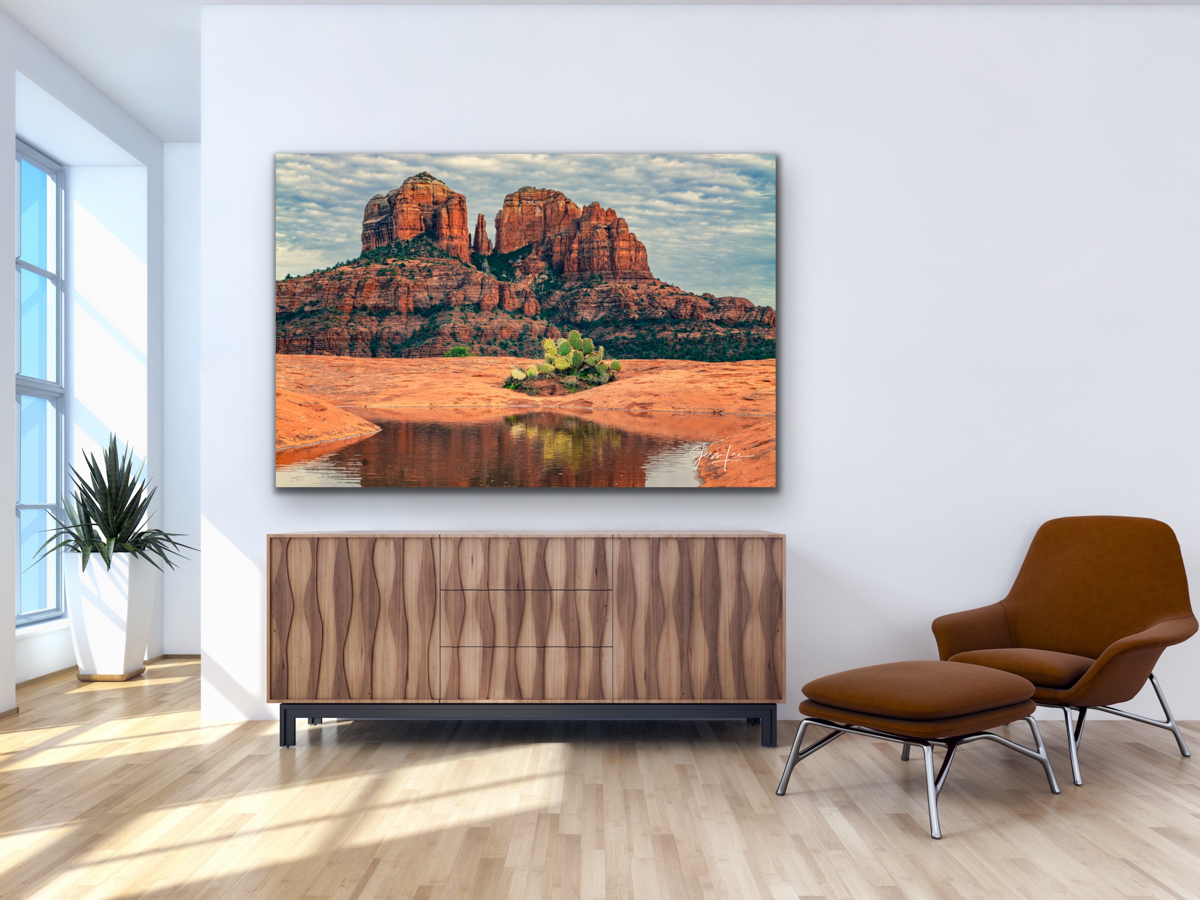
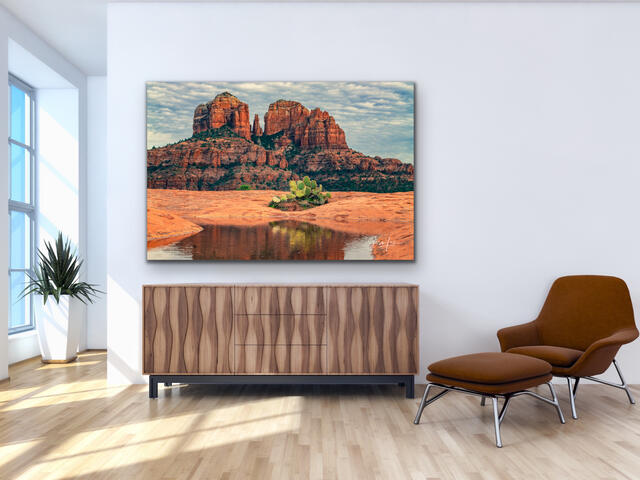
The culmination of this entire photographic process—from initial inspiration to meticulous field capture and thoughtful post-processing—is the fine art print. For me, it is the ultimate expression of the photographer's vision. These prints are crafted using museum-quality materials, such as 100% cotton or alpha-cellulose papers and museum-grade pigments, ensuring their longevity and ability to withstand the test of time without yellowing, fading, or deteriorating. Color accuracy is paramount, ensuring the print precisely matches the original artwork or my envisioned interpretation. The goal is to transcend a mere image on a wall; it is to bring the viewer directly into the scene, to make them feel as though they are there with me, creating a tangible sense of presence and a lasting expression that transports them back to that captured moment in time. For a fine art landscape photographer, the physical print is the enduring legacy, a testament to their profound and evolving relationship with the natural world, and a means to share that deep connection with others for generations to come.